Spain and Portugal Shape the World: A Historic Split That Changed Everything
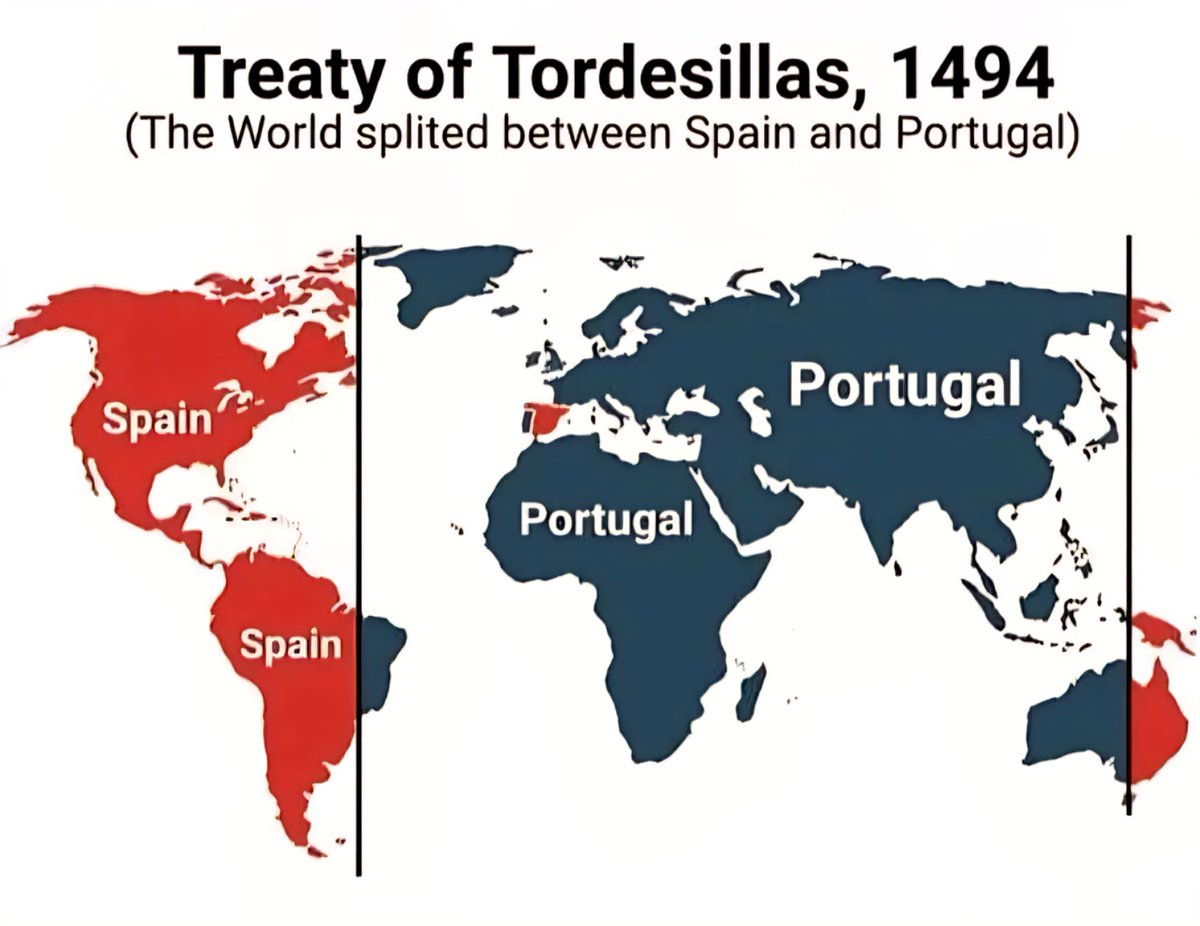
How Spain and Portugal’s Historic Rivalry Redefined Global Boundaries
In 2025, the enduring rivalry between Spain and Portugal continues to influence worldwide geopolitics and culture. Their shared history is a tapestry woven with exploration, conquest, and bold claims that redefined global boundaries. Here are some key moments and impacts of this rivalry that shaped the world as we know it today.
1. The Treaty of the Tordesillas: Dividing the World’s New Lands
Back in 1494, Spain and Portugal inked the Treaty of Tordesillas, establishing a line of demarcation that essentially split newly discovered territories outside Europe between the two powers. While originally intended to prevent conflict, the treaty led to a legacy of division, with Spain taking the western territories—including much of Latin America—and Portugal claiming Brazil, parts of Africa, and Asia. This division impacts international borders to this day, with many cultural identities rooted in these historic demarcations.
2. The Age of Exploration Fueled by Competition
During the 15th and 16th centuries, Spain and Portugal launched relentless voyages to claim new lands, driven by the promise of wealth and influence. These expeditions pushed the boundaries of navigation technology and inspired a global exchange network of goods, ideas, and cultures. Their competition spawned discoveries that “split the world,” facilitating the spread of Christianity, languages, and customs that persist in numerous countries across continents.
3. Cultural Legacies and Lingual Divide
Today, the influence of Iberian rivalry is evident in the languages spoken across multiple continents. Spanish and Portuguese are among the most widely spoken languages worldwide, owing to colonial history. Countries deriving their linguistic roots from Spain or Portugal often reflect the unique cultural traits of their Iberian founders, creating a diverse global cultural mosaic that traces back to the historic rivalry.
4. Economic Pillars Built on Historic Divisions
In the modern era, the economic landscapes of Spain and Portugal are deeply linked to their historical conquests. Spain continues to be a leader in tourism, especially in regions like Catalonia and Andalusia, where Spanish heritage remains vibrant. Portugal’s economy benefits significantly from its global connections, thriving in sectors like shipping, tourism, and technology, all rooted in historic maritime dominance.
5. Political Impacts and Contemporary Borders
The division of the world by Spain and Portugal laid the groundwork for modern political borders. While the line of the Treaty of Tordesillas no longer holds legal weight, it influences sovereignty debates—most notably in regions such as Brazil, which remains Portuguese-speaking, and parts of South America that are Spanish-speaking. These borders foster a sense of identity that remains tied to the historic split, often influencing local politics and international relations.
6. Diaspora and Global Influence
The Iberian rivalry sparked widespread migration, resulting in sizable communities of Spanish and Portuguese descent across the Americas, Africa, and Asia. These diaspora populations sustain cultural traditions, festivals, and culinary trends rooted in their ancestral rivalry. From the colorful festivals of Mestizo communities in Latin America to the thriving Lusophone nations in Africa, their influence continues to shape their regions.
7. The Future of Iberian Influence
As of 2025, both Spain and Portugal are leveraging their historical ties to expand their influence in global diplomacy, trade, and cultural exchanges. Initiatives like the Lusophone Alliance promote cooperation among Portuguese-speaking nations, while Spain aims to strengthen its role within the European Union and Latin America. The intertwining history of rivalry and collaboration remains a defining characteristic of their international presence.
8. The World’s Legacy: A Split That Still Divides and Unites
The 1494 treaty and centuries of rivalry didn’t just split the world geographically but also laid a foundation for complex cultural identities, economic systems, and international relations. As both nations continue to evolve, their historic rivalry remains a testament to how competition can drive exploration and shape the world’s political map—an ongoing story that continues into 2025 and beyond.