

Select Language:
Unearthing the Ugly Past of Human Zoos in Various Countries
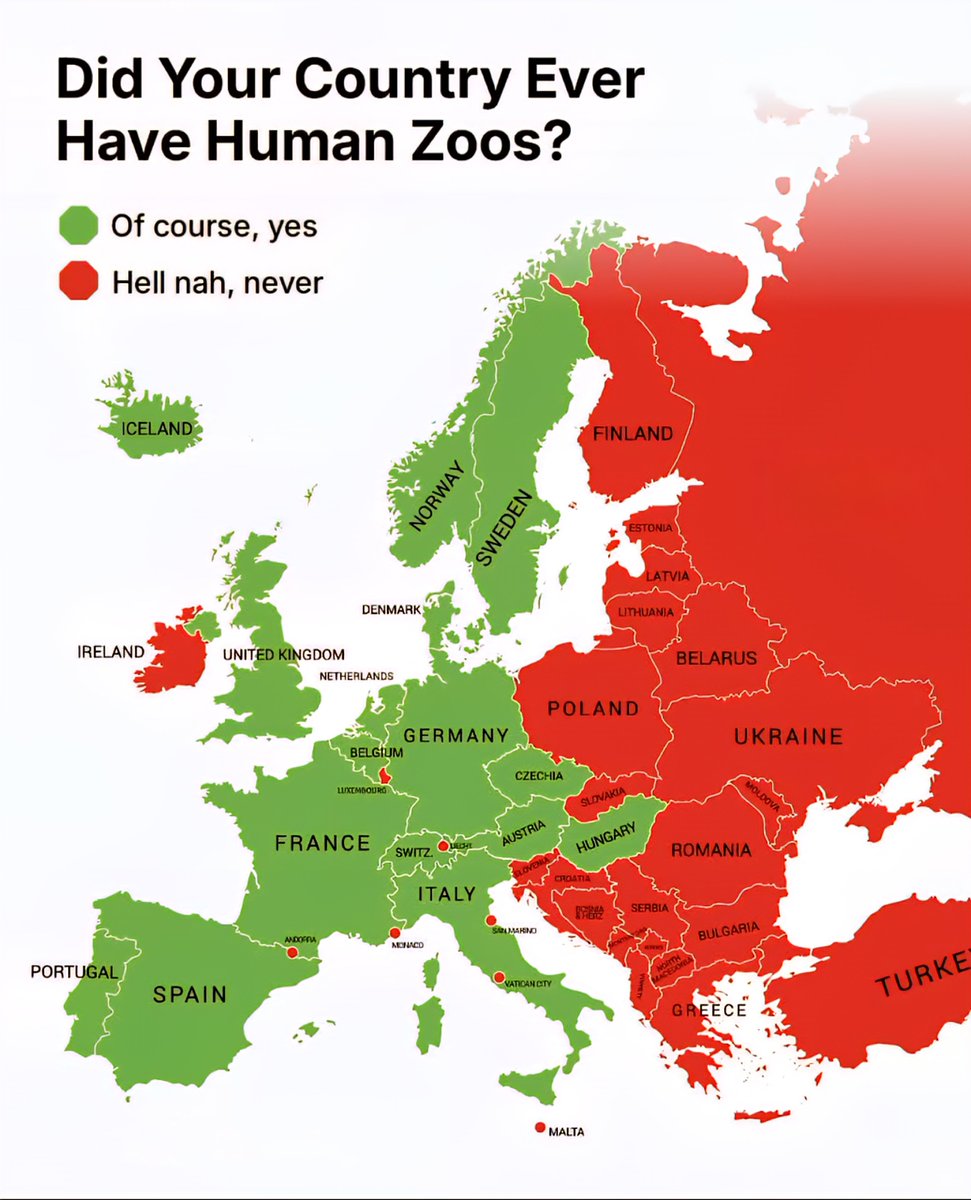
1. The Forgotten Chapters of Human Zoos in History
Many countries around the world, including the United States, Europe, and parts of Asia, once partook in the disturbing practice of displaying humans in zoos. These exhibits, known as “human zoos,” began in the late 19th century and persisted into the mid-20th century, showcasing indigenous peoples as curiosities for entertainment and supposed education. These displays often dehumanized entire cultures, reducing individuals to mere spectacles.
2. How Did Human Zoos Come to Be?
The emergence of human zoos was closely tied to colonialism and scientific racism. European nations, driven by a desire to exoticize and differentiate themselves from colonized peoples, facilitated these exhibits under the guise of anthropological research and cultural exchange. These displays played on stereotypes, portraying non-Western societies as primitive or barbaric to justify colonial dominance.
3. Notorious Examples Across the Globe
- Europe: France and Belgium were among the most prolific in hosting human zoos, with institutions like Paris’ Jardin d’Acclimatation displaying Congolese individuals and indigenous peoples from Africa and the Pacific.
- United States: The 1904 Louisiana Purchase Exposition, also known as the St. Louis World’s Fair, included “ethnological exhibits” that represented Native Americans and Pacific Islanders, often under demeaning circumstances.
- Latin America & Asia: Countries like Brazil and Japan also had their versions of these exhibits, showcasing indigenous populations and marginalized groups.
4. The Impact on the People Displayed
Many individuals forcibly taken or coerced into participating in these exhibitions faced profound psychological trauma, public humiliation, and loss of cultural identity. The dehumanizing nature of these displays often stripped people of their dignity, leading to long-term social stigmatization.
5. The Role of Media and Popular Support
During their time, these exhibits enjoyed a significant amount of media coverage and public support, reflecting prevalent racist ideas and a lack of awareness about the ethical implications. They were often seen as educational or entertaining, which is now widely condemned.
6. When Did These Practices End?
The decline of human zoos gained momentum in the aftermath of World War II, coinciding with evolving social attitudes and human rights awareness. By the 1960s, most countries had officially shut down these exhibitions, acknowledging the inherent cruelty and racism embedded within them.
7. Contemporary Reflection and Lessons Learned
Today, the existence of human zoos is recognized as a dark chapter in history. Museums, educators, and governments worldwide are working to acknowledge this painful legacy, emphasizing the importance of respecting human dignity and promoting cultural understanding. Many former exhibits have been documented and preserved as cautionary tales about racism and exploitation.
8. Growing Awareness and Apology Movements
There is an increasing push for reparations and official apologies from institutions and governments that once hosted human zoos. These movements aim to educate future generations about the dangers of racial discrimination and the importance of human rights.
9. Connecting the Past to Modern Issues
Understanding the history of human zoos is vital in recognizing ongoing issues of racial discrimination, cultural appropriation, and exploitation in contemporary society. It reminds us of the need to treat every individual with respect, dignity, and equality.
10. The Significance of Remembering This History
By acknowledging and studying these shameful chapters, societies can ensure that such atrocities are never repeated. Education and awareness help combat prejudice and promote a more inclusive, compassionate world.
Did Your Country Ever Have Human Zoos?
- 🟩 Yes
- 🟥 No, Never
Reflecting on this history urges us to confront uncomfortable truths from the past, shaping a more just and respectful future for all.
 ChatGPT
 Perplexity
 Gemini AI
 Grok AI