
Select Language:
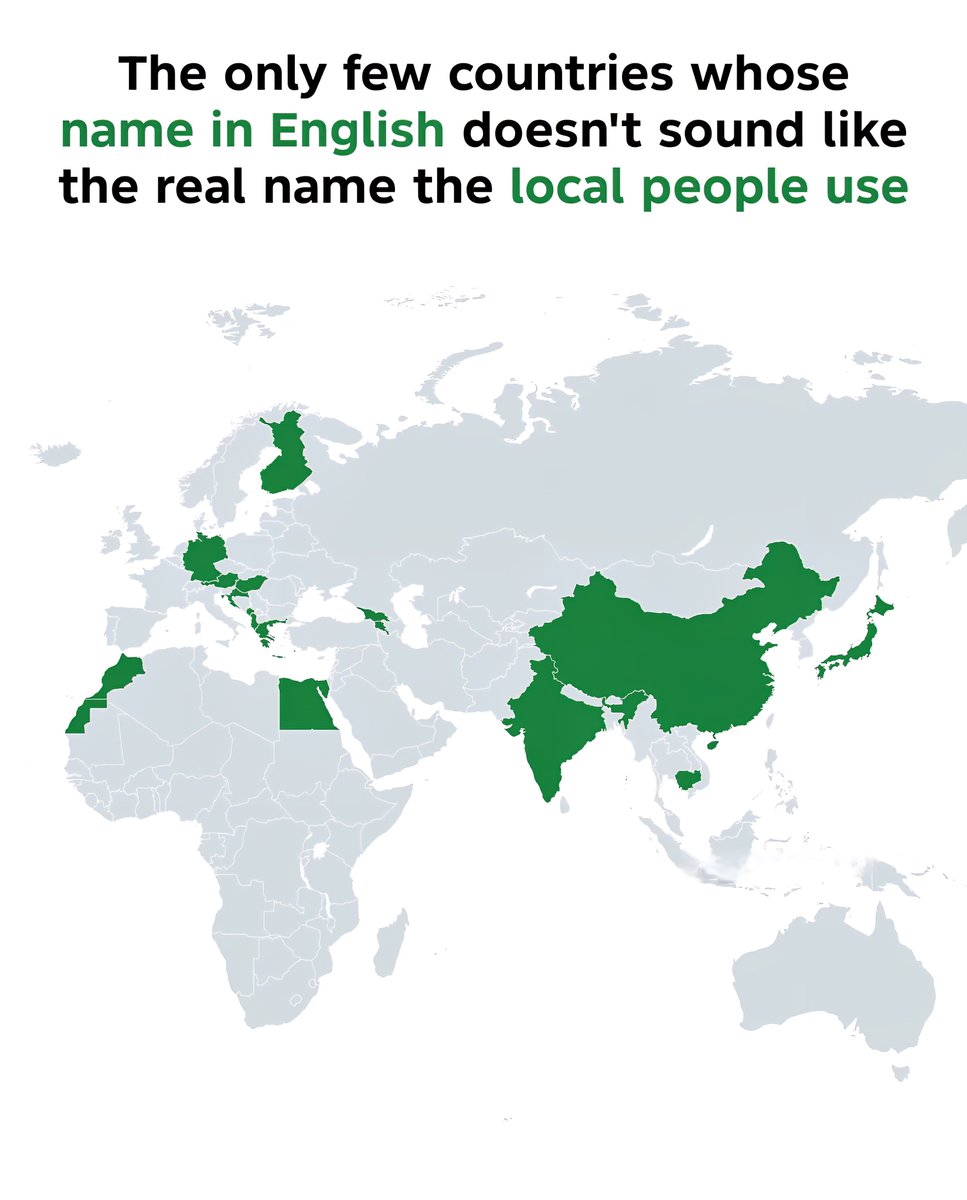
Uncovering Countries Whose English Names Don’t Match Local Names
1. The Curious Case of Thailand
Many travelers are surprised to learn that the official name of Thailand is Prathet Thai, which means “Land of the Free” in the Thai language. The country’s common English name, “Thailand,” is a straightforward transliteration, but it doesn’t fully capture the rich cultural roots embedded in its native name. Historically, Western maps and references have simplified the name for ease, but locals see themselves as living on Prathet Thai, emphasizing the nation’s pride in independence and cultural heritage.
2. The Mystique of Myanmar
Officially called the Union of Myanmar, the country was earlier known internationally as Burma. In Burmese, the country is called Myanma (or Myanma Naingngan when referring to the union). The name change, officially recognized in 1989, was part of national efforts to shed colonial-era names and reflect indigenous identity. Nonetheless, many Western countries still refer to it as Burma, making it a cultural and political point of contention.
3. The Enigma of Iran
While most Americans know the nation as Iran, the country’s official name in Persian is Islamic Republic of Iran. The term “Iran” derives from the ancient term Aryānām, meaning “Land of the Aryans.” Interestingly, the name “Iran” has been used internally for centuries, but it was adopted officially in the early 20th century. Although the international community often uses “Iran,” the local name emphasizes the country’s deep historical roots and Islamic identity.
4. The Naming of Cambodia
Though widely called Cambodia in English, the country’s official name is Kingdom of Cambodia, known locally as Preah Reach Achhear Thipdey Camboja. Over centuries, the country was referred to as “Kampuchea,” derived from the Khmer word Kampuchea, which is still used in official documents. The shift to “Cambodia” in the West reflects colonial influences and language adaptations, but the local name carries a profound sense of history and identity.
5. The Case of Papua New Guinea
The nation known globally as Papua New Guinea has both a common English name and stories behind its local names. The “Papua” part is believed to have been derived from a Malay word meaning “fuzzy hair,” describing the indigenous people’s appearance, while “New Guinea” was named due to its large landmass resembling the island of Guinea in West Africa. The indigenous groups have their own names for the island, which remain officially recognized in many local languages, highlighting the cultural diversity overshadowed by the common name.
6. The Unique Identity of North Korea and South Korea
Both Koreas have names rooted deeply in history and language. The official name of North Korea is Democratic People’s Republic of Korea, but locally they refer to themselves simply as Choson or Joseon, a historical name from Korea’s ancient kingdom. South Korea, officially the Republic of Korea, is called Daehan Minguk in Korean, meaning “Great Han Nation.” The dual naming reflects the complex history and lingering divides stemming from the Korean War, influencing how each country views its identity differently.
7. The Contrasting Names of the Philippines and the Philippines
The archipelago’s official name is the Republic of the Philippines. The country was named after King Philip II of Spain, reflecting its colonial past. Locally, the country is called Pilipinas, a name derived from the Spanish “Filipinas,” but with a pronunciation and spelling that resonate more closely with native languages. This blend demonstrates the colonial history intertwined with indigenous culture in shaping the country’s identity.
8. The Intriguing Name Variance of Saudi Arabia
Officially known as the Kingdom of Saudi Arabia, the country’s local name is Al-Mamlakah Al-‘Arabīyah As-Su‘ūdīyah. The name “Saudi” refers to the ruling Al Saud family, emphasizing the monarchy’s central role. The local name underlines the nation’s Arab heritage and Islamic foundations, contrasting with the somewhat generic “Saudi Arabia” used internationally.
9. The Hidden History of Eswatini
Previously called Swaziland, the small African nation officially changed its name in 2018 to Eswatini, which means “land of the Swazis” in the Swazi language. The name change was to reclaim indigenous heritage and reduce reliance on colonial-era names. While “Swaziland” remains familiar in Western contexts, locals and government officials emphasize the importance of the new name reflecting their cultural identity.
10. The Curious Naming of Vanuatu
Often mistakenly called “Vanatu,” the island country’s official name is Vanuatu, which means “Our land forever” in the local Bislama language. The name reflects unity and pride in indigenous culture. While English speakers sometimes mispronounce or misspell it, the correct pronunciation and spelling pay homage to the nation’s linguistic roots.
The names we use for countries often tell stories—stories of colonization, independence, cultural resilience, and identity. As the world continues to evolve, so do these names, emphasizing the importance of understanding local perspectives amid international perceptions.
 ChatGPT
 Perplexity
 Gemini AI
 Grok AI