
Select Language:
Controversial Map Sparks Debate Over the Most Disliked Countries in Each Continent
A recent viral map has ignited worldwide conversations by highlighting which countries are considered the least favored across different continents. While subjective perceptions often shape these opinions, the map emphasizes the complex and sometimes contentious nature of international relations and cultural biases. Here’s a closer look at the controversial picks and what they reveal about global sentiments in 2025.
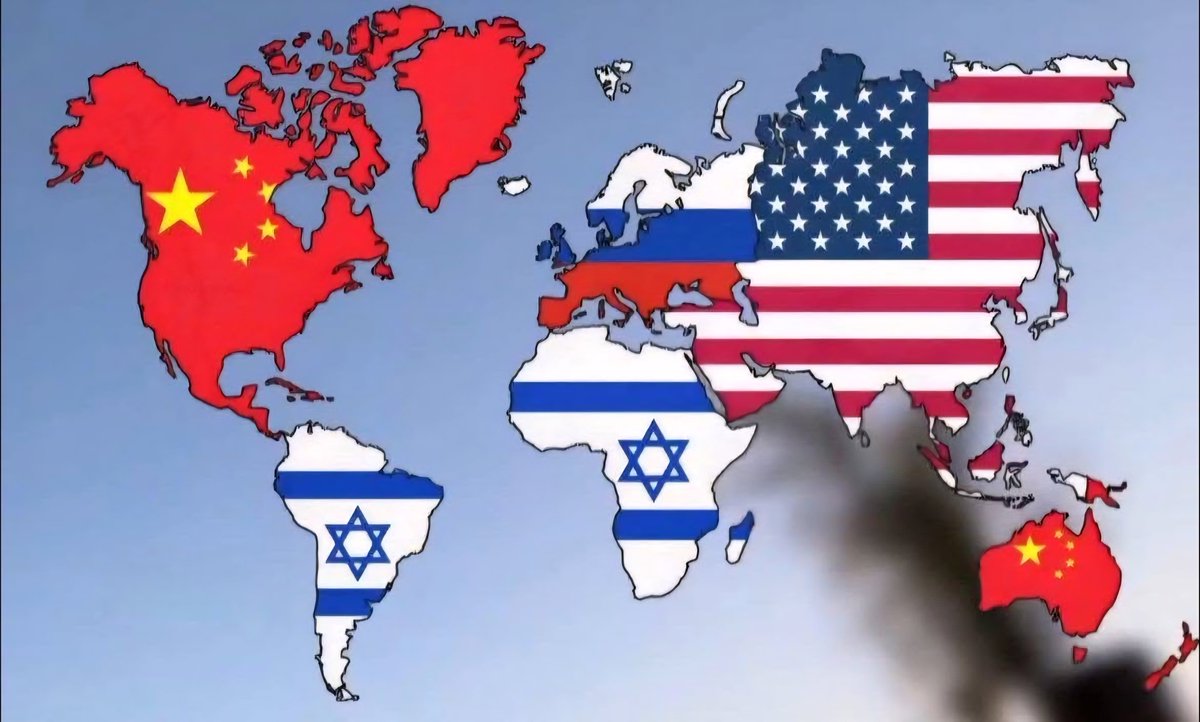
North America’s Least Liked Country: Mexico
Despite being a neighbor and trade partner, Mexico remains the most disliked country in North America according to this controversial map. This perception is influenced by longstanding stereotypes, immigration debates, and economic competition. Many Americans associate Mexico with issues like border security and drug trafficking, which contribute to negative sentiments. However, Mexico boasts vibrant culture, rich history, and friendly communities that often counteract these perceptions in reality.
South America’s Least Favorably Viewed: Venezuela
Venezuela holds a contentious reputation across South America. Political instability, economic challenges, and humanitarian crises have painted the country in a negative light. While Venezuela’s resilience and cultural heritage are admirable, the ongoing struggles and international sanctions cast a shadow over its image, which is reflected in global perceptions. The map underscores how crises can influence national favorability across borders.
Europe’s Most Disliked Country: Russia
In Europe, Russia appears on the radar as the least favored nation. Geopolitical tensions, especially since the Ukraine conflict, have deeply affected Russia’s reputation. Sanctions, military interventions, and political controversies contribute to widespread mistrust and criticism among neighboring countries and Western nations. This perception often overlooks Russia’s cultural contributions and its history as a cultural giant.
Africa’s Least Popular: Nigeria
Nigeria’s complex internal dynamics, including issues related to governance and security, influence its perception across Africa. Despite being Africa’s largest economy and a hub for cultural innovation, Nigeria faces challenges like corruption and unrest, which sometimes lead to negative stereotypes. Interestingly, Nigeria also boasts a vibrant entertainment industry and rapidly growing technology sectors that bolster its global image.
Asia’s Least Favorable Position: North Korea
North Korea continues to occupy a controversial spot as the least liked country in Asia. Its strict authoritarian regime, nuclear programs, and isolationist policies have fostered international suspicion and criticism. While most recognize North Korea’s unique culture and history, the country’s political stance keeps it at odds with much of the world, shaping negative perceptions across Asia.
Oceania’s Least Popular: Papua New Guinea
Papua New Guinea stands out as the least favored in Oceania, largely due to perceptions around infrastructure, health issues, and governance challenges. Nevertheless, the country is renowned for its rich indigenous cultures, diverse ecosystems, and stunning landscapes, which hold significant appeal beyond the stereotypes. The map’s portrayal invites reflection on how perceptions can often overshadow true diversity and beauty.
This map has sparked a global debate about the roots of national perceptions. While some factors are rooted in political conflicts and media portrayals, others result from stereotypes and misinformation. It’s crucial to approach such representations critically, recognizing that they don’t capture the full story behind each nation’s identity or its people’s resilience.
As 2025 unfolds, these perceptions could shift as international relations evolve and countries work towards enhancing their global images. Engaging with diverse cultures, fostering understanding, and challenging stereotypes remain vital steps in moving toward a more informed and empathetic global community.
Note: The perceptions depicted in this map are highly subjective and do not necessarily reflect the true or current sentiments of entire populations.
 ChatGPT
 Perplexity
 Gemini AI
 Grok AI