
Select Language:
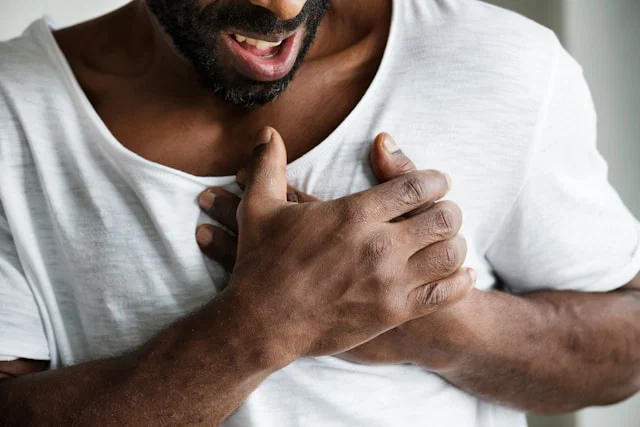
A heart attack can happen suddenly and without any warning. Picture yourself sitting alone at home when intense pain suddenly seizes your chest. The discomfort might radiate into your arm, shoulder, neck, jaw, back, or even your stomach. You may also experience shortness of breath, dizziness, sweating, weakness, or nausea. During these frightening moments, clear thinking is often difficult, but being prepared and knowing what steps to take can significantly improve your chances of survival.
Heart disease remains one of the top causes of death worldwide. Among its serious complications is a heart attack, which occurs when blood flow to part of the heart is blocked. Usually, this blockage is caused by a blood clot forming inside a narrowed artery. The heart muscle relies on a steady supply of oxygen-rich blood; when that flow is interrupted, the muscle starts to suffer damage quickly. If treatment is delayed, this damage can become permanent. Parts of the heart muscle may die, impairing the heart’s ability to pump blood effectively. This can lead to heart failure, dangerous arrhythmias, or even death. That’s why prompt action upon noticing symptoms is vital.
Many people associate heart attacks with severe chest pain, but symptoms can vary greatly. Some feel a crushing pressure or squeezing sensation at the center of the chest, while others may experience discomfort spreading to their arms, shoulders, neck, jaw, back, or upper stomach. Women, older adults, and individuals with diabetes might not experience classic symptoms—they may instead notice fatigue, nausea, dizziness, or shortness of breath. Because symptoms differ, it’s crucial not to ignore any unusual or concerning signs.
If you suspect a heart attack while alone, calling emergency services immediately is the most important step—don’t wait for symptoms to subside. Time is critical; emergency responders can start treatment en route to the hospital, which may limit heart damage. If you have a smartphone with voice command features, use it to call for help if moving is difficult.
If you have aspirin nearby and know it’s safe to take, chewing one tablet can help; aspirin reduces blood clot formation by inhibiting platelet aggregation. Chewing the tablet allows it to enter your bloodstream faster than swallowing whole. However, only take aspirin if you’re not allergic and your doctor has approved its use.
Stay as calm as possible while waiting for help. Anxiety and panic increase your heart rate and put extra strain on your heart. Sit upright comfortably, and loosen any tight clothing around your neck or chest to make breathing easier. Avoid trying to drive yourself to the hospital—your condition could worsen suddenly, rendering you unconscious or unable to control the vehicle, putting yourself and others at risk. It’s safer to wait for trained emergency personnel.
Experts also recommend not lying completely flat unless directed by medical professionals, as some find it hard to breathe in that position. Taking a hot bath or shower isn’t advisable either; heat can increase the heart’s workload and may worsen symptoms.
Medical professionals refer to the first sixty minutes after symptoms appear as the “golden hour.” During this critical time, rapid treatment can save heart function and prevent long-term damage. Modern interventions can often reopen blocked arteries quickly, restoring blood flow and minimizing cardiac injury. The sooner treatment begins, the better the chances of recovery and avoiding lasting complications.
Preparation plays a key role in emergencies. People at risk—those with high blood pressure, high cholesterol, diabetes, obesity, a family history of heart disease, or who smoke—should discuss their risk with their healthcare provider. Recognizing warning signs and knowing when to seek help can save valuable time. Keeping a charged phone nearby, knowing your home address, and having emergency contacts easily accessible are simple but effective safety measures. Some with known heart conditions might consider wearing a medical ID that provides emergency responders with essential information.
Being alone during a potential heart attack can be frightening, but quick, informed action can save your life. Calling for help immediately, maintaining composure, and avoiding risky mistakes can make all the difference. Understanding what to do ahead of time empowers you to respond confidently when every second counts.
For those concerned about heart health, recent studies show that herbal supplements could disrupt your heart rhythm and that eating eggs may reduce the risk of heart disease. Other research suggests that apple juice might benefit your heart, and consuming yogurt could lower mortality risks associated with heart conditions.
Copyright © 2026 Knowridge Science Report. All rights reserved.
 ChatGPT
 Perplexity
 Gemini AI
 Grok AI