Tag: Survival

  • PSA Test May Predict Who Survives Advanced Prostate Cancer

    PSA Test May Predict Who Survives Advanced Prostate Cancer

    Doctors frequently monitor prostate cancer with a blood test called prostate-specific antigen (PSA). When treatment is effective, PSA levels typically decrease, but clinicians need clear targets to determine if a patient is responding adequately. A recent extensive real-world study has revealed that a PSA level dropping below 0.2 nanograms per milliliter within nine months of starting treatment can be especially meaningful for men with prostate cancer that has spread beyond the prostate. Men whose PSA levels fell under this threshold experienced significantly better survival rates.

    The study was published online in CANCER, a peer-reviewed journal of the American Cancer Society. It analyzed health records from the U.S. Veterans Health Administration, involving 4,890 patients treated between 2018 and 2023. These individuals had metastatic hormone-sensitive prostate cancer, meaning the cancer had spread but still responded to therapies that suppress or block testosterone. Since testosterone can promote prostate cancer growth, standard care often involves androgen deprivation therapy, which significantly reduces male hormone levels or inhibits their effects on cancer cells. Many doctors also combine this with additional medications to better control the disease. Despite modern treatments, patient responses vary widely, making early indicators of treatment effectiveness particularly valuable.

    PSA is a protein produced by the prostate gland, including prostate cancer cells. A decline in PSA levels after treatment generally indicates a reduction in cancer activity, but there has been ongoing debate about which specific responses best predict long-term outcomes. Previous clinical trials suggested that reaching a PSA level below 0.2 ng/mL was strongly associated with improved survival. In practice, clinicians often consider the percentage decrease in PSA, such as a 90% reduction, as another marker of response.

    In this large observational study, researchers tracked patients over a median period of around two years, during which 896 patients passed away. The findings showed that the most significant predictor of improved survival was the PSA level actually achieved. Men whose PSA dropped below 0.2 ng/mL within nine months were 54% less likely to die compared to those whose PSA did not reach that level. Interestingly, the extent of the PSA decline—such as a reduction of 90%—did not provide the same prognostic information. Patients who experienced large percentage drops but still maintained PSA levels above 0.2 ng/mL did not show improved survival, implying that the final PSA target might be more crucial than the magnitude of decline along the way.

    The study also indicated that patients receiving a combination of testosterone-lowering therapy and additional drugs that further block testosterone were more likely to reach the very low PSA goal. This supports the trend toward more intensive combination treatments for suitable patients with metastatic prostate cancer.

    Dr. Stephen J. Freedland, a urology professor at Cedars-Sinai and a physician at Durham VA Medical Center, commented that these findings endorse aiming for a PSA level below 0.2 ng/mL as a treatment goal. Patients who do not reach this level might require closer monitoring or consideration of more aggressive treatment options.

    A significant strength of the research is that it examined a large number of patients receiving routine medical care, demonstrating that real-world results align with those seen in clinical trials. However, it’s important to recognize that these findings do not necessarily prove that lowering PSA below 0.2 ng/mL will automatically extend life for every individual. This was an observational study, and often, patients who reach very low PSA levels may have cancers that are inherently more sensitive to treatment.

    Ultimately, the evidence suggests that a PSA level below 0.2 ng/mL within nine months serves as a strong marker of both treatment effectiveness and positive prognosis. Future research should explore whether adjusting therapies early for patients who do not meet this target could actually improve survival rates.

    For patients and healthcare providers, this study offers a straightforward, practical benchmark. Achieving a very low PSA early on may identify individuals performing particularly well, while not reaching this goal could prompt a re-evaluation of the current treatment plan.

  • Critical Steps to Save Your Life During a Heart Attack

    Critical Steps to Save Your Life During a Heart Attack

    A heart attack can happen suddenly and without any warning. Picture yourself sitting alone at home when intense pain suddenly seizes your chest. The discomfort might radiate into your arm, shoulder, neck, jaw, back, or even your stomach. You may also experience shortness of breath, dizziness, sweating, weakness, or nausea. During these frightening moments, clear thinking is often difficult, but being prepared and knowing what steps to take can significantly improve your chances of survival.

    Heart disease remains one of the top causes of death worldwide. Among its serious complications is a heart attack, which occurs when blood flow to part of the heart is blocked. Usually, this blockage is caused by a blood clot forming inside a narrowed artery. The heart muscle relies on a steady supply of oxygen-rich blood; when that flow is interrupted, the muscle starts to suffer damage quickly. If treatment is delayed, this damage can become permanent. Parts of the heart muscle may die, impairing the heart’s ability to pump blood effectively. This can lead to heart failure, dangerous arrhythmias, or even death. That’s why prompt action upon noticing symptoms is vital.

    Many people associate heart attacks with severe chest pain, but symptoms can vary greatly. Some feel a crushing pressure or squeezing sensation at the center of the chest, while others may experience discomfort spreading to their arms, shoulders, neck, jaw, back, or upper stomach. Women, older adults, and individuals with diabetes might not experience classic symptoms—they may instead notice fatigue, nausea, dizziness, or shortness of breath. Because symptoms differ, it’s crucial not to ignore any unusual or concerning signs.

    If you suspect a heart attack while alone, calling emergency services immediately is the most important step—don’t wait for symptoms to subside. Time is critical; emergency responders can start treatment en route to the hospital, which may limit heart damage. If you have a smartphone with voice command features, use it to call for help if moving is difficult.

    If you have aspirin nearby and know it’s safe to take, chewing one tablet can help; aspirin reduces blood clot formation by inhibiting platelet aggregation. Chewing the tablet allows it to enter your bloodstream faster than swallowing whole. However, only take aspirin if you’re not allergic and your doctor has approved its use.

    Stay as calm as possible while waiting for help. Anxiety and panic increase your heart rate and put extra strain on your heart. Sit upright comfortably, and loosen any tight clothing around your neck or chest to make breathing easier. Avoid trying to drive yourself to the hospital—your condition could worsen suddenly, rendering you unconscious or unable to control the vehicle, putting yourself and others at risk. It’s safer to wait for trained emergency personnel.

    Experts also recommend not lying completely flat unless directed by medical professionals, as some find it hard to breathe in that position. Taking a hot bath or shower isn’t advisable either; heat can increase the heart’s workload and may worsen symptoms.

    Medical professionals refer to the first sixty minutes after symptoms appear as the “golden hour.” During this critical time, rapid treatment can save heart function and prevent long-term damage. Modern interventions can often reopen blocked arteries quickly, restoring blood flow and minimizing cardiac injury. The sooner treatment begins, the better the chances of recovery and avoiding lasting complications.

    Preparation plays a key role in emergencies. People at risk—those with high blood pressure, high cholesterol, diabetes, obesity, a family history of heart disease, or who smoke—should discuss their risk with their healthcare provider. Recognizing warning signs and knowing when to seek help can save valuable time. Keeping a charged phone nearby, knowing your home address, and having emergency contacts easily accessible are simple but effective safety measures. Some with known heart conditions might consider wearing a medical ID that provides emergency responders with essential information.

    Being alone during a potential heart attack can be frightening, but quick, informed action can save your life. Calling for help immediately, maintaining composure, and avoiding risky mistakes can make all the difference. Understanding what to do ahead of time empowers you to respond confidently when every second counts.

    For those concerned about heart health, recent studies show that herbal supplements could disrupt your heart rhythm and that eating eggs may reduce the risk of heart disease. Other research suggests that apple juice might benefit your heart, and consuming yogurt could lower mortality risks associated with heart conditions.

    Copyright © 2026 Knowridge Science Report. All rights reserved.

  • How a Massive Deep-Sea Creature Survives 5+ Years Without Food

    How a Massive Deep-Sea Creature Survives 5+ Years Without Food

    Deep beneath the ocean surface, where sunlight never penetrates and scarce food resources are common, resides an unusual giant crustacean known as the supergiant isopod. Resembling massive pill bugs encased in armor, these creatures have long captivated scientists due to their extraordinary ability to survive for over five years without food. This astonishing survival skill has remained a mystery for years.

    Supergiant isopods can reach impressive sizes, which typically requires substantial energy. So, how does such a large animal manage to thrive in one of the most food-deprived environments on Earth? A team of researchers from the Chinese Academy of Sciences’ Institute of Oceanology has uncovered the secrets behind their survival.

    Their findings indicate that these deep-sea dwellers utilize a sophisticated two-part survival mechanism. The first involves an enormous stomach, occupying approximately two-thirds of the animal’s body. Compared to related species that inhabit shallower waters, the deep-sea isopods’ stomachs are exceptionally large. During brief feeding opportunities, they consume as much as possible, filling their stomachs with a thick, mud-like mixture of partially digested food. This allows them to store nutrients and gradually utilize these reserves over extended periods.

    The second part of their survival strategy centers on energy conservation. Researchers discovered that giant isopods have an extremely low basal metabolic rate, meaning they use very little energy when at rest. By significantly slowing down their energy consumption, they can prolong their stored supplies for years. Additionally, scientists identified a unique genetic adaptation involving a gene called ND1, which appears to have originated from a symbiotic bacterium before integrating into the isopod’s genome.

    To understand the role of this gene, the team inserted it into zebrafish, tiny worms, and human cells. At normal temperatures, expressing the gene caused increased energy use, prompting these organisms to burn through their resources faster and becoming less resistant to starvation. However, under cooler conditions mimicking the deep sea, the gene had the opposite effect, reducing cellular energy metabolism and mitochondrial activity. Zebrafish with this gene survived about 37% longer without food than their normal counterparts.

    These results suggest that the ND1 gene helps deep-sea isopods fine-tune their metabolism to suit the cold, resource-scarce environment. Paired with their ability to hoard large amounts of food and drastically curtail energy expenditure, this genetic adaptation enables them to survive lengthy periods of starvation while maintaining their sizable bodies.

    This research offers profound insights into how life adapts to extreme environments and showcases an elegant biological solution: eat big when food is available and burn energy at the slowest rate possible during lean times.

  • Family of Everest miracle survivor calls for rescue investigation

    Family of Everest miracle survivor calls for rescue investigation

    The family of a Nepali climber who managed to crawl away from Mount Everest six days after being abandoned is demanding an investigation into rescue operations. Doctors reported Friday that he is in stable condition and recovering in a hospital.

    Dawa Sherpa, 57, disappeared in severe weather on the higher slopes of the world’s tallest peak early on May 30. His family believed he had died and even performed last rites.

    He was found crawling toward Base Camp Thursday morning by the Sagarmatha Pollution Control Committee (SPCC), a Nepali team responsible for route maintenance and waste cleanup on Everest. Sherpa, also known as “Hillary” after the legendary climber Edmund Hillary, was transported to Kathmandu for treatment of frostbite on his fingers, a fractured thigh, and severe dehydration.

    “His condition remains stable, and his dehydration has significantly improved,” said Jyotindra Sharma, director of HAMS Hospital in Kathmandu. “He endured extremely difficult conditions on Everest.”

    He added that Sherpa would stay in the ICU for a few more days for observation and ongoing care. His survival has been celebrated by his family, who also expressed frustration over what they described as rescue teams’ delayed response in locating him.

    His wife, Damu Sherpa, told AFP she was overwhelmed with happiness when she received a photo of him being flown to Kathmandu. “I don’t remember much about this past week — we believed he was gone, and had already begun funeral rites,” she said, waiting outside the ICU to see him. “Seeing those photos and recognizing him—that was a huge surprise. He was still wearing a cap I knitted for him.”

    Climbing season on Everest was nearing its end, resulting in fewer climbers on the summit. His family criticized the expedition company for allegedly delaying the deployment of search and rescue efforts.

    “We need an investigation into the company. They did not start the rescue quickly enough,” his wife claimed.

    Karma Gyalje Sherpa, a relative and guide himself, questioned whether a more urgent response would have been triggered if a wealthy foreign climber had been lost. “Surviving in those conditions without proper food for six days is nothing short of a miracle,” he told AFP. He expressed frustration, suspecting that foreigners might receive more prompt assistance.

    Rinji Sherpa, another climber from Dawa Sherpa’s village, described him as someone fully aware of mountain dangers who is committed to his clients. “He’s very loyal and responsible. He’s had close calls before, but he’s always managed to survive.”

    This season has already claimed at least five lives—two Indians and three Nepali climbers. More than 1,000 climbers summited Everest this year, making it the busiest season on record, according to initial official reports.

  • Where to Find Enhanced Fins in Subnautica 2 for Better Solving

    Where to Find Enhanced Fins in Subnautica 2 for Better Solving

    While it’s best to use your Tadpole as much as possible in Subnautica 2, there will be times when you’ll need to get out and swim, especially when using tools or reaching places your Tadpole can’t get to. Since you’re more exposed during these moments, upgrading your fins to the Improved Fins should be a top priority. Crafting this upgrade isn’t difficult, but first, you’ll need to scan specific fragments throughout the game to unlock the Fabricator recipe.

    All Improved Fins Scan Locations

    You need three scans of the Improved Fins to unlock the recipe. Luckily, several scans are located within about 100 meters of each other, making it easier to gather them all quickly. There are more scans out there if you’ve been exploring, but these locations are the easiest and closest for the fastest upgrade.

    Fragment Location Image Reference
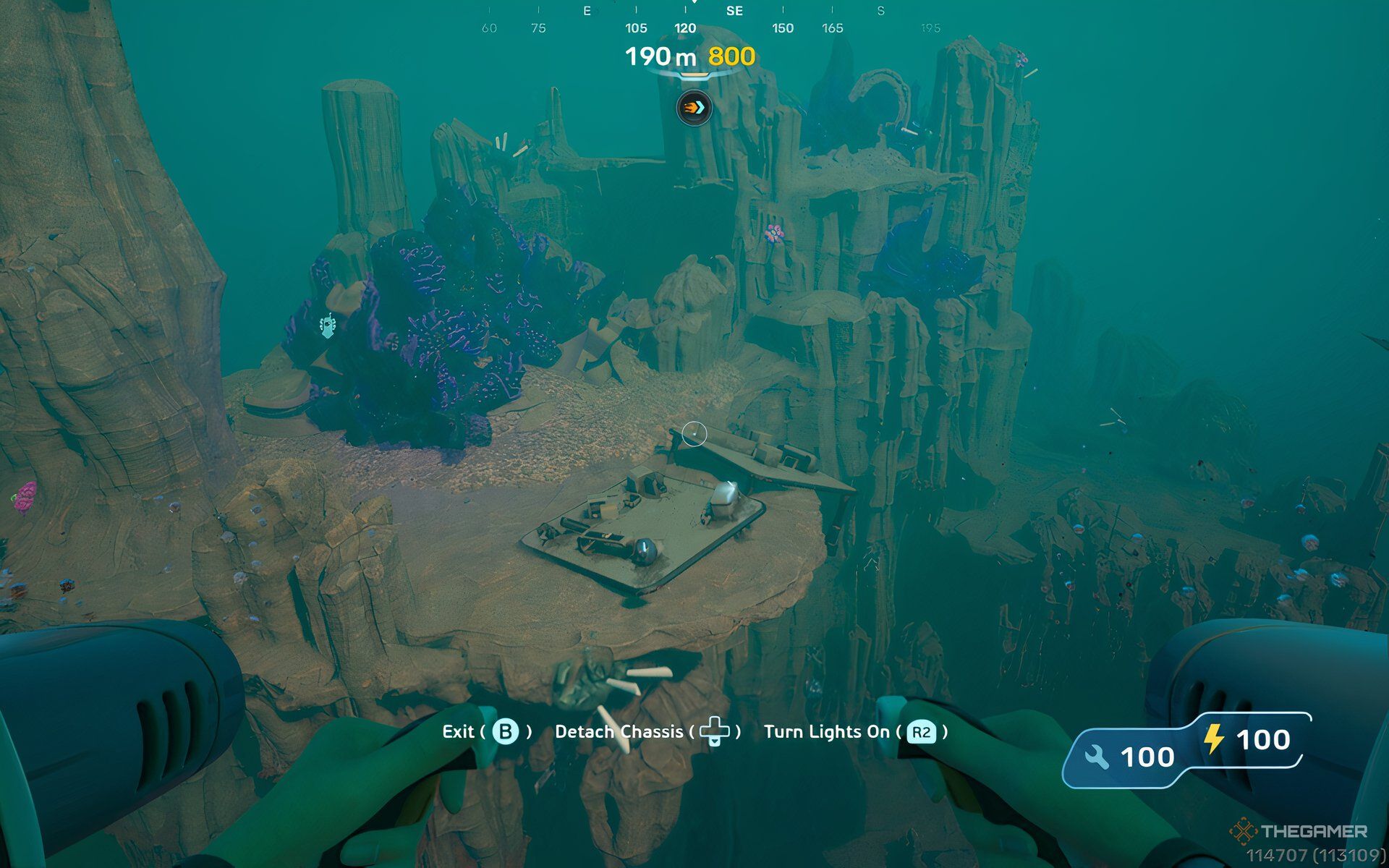
    1,300 meters east of the lifepod at around 160 meters deep. If you’ve unlocked the Alien Ruins signal, it’s part of an abandoned base. When you arrive at the Alien Ruins, look for a cable hanging off the side over a cliff leading to research tables. The fins are near those tables. Image
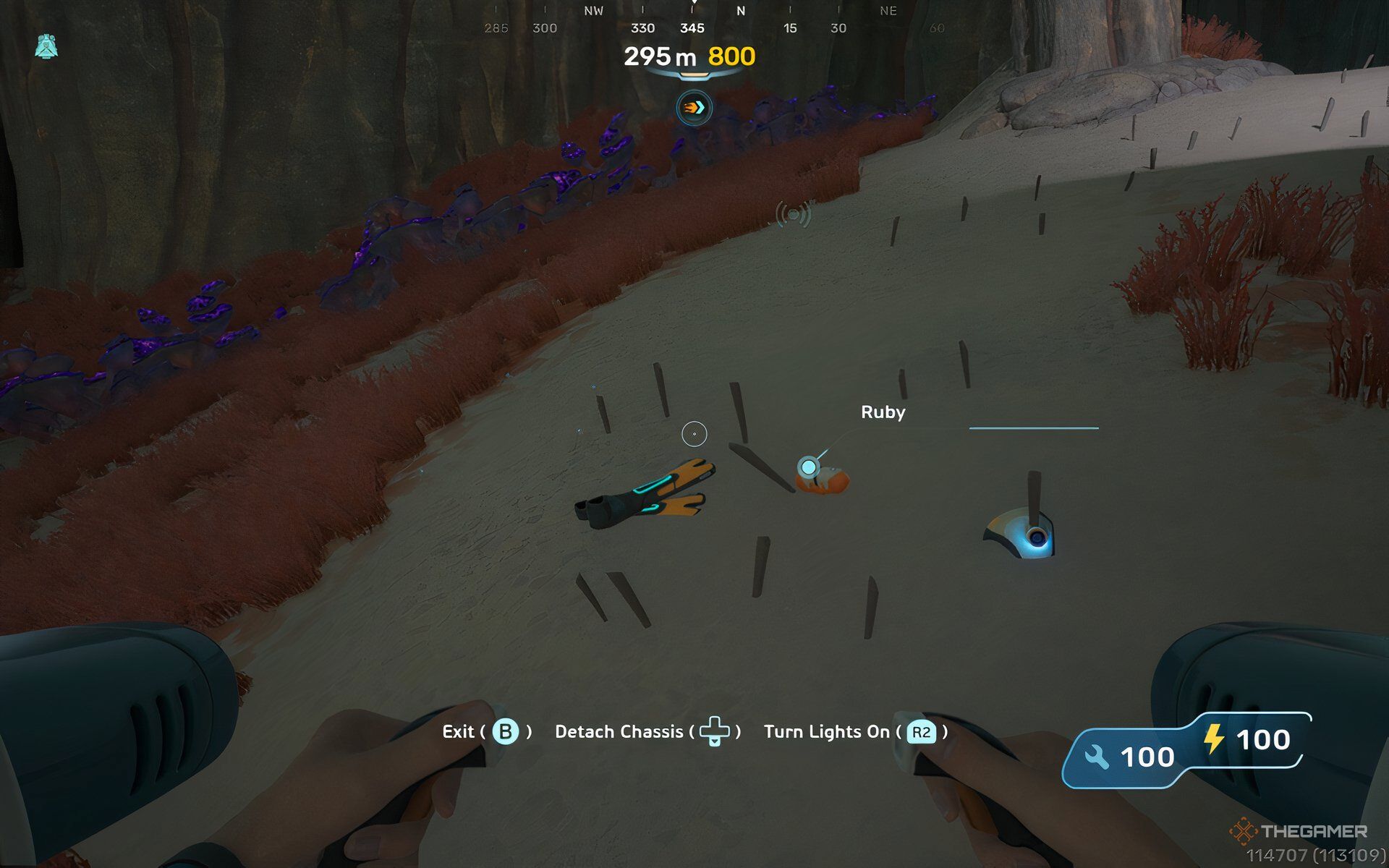
    1,416 meters east-southeast (104°) of the lifepod at 295 meters deep. If you’ve unlocked the Alien Ruins point, it’s under a rock structure with needles sticking out, visible south-southeast (160°) from the abandoned base. There’s an open cave here, where you’ll find the fins on the floor next to a rebreather and a Blackbox labeled “Ruby 2.” The game story guides you to this Blackbox, so it should be easy to find. Watch out for Needlers swimming around the area. Image
    1,360 meters east-southeast (100°) of the lifepod at 207 meters depth. This scan is directly above the second one. The fins are on a research table on top of the Needler nest, leaning against a storage container. Again, be cautious of Needlers. Image

    How To Craft Improved Fins

    Crafting the Improved Fins depends on your current resources. If you have the necessary materials, it’s a straightforward process, but if you’re missing some, you’ll need to gather more. To craft the fins, you need access to a Fabricator and a Processor for material creation.

    Recipe for Improved Fins:

    • 1 Basic Fins
    • 1 Fiber Mesh
    • 2 Conduit Crystals

    Basic Fins are early-game equipment you’ve likely already made. Fiber Mesh is created from Fiber, which can be found in various locations around the map. Conduit Crystals are harvested from the Power Plant in the Alien Ruins, a large dome-shaped structure past the Observatory Tower.

    Once you’ve collected all the ingredients, you can craft the Improved Fins at a Fabricator, which is fully functional. This upgrade is the best available for fins right now, though future updates might introduce new options, since Subnautica 2 is still in Early Access.

  • How to Obtain the Habitat Builder in Subnautica 2: Solving & Completing

    How to Obtain the Habitat Builder in Subnautica 2: Solving & Completing

    Living underwater in Subnautica 2 isn’t very fun unless you have a base of your own. To do that, you need to find fragments for the Habitat Builder. This tool is essential for starting to build your dream underwater base, with tunnels, hatches, and grow beds.

    In Subnautica 2, you get tools by finding their fragments scattered around the environment and scanning them. Doing this unlocks the crafting recipe at your Fabricator, allowing you to build the tools. Below is a list of all the Habitat Builder fragments we’ve located so far, including the two easiest to find.

    All Habitat Builder Fragment Locations

    Welcome Center

    This is the easiest fragment to find, as it’s located right next to the entrance of the Welcome Center—your first large landmark south of your lifepod. Inside this area, you’ll also unlock your first passive skills, like a dash move and a way to preserve oxygen while standing still.

    Underneath the Welcome Center

    Another Habitat Builder fragment can be found beneath the Welcome Center. You’ll find it in the room with the main terminal, just drop where the oxygen suit is, and you’ll see it stored inside a small container.

    How to Craft a Habitat Builder

    To craft a Habitat Builder, you need to use your Fabricator at the lifepod. The materials required are quartz, copper, and a basic battery. Quartz is located inside large coral domes, while copper can be found in caves and under rocky openings.

    You can also find a basic battery at some research stations scattered around or craft one yourself using acid. Once you craft the Habitat Builder, you’ll unlock blueprints for simple structures like a corridor and hatch. Use these blueprints to establish your first base on Proteus and install a new Fabricator for more advanced crafting options.

  • Research Shows Weight-Loss Surgery May Guard Kidneys and Save Lives

    Research Shows Weight-Loss Surgery May Guard Kidneys and Save Lives

    Scientists have found that weight-loss surgery may significantly improve the quality of life for people dealing with obesity and chronic kidney disease. New studies suggest these procedures can lower the risk of kidney failure, decrease the likelihood of heart attacks and strokes, and boost overall survival rates. These findings were shared at ASMBS2026, the annual scientific conference of the American Society for Metabolic and Bariatric Surgery. Researchers emphasize that these surgeries do more than just promote weight loss; they might also slow down the progression of serious chronic illnesses.

    Chronic kidney disease (CKD) is an escalating global health issue. It occurs when the kidneys gradually lose their ability to function properly over time. The kidneys are crucial for removing waste, balancing fluids, regulating blood pressure, and supporting overall health. When the kidneys sustain severe damage, waste builds up in the body, which can lead to life-threatening conditions requiring dialysis or a kidney transplant.

    Approximately one in seven adults in the U.S. has CKD, with high prevalence among individuals with obesity, diabetes, and hypertension. Excess weight stresses the body, increasing inflammation, worsening insulin resistance, elevating blood pressure, and forcing the kidneys to work harder. Over the years, this stress can cause permanent harm to the kidneys.

    While weight loss is known to improve many health issues, recent research indicates that metabolic and bariatric surgeries—such as sleeve gastrectomy and Roux-en-Y gastric bypass—may offer especially significant benefits for kidney health. These surgeries alter the digestive system, helping patients eat less and absorb nutrients differently. Many undergo substantial weight loss afterward and see improvements in conditions like diabetes, high blood pressure, and cholesterol.

    Researchers analyzed data from over 8,900 patients with obesity and CKD using the TriNetX Research Network, which gathers electronic health records from numerous hospitals. The study tracked patients from 2010 to 2020, comparing those who had weight-loss surgery with similar patients who did not, over a period of five years.

    The results were remarkable. Patients who had bariatric surgery were considerably less likely to develop end-stage kidney disease—the most severe form of kidney failure. Only around 6% of surgery patients progressed to kidney failure compared to nearly 12% of those who didn’t have surgery. Additionally, fewer surgery patients needed dialysis, a complex and time-consuming treatment that filters blood when kidneys no longer function properly; only 4.1% of surgery patients required dialysis versus 9% of non-surgery patients.

    The study also showed that individuals who underwent surgery were more than twice as likely to receive a kidney transplant, possibly because improved overall health made them better candidates for the procedure.

    Beyond kidney health, the benefits extended to cardiovascular health—surgery patients experienced significantly fewer heart attacks and strokes, with the risk dropping from nearly 28% among those without surgery to about 16% among surgical patients. Survival rates were also much better, with only 5% mortality among surgery recipients compared to 16% in non-surgical patients.

    Dr. Jerry Dang from Cleveland Clinic Lerner College of Medicine, lead researcher of the study, stated that bariatric surgery appears to alter the entire disease course of CKD. Early intervention may slow kidney damage, improve heart health, reduce the progression to kidney failure, and increase chances for transplant.

    Experts note that these positive outcomes are expected since weight-loss surgeries influence multiple bodily systems. They help control blood sugar, lower blood pressure, reduce inflammation, and boost metabolism—all factors that help protect the kidneys and blood vessels from long-term damage. Dr. Richard M. Peterson, president of ASMBS, praised the findings, describing the survival benefits as extraordinary. He highlighted that these procedures can preserve vital organ function and save lives, beyond just physical weight reduction.

    This research might encourage physicians to consider bariatric surgery sooner for patients with obesity and CKD. Historically, such surgeries were viewed as a last resort for extreme obesity; however, many now see them as a vital treatment for obesity-related chronic diseases.

    Nevertheless, experts caution that surgery is not a one-size-fits-all solution. It involves risks and requires ongoing lifestyle adjustments, medical follow-up, and nutritional monitoring. Patients must maintain healthy eating and regular physical activity to sustain the benefits long-term.

    The study has limitations, as it relied on real-world medical records rather than randomized clinical trials, so it cannot definitively establish that surgery alone caused all the observed improvements—other factors might have influenced the results. Still, the large sample size and consistent health improvements make these findings highly significant.

    Overall, this research adds to the growing evidence that treating obesity can prevent serious complications beyond weight issues. For those with obesity and CKD, early intervention might lead to fewer health problems, less dependence on dialysis, better heart health, and a higher chance of survival.

    For further reading, explore studies linking pesticide exposure to CKD, medications that could prevent kidney failure in diabetics, or dietary choices—such as certain vegetables—that may protect kidney health.

    All these insights were presented at the ASMBS2026 annual gathering. The study was conducted by researchers at Cleveland Clinic’s Lerner College of Medicine affiliated with Case Western Reserve University.

  • New Drug Offers Hope for Longer Pancreatic Cancer Survival

    New Drug Offers Hope for Longer Pancreatic Cancer Survival

    Credit: Unsplash+

    Pancreatic cancer is notoriously difficult to treat and has one of the lowest survival rates among all cancers. Many patients are diagnosed at advanced stages when the disease has already spread, making effective treatment challenging. For years, medical professionals have been searching for better options to help extend patient lives.

    Recent research from Northwestern Medicine, published in *Nature Medicine*, offers some promising developments. Scientists tested a new drug called elraglusib to determine if it could enhance survival rates when combined with standard chemotherapy.

    The study involved over 200 patients with advanced pancreatic cancer, who were randomly assigned to two groups. One group received the typical chemotherapy treatment, while the other received chemotherapy plus the experimental drug.

    The findings were encouraging. Patients treated with elraglusib lived longer than those who only received chemotherapy, with survival times extending by several months on average. For many, this additional time can be invaluable, allowing for more moments with loved ones.

    Additionally, the likelihood of surviving at least one year was significantly higher in the group receiving the new drug. Nearly half of these patients were still alive after a year, compared to about 20% in the standard treatment group. Some even reached two years of survival, which is uncommon for this cancer type.

    This drug is unique because it doesn’t attack cancer cells directly. Instead, it targets a protein in the body that promotes tumor growth and helps cancer evade the immune system. Blocking this protein could help the immune system better recognize and fight the tumor.

    Further analysis suggested that elraglusib might boost the number of immune cells within tumors, indicating it may help “activate” the immune system’s natural defenses against cancer.

    Like many cancer therapies, elraglusib can cause side effects such as fatigue and alterations in blood cell counts. However, medical teams reported these side effects were generally manageable.

    While these results are promising, experts emphasize this is just an initial step. Larger, more comprehensive studies are necessary to confirm the findings and ensure the drug’s safety for broader use. Researchers are also exploring potential combinations of this drug with other emerging treatments.

    Overall, this study demonstrates that innovative approaches in cancer therapy can make a meaningful difference, even with formidable diseases like pancreatic cancer. Though not a cure, it offers hope for improved outcomes and underscores the importance of ongoing research to build on these strides.

    If you’re interested in cancer-related topics, consider looking into studies suggesting that a low-carb diet could increase overall cancer risk or explore berries’ role in preventing cancer, diabetes, and obesity.

    For additional health insights, check out recent research on how drinking milk influences heart disease and cancer risks, along with findings indicating that vitamin D supplements might significantly lower cancer mortality.

    Source: Northwestern University.

  • Can Ozempic Aid Brain Metastasis in Cancer Patients?

    Can Ozempic Aid Brain Metastasis in Cancer Patients?

    Weight-loss injections, widely known for their role in helping people shed pounds, could also have the potential to extend the lives of some patients with advanced cancer that has metastasized to the brain, according to new research. These medications belong to a class called GLP-1 receptor agonists, which include drugs like Wegovy and Ozempic. Originally created to manage type 2 diabetes, they’ve garnered global attention in recent years due to their notable weight-loss effects.

    This recent study doesn’t claim these injections directly treat cancer, but suggests a more subtle benefit: they might help some seriously ill patients live longer. The research specifically investigates the impact on brain metastases, which occur when cancer cells travel from organs like the lungs, breasts, or skin to form tumors in the brain. This condition often indicates a late, more dangerous stage of cancer.

    Many individuals with brain metastases also have type 2 diabetes, complicating their condition. High blood sugar levels can trigger ongoing inflammation, damage blood vessels, and weaken the body’s ability to recover. In clinical practice, steroids are frequently prescribed to reduce brain swelling and manage symptoms, but they tend to raise blood sugar, complicating diabetes control.

    This has prompted researchers to consider whether GLP-1 receptor drugs could provide additional benefits beyond blood sugar regulation. Laboratory studies indicate these drugs may protect brain cells, lessen inflammation, and support healthy blood flow within the brain. However, real-world clinical data on how patients with both diabetes and brain metastases fare when taking these medications has been limited—until now.

    The new study, published in JAMA Network Open, utilized a large database of anonymized health records from 151 hospitals worldwide, focusing on adults with cancer, type 2 diabetes, and brain metastases, between 2018 and 2024. Researchers examined whether these patients had been prescribed GLP-1 drugs—such as semaglutide, dulaglutide, liraglutide, or tirzepatide—around the time their diagnoses were made.

    To ensure fair comparisons, patients treated with GLP-1 medications were matched with similar individuals who had not received them, considering factors like age, gender, type of cancer, other health conditions, and treatments including chemotherapy, radiation, and steroids. While no method is perfect, matching helps minimize bias and makes the results more reliable.

    Out of more than 19,000 patients analyzed, 866 had been treated with a GLP-1 drug, while over 11,000 had not. After pairing similar patients, the study focused on two groups of 850 individuals each, tracking survival over three years following the diagnosis of brain metastases.

    Results showed that those taking GLP-1 medications were significantly less likely to die during that period—about 37% less likely compared to those not on these drugs. This survival benefit was consistent across various cancer types, including lung, breast, and melanoma, and was observed across different drugs within the GLP-1 class.

    Further comparison with other recent diabetes treatments, like SGLT2 inhibitors and DPP-4 inhibitors, revealed that GLP-1 drugs still offered a survival advantage. This suggests that the benefit isn’t solely due to better blood sugar control but may involve specific actions of GLP-1 signaling.

    However, the researchers emphasized a key limitation: the study was retrospective, based on existing medical records rather than controlled clinical trials. To definitively establish cause and effect, randomized studies are necessary, where patients are assigned treatments in a controlled manner and followed prospectively.

    How might these medications help patients with brain metastases? One possibility is that they indirectly improve overall health by better managing diabetes—leading to weight loss, improved cardiovascular health, and enhanced ability to tolerate treatments. There could also be direct effects in the brain: GLP-1 receptors exist in brain tissue and are involved in controlling inflammation, protecting nerve cells, and maintaining the blood-brain barrier—a protective layer that blocks harmful substances from entering the brain.

    Animal studies support this idea, showing activation of GLP-1 receptors can reduce brain cell damage and support their proper functioning. This might make the brain more resilient against metastatic tumors or create an environment less conducive to cancer growth. The clinical findings align with these hypotheses, though the precise mechanisms remain to be fully understood.

    It’s important for patients and their families to recognize what this research means—and what it doesn’t. The study does not suggest that individuals with brain metastases should start GLP-1 drugs immediately, nor that these medications replace standard cancer treatments such as radiation, surgery, targeted therapies, or immunotherapy. The observed benefits were specific to people who already had type 2 diabetes, and these drugs can cause side effects like nausea and vomiting, with rare but serious risks.

    Those considering these medications should consult with their healthcare providers for personalized advice, rather than making decisions based solely on this recent research. Still, these findings open an exciting avenue for future studies exploring the link between metabolism, brain health, and cancer survival. If ongoing research confirms that GLP-1 drugs truly boost survival rates in patients with brain metastases and diabetes, they could eventually become part of supportive care approaches for this challenging complication.

  • Can Ozempic Aid in Treating Brain-Spread Cancer?

    Can Ozempic Aid in Treating Brain-Spread Cancer?

    Weight-loss injections that have gained popularity for their role in helping individuals shed pounds may also offer a glimmer of hope for some patients with advanced cancer, specifically those whose disease has spread to the brain, according to a recent study.

    These medications fall under the category of GLP-1 receptor agonists, including drugs like Wegovy and Ozempic. Originally designed to treat type 2 diabetes, they have captured international attention over recent years because many users report significant weight loss.

    The new research does not demonstrate that these injections directly combat cancer. Instead, it suggests a potentially important and more subtle benefit: they could help certain severely ill patients extend their lifespan.

    The focus of the study was on brain metastases, which occur when cancer cells migrate from other parts of the body—such as the lungs, breasts, or skin—and form tumors in the brain. Unfortunately, brain metastases are common and often indicate that cancer has reached a late and dangerous stage.

    Many patients in this situation also contend with type 2 diabetes. This comorbidity complicates treatment, as high blood sugar levels can cause chronic inflammation, damage blood vessels, and weaken the body’s ability to manage illness effectively.

    In clinical practice, steroids are frequently prescribed to help manage symptoms like brain swelling. While steroids are effective, they tend to raise blood sugar levels and can make diabetes more challenging to control. This has prompted researchers to explore whether GLP-1 drugs might offer additional benefits beyond blood sugar regulation.

    Laboratory studies suggest these drugs might protect brain cells, reduce inflammation, and help maintain healthy blood flow to the brain. However, until now, real-world clinical data on how patients with both diabetes and brain metastases fare when taking these medications has been limited.

    To address this, researchers examined a database of anonymized health records from 151 hospitals and healthcare systems worldwide, covering patients from 2018 to 2024. They focused on adults with three conditions: cancer, type 2 diabetes, and brain metastases. A key aspect of the study was identifying whether these patients had been prescribed a GLP-1 medication—like semaglutide, dulaglutide, liraglutide, or tirzepatide—around the time they were diagnosed with both diabetes and brain metastases.

    The team matched patients who received these medications with similar individuals who did not, controlling for variables such as age, gender, cancer type, other health conditions, and treatments like chemotherapy, radiation, or steroids. This reduces biases and allows for more reliable comparisons.

    In total, the analysis included over 19,000 patients with cancer, brain metastases, and type 2 diabetes. Among these, 866 had been treated with a GLP-1 drug, while more than 11,000 had not. After matching, the study compared two groups of 850 patients each, with comparable health profiles and cancer types.

    The patients were followed for up to three years after their brain metastases diagnosis. The primary question was straightforward: what proportion of each group died during this period?

    The findings indicated that patients on GLP-1 medications had a significantly lower risk of mortality compared to those not on these drugs. Overall, the group taking GLP-1 drugs was approximately 37% less likely to die over the three-year span.

    This trend was consistent across various major cancer types, including lung, breast, and melanoma. Interestingly, the improved survival was observed not only with GLP-1 drugs but also when compared with other modern diabetes medications like SGLT2 inhibitors and DPP-4 inhibitors. This suggests that there might be something specific about the action of GLP-1 signaling that confers a benefit, beyond just controlling blood sugar.

    However, the researchers emphasized that the study has limitations. Since it’s a retrospective analysis using medical records, it cannot establish causation. Randomized controlled trials, where patients are assigned to treatments and followed prospectively, are needed to confirm these findings.

    So how might GLP-1 drugs help patients whose cancer has spread to the brain? One possibility is that their benefits are indirect—improving diabetes management, reducing body weight, and supporting cardiovascular health could enable patients to better tolerate cancer treatments like surgery, radiation, or chemotherapy.

    Another intriguing possibility is that these drugs may exert more direct effects on the brain. GLP-1 receptors are present in brain tissue and are involved in regulating inflammation, protecting nerve cells, and maintaining the integrity of the blood–brain barrier—a protective layer that shields the brain from harmful substances. Animal studies suggest that activating these receptors can reduce brain cell damage and improve their function, potentially creating a less hospitable environment for metastatic tumors.

    Nevertheless, these mechanisms are still speculative in humans, and more research is necessary to clarify how GLP-1 drugs might influence brain metastases.

    For patients and families reading about this research, it’s vital to understand that these findings do not mean that individuals with brain metastases should start taking GLP-1 medications immediately or that these drugs can replace standard cancer treatments such as radiation, surgery, or immunotherapy. Currently, the evidence is preliminary, and any treatment decisions should be made in consultation with healthcare providers.

    It’s important to note that these drugs are primarily used for diabetes and weight loss in people who already have that condition. Like all medications, they can cause side effects, including nausea and vomiting, and rare but serious risks are associated with their use. Patients considering them should do so under the careful guidance of their medical team.

    If future clinical trials confirm the survival benefits observed, GLP-1 medications might become part of supportive care strategies for patients battling brain metastases and diabetes, opening up a promising new avenue of research intersecting metabolism and cancer treatment.

    For additional insights on weight loss and health, explore studies about potential dietary aids like oranges for obesity and berries for preventing cancer, diabetes, and obesity. Also, check out recent research on ginger’s role in weight management and green tea’s potential benefits for weight loss.

    Written by Justin Stebbing, published in The Conversation.

  • Where to Find Survival Directive Locations in Marathon Completing and Solving

    Where to Find Survival Directive Locations in Marathon Completing and Solving

    After playing a few rounds of Marathon, you’ll notice that the main gameplay involves entering certain maps and collecting as many items as you can. To make the game more interesting and encourage replayability, developers added different factions, each offering unique contracts for you to complete.

    One of these contracts is called Survival Directive, which is provided by the Nucal faction. To complete it, you need to find specific computers within the Station and Overflow areas and download the data from them.

    How to Download Geological Survey in Station

    You can complete the two parts of this quest in any order. One of these parts involves downloading geological data from a computer located in the southeastern building of the Station. The location can be tricky to identify because you don’t see the exact marker until you’re within ten meters of the computer.

    To locate this computer, enter the Station from the southeastern side where an orange platform leads into a small building. Inside, take the exit to your left, which will lead you to a black bridge. Cross this bridge to enter a building on the opposite side. Inside, you will find the monitor marked with a yellow indicator.

    Here’s an image showing the location in the Station.

    How to Find the Botany Report in Overflow

    Finding the botany report in Overflow is a bit easier if you approach it from the right entrance. Overflow is on the southwestern side of the perimeter map, and entering from that side makes things simpler. If you come from another direction, you can carefully make your way to the bottom right corner of the area.

    In this spot, you will see crates stacked next to a yellow and gray building with broken glass. Jump onto the crates and enter the building—this will easily lead you to the marked computer required for the quest.

    Here’s an image showing the location in Overflow.

    Tip: If the building’s glass isn’t already broken, you can use your weapon or melee to break it open.

    Once you’ve downloaded the data from both the Station and Overflow computers, you can choose to leave the area or get eliminated to complete the contract.

  • What To Do With the Severed Hand and Marie’s Doll in Resident Evil Requiem

    What To Do With the Severed Hand and Marie’s Doll in Resident Evil Requiem

    Resident Evil Requiem is full of puzzles and hidden secrets that players can discover as they journey through the Rhodes Care Center. From puzzle boxes and ornate keys to collectible raccoon statues, there’s plenty to find. The most complicated and secretive puzzle has finally been cracked.

    To complete this final challenge, you’ll need to play through the game at least twice. During your quest, you’ll perform various odd tasks in the care center to unlock a hidden challenge that awards you 20,000 CP. Here’s how to solve the final puzzle and what to do with the severed hand and doll found next to Emily’s cell.

    How to Solve the Final Puzzle

    First, credit goes to Kyro and Rantsycancy, who figured out the solution through data mining. If you want to attempt it yourself, note that it can be done on any difficulty, but you’ll need at least two playthroughs.

    Wait by the Grinder in Processor

    Once you reach the basement, get through the area until you restore power to the conveyor belt leading to the meat processor. Follow the conveyor but do not drain its blood. Instead, wait and let it fill with corpses for at least 15 minutes – I recommend using a timer. After 15 minutes, drain the blood and head over to where the conveyor and grinder are.

    Trigger the zombie crushing process, but do not kill any zombies manually. Instead, shoot their legs to stagger them gently. They need to fall into the grinder naturally; your goal is to slow them enough so they reach the grinder. Make sure to save your game beforehand, as this step can be tricky if you’re low on supplies.

    Flush the Toilet Eight Times

    Continue through the underground tunnels until you return to the care center. Do not exit with Emily. Instead, go to the West Wing Restroom. Open the second stall and flush the toilet eight times in a row. Count aloud to ensure you don’t miss the step since there’s no sound cue indicating completion.

    Get Marie’s Doll in Gideon’s Lab

    Proceed through the underground sections until you reach the laboratory where you search for the helicopter key. After the cutscene with Gideon and fighting some zombies, blow up the room’s giant blood tank to flood the area. At the base of the stairs on your left, you’ll find Marie’s Doll lying on the ground—refer to the pictured location. Pick it up and keep it in your inventory. During your playthrough, store the doll in the item box so you won’t lose it.

    Complete Playthrough #1

    Finish the game normally. No extra steps are needed during this run.

    Start New Game Plus

    Load a new game with the save where you stored Marie’s Doll. Difficulty doesn’t matter; choose whatever you like.

    Obtain and Analyze the Severed Hand

    During the second playthrough, after escaping the underground lab and reaching the elevator with Emily, grab the Severed Hand from the ground once you regain control of Grace. Take Emily to the Guard Room and set her down on the sofa for now.

    Head to the Blood Lab in the East Wing and use the Blood Analyzer to examine the Severed Hand. Complete the DNA sequence by selecting the three nodes in the middle from left to right, turning them red. This unlocks a “Let’s Play” screen.

    Bring Emily to the Puzzle Box

    Return to the Guard Room, pick up Marie’s Doll from your inventory, and hold onto Emily. Take Emily to the East Wing’s Lead Researcher’s Office, where the puzzle box is located.

    Input the code sequence while holding Emily and with the doll in your inventory:
    Sun, Sun, Star, Sun, Moon, Star, Sun, Moon, Sun, Moon, Star, Moon

    If entered correctly, you’ll hear a sinister laugh and see a message that reads, “Let the sweet pair hear the voice.” Completing this challenge awards you 20,000 CP, which you can spend on upgrades or bonus items in the game.

  • How to Collect Four Zombie Parts for Stuart in Quarantine Zone: The Final Step

    How to Collect Four Zombie Parts for Stuart in Quarantine Zone: The Final Step

    In Quarantine Zone: The Last Check, your main goal is to keep some of humanity alive after a deadly zombie outbreak. Most of your time will be spent checking people’s symptoms and managing resources at your base. Throughout the campaign, you’ll receive various quests that offer rewards once completed.

    One such quest is called Modern Prometheus. Its success depends heavily on luck, based on what survivors bring in their backpacks. Here’s how to complete this quest and what you earn for your efforts.

    This quest starts on Day 20. Early in your screenings, a survivor named Stuart will approach you. He’s carrying a severed zombie head, which normally would mean immediate execution. But Stuart begs for mercy, claiming he was conducting a mad experiment on a zombie and just needs a few more body parts to finish.

    Your first decision is whether to send Stuart to be executed for breaking the rules or to let him into the survivor camp. He shows no signs of infection or turning into a zombie during your watch. If you choose to kill him, the quest ends there.

    Your next step is to find and gather four zombie parts hidden in backpacks that survivors bring from outside the base. These parts show up on Day 21, so you’ll need to wait until then. Be cautious; it’s critical to prevent a zombie outbreak inside the survivor wing. If a new zombie bites someone, Stuart could be killed, ending your progress.

    When zombie parts appear, interact with the table to take them. Each limb costs $100, since you can’t remove them without a penalty. You can also choose to mark the survivor who brought the parts as infected and send them for liquidation, which is another rule violation. Keep in mind, organs obtained from lab procedures or carcasses from liquidation do not count toward this quest — only zombie parts from backpacks matter.

    Once zombie parts are collected, talk to Stuart at the survivor camp. He’ll need to work during the night on his experiment, allowing you to progress the next day. Make sure Stuart doesn’t leave with the rest of the survivors by pressing the S key when assigning survivors on Day 21. It’s best to keep only Stuart in the camp if he’s working that night, to ensure he stays focused.

    On Day 22, an alarm will sound, alerting you to zombies in the survivor camp. Quickly use your pistol to eliminate the undead threat. If any survivors were left nearby, they might be under attack during this chaos.

    After clearing out the zombies, you’ll discover Stuart’s experiment was successful but cost him his life. In his tent, you’ll find $500 and a black case, which contains a collectible. It’s a severed zombie head—gross but necessary if you’re aiming to collect everything in the game. Collecting this item marks the end of the Modern Prometheus quest, after which you can resume the survivor screening process.

  • Beginner Tips for Completing and Solving in Pathologic 3

    Beginner Tips for Completing and Solving in Pathologic 3

    Pathologic 3 is a challenging survival game set in a town overwhelmed by a deadly plague. You take on the role of Daniil Dankovsky, a doctor caught in a tense world filled with disease, chaos, and moral decisions. The game features a complex mood system, a time-travel mechanic, and tough resource management, making it easy to feel lost at first. Your tasks include diagnosing strange illnesses at the hospital, exploring riot-ravaged areas, and keeping your mental health in check—all at the same time.

    To succeed, understanding the key game systems is crucial. Whether you’re trying to manage your mood swings, figure out what to do first each day, or simply stay alive, these tips will help guide you through the chaos.

    Understanding Apathy and Mania

    A core part of the game is balancing Apathy and Mania. At the top of the screen, there’s a meter that shifts between the two states. The middle, neutral position is safest for your mental health.

    Your decisions and interactions influence your mood, causing this bar to shift toward either Apathy or Mania. These states have distinct effects:

    • Apathy: The more Apathy you accumulate, the slower Daniil walks. At high levels, movement slows dramatically. If the Apathy bar fills completely, Daniil may try to commit suicide. You can survive a quick-time event to stop it, but you’ll take damage and reduce your Apathy.
    • Mania: Increasing Mania makes Daniil move faster—at maximum Mania, he speeds through maps instantly. However, Mania drains your health over time; the higher your Mania, the faster your health decreases.

    Balancing these is vital. You can quickly raise Mania using objects that glow red or increase Apathy with items that are blue. Your mood naturally drifts toward Apathy over time, so it’s important to manage it proactively. Having enough healing items and tools related to altering your mood helps prevent risks.

    Sometimes, leveraging high Apathy or Mania is advantageous. For instance, taking Morphine boosts Apathy before tough conversations that might otherwise cause Daniil mental strain. Alternatively, high Mania allows rapid travel through dangerous zones without much damage.

    Warning: Be cautious in infected areas. Some entry points and narrow paths hide virus-spewers that can kill instantly if you dash through without caution.

    How to End a Day

    Day in Pathologic 3 ends at 2AM. After that, there’s little to do except talk to Eva at Stillwater. This conversation reveals story details and helps you practice time travel in future days. It also grants a significant boost of Amalgam, a key resource.

    Keep in mind, Eva only discusses things at the end of each day, so you can’t repeatedly farm Amalgam by resetting days. Starting from Day 2 in chronological order gives a clearer understanding of the story and unlocks more missions later on. It’s wise to avoid wasting resources on unnecessary checks and focus instead on progressing gradually.

    Use Your Concentration Mode

    Your Sight is invaluable for uncovering hidden clues and important locations. Active use of Concentration Mode helps identify vital items or characters shrouded within crowds. When an object turns green, it’s related to an active quest or can be interacted with—keep an eye on changes and revisit previous spots as they reveal new significance.

    Which Day to Begin With

    Although unlocking the game’s time travel feature makes it tempting to jump back to Day 1 or Day 5, starting from Day 2 is best. It introduces an important scene and helps you understand the story’s flow. Following the days in order ensures you see all the necessary events and complete smaller tasks that then unlock access to later quests. Play conservatively—waste fewer resources and explore thoughtfully.

    Managing Decrees and Duties

    As you progress, you will unlock decrees—rules that influence how the town’s resources and people’s moods are managed—and duties at the hospital. Dealing with these effectively from Day 3 onward can slow the town’s decline. You can also change decrees retroactively, giving you tools to curb the plague.

    One useful decree involves diagnosing patients accurately each day. Ensuring correct diagnoses helps reduce contagion and unrest, making it safer to move around later.

    Diagnosing Patients Correctly

    Don’t play the guessing game with illnesses. When you’re close to figuring out what a patient has, avoid blindly trying diagnoses. Instead:

    • Check all symptoms from dialogue, their portrait, and physical exams.
    • Use additional tests (like bodily samples) based on symptoms and affected body parts.
    • Gather outside information when needed, indicated by map markers and dialogue prompts.

    Following a logical, step-by-step diagnostic process saves resources and avoids unnecessary resets.

    Avoid Pointless Conversations

    Dialogue in Pathologic 3 can sometimes seem unimportant. Don’t get stuck aiming for perfect answers every time. Some conversations that seem to end in failure are actually crucial later. Sometimes, missing a specific reply early on isn’t a loss—these moments often set up key story developments down the line. Be flexible and accept some dialogues as part of the story’s puzzle.

    Handling Rioting Districts

    Even with a gun and bullets, it’s best not to rely heavily on shooting. Instead, boost Mania using drugs, water pumps, or mailboxes, then sprint through dangerous districts. When confronted by thugs, aim your gun (even if it’s unloaded) to make them raise their hands and scamper past. Save your bullets for emergencies when you can’t outrun threats.

    By running at high Mania, you can escape quickly without fighting. This approach minimizes resource use and keeps you safer.


    Keeping these tips in mind will help you navigate Pathologic 3’s tough and mysterious world more effectively. Staying balanced, exploring carefully, and managing your resources are key to surviving the ordeal and uncovering the town’s secrets.

  • Building a Cooked Chicken Farm in Minecraft: Completing and Solving

    Building a Cooked Chicken Farm in Minecraft: Completing and Solving

    The constant need to care for crops and animals in Minecraft can be a real hassle. You have to pause other activities to harvest, plant, breed, or slaughter animals to avoid starving. Wouldn’t it be great if you could keep yourself fed without always managing your farm?

    This fully automated chicken farm provides a steady supply of cooked chicken, so you don’t have to worry about running out of fuel or manually breeding and killing chickens. Here’s a complete guide on how to build an automatic chicken farm in Minecraft.

    Updated December 27, 2025, By Helen Ashcroft: In Minecraft 1.20, chickens’ interaction with lava sources has changed. We’ve adjusted this design to fit the new method for automatically cooking chicken. The materials are similar, but you’ll now need a cauldron and a stonecutter, which weren’t previously required.


    How Does an Automatic Chicken Farm Work?

    Chickens in Minecraft constantly lay eggs, which can be thrown to hatch more chickens. The farm works by providing a steady supply of chickens laying eggs. These eggs are directed into a dispenser that can be activated to “throw” them. When an egg is thrown, there’s a chance it will spawn a new chicken.

    This setup creates two sets of chickens. The second set grows to maturity and then glitches into a lava-filled compartment that both cooks and kills them, dropping cooked chicken directly into a chest. Since the chickens at the top lay eggs naturally, the farm is self-sustaining as long as the game is loaded. It can also be easily expanded if you want more chickens.


    Materials Needed

    Before starting, gather these items. Most are simple to find:

    Item Needed Notes
    1x Chest Requires 8 wood
    1x Dispenser Requires 7 cobblestone, 1 bow, 1 Redstone dust
    1x Stonecutter Requires 3 stone, 1 iron bar
    2x Hoppers Requires 5 iron bars, 1 chest each
    10x Glass Blocks Any color
    1x Lava Bucket Bucket needs 3 iron bars
    1x Redstone Dust Can be mined
    1x Redstone Comparator Requires 3 stone, 1 quartz, 3 redstone torches
    12x Building Blocks Solid blocks like stone or other non-wood
    4x Slabs Same as above
    Eggs and Seeds To lure and breed chickens

    Tip: Position your farm close to your base. Since the farm depends on chickens growing and laying eggs, it’s best to keep it loaded and nearby to maximize efficiency.


    Building the Automatic Cooked Chicken Farm

    Start by placing your collection chest. Attach a hopper to the back of it — crouch and face the back before placing. To check the hopper’s correct orientation, drop an item into it and see if it ends up in the chest.

    Next, put a stonecutter on top of the hopper. Hold shift while placing so it doesn’t open the hopper. The stonecutter is where chickens will die, and because it’s a half-block, items on top can be collected by the hopper underneath.

    Place a dispenser facing into the stonecutter. To do this, build a simple two-block-tall column of dirt behind where the dispenser will go, stand next to your chest, and place the dispenser against the dirt block — it should face toward you, dispensing onto the stonecutter.

    Add a second hopper pointing downward into the dispenser. You’ll need to place this from above, climbing on temporary blocks if necessary.

    Above the stonecutter, put a cauldron and fill it with lava using a lava bucket. This will cook your chickens once they die. Be sure the hopper feeds into the dispenser, not into the cauldron, to keep it working correctly.

    Surround the hopper with glass to keep chickens from escaping. You can also block in the sides of the lava cauldron for additional containment. Using slabs instead of full blocks makes the farm fireproof.

    Next, wire the redstone circuit:

    • Create a 2×4 platform of solid blocks behind the dispenser.
    • Place a comparator facing outward from behind the dispenser, with its dual nodes on the side nearest the dispenser.
    • Attach a repeater from the comparator, then another comparator facing away from the build.
    • Extend the circuit with redstone dust along the path, forming a 2×4 square area around the circuit.

    When an egg enters the hopper, it sends a signal that powers the dispenser to throw the egg. This process has a chance to spawn a new chicken, keeping the cycle going automatically.

    Initially, the circuit will be off. To activate it, empty the dispenser and click on the second comparator node (the one three blocks away from the dispenser) to turn the loop on. Now, every time an egg is thrown into the hopper, the dispenser fires, spawning chickens.

    Getting Chickens Into the Farm:

    You can lure chickens using seeds. Lead them into the hole by creating a staircase of temporary blocks or throwing eggs to spawn them directly. Use slabs on top of the glass to deepen the hole and prevent escape when chickens fall in.

    Keep chickens within the cage by surrounding the hopper with glass and blocking the sides of the lava compartment. You can also add a fence on top for extra safety, but slabs are fireproof and won’t require additional maintenance.


    Making the Farm Faster

    To increase productivity, expand the top hopper line into a chain of three hoppers feeding into the dispenser, running overhead the circuit. Extend glass and slabs along the entire length, allowing you to hold up to 96 chickens in the top section for maximum output. If cooked chicken begins to back up, reduce the number of chickens to avoid entity cramming issues that can block the system.

  • Where To Find Toilet Paper in Fallout 76 and How to Complete and Solve It

    Where To Find Toilet Paper in Fallout 76 and How to Complete and Solve It

    An apocalypse can drastically change how we value everyday items. One of those items is toilet paper, which we often take for granted in our daily lives.

    In the world of Fallout 76, toilet paper isn’t always a must-have, but it can be useful. It’s considered a junk item that players can scrap to obtain cloth. If you find yourself in a situation where you need cloth for a project, searching for toilet paper could become a unique quest.

    Where to Find Toilet Paper

    You can find toilet paper in almost any residential area in Fallout 76. Any building with a bathroom is a likely spot, as toilet paper is usually on or near the toilet.

    Locations with a higher concentration of toilet paper are scattered fairly evenly throughout Appalachia. However, the central part of the map, from north to south, tends to have more places to find it. These areas are your best options for locating toilet paper quickly.

    Name Location
    Red Rocket Mega Stop Northeast
    Van Lowe Taxidermy (Lewisburg) Center/South
    Whitespring Resort (Cabins) Center/East
    Big Al’s Tattoo Parlor Center/North
    Overseer’s Home Center
    Garrahan Estate Center/South

    You can fast travel to these locations on your map for convenience. However, exploring on foot and searching bathrooms in smaller areas along your route may help you gather more toilet paper.

  • How to Beat Hinako’s Parents in Silent Hill F: Completing and Solving

    How to Beat Hinako’s Parents in Silent Hill F: Completing and Solving

    A key aspect that makes survival horror games so frightening is the option to fight back, even if it’s not always the best choice. This sense of freedom increases the tension when managing resources and facing enemies. However, Silent Hill still tends to throw you into intense boss battles at just the right moments.

    In Silent Hill f, Hinako faces numerous fears. She is often looked down upon simply because she is a girl. Her own parents are the source of much of her suffering, representing how the world mistreats her through their actions. It makes sense that one of her final bosses is her own parents.

    Hinako’s parents are found in her home, which she sees as a prison. Her parents never leave the house, and she feels trapped there. To her, that house is hell. When she returns to the Shimizu Residence, her parents are waiting for her at the end.

    Her parents appear as a pair, inseparable in this twisted version of her home, just like in real life. You encounter them face-to-face after placing the Pine Emblem at the door at the end of the residence.

    To defeat her parents, focus on fighting one at a time. Her father looks like a big, slow enemy, with only slight variations in his moves. Her mother, however, is a distinct enemy who fights using knives. While individually manageable, fighting them together is much harder. Since her father is slow, it’s usually easier to concentrate on her mother, who is faster and can be separated from him more easily. Focusing on her makes it easier to avoid his attacks.

    When battling her mother, keep in mind that she has melee strikes and can throw her knife to hit from a distance. She also has a grab move that, if hit, will throw Hinako at the feet of her father. It’s crucial to dodge quickly here, or you risk being hit by her father afterward.

    Once her mother is defeated, her father becomes more aggressive, letting out roars that greatly reduce Hinako’s Sanity. His attacks are similar to those of his base form: wide tentacle swipes, slamming with his knife arm, and a tentacle grab — though the grab isn’t very damaging.

    You can win the fight even sooner by defeating her father first, which ends the battle immediately. Note that you cannot defeat her mother alone; you must take out her father first if you want to finish early.

    Defeating her father first also grants you the achievement or trophy called “Just Shut Up For Once, Dad.”