

Select Language:
As people age, their bodies go through various changes. Vision might weaken, joints may become stiffer, and hearing often diminishes. For many years, hearing loss was mainly viewed as a quality-of-life issue that hindered conversations. Now, scientists are beginning to see it from a different perspective.
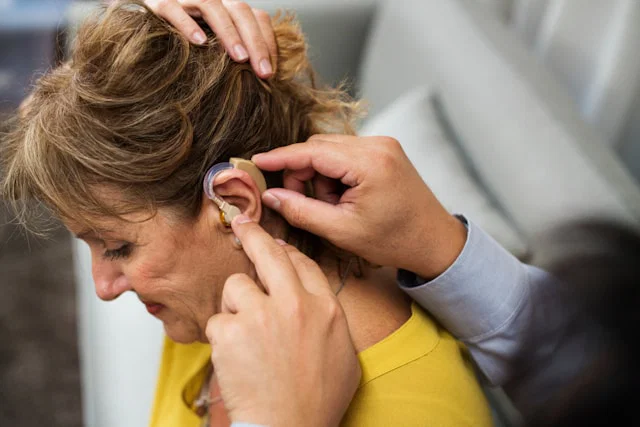
Research from the University of Hong Kong, along with an international team of scientists, indicates that hearing loss could be linked to brain health. Their study revealed that older adults with hearing loss who effectively used hearing aids were less likely to develop dementia compared to those who didn’t receive adequate hearing support.
Dementia affects millions of families worldwide, gradually impairing memory, reasoning, language, and daily functions. Since most types of dementia currently have no cure, prevention has become a top priority in modern medicine. Researchers have identified several risk factors that influence dementia development, some unchangeable like age and genetics, and others potentially modifiable, such as smoking, lack of physical activity, and hearing loss.
The 2024 Lancet Commission highlights hearing loss as one of the leading preventable risk factors, possibly accounting for around 7 percent of dementia cases globally. To delve deeper, scientists analyzed data from over 61,000 adults aged 55 and older who had hearing impairments. These participants were part of seven major aging studies conducted across 33 countries, including regions in Asia, Europe, North America, and Latin America.
Over an average follow-up of 6.5 years, the researchers observed who developed signs of probable dementia. Nearly 9,000 participants showed symptoms consistent with dementia during this time. The findings showed that those who used hearing aids had a lower risk of dementia than those who did not. Importantly, the benefit was closely tied to whether the hearing aids actually enhanced hearing ability.
Participants who reported noticeable hearing improvements experienced a 14 percent reduction in dementia risk. Conversely, individuals who felt their hearing aids didn’t improve their hearing didn’t see significant benefits. This underscores an essential point: purchasing a hearing aid is just the first step. Proper assessment, fitting, adjustments, and ongoing follow-up care are crucial for maximizing benefits.
Scientists propose several explanations for the connection between hearing and brain health. Hearing loss can make communication difficult, leading people to withdraw from conversations and social activities. This social isolation may diminish mental stimulation and increase the risk of cognitive decline. Another theory is that the brain works harder to interpret unclear sounds, which can drain mental resources needed for memory and thinking. Improving hearing might ease this cognitive load and support overall mental function.
The study also pointed out disparities in hearing aid access across different regions. In wealthier countries, roughly 20 percent of hearing-impaired individuals used hearing aids, whereas in middle-income countries, only about 2.5 percent did. This suggests many older adults worldwide aren’t receiving hearing support that could benefit their hearing and brain health.
Certain groups appeared to benefit more from hearing aid use. Women, unmarried individuals, and those with lower educational levels showed stronger links between hearing aid use and reduced risk of dementia. Researchers speculate these groups may face higher risks of social isolation or have less access to healthcare resources.
While these findings are promising, the researchers emphasize caution. The study does not prove that hearing aids directly prevent dementia; other health and lifestyle factors could also influence the results. Nonetheless, the evidence increasingly supports a close link between hearing health and cognitive function.
The study was published in Cell Reports Medicine. Future research aims to include more precise hearing assessments, objective measures of hearing aid usage, and greater participation from countries with fewer resources.
As populations continue to age, hearing healthcare may become an integral part of strategies for healthy aging. Instead of viewing hearing aids solely as tools for better speech, healthcare professionals may start to consider them as part of broader efforts to preserve cognitive health and independence later in life.
For those concerned about dementia, recent studies suggest that eating apples and drinking tea might help keep cognitive decline at bay, and that daily doses of olive oil could boost brain health. Other related topics include how your diet might influence dementia risk and how time-restricted eating can be a simple way to combat aging and cancer.
Source: University of Hong Kong.
 ChatGPT
 Perplexity
 Gemini AI
 Grok AI