

Select Language:
China’s foreign exchange reserves decreased in June, influenced by the appreciation of the US dollar, which impacted the valuation of dollar-denominated holdings. Despite this, the country’s reserves remained above the adequate threshold of $3.4 trillion for the third consecutive month, totaling $3.42 trillion as of June 30, down $26 billion from the previous month. During the first half of the year, reserves increased by $58.4 billion.
The primary reason for the June decline was the faster rise of the US Dollar Index compared to global financial asset prices, leading to a reduction in the total valuation of foreign reserves held in US dollars, according to financial analysts.
Supported by robust exports, China’s foreign exchange reserves continue to enjoy stability. Experts highlight that ongoing global demand for artificial intelligence and energy-related goods help sustain Chinese export growth. Additionally, China’s efforts to diversify its foreign trade markets provide a buffer against economic risks associated with reliance on a single economy.
China is also implementing more open financial policies to facilitate cross-border capital movement. For example, Shanghai is set to explore offshore yuan trading, making it easier for international institutions to acquire yuan assets, as announced by senior officials.
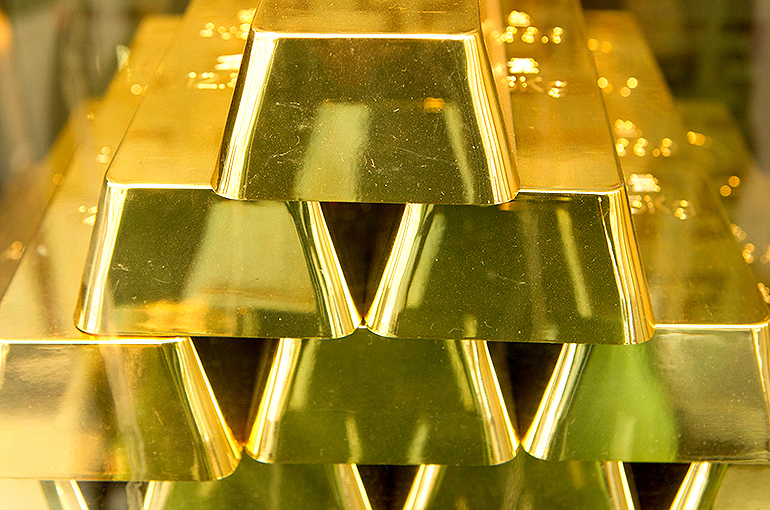
On the gold front, the country’s holdings saw an accelerated pace of growth amid a significant drop in international gold prices last month. The central bank continued its buying spree for the fourth consecutive month, expanding its gold reserves by 480,000 ounces to reach 75.44 million ounces by the end of June. Monthly increases included 40,000 ounces in January, 30,000 in February, 160,000 in March, 260,000 in April, and 320,000 in May.
The decline in gold prices in June—a 12 percent drop driven largely by expectations of Federal Reserve interest rate hikes—appears to have prompted increased gold purchases by the central bank. According to analysts, China’s gold reserves constitute about 9 percent of its total official reserve assets, which is lower than the approximately 27 percent held by central banks globally. This indicates substantial room for future growth in gold holdings.
 ChatGPT
 Perplexity
 Gemini AI
 Grok AI