
Select Language:
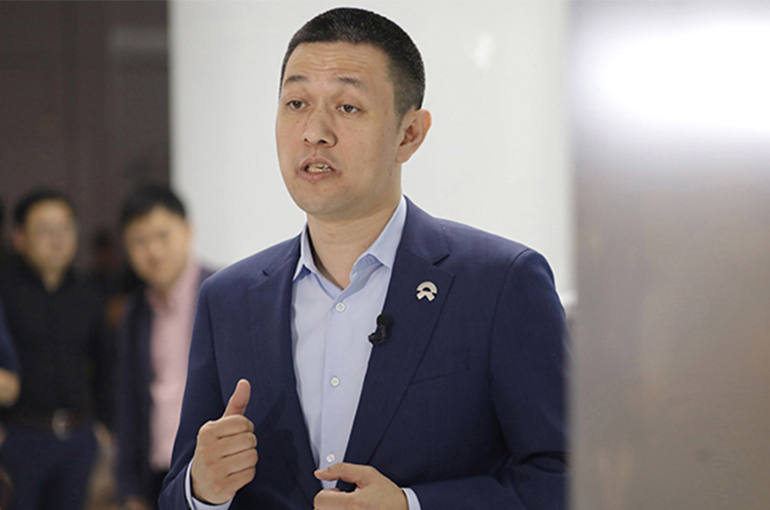
The Chinese automotive market has entered a harsh and competitive final phase this year, with retail vehicle sales projected to decrease by 15 to 20 percent compared to last year, according to the CEO of an electric vehicle startup.
China’s passenger vehicle ownership now exceeds 370 million, indicating the conclusion of a high-growth era and the beginning of intensified competition for existing customers. During the China Auto Chongqing Summit on June 13, he emphasized that automakers will face numerous challenges related to defining their product offerings, advancing core technologies, managing supply chains, manufacturing, sales, after-sales service, and brand development.
Auto sales in China sharply declined by 20 percent to 7.1 million units in the first five months of the year, compared to the same period last year, influenced by factors such as changes to the country’s new energy vehicle (NEV) purchase tax and soaring international oil prices, according to data from the China Passenger Car Association. The decline deepened to 23 percent in the first week of June.
As new energy vehicles become more uniform, simple comparative parameters will no longer provide competitive advantages. Instead, establishing a comprehensive, mature, and efficient development system will be crucial for automakers to stand out and build core barriers, the executive noted.
Sales of NEVs declined by 15 percent in the first five months to 3.7 million units, a smaller drop compared to traditional fuel-powered vehicles, which resulted in NEVs capturing a market share of 52 percent. This share further increased to nearly 67 percent in the first week of June, according to the China Passenger Car Association.
This year has been the most challenging since the company’s inception. Although sales continue to grow, the upcoming months are filled with uncertainties and market obstacles, he expressed during a media briefing on June 12.
The company’s deliveries, including vehicles from its Onvo and Firefly brands, increased by 69 percent to 150,526 units from January to May year-over-year. The firm has set a target to sell between 450,000 and 490,000 vehicles this year, representing a 40 to 50 percent increase over the previous year.
 ChatGPT
 Perplexity
 Gemini AI
 Grok AI