
Select Language:
Digital Phablet – King Charles will continue residing at Clarence House after the completion of Buckingham Palace’s extensive renovations.
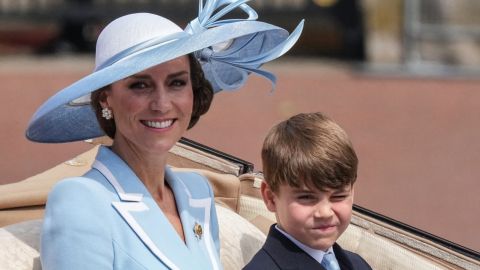 Prince Louis captivates attention as Kate Middleton laughs during Trooping the Colour
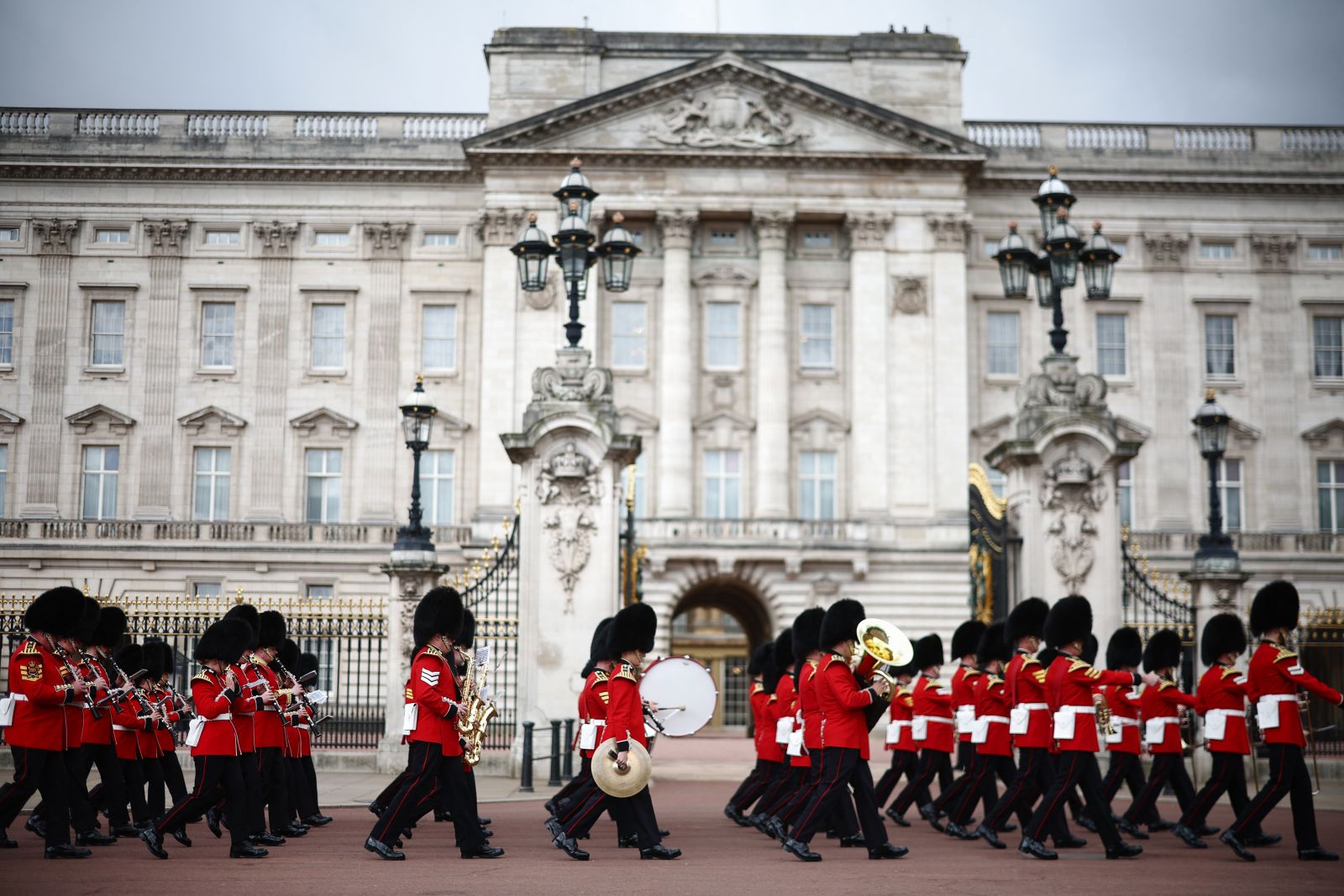
It was announced on Thursday that King Charles will no longer make Buckingham Palace his primary residence once its decade-long renovation is finished next year, ending nearly 200 years of the iconic London structure serving as the monarch’s main home.
In addition, officials disclosed that the king paid £12.9 million ($17.04 million) in taxes for 2024/25—the first time this amount has been publicly reported—placing him among Britain’s top 100 taxpayers.
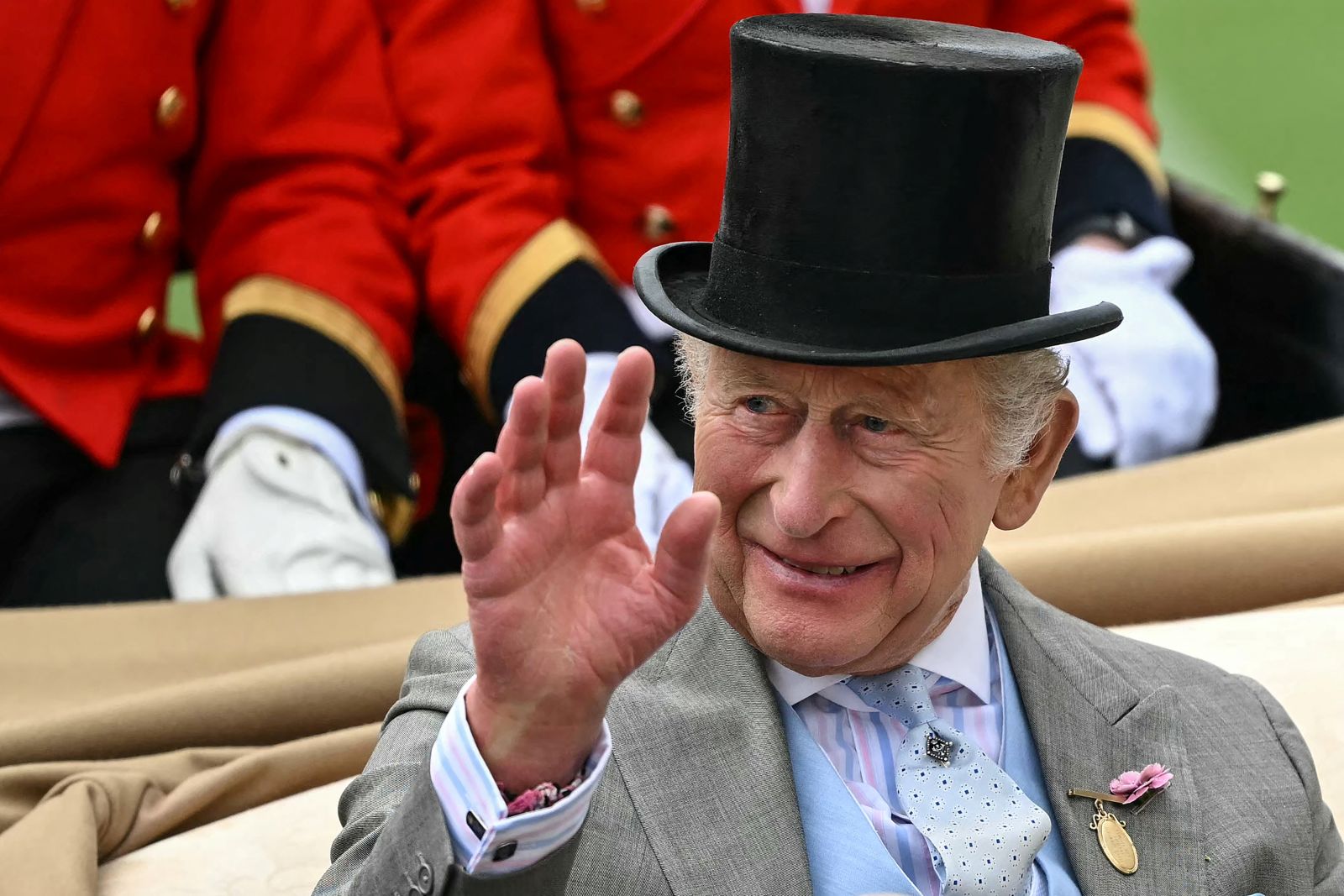
Members of the royal family have committed to greater financial openness amidst growing criticism following Queen Elizabeth’s death in 2022.
Despite this shift, the palace continues to serve as the official headquarters of the monarchy.
After the palace’s £369 million overhaul, Charles has chosen to remain at Clarence House, his longtime London residence. The renovation upgrade focuses on modernizing electrical wiring, plumbing, and heating systems.
Work on the palace began in 2017, with officials initially expecting it to remain the primary residence of the monarch, as it had been since Queen Victoria ascended to the throne in 1837.
James Chalmers, the treasurer and keeper of the privy purse for the king, confirmed that Buckingham Palace will continue to be used for ceremonial and official events, including hosting foreign dignitaries.
“It remains the monarchy’s headquarters and a national treasure, with the sovereign’s standard flying high whenever his majesty is in London,” he informed reporters.
Since 2019, neither Charles nor Queen Elizabeth have spent overnight stays at the castle. The king will retain private quarters for personal use.
Approximately 700,000 visitors tour the palace each year, and there are plans to increase public access, though specific details have not been disclosed, according to Chalmers.
King Charles has shared details about his tax contributions.
Although legally the British monarch isn’t obligated to pay income, capital gains, or inheritance taxes, Charles, like his mother after 1993, has chosen to do so voluntarily without revealing the amounts involved.
As has been customary since 1399, Charles receives a private income from the Duchy of Lancaster estate, valued at approximately £25.2 million in 2025/26, along with income from other properties and investments.
Chalmers reported that the king paid around £11.7 million in taxes for 2023/24 and over £30 million since ascending to the throne in 2022.
He also benefits from government funding known as the Sovereign Grant, designated to cover personnel, royal residences, and travel expenses. The allotment for 2026/27 is set at £137.9 million.
However, the grant will be reduced for the first time in 2027/28 to £100 million, in accordance with the monarch’s clear wishes, and is expected to stay at that level until 2031/32.
This amount is roughly £60 million more than the funding allocated in 2016, which was designated for the renovation of Buckingham Palace. Chalmers emphasized, “This isn’t an unrestricted budget,” adding that safeguards are in place to ensure financial responsibility.
Prince William, the heir apparent, paid about £7.76 million in taxes in 2024/25. Additionally, his office reported that he directed £1.5 million in rent from a former prison facility to support local community initiatives. Critics have accused William and Charles of profiting from rents charged to the military, healthcare, and educational institutions.
 ChatGPT
 Perplexity
 Gemini AI
 Grok AI