
Select Language:
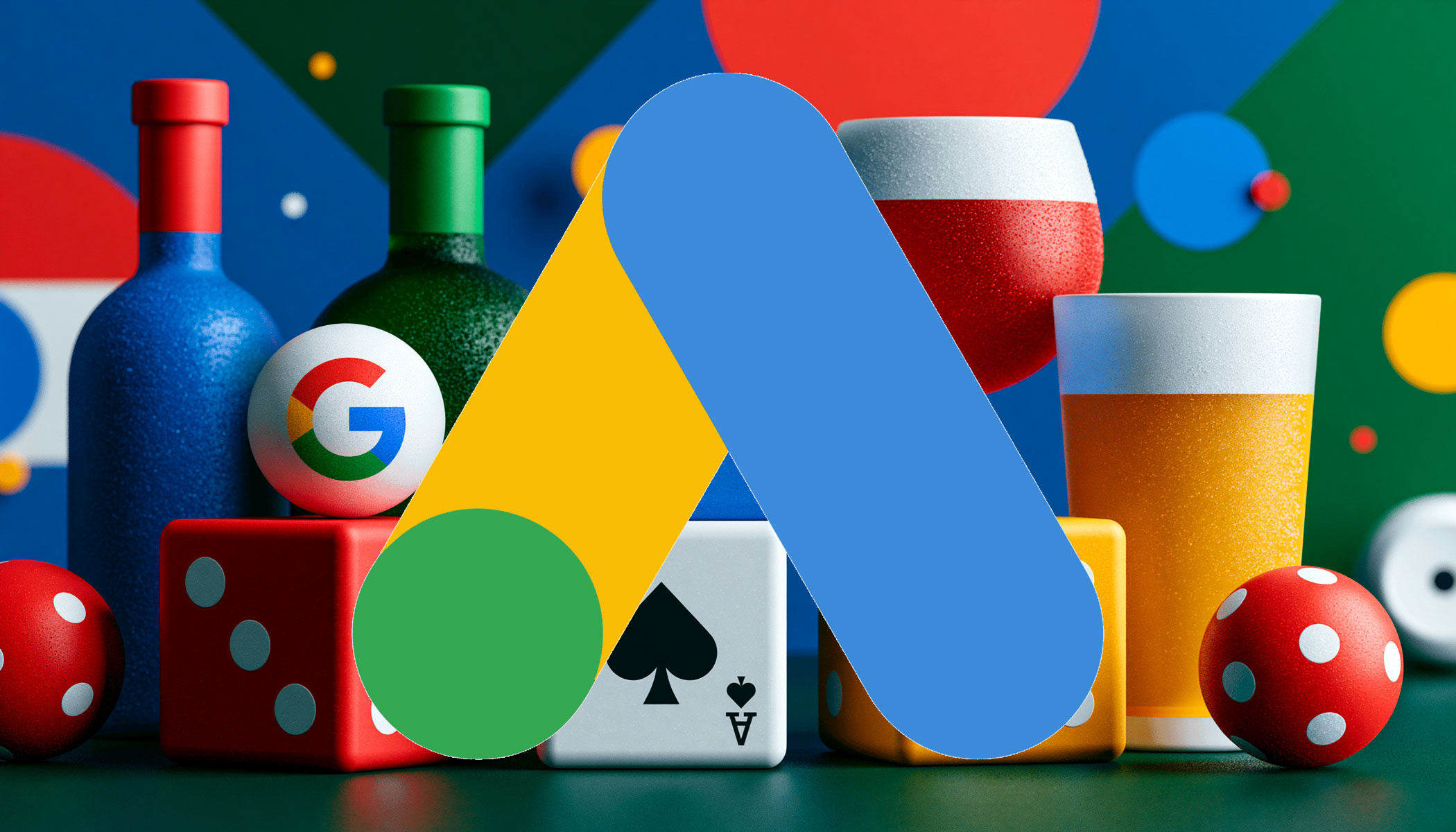
Google Ads has announced updates regarding its advertising policies. Specifically, the company has expanded its alcohol promotion regulations to include more geographic locations and has revised its gambling and gaming certification requirements to apply across all categories under this policy.
Regarding the alcohol policy, the platform states that starting July 28, 2026, it will broaden the regions where alcohol can be promoted for sale and informational purposes. Advertisers can now promote alcoholic beverages up to the legal maximum Alcohol by Volume (ABV) allowed in each permitted country, including beverages with 0% ABV. The new countries added to the list include Botswana, Burundi, Brazil, Cameroon, Congo Brazzaville, Croatia, DR Congo, Ecuador (less than 5%), Eswatini, Ethiopia, Finland, Gabon, Iceland (less than 2.25%), Ivory Coast, Jamaica, Kenya, Lesotho, Mozambique, Namibia, Rwanda, Serbia, Seychelles, Sierra Leone, Slovenia, South Korea, Tanzania, Vietnam (less than 5.5%), Zambia, and Zimbabwe.
On the gambling and gaming front, effective September 14, 2026, Google will extend the updated certification requirements introduced in March to all categories within this policy. Moving forward, any accounts wishing to run ads related to gambling or gaming must demonstrate adherence to good policy health. Specifically, Managed Client Center accounts (MCCs) with repeated violations—such as multiple online gambling certificate revocations or consistent violations flagged under MCC management—will lose eligibility to apply for new online gambling certifications and may have existing ones revoked.
Additionally, there are clear domain-related criteria for certification. Websites hosted on free subdomains will not be eligible, and the domain must be directly owned and controlled by the business applying for certification. Domains unrelated to gambling will also be considered ineligible for certification. These revised requirements are set to take effect on September 14, 2026, reinforcing the importance of adherence to these standards for advertising in these sensitive categories.
 ChatGPT
 Perplexity
 Gemini AI
 Grok AI