
Canadian Highlander is a distinctive format in the world of Magic: The Gathering. While it lacks official support from Wizards of the Coast, it stands out as the leading singleton format, second only to Commander.
If you enjoy the concept of a singleton format—where you can only include one of each non-basic land but prefer not to engage in the multiplayer dynamics of Commander—then Canadian Highlander could be a perfect fit for you. It’s a captivating format embraced by a passionate community.
What Is Canadian Highlander?
In Canadian Highlander, decks are made up of at least 100 cards, with no duplicates allowed—except for basic lands. The format is designed for one-on-one matches, and there are no sideboards.
While you can exceed 100 cards in your deck, it’s generally recommended to stick with the 100-card limit. Since sideboards aren’t a feature in Canadian Highlander, you cannot use companions in the companion role, although they can still be included in your main deck.
If a card allows for multiple copies, such as Persistent Petitioners or Hare Apparent, you are permitted to include several in your Canadian Highlander deck.
Canadian Highlander adheres to the same ban list as Vintage. Consequently, if a card is banned in Vintage, it will also be banned in Canadian Highlander. Unlike Vintage, which typically restricts cards instead of banning them, Canadian Highlander naturally enforces restrictions since only one copy of each card can be played.
In Canadian Highlander, cards are never banned based on their power level; only those banned across all Magic formats are excluded.
To maintain a balanced environment, Canadian Highlander employs a points system. Powerful cards are assigned a point value between 1 and 8. A player’s deck cannot exceed a total of ten points, and they may choose to exclude any cards on the points list.
Banlist And Points
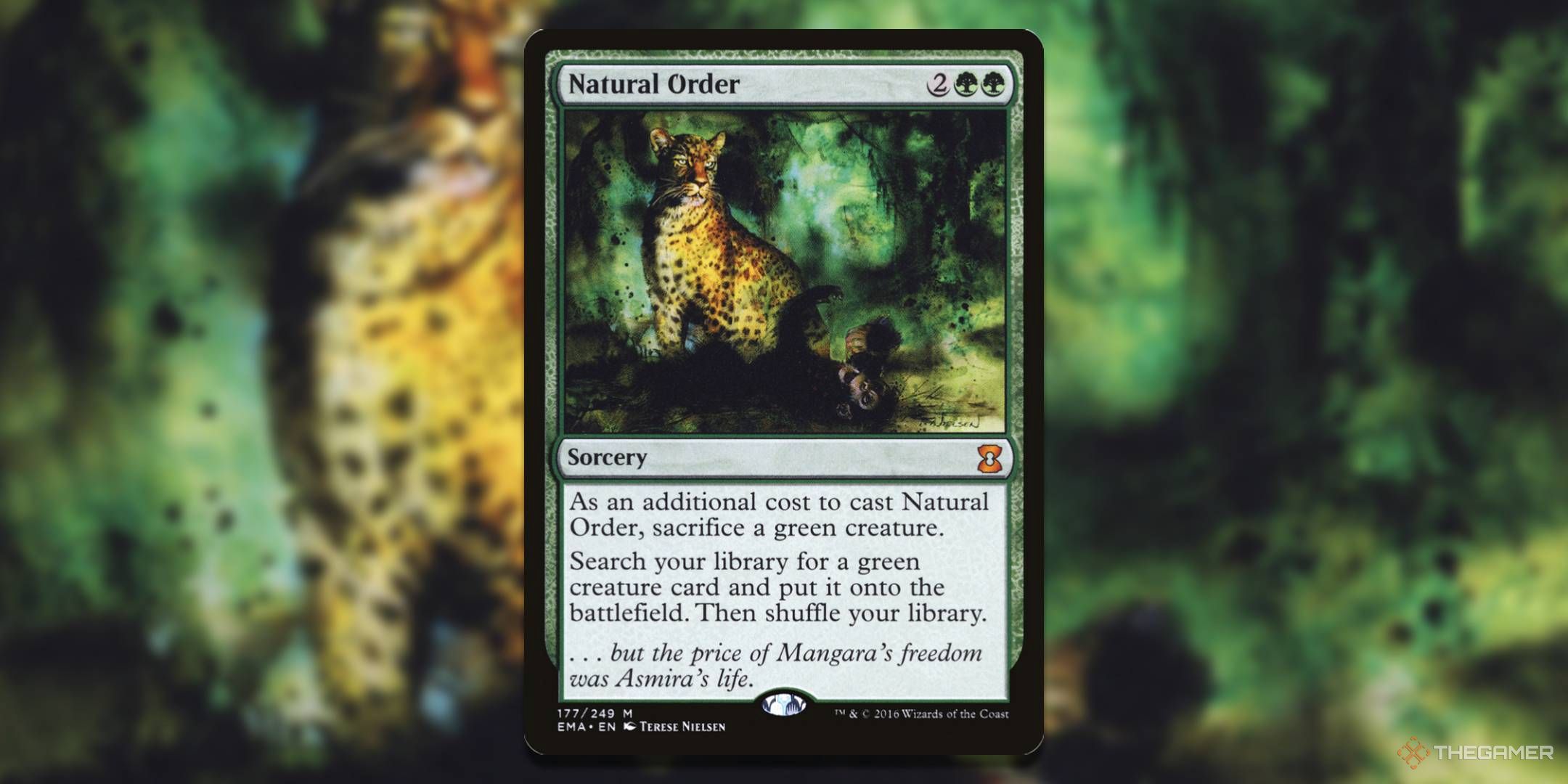
The points system is vital for keeping the format competitive. If a card becomes overly dominant, it will be added to the points list to make it harder to include alongside other strong cards. The cards deemed most powerful receive higher scores, while those with less impact get lower ones.
Here’s an overview of the Canadian Highlander points list:
|
Ancestral Recall: 8 Points |
Ancient Tomb: 1 Point |
Black Lotus: 7 Points |
|
Demonic Tutor: 3 Points |
Dig Through Time: 1 Point |
Flash: 7 Points |
|
Forth Eorlingas!: 1 Point |
Gifts Ungiven: 1 Point |
Imperial Seal: 1 Point |
|
Intuition: 1 Point |
Mana Crypt: 5 Points |
Mana Drain: 1 Point |
|
Mana Vault: 1 Point |
Minsc & Boo, Timeless Heroes: 1 Point |
Mox Emerald: 3 Points |
|
Mox Jet: 3 Points |
Mox Pearl: 3 Points |
Mox Ruby: 3 Points |
|
Mox Sapphire: 3 Points |
Mystical Tutor: 1 Point |
Natural Order: 1 Point |
|
Psychic Frog: 1 Point |
Reanimate: 1 Point |
Sol Ring: 3 Points |
|
Strip Mine: 1 Point |
Tainted Pact: 1 Point |
Thassa’s Oracle: 6 Points |
|
Time Vault: 7 Points |
Time Walk: 6 Points |
Tinker: 3 Points |
|
Tolarian Academy: 1 Point |
Treasure Cruise: 1 Point |
True-Name Nemesis: 1 Point |
|
Underworld Breach: 3 Points |
Urza’s Saga: 1 Point |
Vampiric Tutor: 2 Points |
|
White Plume Adventurer: 1 Point |
Wishclaw Talisman: 1 Point |
Wrenn and Six: 1 Point |
You can only accumulate a total of ten points. For instance, including Ancestral Recall in your deck (8 points) would disallow Mox Emerald (3 points) since that would exceed the limit. However, you could combine Ancestral Recall with Psychic Frog (1 point) and Treasure Cruise (1 point), totaling exactly ten points.
Alongside the point system, certain cards are entirely banned in Canadian Highlander:
|
Any cards that use the ante mechanic. |
Any card with the conspiracy card type. |
|
Cards banned for cultural insensitivity. |
Cards that utilize the sticker or attraction mechanic. |
|
Cards with silver borders/acorn symbols. |
Chaos Orb |
|
Falling Star |
Shahrazad |
How To Build A Canadian Highlander Deck
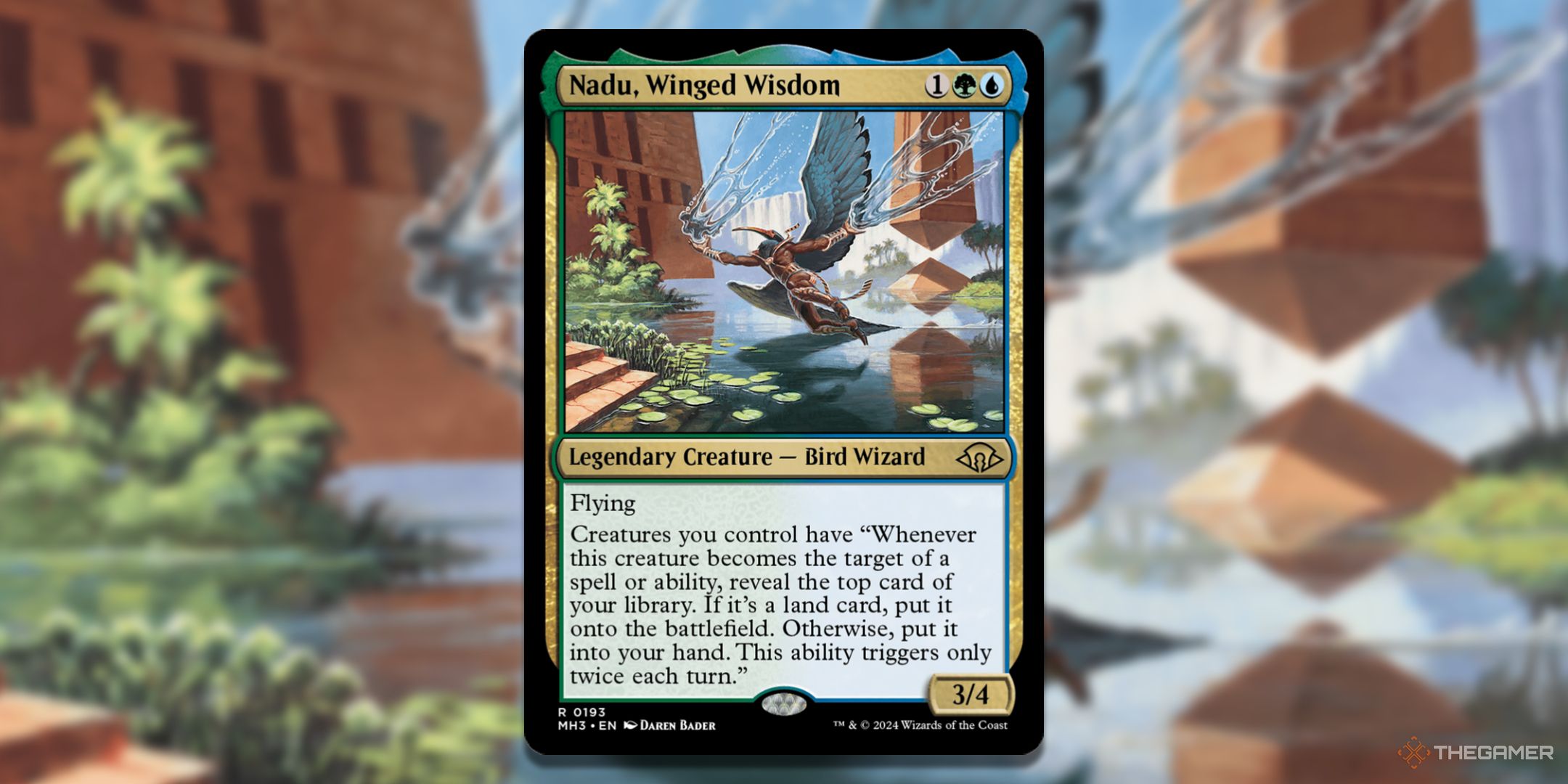
If you’re just starting with Canadian Highlander, it’s helpful to check out the Legacy format as a reference for building your deck. While Legacy allows four copies of each card, it shares a similar power level with Canadian Highlander, resulting in recognizable archetypes.
In addition to consulting Legacy archetypes, reviewing various historical builds can provide insightful guidance for selecting cards that fit a singleton format.
Also, it’s beneficial to look for decks that have seen success in Canadian Highlander, as understanding the current metagame can paint a clearer picture of what works well.
Unlike Commander, which often has a more social feel, Canadian Highlander is a competitive format. Therefore, crafting optimized decks is essential. While budget considerations may come into play, aim to build a deck that not only competes effectively but is also enjoyable for you.