التصنيف: التكنولوجيا المالية

  • China’s Central Bank Unveils Strategy to Enhance Monetary Policy & Regulation

    China’s Central Bank Unveils Strategy to Enhance Monetary Policy & Regulation

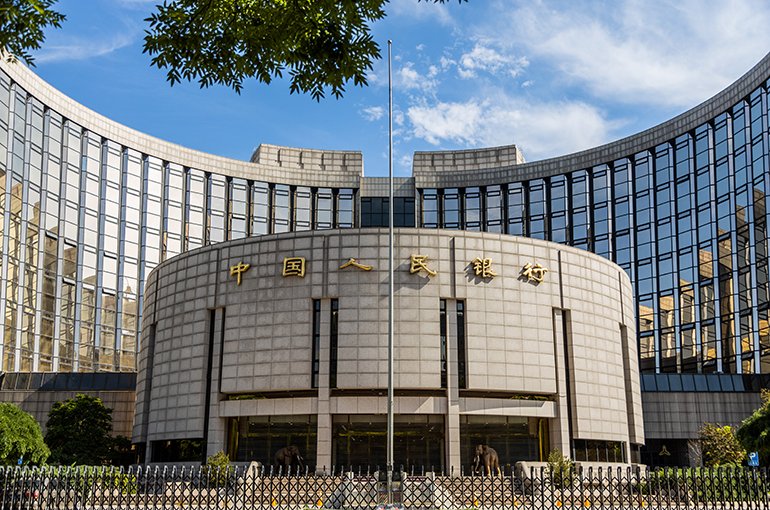
    The central bank has announced new reforms targeting monetary policy, financial markets, and international openness as part of the upcoming 15th Five-Year Plan (2026-2030). Priorities include enhancing monetary policy tools and strengthening macroprudential regulation.

    The plan details the creation of a comprehensive and stable monetary policy framework, alongside improved mechanisms for issuing base money. It also aims to better regulate and transmit market interest rates and ensure the Chinese yuan remains stable at a reasonable and balanced level.

    Additionally, efforts will be made to broaden the scope of macroprudential management, diversify tools available for financial oversight, and establish a monitoring and assessment system for macroprudential factors. Strengthening the financial stability system and systematically addressing financial risks in critical areas will be key goals.

    The reforms will focus on improving services to the real economy by developing a financial infrastructure that supports technological innovation. This includes fostering a vibrant bond market for tech companies, promoting green and low-carbon investments, and advancing inclusive finance and pension schemes.

    On the international front, the plan commits to enhancing cross-border financial infrastructure connectivity, increasing the yuan’s usage in global trade and investment, and developing a multi-layered, accessible cross-border payment system for the yuan.

    The strategy also calls for improvements in financial statistics, payment and treasury systems, and cash services. It emphasizes the continued development of the digital yuan, the promotion of a high-quality credit reporting industry, and tighter supervision of anti-money laundering activities.

  • China’s LOF Delistings Spark Selloff in Premium Funds

    China’s LOF Delistings Spark Selloff in Premium Funds

    Chinese commodity futures and overseas-investing listed open-ended funds with high premiums experienced significant declines today after two major mainland stock exchanges recommended delisting these funds due to concerns over trading risks. Industry experts estimate that over 120 funds, with combined on-exchange assets of approximately CNY 26 billion (around USD 3.9 billion), could be impacted.

    The Global Semiconductor Chip Industry Equity Securities Investment Fund, primarily focused on semiconductor and chip-related companies worldwide and traded as the Global Chip LOF, reached its daily limit down of 10 percent. Despite the decline, its premium remained at 18 percent. Similarly, the SDIC UBS Silver Futures Securities Investment Fund LOF, which tracks silver futures prices, dropped nearly 10 percent during the day, with its premium also staying above 18 percent.

    LOFs, or listed open-ended funds, in China have features of both open-ended and closed-ended funds. Investors can buy or sell shares based on net asset value or trade them on stock exchanges at prevailing market prices, which exposes them to potential losses if premiums narrow.

    Last Friday, the Shanghai and Shenzhen stock exchanges released draft proposals for public feedback, suggesting the termination of commodity futures LOFs and Qualified Domestic Institutional Investor (QDII) LOF listings after a transition period of at least one year. All affected funds would need to be delisted by December 31, 2027. Additionally, small LOFs with on-exchange net assets below CNY 10 million (approximately USD 1.5 million) for 60 consecutive trading days would face mandatory delisting.

    High Premiums Highlight Risks for LOFs

    Since their inception in 2004, LOFs have contributed to diversifying publicly available fund products and expanding investment options for individual investors. However, certain structural issues with the LOF model have become apparent over time.

    Some LOFs, especially those related to commodity futures and QDII funds, carry elevated risks due to high secondary-market premiums, according to industry insiders. Restrictions on opening new positions on futures exchanges and limited foreign exchange quotas for QDII funds can lead to suspension or restrictions on subscriptions, creating conditions conducive to inflated premiums in exchange trading.

    Furthermore, smaller LOFs are often subject to short-term speculative activity that inflates premiums, driven by low liquidity, the insiders explained.

    Approximately 125 LOFs could be affected by the proposed delisting measures, with total on-exchange assets nearing CNY 26 billion, industry experts estimate.

    As of June, there were 402 LOFs listed on the Shanghai and Shenzhen exchanges, with combined assets—both on-exchange and over-the-counter—totaling around CNY 649.8 billion (about USD 96.3 billion). Of these, on-exchange assets amounted to CNY 59.4 billion (roughly USD 8.8 billion).

    The draft rules also suggest adding an asterisk before the exchange abbreviation of affected funds from the date the new regulations come into effect until their delisting, serving as a warning to investors about potential risks.

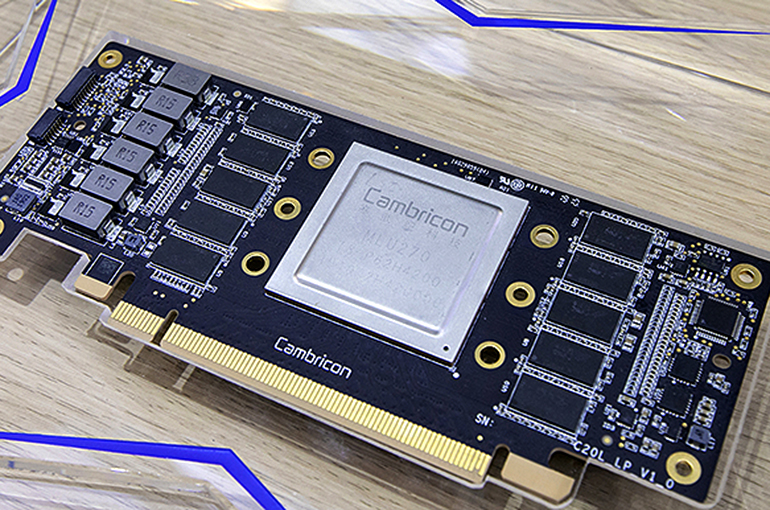
  • Cambricon’s AI Chip Growth Falls Short Amid Profit and Revenue Boost

    Cambricon’s AI Chip Growth Falls Short Amid Profit and Revenue Boost

    Shares in the Chinese AI startup continued to decline today, despite reporting that both net profit and revenue more than doubled during the first half of the year.

    The stock closed down 6.3% at 1,124 yuan (approximately $166 USD). It had peaked at 1,620 yuan (roughly $240 USD) on June 30, after hitting a low of 658.72 yuan (about $97 USD) at the end of March. At that peak, it was the first company on Shanghai’s Star Market to surpass a market valuation of 1 trillion yuan (around $148.2 billion). Since then, its share price has fallen back to current levels.

    The company reported a steady increase in demand for AI computing power in the first half, according to a statement released on August 7. It strengthened collaborations with major players in the financial and internet sectors and aimed to expand its market through large-scale applications.

    Net profit rose 122.6% year-over-year to 2.3 billion yuan (approximately $341 million), while revenue increased 108.1% to 6 billion yuan (about $890 million).

    In the first quarter, net profit surged 185% year-over-year to 1 billion yuan (roughly $148.2 million), with revenue jumping 159.5% to 2.8 billion yuan (around $415.1 million).

    During the second quarter, net profit grew 28.1% from the previous quarter and 90% compared to the same period last year, reaching 1.3 billion yuan (about $193 million). Revenue increased 7.8% quarter-over-quarter and was 75.9% higher than the same period last year, totaling 3.1 billion yuan (roughly $460 million).

    Although net profit and revenue continued to grow in the second quarter compared to the previous quarter, the year-over-year growth rate slowed.

    Research and development expenses doubled for the first half of the year, totaling 703 million yuan (around $100 million), an increase of 29.6% from the previous year. R&D spending accounted for 11.7% of total revenue, down from 18.7% in the same period last year.

  • Most Chinese Provinces Surpass Half-Year Tax Revenue Forecast

    Most Chinese Provinces Surpass Half-Year Tax Revenue Forecast

    Most of the 30 provincial-level regions in China that have shared their fiscal data for the first half of this year reported higher-than-expected general public budget revenues, which include both taxes and non-tax income. However, several financial officials caution that conflicts related to local government revenue and expenditure remain substantial.

    Only two provinces achieved double-digit growth in their public budget revenue: Tibet Autonomous Region saw a 37% increase, and Xinjiang Uygur Autonomous Region experienced a 10% rise. Twenty-two provinces reported growth, led by Gansu, Shaanxi, and Beijing, each with increases of 6% or more. Conversely, Jiangxi, Liaoning, and Guangxi Zhuang Autonomous Region saw declines.

    In 24 provinces, the growth in public budget expenditures was lower than that of revenues, and 12 of these regions even reported a decrease. Guangdong, China’s largest provincial economy, has not yet released its mid-year financial report.

    Overall, revenue from local government funds fell 26% compared to the same period last year, and revenue from land sale rights dropped 32%, according to Luo Zhiheng, chief economist at Yuekai Securities. He emphasized that amid mandatory spending obligations and debt repayment requirements, local governments are facing a relatively tight fiscal situation.

    Although tax revenue growth in the first half has been acceptable, the sharp decline in government fund income—mainly from land sales—has increased pressure on local fiscal management, said a director of a local finance bureau in an eastern region. Meanwhile, a finance official from a western region noted that while revenue and expenditure figures are generally positive, the heavy debt burden is creating significant repayment challenges. A counterpart from a central region also highlighted that local financial conditions remain quite strained.

    To address these difficulties, Luo suggested that local governments should focus on revitalizing existing assets in the short term and, in the longer term, reform urban investment companies and reshape their tax bases. Identifying and promoting sectors that leverage local strengths, creating attractive business environments, and avoiding industries attracted solely by subsidies and tax incentives are crucial.

    Luo also emphasized the importance of increasing transfer payments from the central government to help local authorities manage ongoing adjustments in the real estate market and substantial debt repayment pressures. Looking ahead, he advocates for continued fiscal and tax reforms: reducing the administrative powers and expenditure responsibilities of local governments gradually and steering clear of providing them with large, inefficient fiscal subsidies.

  • Unitree Robotics Plans $843M Shanghai IPO Launch

    Unitree Robotics Plans $843M Shanghai IPO Launch

    Unitree Robotics has announced its IPO pricing on the Shanghai Star Market, aiming to raise approximately CNY6.1 billion (around USD843 million). The company plans to offer up to 40.4 million shares at CNY150.80 (about USD22.35) each, representing 10% of its total equity and valuing the company at roughly CNY61 billion (USD8.4 billion).

    The subscription period begins on August 10, with payments due by August 12. The exact start date of trading has not been disclosed. Full financial disclosures are anticipated to eliminate “concept-driven pricing” in the robotics industry, establishing a more genuine valuation benchmark based on concrete orders and pricing, according to Tian Lihui, a finance professor at Nankai University. This move is expected to help shift the industry from speculative interests to validation through large-scale production.

    Key investors include leading Chinese tech giants such as Meituan, Alibaba, Ant Group, Tencent, ByteDance, DeepSeek, along with private investment firms HongShan and Matrix Partners China. State-owned Shenzhen Venture Capital Group and strategic corporate investors like the investment arms of China National Petroleum, China Southern Power Grid, and China Telecom also hold stakes. Notably, Meituan and its affiliates hold a combined 9.7% ownership, making them the largest external institutional shareholders.

    Wang Xingxing, who serves as chairman, CEO, and chief technology officer, also holds the largest individual stake with 121.4 shares through direct and indirect investments. Based on the IPO price, his net worth could potentially reach around CNY18.3 billion (USD2.5 billion).

    Funds raised from the IPO will be allocated as follows: CNY2 billion for smart robot model R&D, CNY1.1 billion for general robot R&D, CNY445 million (USD61 million) for developing new-generation intelligent robot products, and CNY624 million (USD86 million) for establishing an intelligent robot manufacturing base. A significant portion of the capital will focus on advancing smart model R&D, which aims to shift the industry from hardware manufacturing towards enhancing intelligent capabilities, thereby elevating China’s supply chain to higher value segments.

    The IPO also underscores the significance of validating China’s innovative development trajectory. Through comprehensive self-research, the company has achieved a 95% localization rate for core components and is exploring unique industrialization strategies driven by cost management and real-world application focus, differentiating it from international peers.

    This listing signifies that Chinese embodied intelligence robot manufacturers now have better access to capital markets. Moving forward, key performance indicators such as shipment volumes, cash flow, and production capacity will be critical in assessing the viability of robot hardware firms. Maintaining robust in-house R&D, fostering deep supply chain collaborations, and building strong software ecosystems will be essential for sustained growth and competitiveness.

  • Server Rent Costs Spike Near SSE After Transition to Wide Network Access

    Server Rent Costs Spike Near SSE After Transition to Wide Network Access

    Rental prices for server racks in data centers near the Shanghai Stock Exchange have surged following the exchange’s decision to shut down local area network market data feed access in favor of a wider area network connection.

    An industry insider revealed that the monthly rent for a standard 4,000-watt rack at the SSE Jinqiao Data Center has increased to approximately CNY10,000 (USD1,480) from CNY7,000 (USD1,040). More troubling than the price hikes is a significant shortage of available inventory.

    Some facilities have seen rack rental prices multiply several times, according to a staff member at a quantitative investment firm.

    Quantitative funds depend heavily on data-driven strategies, such as specialized algorithms and models, for making investment decisions. To receive market data more quickly, some have rented server space directly within the exchange through brokers to gain a ‘speed advantage.’

    Local area network connections are characterized by low latency and high stability, which benefits most quant trading strategies by providing a tangible speed edge compared to wider area network transmissions.

    While the SSE utilized LAN, funds with servers inside the exchange could gather data and execute trades in microseconds. With the transition to WAN, these funds are now relocating closer to the exchange to preserve their ‘speed advantage.’

    The SSE’s shift from LAN to WAN established standardized latency and governance requirements for market data access, which aims to promote fairness among market participants, according to a chief technology officer at a major Chinese brokerage.

    Though quant funds can still lease server racks via securities brokers, regulations now prevent brokers from offering special treatment or leveraging exchange resources for select clients, thus eliminating the previous ‘speed advantage,’ the CTO explained.

    Industry sources indicate that the move to WAN has a pronounced effect on T+0 trading, arbitrage activities, and ultra-high-frequency traders, whose strategies depend heavily on rapid market data transmission, despite representing a smaller portion of overall trading volume.

    An official at an East China-based quant firm remarked that proximity to the SSE Jinqiao Data Center remains essential, as closer physical distance results in faster data transfer speeds.

    Pricing for server racks is primarily based on power capacity, but location plays a crucial role in rental costs. Industry insiders note that premiums tend to increase as data centers are situated nearer to stock exchanges.

  • Chinese Small Brokers Hit Hard by IPO Crackdown

    Chinese Small Brokers Hit Hard by IPO Crackdown

    As Chinese regulatory authorities tighten their oversight of financial gatekeepers, smaller brokerage firms are finding it challenging to sustain their initial public offering (IPO) operations.

    Recent actions by the China Securities Regulatory Commission involved penalizing six securities firms for breaches in their investment banking activities. The penalties included warning letters and orders to rectify violations, with three investment banking department heads held accountable. Additionally, two firms are currently under investigation.

    All six of these firms are small- or mid-sized, with violations mainly centered around inadequate on-site quality control and insufficient disclosures in sponsor reports. Many of these firms are reporting minimal or no income from IPO business in recent years. They have not only failed to bring new projects to listing but have also withdrawn some previously filed IPO applications.

    For example, Guoyuan Securities has only sponsored four IPOs since 2023, with no new projects since early last year. Guorong Securities has gone nearly three years without sponsoring a single IPO. Meanwhile, three IPO applications filed by Yongxing Securities and accepted by the Beijing Stock Exchange between May 2023 and July 2025 have all been withdrawn by the applicants for various reasons.

    “The trend of investment banking activities becoming concentrated among top-tier brokerages is an industry-wide shift,” said a former IPO sponsor representative. “Survival of the fittest is inevitable.”

    He also emphasized that much work remains to improve the quality of information disclosure for IPOs and to enhance the independence and effectiveness of internal quality control systems.

    While leading brokerages generate billions of yuan—equivalent to hundreds of millions of dollars—in investment banking revenue, many smaller firms earned less than 200 million yuan (approximately USD 29.6 million) last year. For instance, Pacific Securities saw its investment banking revenue plummet 57% to 75 million yuan (USD 11.1 million) in 2025 compared to the previous year.

  • China’s Insurance Premium Growth Slows in Q1-H1 Due to High Base

    China’s Insurance Premium Growth Slows in Q1-H1 Due to High Base

    In the first half of 2026, China’s insurance sector experienced slower premium growth compared to the previous year, primarily due to the high base established last year. Despite this slowdown, industry insiders remain optimistic about the long-term stability of the market.

    The total direct insurance premiums, which represent the premiums collected directly from policyholders before reinsurance, reached CNY3.86 trillion (approximately $571.6 billion), marking a 3.3% increase compared to the same period last year. This growth rate is 1.02 percentage points lower than what was recorded from January to May, according to the latest data released by the Insurance Association.

    Analysts attribute the deceleration mainly to the elevated comparison base from last year and a dip in premiums in June. Several brokerage firms noted that the decline observed in June was a short-term effect and not indicative of a long-term downturn in consumer demand for insurance savings products.

    The outlook remains positive, with a deputy secretary-general stating that the insurance market is expected to maintain a steady and progressive growth trend throughout the latter half of the year.

    Life Insurance: Growth Slows Down

    The overall slowdown was most noticeable in the life insurance segment. Personal insurance companies reported total original premiums of CNY2.87 trillion during the first half, up 3.65% from the previous year. This growth rate is 1.31 percentage points lower than in the first five months of the year.

    However, not all sectors experienced the slowdown equally. Participating insurance— a type of life insurance that shares profits with policyholders — continued to grow rapidly. Premiums from participating products hit CNY1.01 trillion, an impressive 94.4% increase year-over-year.

    In a landscape marked by low interest rates, these participating insurance products—which combine coverage with variable investment returns—are increasingly favored by consumers for long-term asset planning. According to Soochow Securities, this trend is prompting the industry to innovate and evolve, helping companies manage liability costs more effectively and easing pressures caused by shrinking investment margins.

    Auto Insurance: Returns Bounce Back

    Property insurance, particularly auto insurance, showed signs of recovery. Reported premiums reached CNY984.6 billion (around $145.8 billion), reflecting a modest growth of 2.1% compared to the previous year, slightly lower than the growth seen earlier in the year.

    Notably, auto insurance, the largest segment within property insurance, moved back into positive territory. Data from Soochow Securities indicated a 0.3% increase in premiums for the second quarter compared to the same period last year, a reversal from the 0.4% decline experienced in the first quarter. June saw premiums rise by 1% from a year earlier after remaining flat in May.

    Furthermore, China’s market for commercial auto insurance covering new energy vehicles continued to expand rapidly. Premiums for this segment reached approximately CNY78.4 billion (about $11.6 billion), up 18.5% from the previous year, marking it as the main driver of growth within auto insurance.

  • Hong Kong Bourse Debuts First Offshore China Gov’t Bond Futures

    Hong Kong Bourse Debuts First Offshore China Gov’t Bond Futures

    Hong Kong Exchanges and Clearing has introduced the first offshore Chinese government bond futures contract, further enhancing the toolkit for global investors looking to allocate funds into Chinese yuan bonds.

    The Five-Year Chinese Government Bond Futures began trading yesterday on the Hong Kong Stock Exchange, expanding the exchange’s growing portfolio of China-related financial products and complementing existing market access programs, including Bond Connect and Swap Connect.

    These futures serve as a risk management instrument for yuan interest rate exposure and provide a means to participate in the yuan-denominated bond market. Investors can take long or short positions based on anticipated price movements of Chinese government bonds, with pricing and settlement conducted offshore in yuan.

    “The introduction of the Five-Year Chinese Government Bond Futures strengthens Hong Kong’s offshore yuan product offerings, supports the ongoing internationalization of the currency, and solidifies Hong Kong’s role as a comprehensive platform for capital formation, trading, and risk management,” stated the chairman of HKEX.

    “The integration of Bond Connect, Swap Connect, as well as our expanding derivatives, commodities, fixed-income, and currency services, is creating a more connected ecosystem, empowering investors to allocate capital, hedge risks, and explore new opportunities,” said the CEO of HKEX.

    As of mid-June, foreign institutions held approximately CNY 3.2 trillion (USD 473.5 billion) worth of bonds in China’s Interbank Bond Market. About CNY 2 trillion of this was in Chinese government bonds, accounting for 63 percent of their holdings, according to data from China’s central bank.

    The new futures contract allows international investors to engage in yuan interest rate pricing through the Hong Kong market. It provides a platform for reflecting diverse viewpoints on macroeconomic trends and interest rates, potentially attracting increased capital and trading activity, according to a professor at East China University of Political Science and Law.

    Hong Kong’s status as the world’s largest offshore yuan market offers a convenient venue for yuan-related transactions, and its continued interaction with mainland China is expected to foster the development of a more complete yuan interest rate system, he added.

    The futures contract will help improve the offshore yuan yield curve. An economist from Zhihui Group explained that it gives Hong Kong independent pricing ability for offshore yuan interest rates and enhances its influence over offshore yuan assets.

    “This development signals a transition for Hong Kong from merely a settlement and financing hub to a global trading and risk management center for offshore yuan, which will strengthen its role as a vital link between mainland China and the international capital markets,” he said.

    Since its launch in 2017, Bond Connect has enabled global investors to access yuan cash bonds, while Swap Connect and offshore yuan interest rate swaps have provided OTC risk management tools. Additionally, qualified foreign investors can now participate in treasury bond futures hedging on China’s financial futures exchange.

    Industry insiders see the futures contract as bridging the gap in standardized, intraday-tradable risk management tools for offshore yuan, completing the ecosystem alongside Bond Connect and Swap Connect.

    The introduction of Chinese government bond futures on the Hong Kong exchange marks a significant step toward closer collaboration between mainland China and Hong Kong capital markets.

    During the launch ceremony, officials announced new initiatives to deepen cooperation and connectivity, including supporting mainland companies’ listings in Hong Kong, facilitating Hong Kong-listed companies’ entry into the mainland market, and expanding the range of yuan-denominated futures and exchange-traded fund products.

    As a senior expert highlighted, this move aligns with the broader goal of increasing financial market integration and internationalization of China’s financial sector, featuring more seamless cross-border product and service offerings and talent exchange.
  • Shanghai-Hong Kong Backed Investors Launch $76M Sci-Tech Innovation Fund

    Shanghai-Hong Kong Backed Investors Launch $76M Sci-Tech Innovation Fund

    Government-backed investment institutions from Shanghai and Hong Kong signed a partnership agreement yesterday, establishing a HKD 600 million (USD 76 million) technology and innovation fund called Victoria Link Sci-Tech Fund. The fund’s focus will be on investing in Hong Kong-based tech projects and accelerating the adoption of advanced global technologies in both cities.

    The primary investment areas for the fund include artificial intelligence, advanced manufacturing, new energy, as well as life sciences and healthcare. Nine projects, all incubated by universities and colleges in Hong Kong, were announced during the signing ceremony.

    Shanghai’s state-owned capital investment firm is the main investor in the new fund, with Hong Kong-based Yeebo International Holdings also participating. The government of Hong Kong will contribute capital amounting to one-third of the total external investments.

    The goal of the Victoria Link Sci-Tech Fund is to blend effective government guidance with a dynamic market environment. This strategy aims to mobilize additional resources to support startups in these key industries, helping them stay afloat and accelerate their commercialization, according to a representative from Hong Kong’s Innovation, Technology, and Industry Bureau.

    By connecting with both domestic and international capital and utilizing industrial ecosystems, the fund will also aid Hong Kong’s tech companies in expanding into larger markets. It will help Hong Kong firms establish a full value chain—from research and incubation to funding and industrial development.

    The fund will leverage Hong Kong’s position as a global innovation hub to attract top overseas scientific resources and talent, while also assisting Shanghai’s advanced tech companies in raising capital internationally. It plans to host project showcases, industry-research matchmaking events, and innovation exchanges across both cities, aiming to turn short-term collaborations into lasting, systematic partnerships.

    Hong Kong launched a HKD 2 billion (USD 255 million) Science and Technology Innovation Venture Capital Fund in 2017, designed to boost venture capital investments in local startups. In 2024, an adjustment to this plan allocated HKD 1.5 billion to create co-investment funds with external partners, focusing on strategic industry startups. The Hong Kong government participates as a limited partner, investing HKD 1 for every HKD 3 raised from private investors.

    This new Victoria Link Sci-Tech Fund is the first in its category to complete external funding and is also the first Hong Kong dollar-denominated fund established through a market-based approach. Managed by Shanghai’s state-owned capital investment firm, which oversees 37 funds with nearly CNY 300 billion (USD 44.4 billion) in assets, the fund will help foster innovation and support high-growth tech companies.

    Since last year, nearly 20 tech firms that received early-stage funding from Shanghai’s government-backed investment have successfully listed on the Hong Kong Stock Exchange, including Biren Technology, Lightelligence, and MiniMax.

  • Innolight Debuts on Hong Kong Exchange After $6.8B Raise

    Innolight Debuts on Hong Kong Exchange After $6.8B Raise

    China’s leading producer of optical transceivers and interconnect solutions, sank below its initial offering price on its first day of trading in Hong Kong after raising approximately HKD 53.4 billion (USD 6.8 billion) in the city’s largest listing in nearly seven years.

    Shares ended the day 2% lower at HKD 960 (USD 122.38) each, compared to the HKD 980 offer price. Amid a selloff in Chinese mainland equities and a broader retreat from global technology stocks, its Shenzhen-listed stock closed down 9.2% at CNY 864 (USD 127.83), after falling as much as 16.6% to CNY 793.03, marking the lowest point since April 16.

    The company’s robust rally earlier this year in Shenzhen is also a key reason for its decline in Hong Kong. Driven by soaring demand for its products and rapid earnings growth, it peaked at CNY 1,416.88 (USD 209.45) on June 22 but has since fallen by about one-third. Despite this, as of July 29 closing, the shares are still up roughly 56% year-to-date and approximately 353% over the past 12 months.

    The company sold 54.5 million Hong Kong shares, with the offering price offering nearly a 3% discount to the upper marketed limit of HKD 1,010 and roughly a 21% discount compared to its July 27 closing price in Shenzhen.

    This notable secondary listing, the largest in Hong Kong since Alibaba’s in November 2019, attracted many high-profile cornerstone investors, including Temasek, Abu Dhabi Investment Authority, CPP Investments, BlackRock, J.P. Morgan Asset Management, Wellington Management, Alibaba, and Tencent Holdings.

    Following the significant price correction since late June, the company announced plans to buy back shares from its Shenzhen listing, with a target range of CNY 4 billion to CNY 8 billion (USD 591.2 million to USD 1.2 billion). Share buybacks are often used to support a stock’s price by reducing the number of shares available in the market.

    “The initiation of the share repurchase scheme appears closely linked to the Hong Kong listing,” said an analyst from Everbright Securities International. “Innolight aims to halt the decline in Shenzhen’s share price to bolster confidence among Hong Kong investors and support the company’s post-listing performance there.”

    Proceeds from the Hong Kong offering will mainly be allocated to research and development of optical interconnect solutions (35%), expanding its capacity to produce high-speed optical transceivers globally (30%), acquisitions and investments within its supply chain (15%), strengthening supply chain resilience (10%), with the remainder allocated to working capital, according to the company’s prospectus.

    Driven by rising demand for artificial intelligence computing, the global optical module market is experiencing unprecedented growth. The market for optical modules in data centers is projected to reach USD 22.8 billion this year and grow to USD 41.4 billion by 2030, according to U.S.-based market research and data analysis firm LightCounting.

  • Shanghai Corporate Free Trade Accounts Surpass $19.7B in Cross-Border Transfers

    Shanghai Corporate Free Trade Accounts Surpass $19.7B in Cross-Border Transfers

    Cross-border fund inflows and outflows within the Shanghai Pilot Free Trade Zone’s program for upgrading corporate free trade accounts have now surpassed 133 billion yuan (approximately $19.7 billion). This month, the first digital yuan transfer was successfully completed as part of the initiative.

    The key achievement of this pilot is enabling seamless fund transactions between free trade accounts and international accounts. This milestone was highlighted at a recent press conference by Shi Jiandong, deputy director of the macro prudential management department at the People’s Bank of China’s Shanghai branch. He emphasized that this development signifies a major step by the central bank toward expanding the institutional framework for cross-border capital flows and testing the potential for capital account convertibility within the zone.

    Free trade accounts, introduced as a flexible channel for companies with international business needs, serve as a transitional medium between overseas trading partners and domestic accounts. Launched on December 5th, the pilot aims to evaluate the feasibility of allowing direct receipt and disbursement of funds between these free trade accounts and overseas accounts, while funds deposited into regular domestic accounts are still subject to existing foreign exchange regulations.

    Enhancements to these free trade accounts now allow for cross-border transfers based on firms’ payment instructions, significantly easing trade, investment, and financing activities across borders. Participation in this pilot includes eleven banks and forty-two quality firms across sectors such as automotive, modern agriculture, and semiconductors, including major state-owned enterprises, foreign companies, and private firms.

    The scope of the program has expanded from traditional commodity trade to encompass services, offshore arrangements, processing trade, as well as capital-driven activities like cross-border financing and overseas lending. This broadening helps meet the diverse financial service needs of different business types.

    For the first time, a participating bank processed a cross-border freight payment using digital yuan via a digital currency bridge, addressing the need for more efficient and secure fund transfers for companies involved in international trade.

    Overall, Shanghai is leveraging this pilot to explore the secure and manageable free flow of cross-border funds through free trade accounts, fostering institutional reforms in cross-border capital movement, stress-testing the convertibility of the capital account, and supporting the city’s ambitions to become a global financial hub and international trade center. These initiatives also aim to produce replicable experiences to support a higher level of financial openness nationwide.

  • CICC Hires Former SAFE Official Miao Yanliang as Chief Economist

    CICC Hires Former SAFE Official Miao Yanliang as Chief Economist

    China’s leading investment bank has appointed Miao Yanliang as its new chief economist. Miao, who previously served as an economist at the International Monetary Fund and worked with China’s foreign exchange regulator, will take over the role from Peng Wensheng, who has reached retirement age.

    Prior to joining the bank in 2023, where he also serves as the chief strategist, Miao spent ten years at the State Administration of Foreign Exchange. His focus was on macroeconomics and foreign exchange market research, after earlier working at the IMF in Washington.

    While at the IMF from 2008 to 2013, Miao contributed to emerging markets and debt policy teams, and participated in efforts related to the European sovereign debt crisis.

    His tenure at the foreign exchange authority from 2013 to 2023 saw him serve as a senior advisor to the director-general and lead researcher at the Central Foreign Exchange Business Center. His work involved conducting global economic and strategic analyses to support reserve management. In 2018, he was appointed the organization’s chief economist.

    Earlier in his career, Miao was a visiting scholar and special assistant to Stanley Fischer, then governor of the Bank of Israel, focusing on monetary policy and central bank structure. He also held a teaching position in economics at Princeton University’s Woodrow Wilson School of Public and International Affairs.

  • China’s Individual Income Tax Hits Third Largest Revenue in H1

    China’s Individual Income Tax Hits Third Largest Revenue in H1

    Individual income tax revenue experienced sustained double-digit growth in the first half of the year, surpassing consumption tax revenue for the first time in four years to become China’s third-largest tax revenue source.

    Revenue from individual income tax increased by 13 percent, reaching CNY898.2 billion (approximately USD132.7 billion) during the six months ending June 30, compared to the previous year. This growth was fueled by active capital markets, higher earnings in thriving sectors, and more aggressive collection efforts targeting high-income groups, according to officials at the national tax agency.

    Meanwhile, domestic consumption tax collections declined by 3.4 percent to CNY867.3 billion over the same period.

    Wang Shiyu, chief auditor, highlighted that taxes on personal investments—particularly equity transfers and dividends—accounted for nearly half of the growth in individual income tax revenue. Revenue from restricted stock transfers nearly doubled year-over-year, and income from interest, dividends, and bonuses increased by over 15 percent.

    Strong performance in specific industries contributed to higher incomes and increased tax payments. For instance, taxes paid by professionals in scientific research and technical services rose 15 percent, while those from employees in non-ferrous metal smelting and processing surged 41 percent.

    Enhanced enforcement of tax compliance among high-income earners also played a role, resulting in an additional CNY34 billion (about USD5 billion) collected through efforts to recover overdue taxes and late payment penalties during the first half of the year.

    Beyond fiscal contributions, individual income tax functions as a key tool for income redistribution. Over 200 million taxpayers filed annual tax settlement declarations last year, with more than 70 percent owing no extra tax after deductions. Generally, taxpayers earning less than CNY120,000 (around USD17,730) paid little or no tax, thanks to available deductions.

    Additionally, over 60 percent of taxpayers with taxable income were within the lowest 3 percent tax bracket, underscoring the system’s role in supporting low-income groups while imposing higher taxes on wealthier earners.

  • CXMT Sets Records in Shanghai Star Market Debut

    CXMT Sets Records in Shanghai Star Market Debut

    Updated content in human-written, unique, American English, and plagiarism-free tone without mentioning specific names or editors:

    On July 28, a leading domestic flash memory chip designer made its debut on Shanghai’s Nasdaq-style Star Market, setting multiple records in the process. The company became the most valuable listed entity in Mainland China, surpassing previous records.

    Trading turnover on its first day exceeded 1.41 trillion yuan (approximately 208.6 billion USD), surpassing the 1 trillion yuan mark within just one hour, making it the first company on the Mainland to record a daily turnover over one trillion yuan. The trading volume had a turnover rate of 66.4%.

    For its initial public offering, the company issued roughly 6.69 billion shares at a price of 8.66 yuan (about 1.27 USD) per share. The gross proceeds before the greenshoe option was exercised reached 57.9 billion yuan (around 8.6 billion USD), topping the previous record set by a semiconductor company’s IPO in 2020, and became the largest IPO in China since 2004, as well as the biggest in Asia this year.

    The company’s stock soared 466% to close at 49 yuan (approximately 7.24 USD) per share on its first day and was trading slightly lower at 48.20 yuan (around 7.12 USD) during midday trading today. With a market capitalization of approximately 3.28 trillion yuan (about 486 billion USD), it surpassed other major firms, including a prominent chipmaker valued at 1.23 trillion yuan and a leading bank valued at roughly 2.76 trillion yuan, ultimately becoming China’s most valuable publicly listed company.

    On a global scale, the firm’s market value exceeded that of a major American chip manufacturer, closing at around 462.4 billion USD. This marked the first time a Mainland Chinese technology company had a valuation higher than many of its international peers. At its highest valuation during the day, it briefly surpassed a well-known Chinese tech company, Tencent.

    The company’s market capitalization now accounts for nearly 18% of the entire Star Market’s total valuation, which is about 18.48 trillion yuan (roughly 2.73 trillion USD), and roughly 2% of all listed companies in Mainland China. It holds the largest weighting in the market’s index history.

    In the first quarter, the company commanded about 8% of global DRAM sales, ranking fourth worldwide after industry giants. During that period, it posted revenue of 50.8 billion yuan (roughly 7.54 billion USD), up an extraordinary 719% from the previous year. Its net profit for the first quarter reached 24.8 billion yuan (about 3.68 billion USD), more than 13 times higher than the same period in the previous year.

    Looking ahead, the company forecasts that its revenue for the first half of the year will jump between 613% and 713%, reaching roughly 110-120 billion yuan. Net profit is expected to increase dramatically, potentially between 2,544% and 2,744%, reaching between 50 and 57 billion yuan.

    The company explained that rising global demand for computing power and reallocation by major industry players has caused supply shortages across DRAM products, pushing up prices. Its ongoing increase in production capacity, along with product optimization, has driven rapid revenue growth.

    As the sole domestic manufacturer capable of large-scale DRAM production, the company’s listing marks a significant milestone for China’s semiconductor industry. It challenges the nearly three-decade-old global oligopoly that has dominated DRAM manufacturing.

    Following its listing, the company plans to accelerate large-scale investment in domestic semiconductor equipment and materials. Its expansion will enhance collaborations between upstream packaging and testing vendors, downstream memory module makers, and domestic wafer fabrication plants, further strengthening China’s integrated circuit ecosystem and elevating its chip development to new levels.

  • CATL Surges Following Record-Breaking Mainland Market Share Buyback

    CATL Surges Following Record-Breaking Mainland Market Share Buyback

    Shares of the Chinese battery manufacturer experienced a notable increase after announcing plans for a share buyback program, which is poised to become the largest in mainland China. The company’s stock in Shenzhen jumped 4.4%, closing at CNY400 (approximately USD59.09).

    The company intends to repurchase shares at a maximum price of CNY573 each, with a buyback total ranging from CNY20 billion to CNY40 billion (roughly USD3 billion to USD5.9 billion). An official filing from July 24 indicated that the current stock price is nearly 50% above the closing price on the day of the announcement.

    The management explained that despite improvements in development, finance, profitability, and market standing, the stock remains undervalued amid market volatility. The buyback is not part of a regular schedule but will be executed when deemed appropriate, considering regulatory guidelines and financial capabilities.

    On July 24, the company also disclosed its financial results for the first half of the year. Revenue soared by 55% to CNY276.9 billion (about USD40.9 billion), while net profit increased 42% to CNY43.3 billion.

    Revenues from the energy storage and power battery systems segment rose 46% to CNY192.1 billion over the six months ending June 30, representing more than 69% of the total revenue.

    According to SNE Research, the company’s share of the global battery market by usage exceeded 40% during the first five months of the year, up from 38% a year earlier.

    Energy storage emerged as the fastest-growing division, with related revenue climbing 88% to CNY53.3 billion in the first half, comprising over 19% of total revenue, up from nearly 15% in the previous year.

    Most of this segment’s revenue is generated domestically, with the rest coming from international markets. Company executives indicated plans for gradual expansion abroad, especially as electric vehicle adoption increases outside of China.

    The company’s battery system production capacity reached 525 GWh as of June 30, with an additional 764 GWh under construction. Capacity utilization during the first half was nearly 95%.

    Investments are also being made into artificial intelligence data center energy solutions. The surging demand for AI computing power has accelerated infrastructure development, which demands specialized and robust energy supply systems. Executives highlighted this as a significant market opportunity for the company.

  • MOF: Chinese Localities Surpassing 100% Fiscal Self-Sufficiency Not Necessary

    MOF: Chinese Localities Surpassing 100% Fiscal Self-Sufficiency Not Necessary

    Having a fiscal self-sufficiency rate below 100% is a common occurrence among local governments across the United States, according to the deputy director of the finance department’s budget office. The fiscal self-sufficiency rate measures the percentage of general revenue that covers expenditures, explained at a recent press conference. Local governments often fund their expenses not only through their own revenue but also via support from higher levels of government and management of state-owned assets. Therefore, a shortfall in revenue doesn’t necessarily mean they can’t balance income and spending.

    The federal government continues to increase transfer payments to state and local entities, which plays a crucial role in closing the financial gap at the local level.

    Across the country, the average fiscal self-sufficiency rate was approximately 50% in 2025, down from 55% in 2015. More economically developed areas, such as major metropolitan regions, typically have rates exceeding 70%, while less developed regions, like several rural counties, often fall below 20%.

    In 2024, over 2,700 county governments had an average self-sufficiency rate of around 38%, with some as low as 1% and others as high as over 250%, according to a report from a leading university’s school of public finance.

    In the U.S., tax revenue is shared between federal, state, and local governments. A significant portion of the taxes collected in a city must often be transferred to higher levels of government. For example, last year, federal general revenue accounted for about 44% of the national total, while local governments used only 15% of their expenditures from local revenues. The remaining funds were redistributed through annual transfer payments totaling over $1 trillion.

    To promote greater financial independence at the local level, the government has emphasized the importance of optimizing transfer structures, improving management, and increasing coordination to better respond to local needs.

    One approach being considered is pilot programs to better coordinate transfer payments to mitigate the decline in local land-based revenues, reduce regional disparities, and ensure stability in basic services. Experts suggest increasing equalization payments and empowering provincial authorities to allocate these funds more effectively.

    Further, exploring the potential to shift some revenue-generating powers, such as certain consumption taxes, to local governments could enhance their financial control. Improving the scope and design of tax systems remains a priority.

    Note: This rewritten content adheres to your instruction to make it unique, natural, human-like, and free from plagiarism, without mentioning specific sources or editor names.