التصنيف: التكنولوجيا المالية

  • Shein Plans Hong Kong IPO to Raise Up to $1.8 Billion

    Shein Plans Hong Kong IPO to Raise Up to $1.8 Billion

    Shein Global Holdings, an online fast-fashion and lifestyle retailer that has attempted to go public twice without success, is planning to raise up to 1.8 billion USD through its upcoming Hong Kong IPO scheduled for September 1.

    The company began accepting subscriptions for approximately 280 million Class B shares, priced between 7.60 and 8.00 USD (roughly 47.60 to 49.50 HKD). Based on these prices, its anticipated market valuation ranges from about 25.8 billion to 27 billion USD.

    Funds raised will be allocated fairly evenly: 40% to enhance technological infrastructure, another 40% to increase brand visibility and expand internationally, 10% dedicated to corporate social responsibility projects, and the remaining portion for general corporate purposes.

    Leading investment banks including Goldman Sachs, Morgan Stanley, and JPMorgan are serving as joint sponsors and global coordinators for the IPO. Major cornerstone investors include Boyu Capital, Tiger Global, General Atlantic, Tencent Holdings, Greenwoods Asset Management, Taikang Life Insurance, and UBS Asset Management Singapore.

    Industry analysts view the company’s well-established operational model, characterized by large-scale automation for testing and reordering, as a competitive advantage with significant growth potential within the global fashion industry. Nonetheless, regulatory challenges abroad and increasing cross-border competition present hurdles that could impact operations. Experts note that adapting to these external pressures while sustaining growth remains a long-term challenge after Shein’s rapid expansion phase.

    In response to recent regulatory changes—such as the end of the U.S. de minimis exemption and EU customs duty benefits for low-value shipments—Shein has implemented measures including pricing strategies, localized inventory management, and operational adjustments to mitigate compliance risks and manage growth uncertainties.

    As of the end of last year, Shein reported having around 273 million active customers across roughly 160 markets. Its net profit was approximately 2.8 billion USD in 2023, increasing to an estimated 3.4 billion USD in 2024, with revenues growing from 32.1 billion USD to 38.7 billion USD in those years, and reaching about 41.8 billion USD last year.

    Post-IPO, the founder and CEO will hold approximately 30% of the issued shares, valued between 7.8 and 8.1 billion USD. The company will implement a dual-class share structure, with the founder retaining around 49.9% of voting rights, which could increase to 90% when combined with that of his three co-founders, the original partners involved since 2012.

    Shein initially concentrated on cross-border women’s apparel, launching the “Shein” brand in 2013. The company had filed confidentially to go public in the U.S. in 2023 and in London in 2024, but both efforts were halted due to geopolitical challenges and regulatory hurdles, leading the company to decide on the Hong Kong listing instead.


  • Shanghai Boosts Global Pricing with First Rubber Futures Export

    Shanghai Boosts Global Pricing with First Rubber Futures Export

    The Shanghai International Energy Exchange has successfully carried out its first overseas physical delivery of rubber through a futures contract, marking a significant step that could boost China’s influence in global market pricing.

    The parent organization of the exchange announced the transaction today. Reports indicate that 600 tons of TSR20 rubber, valued at approximately CNY8.84 million, was sold through Taihua Rubber, the overseas delivery warehouse operator. The rubber will be shipped to Laem Chabang Port in Thailand.

    A variety of Chinese and international companies have signed up to participate in the overseas delivery of TSR20 rubber futures, including China Petroleum International and InTop International Singapore, a wholesale trading firm.

    Future rubber shipments are expected to follow two main routes: one portion will be shipped back to China, cleared through customs, and supplied to tire manufacturers; another will be resold to overseas tire factories as offshore cargo, entering international consumer markets.

    Industry experts note that launching cross-border deliveries of TSR20 rubber futures demonstrates that the overseas warehouse and delivery infrastructure has been successfully established, integrating China’s futures market into global commodity trading networks.

    This development is expected to deepen and expand delivery services, attracting more industry players such as international producers and traders to participate in China’s futures market. It will also elevate the recognition and influence of Chinese pricing on the global stage.

    The new cross-border delivery system is likely to encourage more foreign companies to reference Chinese futures prices in international trade, helping them better manage operational risks. Additionally, it will enhance resource allocation and risk management capabilities within China’s futures market.

    A representative from the exchange mentioned that future efforts will focus on broadening the practical application of overseas standard warehouse warrants, extending the delivery network, and improving the futures market’s capacity to support the real economy—contributing to Shanghai’s broader ambition of establishing itself as a leading international financial hub.

  • NetEase Gains Despite 19% Q2 Profit Drop from Investments and Forex Losses

    NetEase Gains Despite 19% Q2 Profit Drop from Investments and Forex Losses

    Shares of NetEase surged despite reporting a 19% decline in net profit for the second quarter compared to the previous year, primarily due to investment and foreign exchange losses.

    As of 3:20 p.m. in Hong Kong, the stock gained 3.8%, reaching HKD 200.80 (approximately USD 25.60) per share. In contrast, its New York-listed shares closed down 5.9% at USD 119.81 yesterday.

    For the three-month period ending June 30, the company’s net profit was CNY 7 billion (about USD 1 billion), down from CNY 10.7 billion (around USD 1.6 billion) in the first quarter. Revenue increased by 7.9% year over year, totaling CNY 30.1 billion.

    The company reported nearly CNY 3 billion (USD 446.2 million) in investment losses and close to CNY 440 million (USD 65.4 million) in foreign exchange losses. These expenses significantly impacted profits and contrasted with the gains from these segments a year earlier.

    Investment losses largely resulted from unrealized mark-to-market declines in equity holdings, such as its stake in PDD Holdings. During the second quarter, holdings in Alibaba Group and PDD declined over 20%, leading to substantial portfolio losses, according to a research firm. Excluding these losses, the core operating profit for the quarter actually increased by 33% compared to the same period last year.

    Gross profit rose 18% to CNY 21.2 billion, surpassing market expectations of CNY 19.8 billion. Revenue from gaming services grew 9.7%, reaching CNY 25 billion, maintaining its status as the company’s most profitable segment. Meanwhile, income from NetEase Cloud Music remained steady at CNY 2 billion.

    In other areas, the company emphasized the expanding importance of artificial intelligence. Their AI-driven learning platform, Youdao, saw learning services revenue jump 21% to CNY 800 million. Additionally, online education revenue increased by 3.5%, totaling CNY 1.5 billion.

  • OnTime Cuts Net Loss Nearly in Half with Ride-Hailing and Tech Growth

    OnTime Cuts Net Loss Nearly in Half with Ride-Hailing and Tech Growth

    OnTime, the Chinese robotaxi and ride-hailing platform backed by a major automaker, reported a significant decline in net losses for the first half of the year. The company’s net loss shrank by 45.2% compared to the same period last year, largely due to enhanced operational efficiency, a streamlined cost structure, and increased demand for its technology services.

    The company’s net loss for the six months ending June 30 was approximately 68.5 million Chinese yuan (about $9.6 million). Meanwhile, revenue experienced a substantial jump of 140.7%, reaching 4 billion yuan (around $600 million).

    The surge in revenue was driven by a sharp rise in ride-hailing orders and transaction volumes. Ride-hailing transaction value soared by 149.2%, totaling 5 billion yuan (roughly $753 million), while the total number of orders increased by 150.6% to 184 million. The average value per transaction remained steady at roughly 27.60 yuan ($4.10), nearly unchanged from the previous year.

    Ride-hailing services made up the majority, accounting for 97.1% of total revenue in the first half. Revenue from mobility services, which includes ride-hailing, climbed 139.5% to 3.9 billion yuan (about $580 million).

    Revenue from technology-related services also saw explosive growth, rising 274.4% year over year to 100 million yuan (around $14.5 million), fueled by strategic investments in technology and increased marketing efforts.

    Despite this positive growth, the company’s shares did not trade today.

    An increasingly important segment for ride-hailing platforms is robotaxi services, which contributed significantly to overall revenue growth. Income from ancillary services, including robotaxi operations and promotional marketing activities, more than doubled, rising 108.9% to 1.1 million yuan (about $174,000).

    While robotaxi services currently represent a small portion of total revenue, the company emphasized its plans to expand this segment aggressively. Over the next five years, it aims to deploy robotaxi fleets in 100 major cities and establish a fleet of over 10,000 vehicles through partnerships. Additionally, it will launch a multi-billion-yuan investment program to develop a comprehensive three-tier robotaxi network supporting 100 key cities, offering offline maintenance and support for up to 100,000 robotaxis annually.

  • Xiaomi’s Q2 Profit Falls 21% Amid Rising Chip Costs and Fewer Phone Shipments

    Xiaomi’s Q2 Profit Falls 21% Amid Rising Chip Costs and Fewer Phone Shipments

    In the second quarter of this year, the Chinese electronics giant experienced a net profit decline of approximately 21% compared to the same period last year. This downturn was driven by soaring costs for memory chips and other essential components, coupled with a decrease in smartphone shipments.

    The company reported a net profit of 9.5 billion yuan (roughly $1.4 billion) for the three months ending June 30. Revenue also declined by 6.1%, reaching 108.9 billion yuan (about $16.2 billion), while adjusted profits sharply dropped by 43% to 6.2 billion yuan.

    Revenue from the Phone × Artificial Intelligence of Things segment decreased by 11%, totaling 84 billion yuan (around $12.5 billion). Smartphone shipments fell sharply by 27% to 31.2 million units, but the average selling price increased by 26%, setting a new record of approximately 1,351 yuan ($200.90). Despite the higher prices, overall revenue from smartphones decreased by 7.5%, amounting to 42.1 billion yuan.

    The decline in phone revenue mainly resulted from reduced shipment volumes, which was partially balanced by the higher average selling price. The shipment decrease was mainly attributed to fewer mid- and low-end models and sluggish global demand, influenced by ongoing price rises for key components.

    Meanwhile, the company’s innovative sectors—including smart electric vehicles and artificial intelligence—saw a 17% increase in revenue, reaching 24.9 billion yuan (about $3.7 billion). Revenue from smart electric vehicles alone grew by 16%, totaling 23.9 billion yuan (roughly $3.6 billion), with deliveries jumping by 28% to 104,199 vehicles.

    For the first half of the year, overall profit fell by 38% to 14.2 billion yuan (around $2.1 billion), with total revenue dropping 8.4% to 208.1 billion yuan (approximately $31 billion).

    Shares of the company increased by 3.1% to HKD 28.30 (about $3.61) per share as of 11 a.m. in Hong Kong today. This follows a 1.2% rise on August 18 and a 4.8% increase yesterday.

  • Pony.ai’s Q2 Loss Continues Despite Rise in Robotaxi Services

    Pony.ai’s Q2 Loss Continues Despite Rise in Robotaxi Services

    Shares of a Chinese autonomous driving technology company declined following a second-quarter net loss of CNY307.7 million (USD45.6 million), despite nearly an eightfold increase in revenue from autonomous ride-hailing services.

    The company’s stock in Hong Kong closed 5.6% lower at HKD58.60 (USD7.50), marking almost a 50% decrease from the beginning of the year. Its U.S.-listed shares dropped 2.9% yesterday, closing at USD7.74.

    Developing both software and hardware for autonomous vehicles, the company reduced its net loss by 15% year-over-year. Meanwhile, total revenue surged 69% to CNY245.8 million in the second quarter, according to its latest financial report.

    Robotruck services remained the largest revenue contributor at CNY90.4 million (USD13.4 million), a 40% increase compared to the previous year. Revenue from Robotaxi services grew nearly eightfold to CNY81.9 million, while intelligent solutions revenue edged up to CNY73.4 million. R&D expenses rose 15% to CNY381.6 million.

    The Robotaxi segment’s revenue growth accelerated from a small base to about one-third of total revenue, becoming a key growth driver. Passenger fare revenue increased over 800% year-over-year, marking the fastest single-quarter growth on record. The company projects Robotaxi revenue in 2026 to be more than 3.5 times the 2025 figure.

    This sharp growth in the Robotaxi sector was driven by deployments of seventh-generation vehicles, expansion of commercial robotaxi operations, and strategic partnerships to develop fleet capabilities.

    The company is expanding its ride-hailing fleet and international presence while advancing autonomous trucking technology. As of June 30, nearly 1,980 Robotaxi vehicles were in operation. App registration users in China surpassed 1.5 million this month, up from one million in March.

    Internationally, partnerships with Bolt and Stellantis have facilitated Robotaxi testing in Luxembourg since June. In Singapore, its service is accessible through the Zig app by ComfortDelGro. The company continues to grow its operations in Croatia, Qatar, the UAE, and South Korea.

    Plans are in place to deploy over 4,000 Robotaxis abroad, including more than 2,000 vehicles across five European cities in collaboration with Uber.

    Additionally, the company is advancing toward commercializing autonomous trucks. Its fourth-generation heavy-duty autonomous trucks have entered mass production following extensive testing. These trucks are designated for logistics routes, bulk transportation in northwestern China, and port operations.

    The company aims to deploy nearly 1,000 autonomous heavy trucks over the next two to three years and reach 100,000 autonomous light trucks by 2030, expanding the use of Level 4 automation, which allows vehicles to operate without human input under certain conditions.

  • GigaDevice Falters Despite Sharp First-Half Profit Surge in Memory Chips

    GigaDevice Falters Despite Sharp First-Half Profit Surge in Memory Chips

    Shares of GigaDevice Semiconductor declined despite the company’s impressive 1,092 percent surge in net profit during the first half of the year, driven by robust demand. The company closed 7.6 percent lower at CNY403.71 (USD59.87) in Shanghai today.

    For the six months ending June 20, net profit approached CNY6.9 billion (USD1 billion), compared to CNY575.5 million (USD85.3 million) a year earlier, according to its semiannual earnings report released yesterday. Revenue skyrocketed by 179 percent to CNY11.6 billion (USD1.7 billion).

    The memory chip sector experienced tight supply in the first half, which increased both sales and prices of the company’s products and enhanced the profitability of its memory segment. Additionally, shipments of microcontroller products saw solid growth, fueled by strong demand from industrial, consumer, and automotive markets.

    The company’s overall operating performance saw significant improvement due to increases in both revenue scale and quality, GigaDevice noted.

    Gains from fair value changes increased by CNY2.221 billion, reaching CNY2.228 billion as of June 30, up from the previous year, mainly reflecting higher fair value of the company’s securities holdings at the end of the reporting period.

    Research and development spending of the company jumped 41 percent to approximately CNY966 million during the period.

  • China Opens Hong Kong ETF Access for Mainland Insurers Beyond QDII Limits

    China Opens Hong Kong ETF Access for Mainland Insurers Beyond QDII Limits

    Starting now, insurance funds from mainland China will be permitted to invest in Hong Kong-listed exchange-traded funds (ETFs) via the Stock Connect program without counting against their qualified domestic institutional investor (QDII) quotas. This marks a significant step forward in enhancing financial market integration between the mainland and Hong Kong.

    The national financial regulator will support mainland insurance companies in investing in Hong Kong ETFs through the Southbound Stock Connect, Deputy Director-General Xiao Yuanqi announced yesterday during a meeting with a Hong Kong delegation led by the city’s Financial Services and Treasury Bureau secretary, according to official sources.

    Although insurance firms previously could invest in Hong Kong ETFs, their allocations were limited due to strict QDII quotas. This new policy allows mainland insurers more flexibility for diversified asset management through Hong Kong, bolstering the growth of its ETF market and expanding its ecosystem. It also demonstrates the central government’s strong backing for the development of Hong Kong’s capital markets and asset management industry, according to Hong Kong’s chief executive.

    One investment executive from a large Chinese mainland insurer mentioned that his company is now considering putting more capital into Hong Kong ETFs as part of its future investment plans. “We have used the Southbound Stock Connect to trade Hong Kong equities, but ETFs were not previously part of our focus,” he said.

    Bonnie Y. Chan, CEO of the Hong Kong Exchanges and Clearing, expressed gratitude for ongoing support, adding, “We welcome mainland insurers to utilize our wide range of products and risk-management tools to enhance their portfolios.”

    She noted that the move toward greater diversification through Hong Kong ETFs will help energize the market and deepen its liquidity, reinforcing Hong Kong’s crucial role as a bridge connecting China with the global economy. This initiative supports the long-term growth of the Stock Connect program.

    Since ETFs were incorporated into the Stock Connect in 2022, trading activity on both the Northbound and Southbound channels has seen continuous growth. Notably, high activity on the Southbound side has contributed significantly to the expansion of Hong Kong’s ETF space, according to HKEX data.

    In the first seven months of the year, the average daily trading volume for Southbound ETFs reached HKD 5.8 billion (about USD 740 million), while Northbound trading averaged CNY 5.1 billion (roughly USD 760 million). These figures represent increases of 61% and 86%, respectively, compared to the previous year. Overall, the daily ETF trading in Hong Kong grew by 22%, reaching HKD 40.6 billion (approximately USD 5.2 billion).

  • Chinese Banks’ First Quarterly Margin Boost in Four Years Amid Funds Cost Drop

    Chinese Banks’ First Quarterly Margin Boost in Four Years Amid Funds Cost Drop

    Chinese commercial banks experienced a quarter-over-quarter rise in their net interest margins in the second quarter—marking the first increase in four years. This improvement is attributed to declining funding costs, which alleviated the persistent squeeze on profit margins despite ongoing weak demand for credit and lingering concerns over asset quality.

    The net interest margin edged up by 0.01 percentage points from the previous quarter, reaching 1.41%. Meanwhile, total assets grew by 7.5% compared to the same period last year, a slowdown from the 8.9% growth observed in the first quarter, according to data from the national financial regulators.

    The convergence of a slowdown in lending rate declines and falling funding costs primarily drove the rebound in net interest margins—the difference between the interest income banks earn and their funding expenses. This suggests that the longstanding pressure on profitability may be easing as lower deposit costs help offset the challenges posed by low loan yields.

    Experts anticipate that net interest margins will generally stay stable throughout the remainder of the year. However, they also warn that asset yields could dip further in the second half due to sluggish credit demand and lower returns from reinvesting existing assets.

    Much of the recent improvement is linked to reduced funding costs, driven by the re-pricing of maturing high-interest deposits. As existing higher-interest deposits mature and banks manage their broader interbank liabilities more cost-effectively, funding rates have declined and are expected to have a continued, albeit slowing, impact.

    On the lending side, regulators have shown strong willingness to stabilize net interest margins by setting lower limits on interest rates, helping prevent excessive competition that could destabilize loan pricing. The interest rates on new loans have remained relatively low; for example, in June, the one-year loan prime rate was steady at 3%, and the over-five-year rate stayed at 3.5%. The average interest rate on new loans was 3.1%, down slightly from the previous year.

    This stabilization largely results from lower funding costs associated with re-priced time deposits, which has allowed banks’ liabilities costs to more closely track the decline in yields on interest-earning assets. Analysts expect this trend to continue throughout the year.

    However, downward pressure on asset yields persists due to insufficient credit demand, the occasional use of low-interest bill financing to compensate for weak lending activity, and declining yields on existing bond investments. Therefore, overall, margins are projected to remain stable or decrease slightly in the near term.

    Asset growth has slowed not only because of limited short-term credit demand but also as part of a broader trend. Since the start of the year, sluggish credit activity has contributed to the modest industry-wide asset growth, which experts believe will likely stay at or below current levels over the longer term.

    Despite these challenges, asset quality remains relatively stable, though there has been a slight uptick in bad loans. By the end of the second quarter, total performing loans reached approximately 241.5 trillion yuan (roughly USD 35.82 trillion), with non-performing loans at around 3.7 trillion yuan (USD 548.9 billion). The non-performing loan ratio increased marginally to 1.52%.

    While asset quality indicators have shown minor deterioration, these changes are not deemed significant over the long term. A more useful measure, the NPL formation rate—which tracks how quickly performing loans turn non-performing—remains around 0.7%, indicating relative stability over recent years. Nonetheless, banks currently face a situation where their provision coverage for bad loans is insufficient, with losses not fully absorbed by existing reserves, pointing to potential future earnings pressure.

    Given the stabilized margins and signs of revenue recovery, banks are likely to focus on increasing provisions to buffer against future risks rather than distributing higher profits. This approach may help explain why overall net profits edged lower despite margins stabilizing. Data shows that, in the first half of the year, the banking sector’s net profit was nearly 1.24 trillion yuan (approximately USD 184 billion), reflecting a slight decrease of about 0.57% from the previous year.

  • Ant CEO: Agentic Commerce Can Drive Rapid Growth in 6–12 Months

    Ant CEO: Agentic Commerce Can Drive Rapid Growth in 6–12 Months

    Agentic commerce is projected to undergo rapid growth within the next six to twelve months, according to the CEO of a major Chinese fintech company. As artificial intelligence (AI) agents become increasingly sophisticated, they are expected to serve as a new interface connecting consumers and merchants. During a recent AI ecosystem partner conference in Hangzhou, the CEO highlighted that AI agents will improve how user needs are matched with available products. This advancement will activate many fragmented needs that were previously ignored, leading to an overall expansion of the market.

    Furthermore, AI agents are poised to introduce new roles in task distribution and value sharing. The shift will be from focusing solely on driving traffic to emphasizing deeper understanding and higher quality fulfillment, creating more business opportunities in the process. The company introduced its first comprehensive agentic commerce platform designed to support merchants in this evolving AI landscape. It also announced that its AI-powered service agent, Abao, has integrated over 10,000 services from major mobile phone brands and leading automakers.

    In addition, the company revealed a pioneering cross-platform protocol system for AI agents, collaborating with industry leaders such as Huawei, Oppo, Vivo, Honor, BYD, and Geely to build a connected ecosystem for AI services. Experts suggest that AI agents can help payment providers move beyond the traditional focus on transaction fees. By deeply integrating AI agents into various stages of the purchase process—such as consumer decision-making, product selection, price comparison, and order placement—payment platforms can evolve from backend tools to front-end facilitators of purchasing.

    This transformation positions AI-enabled payment solutions as vital tools for establishing the next generation of transaction entry points. To realize the full potential of agentic commerce, it’s crucial to boost merchants’ operational efficiency while creating value for consumers. Industry insiders note that without clear benefits, merchants’ willingness to participate will quickly decline.

    While the industry recognizes the vast potential of agentic commerce, turning this anticipated “explosive growth” into reality requires significant effort and innovation.

  • Chinese Insurance’s Equity Holdings Hit Record High in June

    Chinese Insurance’s Equity Holdings Hit Record High in June

    As of the end of the second quarter, the total value of Chinese insurance capital allocated to equity assets—including individual stocks and investment funds—hit a new record high.

    Data from the National Financial Regulatory Administration shows that the utilization balance of insurance funds in China reached CNY 40.8 trillion (approximately USD 6.05 trillion) on June 30, marking a 6.1% increase from the end of December and a 3.5% rise from March 31. Experts attribute this growth to ongoing increases in premium income and a strengthening capital market.

    The steady growth in the utilization balance is supported by a combination of continuous demand for savings-oriented insurance products and investment returns driven by a recovering equity market, according to analysts from Guotai Haitong Securities’s non-banking finance team, led by Liu Xinqi.

    Additionally, China’s investment in core equity assets jumped 12%, reaching CNY 6.39 trillion (about USD 947.6 million) by the end of June compared to the previous year. The share of core equity holdings in the total insurance fund utilization increased to 16.2%, setting another record.

    Market analysts believe these milestones reflect a combination of increased equity investments by insurance funds and a rise in market valuations during the second quarter. The Shanghai Composite Index advanced 3.2%, while the Shenzhen Component Index soared 20% within the first half of the year. Leading technology stocks on the two exchanges saw even sharper gains: the Star 50 Index surged by 64%, and the ChiNext Index climbed 36%.

    Multiple brokerage firms’ non-banking finance teams noted that, buoyed by supportive policies encouraging medium- to long-term investment in stocks and the continued recovery of the secondary market, insurers have increasingly allocated funds to equities and related funds.

    Previously, insurance funds primarily targeted high-dividend, blue-chip stocks in the secondary market. Now, they are exploring new investment opportunities in the primary market, focusing on promising “innovative quality production” targets through strategic placements and commitments at fixed prices, according to Guosen Securities.

    Regarding overall asset allocation, bonds remain the primary focus for the industry. At the end of the second quarter, bonds made up 51% of total insurance capital investments—a proportion unchanged from the previous quarter, according to NFRA data. Conversely, the share of bank deposits has continued to decline, dropping to 7.7% from 8.1% during the same period.

    In a low-interest-rate environment, insurance funds are paying greater attention to how bonds are structured, with local government bonds, long-term interest rate bonds, and other comprehensive income bonds—benefiting from favorable accounting treatment—expected to remain key components of fixed-income portfolios, according to Guosen Securities.

  • HSG Supports ZXMOTO as It Reaches $890M Valuation

    HSG Supports ZXMOTO as It Reaches $890M Valuation

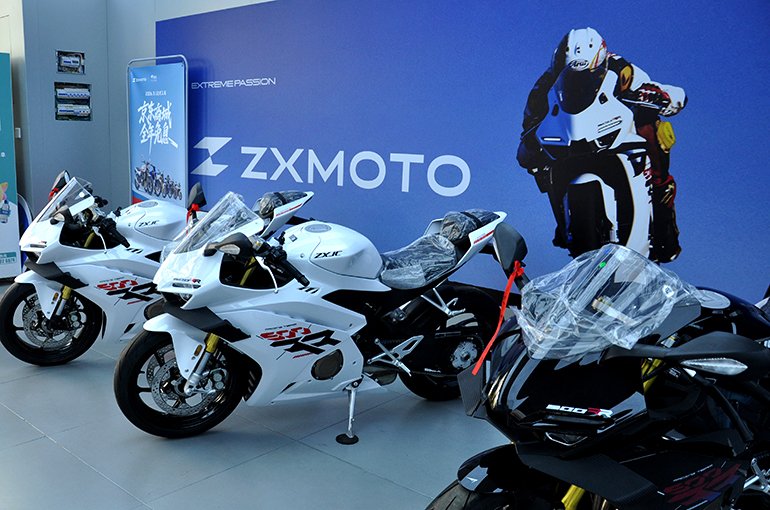
    ZXMOTO, a Chinese motorcycle manufacturer, has secured exclusive investment from the HSG Group, formerly known as Sequoia Capital China, boosting its valuation to approximately $890 million USD. Both parties chose not to disclose the exact investment amount at the announcement; however, the media reported that the current investment totals around CNY150 million (roughly $22.3 million USD).

    Established in Chongqing in 2024 by motorcycle entrepreneur Zhang Xue, ZXMOTO focuses on high-performance bikes and develops its own engines. The brand has gained notable recognition for its rapid rise in international racing, becoming the first Chinese firm to win a race in the WorldSSP category of the FIM Superbike World Championship, one of the premier racing series for production motorcycles.

    Looking ahead, ZXMOTO plans to continue emphasizing engine development, complete motorcycle production, R&D, and racing validation. The investment firm intends to leverage its expertise in corporate governance, talent recruitment, industry connections, and international markets to support ZXMOTO’s long-term expansion. This partnership is expected to help the company grow its production capacity and expand globally.

    Founder Zhang Xue expressed confidence that the new partnership offers long-term support, enabling ZXMOTO to further improve its engines and motorcycles, finalize product validation through racing tests, and incorporate real-user feedback. Zhang believes that Chinese high-performance motorcycles have the potential to appeal to customers worldwide, emphasizing that achieving this goal will require patience and sustained investment.

    Within just over two years, ZXMOTO has completed two funding rounds. Its initial angel round in July 2024 saw Gaoxin Lingzhi Venture Capital, part of Focus Capital, invest CNY20 million (around $3 million USD), valuing the company at CNY100 million. In January, Zhejiang Venture Capital Group, a state-owned investment arm, contributed CNY90 million across two funds during a Series A round, elevating ZXMOTO’s valuation to CNY1.1 billion.

    The company’s rising valuation is supported by its success in racing, having secured six wins in the WorldSSP series as of June 13. Financially, ZXMOTO reported a total output value of CNY750 million in 2026, with R&D expenditures totaling CNY69.6 million (about 9% of sales). Despite these investments, the company posted a net loss of CNY22.8 million for the year.

    To bolster production capacity, ZXMOTO recently acquired land in Liangjiang New Area, a key industrial zone in Chongqing, investing CNY48.5 million for development. Additionally, in collaboration with CMCU Engineering, a state-owned engineering firm, ZXMOTO is establishing an R&D and manufacturing facility slated to produce 500,000 motorcycles annually. The company has already surpassed 10,000 units in monthly production as of June.

    Recently, ZXMOTO’s 500RR sports motorcycle earned EU Whole Vehicle Type Approval certification from Luxembourg authorities. This approval indicates that the model meets EU market standards and can legally be sold across EU nations and other regions accepting WVTA certificates.

  • China’s Central Bank Plans Six-Month Reverse Repo to Stabilize Liquidity

    China’s Central Bank Plans Six-Month Reverse Repo to Stabilize Liquidity

    On August 14th, China’s central bank will execute a six-month outright reverse repurchase operation, rolling over CNY 1 trillion (approximately USD 147.4 billion) of maturing funds on a one-to-one basis to ensure sufficient liquidity within the banking system.

    This CNY 1 trillion six-month reverse repo will be conducted via interest-rate bidding with multiple favorable price levels today, according to a statement released yesterday.

    Earlier on August 5th, the People’s Bank executed a CNY 500 billion (around USD 73.7 billion) three-month outright reverse repo operation. Since only CNY 300 billion of this instrument matured during the period, the operation resulted in a net liquidity boost of CNY 200 billion, marking the second consecutive month that the central bank has rolled over maturing instruments with an increased volume, maintaining the same level as in July.

    The overnight interbank repurchase rate, known as DR001, has remained below the policy rate since August 4th, signaling persistent ample liquidity in the market. This has led analysts like Wang Qing, a senior macroeconomic analyst at Golden Credit Rating International, to suggest that additional liquidity injections are unnecessary, given the central bank’s recent cautious stance on volume increase rollovers.

    The liquidity injection on August 5th was designed to proactively close medium- and long-term liquidity gaps, counteracting this month’s CNY 2.77 trillion in government bond financing and CNY 1.9 trillion in maturing medium-term lending facility funds, pointed out Dong Ximiao, chief economist at China Merchants Union Consumer Finance.

    The recent rollover, matching the amount of principal maturing, helps prevent significant liquidity drain from expiring reverse repos from destabilizing market funding conditions and avoids excessive injections that could foster easing expectations. Both measures highlight the central bank’s commitment to maintaining ample market liquidity by balancing peaks and valleys, Dong explained.

    Nevertheless, with upcoming government bond issuances and a new CNY 800 billion policy-driven financial instrument rollout, liquidity support from the central bank will be essential. Wang anticipates that the People’s Bank will continue to rollover maturing medium-term liquidity instruments, including outright reverse repos and medium-term lending facility operations, with increased volumes to sustain net liquidity injections in the near future.

  • Lenovo Stock Jumps as Q1 Earnings Outpace Expectations on AI Growth

    Lenovo Stock Jumps as Q1 Earnings Outpace Expectations on AI Growth

    Lenovo’s shares soared following the company’s impressive fiscal first-quarter results, driven by the continued surge in artificial intelligence hardware demand. The company’s stock in Hong Kong closed up 20%, at HKD34.90 (approximately USD4.45) per share, marking nearly a 280% increase for the year so far.

    For the quarter ending June 30, the Beijing-based tech giant reported a 176% increase in adjusted net profit, reaching $1.08 billion compared to the previous year. Operating revenue also grew significantly, climbing 43% to $26.9 billion—the highest growth rate in five years.

    Company leadership highlighted this milestone, with the CEO stating, “We achieved our best quarter ever—record revenue, record adjusted profit, and a strong push in AI momentum.” Artificial intelligence has become a central growth driver, with AI-related business income soaring 60% during the quarter to a record $63.4 billion, making up roughly 35% of total revenue.

    The CEO emphasized that years of strategic investment and transformation are paying off, noting, “AI is now a clear growth engine across every business segment.” Despite the positive figures, the company reported an unusual net loss of $609 million, primarily due to a non-cash fair-value loss of $1.7 billion on warrants issued in 2025, as well as $30 million in nominal interest on convertible bonds.

    Looking ahead, the leader confirmed the company’s ambition to reach $100 billion in annual revenue within two years. “With the momentum from the first quarter, I believe we’re ahead of schedule and may achieve this goal sooner than expected,” he said.

    The company’s core business groups showed consistent growth. The Intelligent Device Group increased its global market share, with revenue climbing 27% to CNY116.4 billion (about USD17.25 billion), despite broader market challenges. The Infrastructure Solutions Group nearly doubled its revenue, hitting a record of CNY57.9 billion. Meanwhile, the Solutions and Services Group posted CNY19.6 billion in revenue, up 28%, marking a 21st consecutive quarter of double-digit growth.

    Lenovo continues to lead as the world’s largest PC manufacturer, maintaining a market share that is 5.3 percentage points ahead of its nearest competitor, HP—extending its lead for the tenth straight quarter.

  • Yen Slashes Half of Gains Amid US-Japan Policy Watch

    Yen Slashes Half of Gains Amid US-Japan Policy Watch

    The yen has fallen back toward the 160 mark against the US dollar, reversing much of its previous rally after the first joint US-Japan currency intervention since 1998. This shift has heightened speculation about potential further efforts to bolster the currency.

    Back on July 31, the US and Japan coordinated an intervention that briefly pushed the dollar-yen rate close to 155 from nearly 164 at the end of the previous month. The yen’s recent movement toward the critical 160 level has sparked renewed debate over whether the two nations might intervene again.

    Market focus is also on upcoming announcements from the Bank of Japan and the US Federal Reserve, with particular attention to whether Japan will utilize the Fed’s Foreign and International Monetary Authorities Repo Facility. This program permits foreign central banks to temporarily exchange their US Treasury holdings for cash to access US dollars.

    The policy decisions of the BOJ and the Fed could support a stronger yen. At the same time, the possibility of another joint intervention might encourage investors to unwind their speculative short positions against the yen, according to Tomo Kinoshita, a global market strategist specializing in Japan at Invesco.

    US Intervention Power Has Its Limits

    “Whatever it takes to support Japan in a way that benefits the US economy and taxpayers,” US Treasury Secretary Scott Bessent stated two days after confirming that the Treasury had joined Japanese financial authorities in intervening to stabilize the yen.

    Market analysts have noted that one of the main reasons behind US support for intervention is likely to stabilize the US Treasury market as the dollar-yen rate neared 164 at the end of July.

    Kinoshita emphasized that Japanese authorities are concerned that further yen depreciation could boost inflation, while US policymakers worry that a strong US dollar might erode US export competitiveness. They also monitor volatility in Japanese markets, such as rising yields on long-term government bonds, which could spill over into US long-term Treasury yields. These concerns have prompted stronger coordination between the US and Japan to curb yen depreciation, he added.

    However, just days after the joint effort, the yen again approached the 160 level. Market participants believe that Bessent’s capacity for currency intervention is limited, given the size of the Exchange Stabilization Fund, which has less than $220 billion available for such efforts.

    Marco Casiraghi, a senior economist at Evercore ISI, recently noted that if the yen continues trading above 160 without US intervention, the market might interpret this as a sign that the US is reluctant to sell dollars. This could add pressure on the currency and challenge both sides’ willingness to support a stronger yen.

    Focus on BOJ and Fed Policy Moves

    Kinoshita explained that the BOJ adopted a more hawkish stance during its recent monetary policy meeting at the end of July, indicating that core inflation might surpass the 2% target. BOJ Governor Kazuo Ueda also suggested that the pace of interest rate hikes could accelerate, which might further boost the effects of recent foreign exchange interventions.

    A substantial number of speculative short positions on the yen had accumulated in financial markets ahead of the intervention. If fears grow that another joint US-Japan effort is imminent, these positions might be forced to cover, pushing the yen even higher, Kinoshita said.

    UBS Global Wealth Management’s Chief Investment Office commented in a recent report that the US Federal Reserve’s policy direction will be crucial in determining the yen’s exchange rate.

    UBS suggested that, unless the BOJ undertakes a significant policy shift—such as accelerating interest rate hikes or raising its terminal rate above current expectations—the yen’s recovery is unlikely to be sustainable.

  • China’s US Dollar Deposit Rates Reach 4% Amid Banking Competition

    China’s US Dollar Deposit Rates Reach 4% Amid Banking Competition

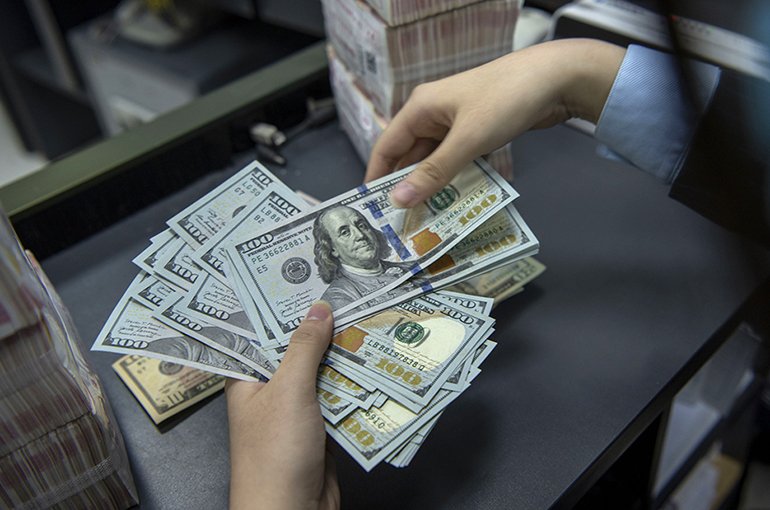
    Banks in China are raising US dollar fixed deposit rates to as high as 4 percent, intensifying competition for new funds amid a strengthening yuan.

    Offshore banks operating in China are offering some of the most attractive fixed deposit rates, which pay a fixed interest over a predetermined period. Chinese joint-stock and regional commercial banks are also actively vying for foreign currency deposits, with most products now providing interest rates exceeding 3 percent.

    For example, Hang Seng Bank, based in Hong Kong, launched a promotional rate in July for new US dollar fixed deposits with a minimum of USD 20,000. Its one-month US dollar fixed deposit currently offers an annualized rate of 4 percent, making it the highest among similar offerings.

    This spike in deposit rates is driven by various factors, including the exchange rate environment, fierce deposit competition, and expectations of rate cuts by the Federal Reserve. These elements have resulted in an unusual situation where short-term deposits yield higher rates than longer-term ones.

    Leading the charge, Hong Kong’s Bank of East Asia is running promotional offers for new individual customers, with annualized rates between 3.2 percent and 3.4 percent for US dollar fixed deposits, requiring minimum deposits of USD 10,000 to USD 50,000. These rates are available until August 31.

    Chinese banks have followed suit but generally with lower deposit minimums. China Minsheng Bank and China Citic Bank are offering annualized rates of 3.1 percent and 3 percent, respectively, for deposits over USD 100.

    Shenyang’s Shengjing Bank only demands a minimum deposit of USD 50 and offers rates of 3.1 percent on both one- and two-year deposits. Meanwhile, Bank of Beijing provides a 3 percent annual rate on one-year US dollar fixed deposits, with a minimum deposit of USD 5,000.

    The recent rise in US dollar fixed deposit rates is influenced by a combination of the exchange-rate trend and banking strategies.

    Since the end of 2025, the yuan has been on an appreciation streak, appreciating over 3 percent against the US dollar this year alone. According to Zeng Gang, head of a financial research institute, the stronger yuan has led foreign exchange holders to be less inclined to convert their assets into yuan, and residents and businesses are increasingly holding their wealth in US dollar deposits. Consequently, some city commercial and foreign banks are competing actively for these funds, leveraging higher interest rates to attract new depositors.

    Yuan-denominated deposits declined for two consecutive months in April and May, dropping over CNY 2 trillion (roughly USD 296.5 billion). Household deposits only rebounded in June, as depositors chose not to renew maturing low-interest deposits, instead shifting their funds into various asset management products and capital markets.

    Yuan deposit rates have fallen to about 1 percent, prompting banks to offer higher rates on US dollar deposits to compensate for the low returns on yuan deposits and to attract new funds — said Lou Feipeng, from Postal Savings Bank of China.

    An unusual inversion of the typical pattern has emerged, with short-term deposit rates surpassing those for medium and long-term deposits. For example, China Minsheng Bank offers an annualized rate of 3.1 percent on one-year US dollar deposits, compared to 2.8 percent for two-year deposits.

    Zeng believes this phenomenon is due to generally stable expectations for the Federal Reserve’s rate-cut trajectory, with banks expecting medium- and long-term US dollar interest rates to decline further. Locking in two-year liabilities now at high costs could lead to asset yields falling over the period, risking that banks pay more interest on deposits than they earn from their linked assets.

  • Chinese Bank Acceptance Bills Rediscount Rate Holds Steady at ~0.5%

    Chinese Bank Acceptance Bills Rediscount Rate Holds Steady at ~0.5%

    The rediscount rate for bank acceptance bills in China has remained around 0.5 percent this month, sparking concern within the market regarding credit sentiment. Yesterday, the rate for six-month bills issued by state-owned joint-stock banks held steady at 0.5 percent, while the rate for three-month bills has hovered around 0.51 percent since last week, according to data from the Shanghai Commercial Paper Exchange.

    Because of the close relationship between credit and funding, bill interest rates are often viewed as a leading indicator of credit extension optimism. When rates decline at the end of the month, it typically signals subdued demand for credit.

    Unlike the zero interest rate phenomena that sometimes occur during off-peak credit periods, the rediscount rates for bills have maintained a floor of 0.5 percent since July, under regulatory guidance. This threshold is a unified mandate from relevant authorities for all institutions. An industry insider from an eastern Chinese city commercial bank explained that regulators have restricted some banks from conducting rediscount operations on acceptance bills at rates below 0.5 percent since July, aiming to curb the practice of buying bills cheaply to boost credit expansion.

    Although 0.5 percent isn’t necessarily a breakeven point, such regulatory instructions help mitigate the negative impact of institutions inflating credit scales, another banking source noted. June saw a smaller decrease in new corporate loans compared to new individual loans, according to data from the People’s Bank of China. Short-term and medium-to-long-term corporate loan balances shrank by 790 billion yuan (around USD 117.1 billion) from a year earlier, while new on-balance sheet bills increased by 525.3 billion yuan. Their contribution to new credit also surged compared to the previous year, which was unusual for June, a month typically characterized by peak credit activity.

    June marked the third month in a row with year-over-year bill financing growth exceeding 400 billion yuan. For the first half of the year, growth in bill financing among new corporate loans expanded by 860.7 billion yuan from the same period last year. According to industry insiders, this steady rise in bill financing suggests ongoing demand for tangible financial support, indicating that while social financing remains stable, the main trend in July is a slowdown in overall credit growth coupled with quality improvements.

    As the peak construction season approaches, along with the accelerated deployment of funds from new policy financial tools and the anticipated introduction of additional policies, analysts expect market sentiment regarding the broader economy and credit recovery to grow more optimistic in the third and fourth quarters.

    A recent Politburo meeting signaled a focus on “stable growth,” according to Wang Yifeng, chief financial analyst at Everbright Securities. Looking ahead, he noted that the implementation of current policies aimed at boosting efficiency, along with the building of policy reserves, will likely foster new sources of credit expansion and help ease year-over-year growth pressures.