

Select Language:
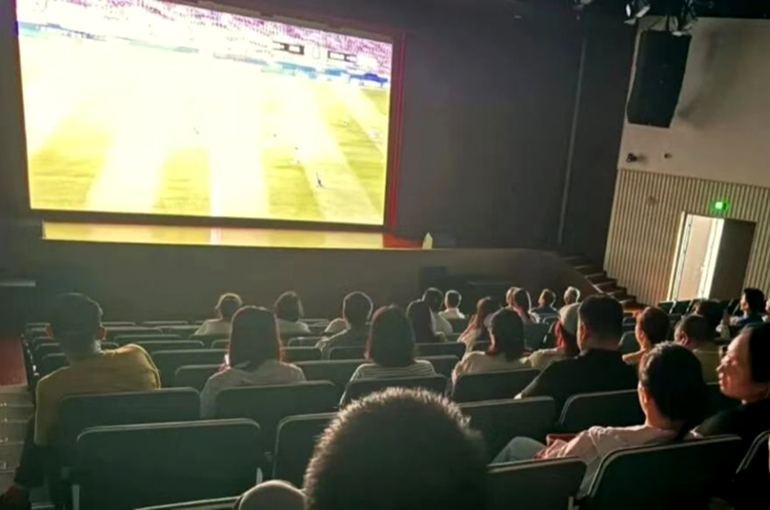
Chinese movie theaters and hotels are exploring new revenue opportunities this summer by broadcasting live matches from the World Cup, providing fans with immersive viewing experiences through large screens and premium sound systems.
This development has been enabled by the recent approval of broadcasting rights. The main media rights holder for the tournament in mainland China has authorized the China Film Group Corporation to distribute screening licenses to cinemas taking part in the live broadcast initiative.
Over 1,200 cinemas across more than 150 Chinese cities have completed technical preparations ahead of the event. During this year’s World Cup, more than 60 matches will be streamed live.
The initiative aims to create fresh consumer demand by drawing football enthusiasts to theaters and hotels, while also supporting nearby dining and retail establishments through joint promotions and partnerships.
Due to the time difference with North America, many live broadcasts occur early in the morning in China. However, some prominent fixtures are scheduled for the early hours, such as the England-Croatia game at 4 a.m. today.
On a popular cinema app, participating theaters have already started selling tickets for the World Cup viewing sessions. Ticket prices range from about CNY40 to CNY50, roughly equivalent to USD6 to USD7.
This marks the first major mass-scale live screening of World Cup matches in Chinese cinemas. During the 2022 tournament, efforts were made by some cinemas to offer live broadcasts, but there were limited screenings mainly due to licensing issues.
Hotels are also leveraging the tournament to draw in guests. Some include high-quality match broadcasts as a key feature of their services, with luxury hotels offering special packages in presidential suites designed for groups of more than 10 people, equipped with professional audiovisual equipment and dedicated services.
Dedicated viewing venues for the World Cup are expected to boost sales for cinemas and hotels, while also increasing patronage at local restaurants and shops through collaborations with nearby merchants, according to industry analysts.
Sources: Tang Shihua, Emmi Laine
 ChatGPT
 Perplexity
 Gemini AI
 Grok AI