
Select Language:
A court in China recently issued a first-instance ruling in a trademark dispute involving a well-known Chinese tea brand and a French luxury goods company. The court ordered the Chinese tea company to pay 10 million yuan (approximately $1.5 million USD) in damages for economic losses and an additional 300,000 yuan (around $44,190 USD) for reasonable legal expenses.
The Suzhou Intermediate People’s Court found that the Chinese tea company and its store in Wuzhong Economic and Technological Development Zone had violated the exclusive rights to seven registered floral graphic trademarks owned by the luxury brand. The company is required to settle the payment within 10 days from the date of the judgment.
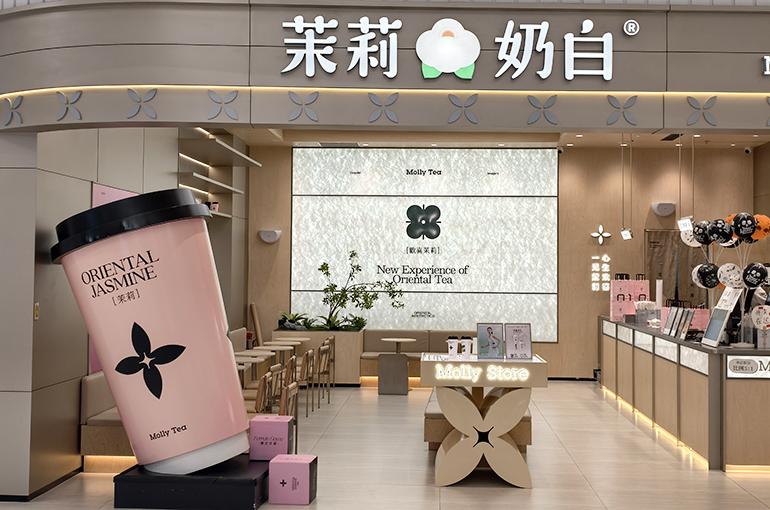
The floral designs used by the tea brand on storefronts, cups, and other merchandise were found to bear a striking resemblance to the registered floral trademarks, both in overall shape and layout elements. This similarity was deemed enough to potentially confuse consumers regarding the origin of the products and services, according to the court’s ruling.
The Chinese tea company has announced plans to appeal the decision. The company’s representatives stated they will pursue legal recourse in accordance with regulations. The luxury brand has yet to comment publicly on the ruling.
Recently, the tea company updated its logo in its online membership platform, replacing the traditional black design with a colorful version. The brand is targeted at young female consumers and operates over 2,300 stores across 68 Chinese cities, with more than 50 international outlets in countries including the U.S., Canada, and Australia.
Legal experts noted that the dispute involves the protection of well-known trademarks across different industries. The floral graphic in question is highly recognizable and distinctive, making it understandable that the defendant should have avoided copying it.
The rapid expansion of the tea chain and its extensive use of the infringing logo likely contributed to the high compensation imposed, according to legal analysts. They also mentioned that the core issue on appeal would be the reasonableness of the compensation amount, especially since taste, price-performance, and brand positioning often carry more weight in the food and beverage sector than graphic trademarks.
If the tea company chooses to proceed with an appeal, challenging the damages awarded would be a central point. The ruling might also prompt luxury brands to intensify efforts in protecting their trademarks across various industries. Many other new tea brands have previously faced accusations of using packaging and design elements similar to registered trademarks.
Historically, most legal actions by luxury brands have targeted counterfeit producers, but enforcing these judgments has proven challenging due to defendants’ limited financial capacity to pay damages.
 ChatGPT
 Perplexity
 Gemini AI
 Grok AI