Author: Seok Chen

  • China’s White Goods Exports Rebound First Half, Challenges Remain

    China’s White Goods Exports Rebound First Half, Challenges Remain

    China’s exports of household appliances, excluding color TVs, showed signs of recovery during the first half of the year, increasing by 4.6 percent compared to the previous year to reach $71.8 billion, according to customs data. Nonetheless, industry insiders warn that the global economic environment remains tough, and overseas consumer demand has yet to fully bounce back.

    The growth rates of various appliance categories presented a mixed picture in the first six months. While cooling appliances, health and environmental products, and small kitchen appliances experienced rapid growth, exports of some larger appliances and traditional low-end categories declined year-over-year.

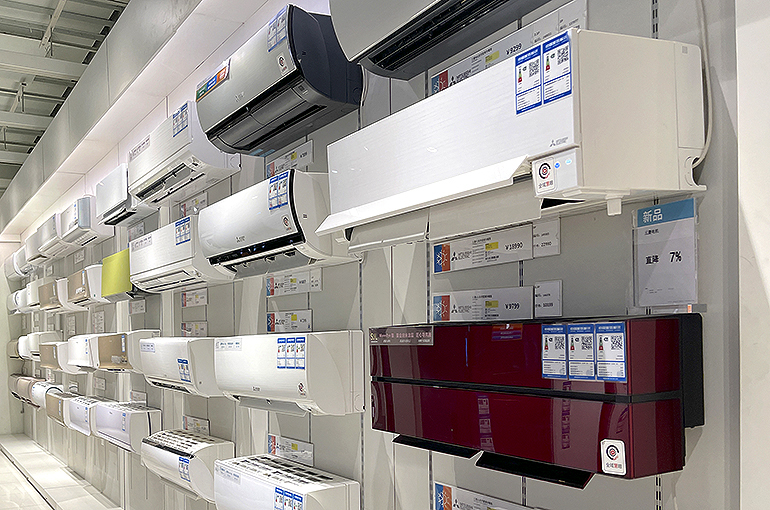
    As the top export category by value, air conditioners faced pressure from a high comparison base last year and other factors. The total export volume dropped 9.7 percent in the first half, totaling 51.4 million units. Exports to Europe fell by 4.2 percent to 13.3 million units.

    However, an unusually hot summer caused shortages of portable air conditioners in parts of Europe, including several Western European nations. Customs data indicate China’s exports of home air conditioners to the European Union increased by 2.4 percent in the first half compared to the same period last year, reaching $1.5 billion, with export volume rising 4.6 percent to nine million units. Notably, exports of portable air conditioners to the EU surged, with values jumping 66 percent to $250 million and volume increasing 62.9 percent to 2.1 million units.

    Global economic conditions remain fragile, and overseas consumers are still cautious about spending, said Yu Xuehui, founder of a small home appliance export platform in Ningbo. Consequently, home appliance exports in the first half should not be viewed as having fully bottomed out or recovered yet.

    Leading manufacturers are focusing on expanding in emerging markets and Europe. Recently, Midea established a subsidiary in South Africa, with plans to start manufacturing washing machines there later this year. Additionally, the European Heat Pump Association visited Haier’s headquarters to explore its large heating and cooling business.

    Experts note that China’s home appliance export challenges include product diversification, regional disparities, and slowing growth. Exports of traditional air conditioners and low-end small kitchen appliances are declining, while growth increasingly depends on eco-friendly appliances and premium small appliances. The North American market share continues to dwindle, which presses companies to diversify sales channels. A swift return to rapid export growth is unlikely; instead, companies should seize opportunities in emerging markets and prioritize high-value product categories to counterbalance weaker traditional markets and low-end products.

    Air conditioner exports faced particular pressure in the first half, according to Li Xuefei, an analyst at China Industrial Online. Orders from the Middle East sharply declined amid geopolitical conflicts, while high inventory levels in Eastern Europe and Latin America dampened new orders. Conversely, demand for portable air conditioners in Western Europe rose due to hot weather, leading to a 70 percent year-over-year increase in shipments. Nevertheless, inventories of split air conditioners remain relatively high.

  • Robot Outperforms Experts in 5-Second Screwing: New Chinese Innovations Shine

    In a surprising display of technological advancement, a new generation of robots in China has demonstrated a remarkable ability to outperform seasoned human workers in precision tasks. Specifically, a recent demonstration showcased a robot completing the task of twisting screws in just five seconds—a feat that rivals, and in some cases surpasses, that of experienced technicians.

    This development is part of China’s broader push to integrate cutting-edge robotics into manufacturing and industrial processes. The robots—dubbed the “New Three Strong” by industry insiders—are designed with advanced sensors, AI algorithms, and high-speed actuation capabilities, allowing them to perform intricate manual tasks with impressive speed and accuracy.

    Manufacturing experts point out that these robotic systems represent a significant leap forward, particularly in sectors where precision and efficiency are paramount. The speed at which the robot secures screws not only streamlines production lines but also reduces human error and fatigue, leading to safer and more consistent output.

    Moreover, these innovations highlight China’s strategic move to upgrade its industrial base through automation, aiming to foster higher productivity and maintain a competitive edge in global markets. As these “New Three Strong” robots continue to evolve, they are expected to take on more complex tasks, further transforming traditional manufacturing landscapes.

    Industry analysts agree that this technological shift could mark a turning point in automation, illustrating how artificial intelligence and robotics are rapidly closing the gap with human expertise—and in some cases, exceeding it. The rapid integration of such advanced machines signifies a future where human labor is complemented and sometimes replaced by highly efficient robots, reshaping the manufacturing workforce in unprecedented ways.

  • Gemini Focus: Google Disbands AlphaFold AI Team That Won Nobel

    Google’s parent company, Alphabet, has made the surprising decision to disband its AI team responsible for developing AlphaFold, a groundbreaking system that predicted protein structures with remarkable accuracy. This move comes after the company’s internal focus shifted away from AI projects that, while innovative, did not align with broader corporate goals.

    AlphaFold, developed by DeepMind — a subsidiary of Alphabet — earned significant recognition in the scientific community, including a Nobel Prize-worthy breakthrough in understanding the complex folding of proteins. Its ability to accurately predict how proteins fold has opened new doors for medical research and drug discovery, marking a major leap forward in computational biology.

    Sources within the tech giant reveal that the discontinuation of the AlphaFold team is part of a larger strategic realignment. Alphabet is reportedly reallocating resources to other emerging technologies and core business areas. While the news has surprised many in the AI and biotech communities, insiders emphasize that the technology behind AlphaFold will still be accessible, with ongoing collaborations and licensing agreements in place.

    Industry experts are weighing in on the move, noting that the decision might reflect broader industry trends where tech giants reassess their investments in specialized AI research. Though disbanding the team signals a shift in internal priorities, the scientific achievements of AlphaFold continue to resonate, demonstrating the immense potential of AI in understanding life’s fundamental processes.

    As Google and its subsidiaries move forward, the focus appears to be pivoting toward practical applications with broader commercial appeal, leaving some to wonder if the era of dedicated AI teams like AlphaFold’s will be a fleeting chapter in the evolving landscape of artificial intelligence development.

  • Xianyu: AI Orders Near 10M in Six Months, Up 157%, Women Sellers 62.4%

    On the e-commerce platform Xianyu (Idle Fish), artificial intelligence-driven transactions have seen remarkable growth over the past six months. The platform reported nearly ten million AI-related orders during this period, marking a substantial 157% increase compared to the previous year.

    Notably, women account for a significant majority of these transactions, comprising approximately 62.4% of AI-related sales. This trend highlights a growing presence of female entrepreneurs actively engaging in AI-enabled commerce on the platform.

    The surge in AI order volume indicates a broader shift toward integrating intelligent technologies within online marketplaces. As more users embrace AI tools for various services and products, platforms like Xianyu are experiencing accelerated growth and expanding opportunities for sellers across different demographics.

    Industry experts see this momentum as a positive sign of evolving consumer behavior and technological adoption—especially among women—who are increasingly taking active roles in shaping the future of digital commerce.

  • How to See Why My $14 Case Keeps My Old Gaming Mouse Looking New

    How to See Why My $14 Case Keeps My Old Gaming Mouse Looking New

    My tech accessories often end up getting scratched or scuffed almost immediately. Not intentionally—it’s just the consequence of carrying them around in my bag. The glossy finish that makes them look brand new tends to fade far too quickly for my liking.

    For instance, I scratched the side of my headset shortly after purchasing it, and I also nicked the display of my smartwatch by storing it in the same compartment as my laptop charger—whoops.

    However, there’s one piece of equipment that has remained unmarred: my gaming mouse. Why? Because I purchased a $14 protective case for it at the same time and have consistently used it from the start.

    This case, made by Serounder, features a lightweight yet sturdy shell covered in woven fabric. Inside, there’s a soft, suede-like lining that feels pleasant to the touch. The combination of hard exterior and soft interior reminds me of a vintage violin case, giving me a satisfying sense of protection each time I stow away my mouse.

    Knowing my mouse is secured in this case provides peace of mind. It shields the device from drops, scratches, and the pressure exerted by other items pressing against or resting on it inside my bag.

    So far, this case has proven incredibly durable, maintaining my mouse in pristine condition despite years of use and frequent travel—whether on my daily commute or trips to cities like San Francisco, New York, or Nashville. The finish still looks new, the buttons function flawlessly, and there’s no lingering dirt accumulating in the crevices.

    I found this case on eBay, but a similar version is available on Amazon. Although it’s designed to fit the Logitech MX Vertical, it also accommodates my Razer Cobra Pro and likely other compact mice—just double-check the dimensions to ensure a good fit, as most mice of a similar size and shape should work.

  • Hundreds of Claude Chat Logs Indexed by Google, Anthropic Says User Shared Them Voluntarily

    Hundreds of Claude Chat Logs Indexed by Google, Anthropic Says User Shared Them Voluntarily

    Millions of conversations from Claude chat users have recently come to light after being indexed by Google, raising privacy concerns. Anthropic, the company behind Claude, responded to the situation by clarifying that users intentionally shared their chat histories, which led to the indexing.

    The revelation has sparked discussions about online privacy and data security, especially considering that these conversations, some containing sensitive information, are now accessible through search engines. Experts warn that even with user consent, the ease of access raises questions about how personal data is protected in AI chat services.

    Anthropic emphasized that their users are aware of and actively choose to share their chat content, which is then publicly accessible. The company reassured customers that they are continuously working to improve privacy controls and encourage responsible sharing.

    This incident highlights the ongoing challenges faced by AI companies in balancing transparency, user privacy, and data management. As AI chat services become more integrated into daily life, ensuring that users understand how their information is handled remains critical. The industry continues to grapple with establishing clear boundaries to protect user confidentiality while providing valuable AI-driven interactions.

  • August PlayStation Plus Free Games Reveal Big Surprise

    August PlayStation Plus Free Games Reveal Big Surprise

    Sony Interactive Entertainment has revealed the free monthly games for PS Plus Essential in August 2026, with a noteworthy inclusion of Dying Light 2: Stay Human Reloaded Edition for all subscribers.

    Starting Tuesday, August 4, all PS Plus members can download these titles at no extra cost:

    – Dying Light 2 Stay Human: Reloaded Edition for PS5 and PS4
    – Big Walk for PS5
    – Signalis for PS4

    Additionally, beginning August 6, PS Plus members can claim a free Marvel Tokon: Fighting Souls Pack from the PlayStation Store. This limited-time offer includes:

    – Five character avatars inspired by Marvel Tokon: Fighting Souls, featuring Captain America, Storm, Spider-Man, Doctor Doom, and Ghost Rider
    – A set of in-game Result Screen Character Poses showcasing 20 characters, including Spider-Man, Ms. Marvel, Star-Lord, Peni Parker, and others

    Sony advises claiming the pack promptly, even if players don’t purchase Marvel Tokon: Fighting Souls immediately, as the pack will only be available for a limited period.

  • Apple Enters Smart Home Market With New Siri-Powered Devices

    Apple Is Expanding Its Footprint in the Smart Home Market with New Innovations

    In a bold move to strengthen its position in the rapidly growing smart home industry, Apple has announced plans to launch several new products aimed at transforming household living experiences. Among the upcoming releases are a new home hub device designed to serve as the central control point for various smart appliances and connected gadgets throughout the house.

    This strategic push underscores Apple’s commitment to integrating its renowned AI assistant, Siri, into everyday home automation. The company envisions a more seamless and intuitive user experience, where users can effortlessly manage everything from lighting and climate control to security cameras, all through voice commands and smart interfaces.

    Sources close to Apple suggest that the upcoming home hub will feature advanced connectivity capabilities, enhanced security protocols, and a user-friendly design that aligns with the company’s sleek aesthetic. The device aims to serve as a bridge connecting various third-party smart home products, allowing users to coordinate their devices via a single, cohesive platform fueled by Siri’s AI intelligence.

    Apple’s move into the smart home space aligns with broader industry trends, as consumers increasingly seek integrated solutions that simplify daily routines. By leveraging its existing ecosystem of devices and its powerful AI assistant, Apple appears poised to make a significant impact in this competitive arena.

    More details about the specific features and release dates are expected to be announced soon, as Apple continues to position itself at the forefront of smart home innovation. Enthusiasts and industry watchers alike are eager to see how Apple’s latest offerings will influence the future of connected living.

  • Kimi K3: Beijing AI Is Finishing Up Action Puzzle

    In the rapidly evolving world of artificial intelligence, Beijing AI is making impressive strides to catch up with industry leaders. While Kimi K3 continues to capture attention for its innovation, Beijing’s local AI initiatives are actively working to complete the broader “Action Puzzle,” striving to establish a more competitive presence in the global AI landscape.

    Over recent months, efforts within Beijing’s AI community have intensified, focusing on accelerating development and deploying cutting-edge technologies. Industry insiders suggest that this concerted push is aimed not only at matching the offerings of established players like Kimi K3 but also at fostering a more dynamic and diverse ecosystem of AI solutions.

    As AI technology becomes increasingly integrated into everyday life, Beijing’s commitment to innovation underscores its desire to remain at the forefront of this digital revolution. With significant investments and collaborative efforts across academia and industry, the region is positioning itself as a formidable hub for AI research and application.

    This ongoing race symbolizes more than just technological advancement; it reflects a broader ambition to lead the future of artificial intelligence, enriching local innovation while potentially reshaping the global AI landscape in the years to come.

  • China-Europe Railway Cuts Aircon Delivery to Europe to 15 Days

    China-Europe Railway Cuts Aircon Delivery to Europe to 15 Days

    The China-Europe Railway Express has significantly shortened the delivery time for air conditioners to heatwave-affected Europe—from around 40 days by sea to approximately two weeks by rail—bolstering international trade and economic connections, said Liang Linchong, a senior official at the National Development and Reform Commission’s Department of Regional Opening-Up, during a recent press briefing.

    Last month, Europe endured a historic heatwave with temperatures soaring over 40°C in several regions. In response to the rising demand for air conditioning units, Chinese manufacturers such as Midea Group and Gree Electric Appliances shifted their logistics from sea freight to rail, cutting delivery times from nearly six weeks down to about 15 days.

    The China-Europe Railway Express was established on June 8, 2016, with departures from various Chinese cities including Chongqing, Chengdu, Zhengzhou, Wuhan, Changsha, Suzhou, Dongguan, and Yiwu.

    Since its inception, the railway has completed over 130,000 freight trips, transporting goods valued at more than USD 520 billion, according to the National Development and Reform Commission.

    As of June, the rail service maintained a 100% container utilization rate for 46 months in a row. The outbound and inbound trips nearly balance each other out, indicating a well-adjusted freight flow. This efficiency has greatly enhanced the circulation of goods and fostered industrial cooperation among countries along the route.

  • Uncovering AI Porn Industry: Ordinary Photos Turned Into Obscene Images

    Chinese authorities have uncovered a disturbing underground industry that exploits artificial intelligence technology to produce inappropriate images from ordinary photos. This investigation sheds light on a growing black market where non-consensual and explicit images are generated using AI, raising serious concerns about privacy and ethical boundaries.

    The authorities revealed that once a seemingly harmless photograph—such as a person’s casual image—can be transformed into explicit or inappropriate material through sophisticated AI algorithms. These AI-driven tools are often employed without the consent of the individuals involved, leading to widespread fears about privacy violations and potential misuse.

    Law enforcement agencies are now actively tracing and dismantling these illicit networks, which operate covertly across various platforms. The industry not only traffics in non-consensual image manipulation but also exploits vulnerable individuals, prompting calls for strengthened regulations and technological safeguards.

    This revelation highlights the urgent need for increased awareness and protective measures in the digital space, especially considering how easily personal images can be weaponized in the digital age. Experts warn that without proper oversight, this trend could accelerate, causing further harm to unsuspecting individuals and amplifying the dark side of AI innovation.

  • Quantum Computing Boosts Network Optimization 240 Times: AT&T Expands with D-Wave

    Quantum Computing Boosts Network Optimization 240 Times: AT&T Expands with D-Wave

    AT&T has announced an expansion of its partnership with D-Wave to leverage the power of quantum computing in network optimization. This collaboration aims to significantly accelerate the process, potentially increasing efficiency by up to 240 times compared to traditional methods.

    The move marks a major step forward in integrating cutting-edge quantum technology into practical applications within the telecommunications industry. By harnessing D-Wave’s quantum computers, AT&T hopes to streamline complex network management tasks, improve service reliability, and enhance overall operational agility.

    Industry experts believe that this pioneering effort could pave the way for broader adoption of quantum solutions in various sectors, transforming how large-scale networks are maintained and optimized. As quantum technology continues to evolve, partnerships like this highlight the growing confidence in its potential to revolutionize digital infrastructure and bring about smarter, more responsive networks.

  • Qualcomm and IDC: Personal AI Will Be the Next Growth Point

    Qualcomm and IDC: Personal AI Will Be the Next Growth Point

    Qualcomm and IDC have recently released new insights warning that personal AI is poised to become the next major driver of growth in the consumer electronics industry. According to their latest analysis, advancements in artificial intelligence are shifting from being primarily integrated into cloud services toward more personalized, on-device experiences.

    Experts highlight that as AI technology becomes more efficient and accessible, it is increasingly expected to enhance daily life through smart gadgets and personal devices. This shift is anticipated to lead to an unprecedented surge in demand for customized AI applications, transforming everything from smartphones and wearables to home automation systems.

    Industry analysts suggest that this emerging trend could significantly impact the electronics market, opening new avenues for innovation and revenue. Qualcomm, a leading chipmaker, emphasizes that the development of powerful, energy-efficient AI chips will be crucial in enabling this personalization revolution. Meanwhile, IDC forecasts that the adoption of personal AI solutions will accelerate rapidly in the coming years, reshaping how consumers interact with technology on a daily basis.

    As the landscape evolves, companies are likely to invest heavily in developing on-device AI capabilities, prioritizing user privacy and responsiveness. Overall, the consensus is clear: personalized AI is set to carve out a substantial share of the future consumer electronics market, fostering a new era of smarter, more intuitive devices.

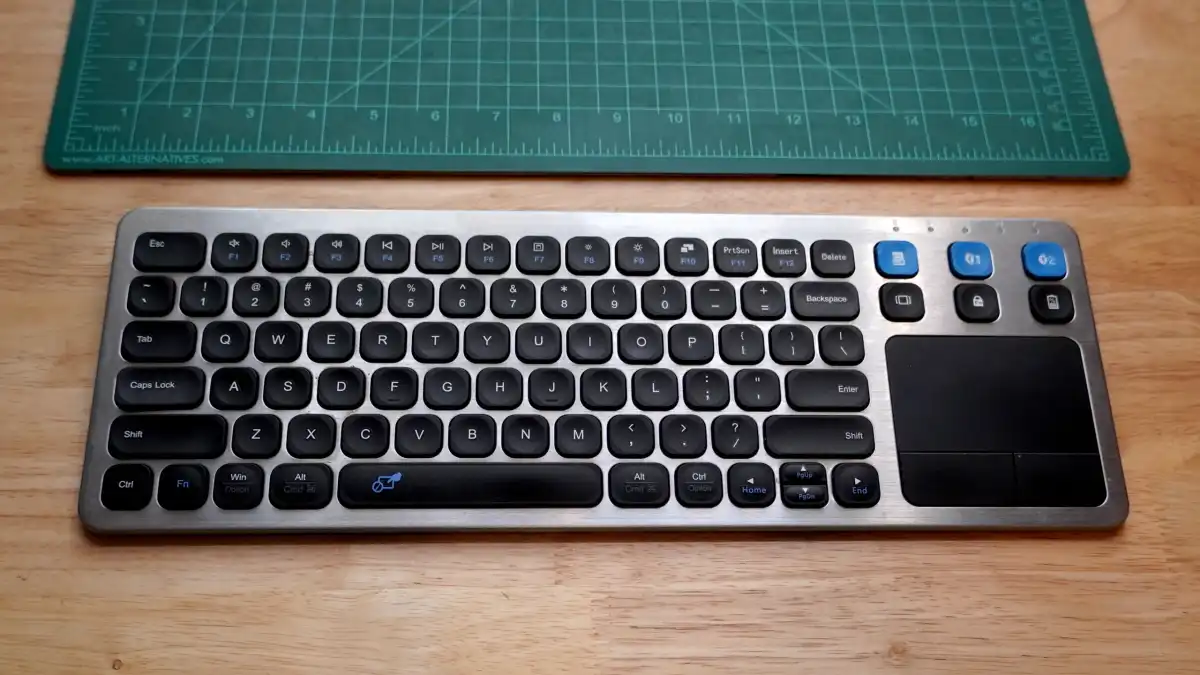
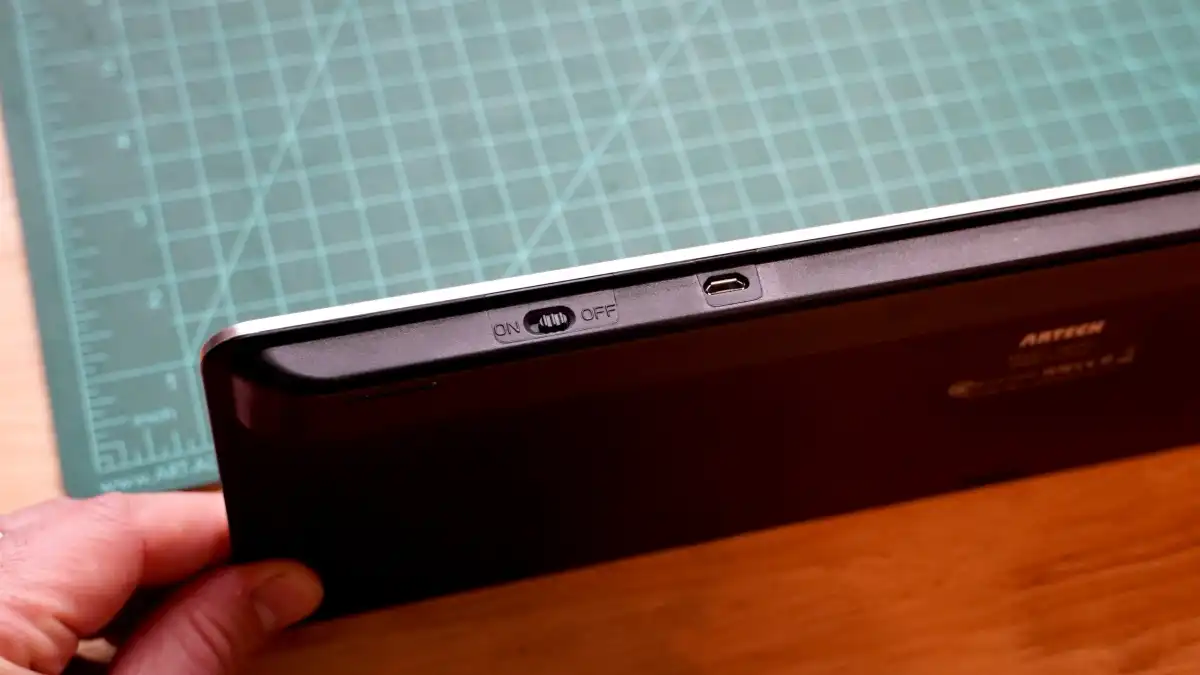
  • How to Fix My Biggest Smart TV Annoyance with a $40 Keyboard

    How to Fix My Biggest Smart TV Annoyance with a $40 Keyboard

  • Redesys Completes AMI Buyout to Build Safety Management Platform

    Ledis Completes Acquisition of AMI, Collaborates to Develop a Secure Management and Control Platform

    In a strategic move aimed at strengthening its position in the safety management industry, Ledis has successfully finalized the acquisition of AMI, a renowned company specializing in control systems. This collaboration paves the way for the development of an innovative, comprehensive platform dedicated to safety management and control.

    The integration of AMI’s cutting-edge technology with Ledis’s extensive industry experience signals a significant step forward in creating secure and efficient safety solutions. Industry analysts view this partnership as a promising move that could set new standards in secure management infrastructure.

    Ledis expressed enthusiasm about the acquisition, emphasizing its commitment to enhancing safety protocols and offering more robust solutions to clients across various sectors. Both companies plan to work closely to develop a unified platform that combines their strengths, aiming to deliver more reliable and user-friendly safety management systems.

    The deal underscores the growing importance of integrated safety solutions in today’s fast-paced and technology-driven environment. As companies increasingly prioritize risk mitigation and operational security, innovations like this could become vital tools for ensuring safety and compliance across industries.

  • Nvidia Invests in OpenAI’s Former Chief Scientist’s AI Lab, Offers GPUs to Replace Google TPUs

    NVIDIA has announced a strategic partnership with OpenAI, bringing on board the company’s former chief scientist to lead a new AI research laboratory. This move signals NVIDIA’s growing influence in the artificial intelligence sector and its commitment to advancing AI hardware and software solutions.

    The new laboratory aims to develop innovative AI models and infrastructure, with a particular focus on leveraging NVIDIA’s powerful GPU technologies. Industry insiders suggest that this initiative could challenge existing hardware giants like Google, which relies heavily on its custom-designed TPU chips for AI processing.

    By integrating the expertise of OpenAI’s former lead scientist, NVIDIA hopes to accelerate its research and production of cutting-edge AI hardware. The goal is to create more efficient, scalable, and cost-effective computing options that can be adopted across various industries—from healthcare and autonomous vehicles to data centers and cloud services.

    This collaboration also underscores a broader industry trend toward hardware competition in AI development. While Google’s TPUs have been highly effective, NVIDIA’s superior GPU architecture could offer significant advantages, especially as demands for larger, more complex AI models continue to grow.

    As the AI landscape evolves, NVIDIA’s investment in this new lab signifies its ambitions to disrupt the status quo and solidify its position as a leader in AI hardware innovation. Both companies stand to benefit from this partnership—NVIDIA through technological breakthroughs and industry influence, and OpenAI via enhanced hardware support for its ambitious AI research projects.

  • How to Tell If You Need a High-End GPU for Gaming

    How to Tell If You Need a High-End GPU for Gaming