

Select Language:
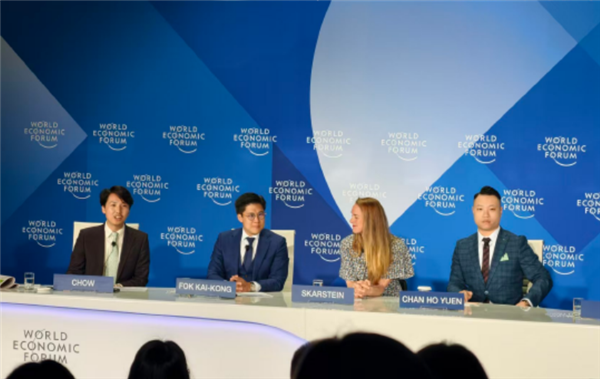
The 17th Annual Meeting of the New Champions, hosted by the World Economic Forum, has kicked off in Dalian. This summer gathering, known as the Dalian Summer Davos Forum 2026, brought together global leaders and thought influencers to discuss pressing issues shaping the future. During a side panel themed “The Diverse Lives of Athletes,” Ho Chih-Kang shared his insights on the rise of artificial intelligence and its implications for young talent development.
Ho emphasized that AI has become unavoidable over the past year, shifting from skepticism—“not using AI”—to a necessity—“must use AI,” adding that he feels the pressure of potentially being left behind if he doesn’t adapt. He disclosed that he’s now incorporating AI into his work routines, but he made it clear that using AI doesn’t mean relinquishing personal judgment. “AI should assist, not replace, the thinking process,” he said. “It’s essential to rely on our experience, analytical skills, and logical reasoning rather than copying AI output blindly.”
Addressing concerns about AI’s impact on employment and the labor market, Ho expressed confidence in human adaptability. While past industrial revolutions have sparked fears of automation displacing jobs, he remains optimistic: “AI is inevitable, but humans will ultimately stay in control. We have the capacity to steer the future.”
He advocates shifting focus from worrying about job loss to a more fundamental issue: “How do we nurture young talent and develop their ways of thinking? How can we teach them to effectively harness AI as a tool?” Ho stressed that true talent cultivation begins early, emphasizing that it’s not just about learning to operate AI but about fostering underlying cognitive skills—creativity and problem-solving—especially in children. He advocates guiding the next generation to use AI as an extension of their abilities, expanding their creative and intellectual horizons.
Ho also touched on the ethical considerations surrounding AI development, underlining the importance of education and ethical training in shaping responsible AI use. “Only by properly addressing these issues can AI genuinely promote human progress and societal advancement,” he concluded.
 ChatGPT
 Perplexity
 Gemini AI
 Grok AI