الوسم: Samsung

  • Samsung Is Targeting Smart Glasses To Disrupt The Market

    Samsung Is Targeting Smart Glasses To Disrupt The Market

    Samsung is gearing up to dive into another wearable technology category, just months after its debut smart ring was launched. According to a research firm based in Shenzhen called Wellsen XR, the company plans to unveil smart glasses that could be available by late 2025 or early 2026.

    “Samsung Electronics has confirmed its intention to release AI smart glasses, with an initial production run of 500,000 units set for the third quarter of 2025,” noted the report by Maeil Business Newspaper.

    Interestingly, Samsung appears to be opting for a more conservative approach, focusing on a strategy similar to the highly successful Meta Ray-Ban Stories smart glasses, mirroring the internal hardware configuration as well.

    The upcoming Samsung smart glasses are expected to feature Qualcomm’s AR1 Gen 1 wearable chip and an NXP semiconductor as an auxiliary processing unit. They will be equipped with a 12-megapixel camera utilizing a Sony CMOS sensor to handle multimedia capture.
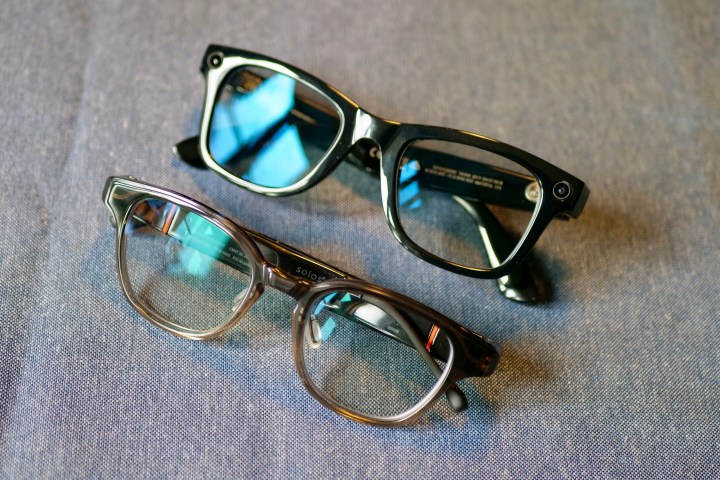
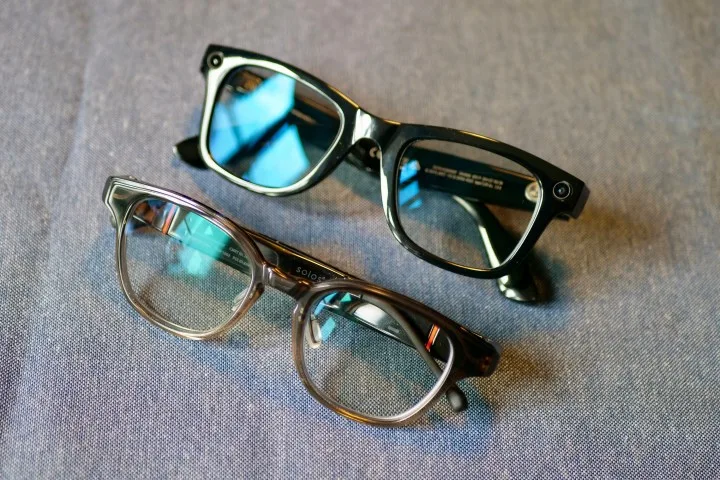
    The front of the Ray-Ban Meta and Solos AirGo 3 smart glasses.
    Ray-Ban Meta (top) and Solos AirGo 3 smart glasses. Andy Boxall / Digital Trends

    These smart glasses are reported to be powered by a 155 mAh battery and will weigh around 50 grams. The front camera is expected to facilitate code scanning, gesture recognition, and regular photo and video taking.

    Despite their similarities to the Meta Ray-Ban smart glasses, the underlying software will be different. Rather than the Meta AI suite currently used in Stories, Samsung will rely on Google’s technology.

    Specifically, Samsung will integrate Google’s Gemini AI into its smart glasses. This partnership aligns with previous collaborations, as Samsung’s Galaxy smartphones were among the first to feature native Gemini capabilities within the Galaxy AI ecosystem.

    This technological edge is significant since Gemini is already well-embedded in many of Google’s applications, particularly the Workspace suite utilized by millions. It currently offers valuable functionalities in essential tools like Gmail and Docs, along with the ability to interact with custom AI agents.

    Additionally, the partnership with Android will streamline the connection between the smart glasses and other devices in the ecosystem. However, Samsung won’t be the only contender in the smart glasses arena, as its Chinese competitor, Xiaomi, is reportedly working on a similar product designed to compete with Meta’s offerings.

  • Is there Samsung 60 inch TV?

    Is there Samsung 60 inch TV?

    Samsung 60-Inch TV: An Overview

    When searching for a high-quality television, Samsung is often at the forefront of consumers’ minds. Known for their advanced technology and impressive display quality, Samsung televisions come in various sizes, including the popular 60-inch model. This article explores the existence of Samsung’s 60-inch TVs, their features, and what to consider when purchasing one.

    Understanding Samsung’s Product Range

    Samsung offers a diverse lineup of televisions, catering to a range of viewing preferences and spaces. Here’s a quick breakdown of their offerings:

    • Flat-screen TVs
    • Curved TVs
    • Smart TVs
    • QLED TVs
    • OLED TVs

    Given this variety, potential buyers often question if a 60-inch screen option is available.

    Is There a 60-Inch Samsung TV?

    Yes, Samsung does produce 60-inch television models, although it’s essential to note that the availability might vary by retailer or region. These televisions cater to those wanting a larger viewing experience without going excessively large, making them ideal for living rooms, media rooms, or large bedrooms.

    Popular Series Featuring 60-Inch Models

    1. Samsung QLED Series

      • Known for vibrant colors and high brightness levels.
      • Excellent for viewing in well-lit rooms.

    2. Samsung Crystal UHD Series

      • Offers 4K resolution with impressive picture clarity.
      • Great for users seeking a balance between quality and price.

    3. Samsung Lifestyle Series

      • Includes stylish designs that blend well with home decor.
      • Options like The Frame and The Serif provide unique aesthetics.

    Key Features of Samsung 60-Inch TVs

    When considering a Samsung 60-inch television, several features make these models stand out:

    • Display Technology

      • QLED and UHD options for exceptional color accuracy and high contrast.

    • Smart TV Capabilities

      • Access to popular streaming services such as Netflix, Hulu, and Disney+.

    • Voice Assistants

      • Compatibility with Bixby, Alexa, and Google Assistant for hands-free control.

    • Gaming Features

      • Low input lag and Game Mode settings for enhanced gaming experience.

    • Multiple HDMI Ports

      • Connect various devices such as gaming consoles and Blu-ray players easily.

    Factors to Consider When Buying

    Purchasing a 60-inch Samsung TV involves evaluating several important factors. Here’s a concise list to guide you:

    • Room Size

      Ensure the TV fits comfortably in your designated space. A 60-inch screen typically requires a viewing distance of about 7.5 to 10 feet.

    • Resolution Preferences

      Opt for 4K for the best visual experience. Most recent Samsung models support this resolution, offering breathtaking detail.

    • Budget

      Samsung’s product range includes different price points. Define your budget to narrow down your options effectively.

    • Additional Features

      Look for features pertinent to your needs, such as HDR support, smart functionality, and sound options.

    Where to Find Samsung 60-Inch TVs

    Whether you want to purchase in-store or online, several options are available:

    • Retail Stores

      Visit major electronics retailers like Best Buy or Walmart. They often have demo units on display.

    • Online Retailers

      e-commerce platforms like Amazon or Samsung’s official website frequently offer competitive pricing and reviews.

    • Used or Refurbished Options

      Websites like eBay or local marketplaces might have second-hand deals for those looking to save some money.

    By considering the information outlined here, potential buyers can confidently explore their options and find the right Samsung 60-inch TV to suit their needs. Whether for movies, gaming, or everyday viewing, Samsung’s models are equipped to provide an enjoyable experience.

  • What is the price of Samsung 70 inch smart TV?

    What is the price of Samsung 70 inch smart TV?

    Samsung has long been a leading brand in the television market, known for its innovative technology and high-quality displays. If you’re in the market for a large screen, a Samsung 70-inch Smart TV could be an excellent choice. Let’s explore the price range for these models, along with some features that might influence your decision.

    Price Range of Samsung 70-Inch Smart TVs

    When considering the cost of a Samsung 70-inch Smart TV, various factors come into play, such as the model, features, and where you purchase it.

    • Basic Models: Generally, the entry-level 70-inch Smart TVs start around $800 to $1,200.
    • Mid-Range Models: For more advanced features like better resolution and enhanced sound systems, expect prices in the range of $1,200 to $1,800.
    • High-End Models: Premium options, which may include 4K resolution, higher refresh rates, and advanced smart features, can cost upwards of $1,800 and may even exceed $2,500.

    Prices can vary significantly based on sales events, seasonal discounts, or specific store promotions.

    Features to Consider

    When purchasing a 70-inch Smart TV, it’s crucial to consider what features are important to you. Here are some key aspects to keep in mind:

    Display Technology

    • 4K Ultra HD: Most Samsung models offer 4K resolution, providing sharper images and improved color accuracy.
    • OLED and QLED: Samsung is known for its QLED technology, which enhances color and brightness compared to traditional LED models.

    Smart Features

    • Operating System: Samsung TVs typically come with the Tizen OS, providing access to various streaming apps like Netflix, Hulu, and more.
    • Smart Hub: This feature allows seamless control of connected devices and smart home integration.

    Audio Quality

    • Built-in Speakers: Check for models that offer Dolby Digital or DTS surround sound for an immersive audio experience.
    • External Sound Options: Some models provide easy connectivity options for soundbars or home theater systems.

    Connectivity Options

    • HDMI Ports: Look for multiple HDMI ports to connect gaming consoles and other devices.
    • Wi-Fi and Bluetooth: Ensure the TV has both Wi-Fi and Bluetooth capabilities for a complete smart experience.

    Where to Buy

    You can find Samsung 70-inch Smart TVs at various retailers, both online and in-store. Here are some popular options:

    • Electronics Retailers: Stores like Best Buy and Fry’s Electronics often carry a wide range of models.
    • Online Marketplaces: Websites like Amazon, Walmart, and Newegg frequently offer competitive pricing and customer reviews to help guide your choice.
    • Manufacturer’s Website: Shopping directly through Samsung’s website may provide you with exclusive deals or promotions.

    Keep in mind that availability and pricing may vary based on your region and the time of year. Checking multiple sources can save you money and help you find the best model for your needs.

  • Siri Better Watch Out Samsung Unveils Major Bixby Update

    Siri Better Watch Out Samsung Unveils Major Bixby Update

    Over the past few years, Samsung’s Bixby assistant has often seemed like a secondary player in the digital assistant arena. In 2024, as Google rolls out Gemini and Apple enhances Siri drastically, Bixby has remained noticeably stagnant, lacking significant upgrades or features to keep pace.

    However, change may be on the horizon. At a launch event in China for the Galaxy W25 and W25 Flip, Samsung unveiled its next-generation Bixby, promising a host of new AI capabilities that could help it compete more effectively with Gemini and Siri.

    The updated Bixby aims to excel in understanding complex inquiries and will be equipped to handle multitasking instructions conveyed in a single phrase. Similar to how Siri has improved its comprehension of natural language, Bixby is set to receive comparable enhancements.

    A screenshot of Samsung's next-generation Bixby.
    Samsung

    Additionally, the new Bixby will have the capability to analyze what’s displayed on your phone or tablet screen, allowing it to respond more accurately to your needs. For instance, if you’re looking at a restaurant and send a message about it, you could simply tell Bixby to “navigate here” for step-by-step directions. It appears Bixby is also acquiring functionalities for website translation and creating documents, slides, and spreadsheets based on user prompts.

    Bixby is also expected to feature a redesigned interface that takes over the entire screen. While it’s still uncertain if it will incorporate the glowing effect introduced with the latest Siri, a visual refresh from the current version of Bixby is confirmed.

    Though these updates sound promising, there is a significant caveat: Samsung has not disclosed when the next-gen Bixby will become available beyond the China-only Galaxy W25 and W25 Flip devices.

    A screenshot of Samsung's next-generation Bixby.
    Samsung

    Speculation suggests that the new Bixby may make its debut in the U.S. with the launch of the Samsung Galaxy S25 series in early 2025, although this remains unconfirmed. It’s also possible that the updated Bixby will not be widely available until the Galaxy Z Fold 7 and Flip 7 later in 2025.

    Whenever the new Bixby arrives, it’s likely to attract significant attention. Samsung has been actively engaged in the AI space this year with its Galaxy AI suite, and Bixby’s lack of involvement has been noticeable. Whether these enhancements will effectively challenge Siri and Gemini’s dominance remains to be seen, but Samsung appears to be moving in the right direction.


  • Samsung Galaxy Ring May Launch Sooner Than Anticipated

    Samsung Galaxy Ring May Launch Sooner Than Anticipated

    In July, Samsung revealed the much-anticipated Galaxy Ring, generating significant excitement among tech enthusiasts and receiving positive feedback from reviewers. However, reports suggest that there are still areas where enhancements could be made. According to a leak from Naver user yeux1122, we may see the next version of the smart ring hitting the market sooner than we think.

    The original Galaxy Ring was first teased in January, with its official launch occurring approximately six months later. While the specific timeline for the release of the Galaxy Ring 2 remains uncertain, it is expected to debut “a bit earlier” than anticipated.

    From the leak, it appears that the Galaxy Ring 2 will come equipped with several enhancements, including a sleeker design and improved battery performance. However, the post does not detail the specific new features that users can expect.

    One of our wishes for the Galaxy Ring 2 is that it would provide better tracking capabilities and greater compatibility across devices. The first generation primarily worked with Samsung products and had some issues with inaccuracies, particularly regarding SpO2 readings and exercise tracking. If Samsung can make the Galaxy Ring 2 compatible with a broader range of devices, potentially including iPhones, it could capture a larger share of the market.

    Samsung Galaxy Ring in charging case.
    Galaxy Ring in its charging case Joe Maring / Digital Trends

    Interestingly, the informant has also indicated that Apple is working on its own ring-type smart device. Rumor has it that Apple is exploring both band-style devices reminiscent of the original Fitbits and smart glasses. However, it’s essential to approach this information with caution, as yeux1122—also known as Lanzuk—does not have an established reputation like some other well-known leakers in the industry. Nothing is set in stone until there’s an official announcement.

    With the growing interest in smart rings such as the Galaxy Ring, Oura Ring 4, and RingConn, it’s logical for Samsung to follow up its initial model with a new release.

  • Samsung Galaxy S25 Might Feature Exynos Chip After All

    Samsung Galaxy S25 Might Feature Exynos Chip After All

    Since the first whispers surfaced about the processor that would power the Samsung Galaxy S25, two main contenders have emerged: the Exynos 2500 and the Snapdragon 8 Elite. Speculation has been rampant, but it appears that the choice of chip will hinge on the region where the phone is launched.

    As indicated by recent findings on Geekbench, it seems likely that European consumers will receive the Exynos variant. There hasn’t been any clarification regarding which markets will feature the Snapdragon 8 Elite. However, the latest Geekbench results indicate a European version of the Galaxy S25 Plus running on the Exynos 2500, achieving scores of 2,359 for single-core performance and 8,141 for multi-core.

    The availability of a Geekbench score for the Exynos variant confirms that it will indeed be introduced in select markets. Furthermore, this score reveals the phone’s configuration, which boasts a 10-core processor with a base clock speed of 1.8GHz, and a peak core speed reaching up to 3.3GHz. The GPU for this specific configuration is the Xclipse 950, built on AMD architecture.

    To provide some context, the Galaxy S24 and S24 Plus utilize Qualcomm processors in North America, while Exynos chips are adopted in other global markets. Conversely, the Galaxy S24 Ultra consistently comes equipped with a Qualcomm chip, irrespective of the purchase location. With this new evidence of the Exynos-powered Galaxy S25 Plus, it’s plausible that Samsung will follow a similar strategy in 2025.

    A person holding the Samsung Galaxy S24 Ultra.
    Samsung Galaxy S24 Ultra Andy Boxall / Digital Trends

    This ongoing back-and-forth of information highlights the uncertain nature of leaks. While many have been proven accurate, none can be entirely trusted until confirmed by the company itself. Various theories suggest that Samsung’s inclination toward the Exynos chip may be influenced by supply chain challenges.

    Based on current insights, the initial batch of devices launched in January may feature the Exynos processor, while subsequent models—like the S25 Ultra and the anticipated S25 Slim—could utilize the Snapdragon chip. While this remains speculation, more clarity is expected as the release date approaches.

  • Samsung’s Vision Pro Rival Moves Closer To 2025 Launch

    Samsung’s Vision Pro Rival Moves Closer To 2025 Launch

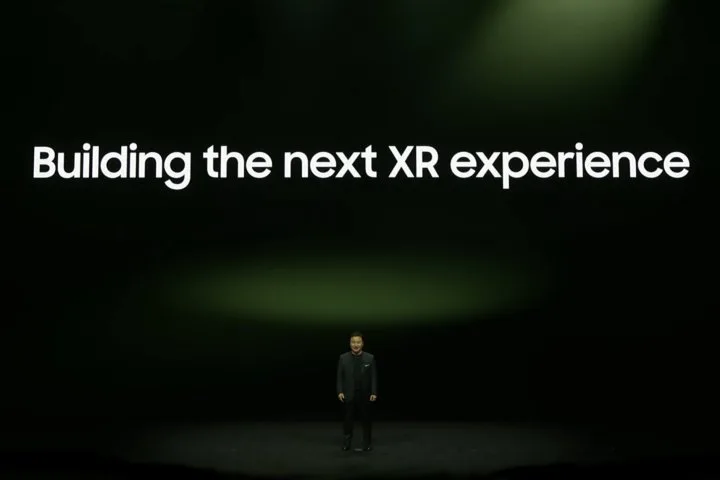
    Samsung's TM Roh discusses XR initiatives at the 2023 Galaxy Unpacked event.
    Samsung’s TM Roh discusses XR initiatives at the 2023 Galaxy Unpacked event.
    Samsung

    Samsung has officially stated that it plans to introduce an XR device, projected to be released next year.

    In its latest third-quarter earnings report, the company provided updates regarding its extended reality (XR) project, previously indicating a 2024 rollout. Now, Samsung aims to enhance connectivity across its devices, including the forthcoming XR offerings, targeting a launch for 2025.

    Although specific details about the XR devices were not disclosed in the earnings report, there’s already a buzz surrounding these potential products. Samsung has been collaborating with Qualcomm and Google since 2023 on a mixed-reality product capable of supporting augmented reality (AR), virtual reality (VR), and XR functions.

    Despite the lack of details about this collaboration, it’s reasonable to speculate how it may unfold. Samsung will likely contribute its branding, design, and user experience, while Qualcomm will supply the chipset, and Google will develop the software. Qualcomm’s latest XR chip, the Snapdragon XR2+ Gen 2, became available in January 2024. The three companies reaffirmed their intentions during Samsung’s Galaxy Unpacked event in July.

    The uncertainty surrounding Samsung’s XR device may stem from the limited information available about its features. However, a recent report from Android Authority highlighted an update to the Google Play Store, which now includes support for XR headset app installations, coinciding with Samsung’s third-quarter guidance release. Notably, no other Android manufacturers are currently known to be developing XR devices, suggesting that Google is positioning itself in anticipation of its collaboration with Samsung.

    A person wearing the Sony XR headset.
    The Sony XR headset
    Sony

    Samsung has now confirmed a projected timeline for 2025. In fact, Business Insider reported as early as July that the Samsung XR project would not see a 2024 launch, potentially debuting in March 2025 instead.

    While there have been no updates until now, industry analysts anticipate that this device could compete with the Apple Vision Pro, which launched in February at a price of $3,500. Previous reports have suggested that the Android-based XR platform might retail between $1,000 and $1,500.

    Samsung and Apple are not the only players in the XR space. Sony has showcased its upcoming XR headset since July, and Meta is actively collaborating with companies such as Lenovo and Asus for future headsets in its Horizon OS ecosystem, following the recent release of the Quest 3S.

  • Which is better LG or Samsung TV?

    Which is better LG or Samsung TV?

    When it comes to choosing a television, the two heavyweights that often come to mind are LG and Samsung. Both brands have earned their place in the market and have a loyal customer base. However, the question remains: which is better? This article breaks down the differences between LG and Samsung TVs, considering various aspects that can influence your purchasing decision.

    Display Technology

    OLED vs. QLED

    One of the most significant distinctions between LG and Samsung is their approach to display technology:

    • LG:

      • OLED (Organic Light Emitting Diode)
      • Offers deep blacks due to individual pixel illumination.
      • Superior contrast ratios and viewing angles.
      • Generally more expensive but provides stunning picture quality.

    • Samsung:

      • QLED (Quantum Dot Light Emitting Diode)
      • Produces vibrant colors using quantum dot technology.
      • Generally provides higher brightness, which is great for well-lit rooms.
      • More resistant to burn-in issues compared to OLED, making it more versatile for varied content.

    Picture Quality

    Brightness and Color Accuracy

    Both brands excel in picture quality, but their strengths lie in different areas:

    • LG:

      • Exceptional black levels and contrast make it ideal for dark room viewing.
      • Notable performance in HDR (High Dynamic Range) content.
      • Accuracy in color reproduction, particularly in the OLED models.

    • Samsung:

      • Higher brightness levels, making them more suitable for bright environments.
      • Excellent color volume and dynamics due to quantum dot technology.
      • HDR performance is also strong, particularly in its QLED series.

    Smart Features

    Operating Systems

    The smart functionality of a TV can significantly impact usability and content access:

    • LG:

      • Runs on WebOS.
      • Offers a user-friendly interface with easy access to streaming services.
      • Features like AI Picture Pro enhance the viewing experience.

    • Samsung:

      • Utilizes Tizen OS.
      • Known for its intuitive navigation and wide selection of apps.
      • SmartThings integration allows seamless connectivity with smart home devices.

    Gaming Performance

    Gaming-Friendly Features

    For gamers, both brands offer features that can enhance the gaming experience:

    • LG:

      • Low input lag and support for HDMI 2.1, enabling 4K gaming at high frame rates.
      • NVIDIA G-SYNC compatibility in some models, providing smoother gameplay.
      • Game optimizer settings allow tailored adjustments for different genres.

    • Samsung:

      • Also supports HDMI 2.1, making it suitable for next-gen consoles.
      • Features like Motion Xcelerator improve motion clarity in fast-paced games.
      • Game mode options provide specific enhancements for better gameplay experience.

    Design and Aesthetics

    Build Quality and Style

    The visual appeal of a TV can be a major buying factor. Here’s how they stack up:

    • LG:

      • Typically features sleek and ultra-thin designs, especially in OLED models.
      • Minimal bezels create a modern look that fits well in any room.

    • Samsung:

      • Offers a range of designs, including the unique "The Frame" model that blends into your decor.
      • Generally sturdy builds with premium finishes.

    Price Range

    Value for Money

    Cost can be a decisive factor in the buying process:

    • LG:

      • OLED models tend to be on the pricier side but offer unparalleled picture quality.
      • Mid-range options are available but might not match brightness levels of QLED TVs.

    • Samsung:

      • Wide range of price points from affordable to high-end QLED models.
      • Good value in terms of brightness and color performance, even in mid-range options.

    Customer Support and Warranty

    Reliability and Service

    After-sales service can also influence your choice:

    • LG:

      • Generally reputable customer service with various warranty options.
      • Offers extensive resources for troubleshooting and support online.

    • Samsung:

      • Known for responsive customer service.
      • Similar warranty options to LG, with good online support resources.

    Final Thoughts

    Choosing between LG and Samsung TV comes down to personal preference and specific needs. If you’re after top-tier picture quality, especially in darker settings, LG’s OLEDs are hard to beat. However, if you prioritize brightness and a wider variety of models, Samsung’s QLED lineup may be more appealing. Consider factors such as room brightness, gaming capabilities, and smart features to make an informed decision that best fits your lifestyle and viewing habits.

  • Samsung’s Next Folding Phones Get Early Tease

    Samsung’s Next Folding Phones Get Early Tease

    Like many smartphone manufacturers, Samsung follows a consistent launch calendar, unveiling a new numbered version for each model annually. Hence, it was no surprise to learn about the upcoming Galaxy Z Flip 7 and Galaxy Z Fold 7, expected to debut in 2025. Recent leaks have now confirmed these plans, revealing codenames and the existence of an intriguing third model.

    According to the information shared by GalaxyClub, the Galaxy Z Flip 7 is identified by the codename B7, while the Galaxy Z Fold 7 carries the codename Q7. There is also a mysterious third device referred to as Q7M, though its specific identity remains uncertain. Given that this designation appears to derive from the Galaxy Z Fold 7, it suggests that Q7M may be a variant of the Fold series, yet its exact nature is still unknown.

    GalaxyClub reports that the enigmatic Q7M is on a development timeline that closely aligns with the Galaxy Z Fold 7, but both devices are not anticipated to launch until the summer of 2025 or later. The introduction of the Galaxy S25 and Galaxy A56 in the early part of 2025 is likely to overshadow any new releases, drawing attention away from these devices.

    A person taking a photo with the Samsung Galaxy Z Flip 6.
    Samsung Galaxy Z Flip 6
    Andy Boxall / Digital Trends

    Some enthusiasts speculate that the Q7M could represent the much-discussed trifold device that Samsung is working on. However, there are also whispers about a potential special edition of the Galaxy Z Flip. If this is indeed the case, the use of a derivative codename would raise questions about its connection to the Galaxy Z Fold series.

    Additionally, there’s chatter about a more affordable foldable phone in development. While the Q7M might align well with this idea, until more concrete details emerge, it’s tough to draw any definitive conclusions. Creating a budget-friendly foldable phone would certainly appeal to many, but given the complexities involved in designing such devices, achieving an economical option could prove difficult.

  • Top Washer And Dryer Deals: Bundles From LG Samsung And More

    Top Washer And Dryer Deals: Bundles From LG Samsung And More

    Looking to upgrade your smart home’s washer and dryer? You’re in luck! There are plenty of great savings opportunities available right now. While it might seem challenging to locate discounts on top washing machines and dryers, finding deals tailored to your needs is actually quite straightforward. Appliance package offers are a great way to save on combined purchases, but if you’re solely in need of a reliable washer and dryer, keep reading to discover today’s best deals. And if you’re thinking about expanding your appliance lineup, be sure to check out the fantastic offers on refrigerators, dishwashers, and ovens available right now.

    Top LG Washer and Dryer Deals

    LG

    LG is known for producing high-quality appliances. Here are some solid mid-range options, including an affordable package deal you can find at Best Buy.

    Samsung Washer and Dryer Deals

    Samsung Washer and Dryer in a household setting.
    Samsung

    Samsung options generally fall on the pricier end of the scale. For those seeking luxury, their Bespoke line is an excellent choice.

    Additional Washer and Dryer Offers to Consider

    Brands like Insignia, GE, and Whirlpool are also worth exploring. Their appliances tend to be more budget-friendly compared to options from Samsung and LG.

    Choosing the Right Washer and Dryer

    When shopping for a washer and dryer, keep these three key factors in mind: arrangement, size, and features. The arrangement determines how the units fit together and the orientation of the doors (front-load or top-load). For space-saving purposes, consider a stackable option, though these can be pricier. Many users prefer top-load washers since you can easily check on your laundry mid-cycle without making a mess. Meanwhile, front-load units naturally tumble clothes for better cleaning, while top-load models use an agitator action.

    Next, consider the size. Measure your available space, remembering to leave about four extra inches for water supply and power connections at the back. The washer’s capacity is pivotal, as it affects how much laundry you can handle in a single load. If you have a large family, opt for a model with at least 5 cubic feet; if you’re living alone, you can likely work with something around 3 cubic feet to conserve resources.

    Lastly, weigh the features you want. Ask yourself if it’s worth paying extra for automatic steaming in your dryer or if you prefer a simple timer system without sensors. Are you intrigued by smart technology that allows remote operation? Each added feature can raise the cost, but if it saves you time and energy in the long run, it could be a wise investment.

  • Samsung Brings MoMA’s Starry Night And More To Life On TV

    Samsung Brings MoMA’s Starry Night And More To Life On TV

    Samsung has unveiled an exciting initiative that allows users to access over 27 iconic artworks from the Museum of Modern Art (MoMA) through the Samsung Art Store. This means that these masterpieces can now be enjoyed on Samsung’s Frame televisions.

    Among the featured artworks are famous pieces by renowned artists such as Frida Kahlo, Henri Matisse, Georgia O’Keeffe, Vincent Van Gogh, Piet Mondrian, and Claude Monet. Interestingly, displaying these artworks on a large TV screen will create an experience that feels larger than life, eliminating the need to navigate through crowded galleries for a better view.

    Notable works included in this collaboration are Van Gogh’s The Starry Night, Mondrian’s Trafalgar Square, and Monet’s Water Lilies.

    In a statement, Robin Sayetta, head of business development at MoMA, expressed the institution’s mission to inspire creativity and broaden access to its collection through innovative partnerships. She highlighted the goal of enriching the lives of art lovers by introducing them to culture and history on a grand scale.

    This partnership with MoMA isn’t Samsung’s first venture into the art world. The company has previously collaborated with prestigious institutions like the Metropolitan Museum of Art and the Musée d’Orsay, showcasing works by artists such as René Magritte and Jean-Michel Basquiat, among others.

    Sang Yoon Kim, Samsung’s EVP and general manager of the North America Service Business, emphasized the company’s commitment to transforming home entertainment through innovation. He noted that this collaboration enables significant works of art to be brought directly into people’s homes, offering a unique opportunity to engage with celebrated artworks in a new and accessible way.

    Samsung’s Frame television acts as both a traditional TV and a digital art display. Users can purchase individual pieces or subscribe for access to a variety of artwork. The Frame is designed to mount flush against walls and features customizable bezels, aiming to replicate the appearance of real artwork with a matte display that minimizes reflections. Prices for these televisions start at $600 for a 32-inch model, going up to $4,300 for an 85-inch version.

  • Samsung Offers Free 45-Minute Workouts on TVs With F45

    Samsung Offers Free 45-Minute Workouts on TVs With F45

    If you find yourself short on space for traditional fitness equipment like a Peloton, Mirror, or Hydrow, Samsung is introducing a novel solution with your living room TV. On Wednesday, the South Korean tech giant announced its collaboration with F45 Training, aimed at delivering a range of workout options on its 2024 television models through the Samsung Daily+ content hub.

    This initiative kicks off with complimentary access to various workouts, including cardio, strength training, hybrid workouts, and recovery sessions. As the months progress, Samsung plans to expand its workout offerings.

    “Our goal is to create a comprehensive hub that provides engaging and unique workout experiences to assist every user in achieving their personal fitness objectives,” stated Demian Hyun, vice president and head of the Experience Planning Group within Samsung’s Visual Display Business.

    The partnership allows workouts to be customized to accommodate a wide range of fitness levels, enabling everyone to join in and reap the benefits. F45’s programs are designed to enhance everyday motions by integrating exercises that reflect daily activities, which helps to build lean muscle, boost heart health, and improve overall functionality.

    The app also features on-demand training options and a rich workout library curated by F45’s Global Athletics Team. This allows users to select from a variety of workouts, keeping their routines diverse and engaging while avoiding monotony. Alongside the workouts, motivational content and links to local F45 studios are also available for users.

    Samsung emphasized that partnering with F45 on Samsung Daily+ highlights its dedication to providing digital health solutions and promoting consumer wellness.

    In June, F8, the boutique fitness franchise platform that oversees F45 Training and Vaura brands, teamed up with Strava, a digital community for athletes with over 125 million members globally.

    Over the past year, F45 has aligned with several other fitness entities, including Hyrox, an event that fuses running with functional training, and the ski and snowboard pass provider, Ikon.

  • Samsung’s New Camera App Makes You Feel Like Ansel Adams

    Samsung’s New Camera App Makes You Feel Like Ansel Adams

    In light of the recent news regarding the postponement of Samsung’s One UI 7 until early 2025, there’s a silver lining for users eagerly awaiting the update. The upcoming version will feature a revamped camera app designed to enhance convenience for one-handed photo-taking.

    User SamMobile has created a video showcasing his hands-on testing of One UI 7, which includes insightful details about the new camera app. In the video, he dives into the improvements around the five-minute mark, offering a closer look at several key features.

    The most notable modification involves repositioning the viewfinder settings to the bottom of the screen. This makes it significantly easier to access various controls while taking pictures with one hand. Users will appreciate the new carousel layout, which allows for seamless scrolling through different options without needing to stretch their fingers awkwardly. Whether it’s toggling the flash or adjusting the aspect ratio, these tasks can now be accomplished swiftly without having to navigate through complex menus.

    The app is also set to automatically display relevant settings based on the camera mode selected. While these changes were hinted at in earlier leaked screenshots, the video provides a much clearer insight into how the app will function.

    Keep in mind, however, that Samsung has not yet launched the One UI 7.0 Beta, meaning the final iteration of the camera app may undergo further modifications before its official release next year. Regardless, the exciting new features promised in this updated interface suggest that it will be well worth the wait.


  • Samsung Galaxy S25 Ultra Expected To Boost Performance

    Samsung Galaxy S25 Ultra Expected To Boost Performance

    Samsung appears to be implementing significant alterations, both aesthetically and internally, for the upcoming Galaxy S flagship. Recent leaks have hinted at a more refined Galaxy S25 Ultra, showcasing sleeker bezels, streamlined lines, and a more angular design.

    According to trusted leaker UniverseIce, the Galaxy S25 Ultra will be equipped with a whopping 16GB of RAM. In comparison, the Galaxy S24 Ultra comes with 12GB, while the entire iPhone 16 lineup is limited to 8GB of RAM.

    However, Samsung’s Galaxy S25 Ultra won’t be breaking new ground with its 16GB RAM offering. Other devices, such as the Asus ROG Phone 8 Pro, REDMAGIC 8S Pro Plus, and OnePlus Ace 2 Pro, have all exceeded that threshold with up to 24GB of RAM.

    While 24GB may be overkill for the average user today—unless one is eager to flaunt that their phone sports more RAM than a personal computer—upgrading from 12GB to 16GB could bring tangible advantages. This increase not only allows for more applications to run simultaneously in the background but may also enhance gaming performance, as manufacturers often claim.

    It’s all about AI, probably

    AI technology stands to gain the most from this increase in RAM, particularly in mobile devices where local processing is paramount over cloud computing. Recall the buzz surrounding Google’s decision to reserve certain AI capabilities for the Pixel 8 Pro while not extending them to the standard Pixel 8 model?

    Android’s VP and general manager, Seang Chau, later confirmed that the 12GB RAM on the Pixel 8 Pro was ideal for efficient local AI processing, unlike the 8GB found in the Pixel 8.

    Clearly, an additional 4GB can make a noticeable difference, although the transition from 12GB to 16GB may not present a dramatic performance leap. However, with AI applications advancing and becoming more complex, outfitting smartphones with ample RAM is a wise choice for future demands.

    As the Yole Group’s analysts note, basic AI functionalities currently utilize around 100MB of RAM; however, generative AI features could require up to an additional 7GB. For instance, the Gemini Nano running AI tasks on the Galaxy S24 series reportedly consumes roughly 2GB of memory, yet to support AI models containing up to 7 billion parameters efficiently, 16GB is advisable.

    In essence, sophisticated large language model (LLM) tasks may benefit from this extra RAM. Efficient data processing and effective parameter management are crucial for quick AI output, and insufficient RAM can hinder performance. Given Samsung’s focus on enhancing its AI capabilities, equipping the Galaxy S25 Ultra with 16GB of RAM seems a logical step.

  • Samsung Galaxy Watch Becomes More Exciting For Developers

    Samsung Galaxy Watch Becomes More Exciting For Developers

    Recently, Samsung unveiled a fresh approach for developers to enhance its health-monitoring features. The Samsung Health Software Development Kit (SDK) Suite provides developers with access to data captured by Samsung devices, including the Galaxy Watch. This Suite is divided into four main components: the Sensor SDK, the Data SDK, the Accessory SDK, and the Research Stack.

    The Sensor SDK enables developers to harness the BioActive Sensor algorithm of the Galaxy Watch, along with improvements in data tracking capabilities. For the first time, it offers continuous access to advanced features, incorporating infrared and red LED data. This enhancement allows for deeper insights into eight existing health metrics, such as muscle mass and body composition.

    The Data SDK is likely to have the most significant impact, especially since it can leverage information collected from the Galaxy Ring, smartphones, and other Samsung health devices. With this tool, developers can analyze metrics sourced from the Samsung Health app and gauge how the algorithm converts this data into quantifiable statistics.

    The Accessory SDK facilitates the integration of data from third-party equipment, including gym exercise bikes, heart rate monitors, and glucose monitors. By consolidating all this information into a single ecosystem, developers can access and manage data more efficiently.

    Lastly, the Research Stack is an open-source initiative aimed at creating seamless connectivity between data collected by sensors and the Health SDK Suite. This upgrade is set to provide researchers with more valuable insights.

    It’s crucial to mention that these SDKs are intended for developers rather than individual application creators. However, any advancements made could greatly influence the user experience of the Galaxy Watch. It’s important to note that independent apps are unlikely to emerge from these SDKs; instead, Samsung is more likely to incorporate any findings into future device versions.

  • Galaxy S25 Ultra Might Outshine iPhone 16 Pro Max

    Galaxy S25 Ultra Might Outshine iPhone 16 Pro Max

    The Samsung Galaxy S25 Ultra is expected to make its debut early next year, yet a surge of rumors surrounding the device has emerged in recent months. The most recent speculation comes from a reliable source, Ice Universe.

    This leaker claims that the Galaxy S25 Ultra has outperformed Apple’s newly launched iPhone 16 Pro Max in benchmark tests. According to data shared by Ice Universe, the Galaxy S25 Ultra achieved a single-core score of 3,011 and a multi-core score of 9,706. In comparison, its predecessor, the Galaxy S24 Ultra, averaged a single-core score of 2,142 and a multi-core score of 6,693. These results indicate a substantial advancement between the two generations.

    Given that Apple’s latest flagship is still fresh off the assembly line, it’s premature to establish standard benchmark scores for the iPhone 16 Pro Max, though we can make some educated guesses. For example, TechRadar recorded a single-core score of 3,386 for the iPhone 16 Pro Max in their testing, along with a multi-core score of 8,306. In my own tests with the new phone, I obtained a single-core score of 3,419 and a multi-core score of 8,195.

    If these figures hold true, the Galaxy S25 Ultra featuring Qualcomm’s upcoming Snapdragon 8 Gen 4 chip could be positioned to excel in multitasking compared to Apple’s offering. However, the practical implications of these scores are yet to be determined, as various factors remain unknown regarding Samsung’s device.

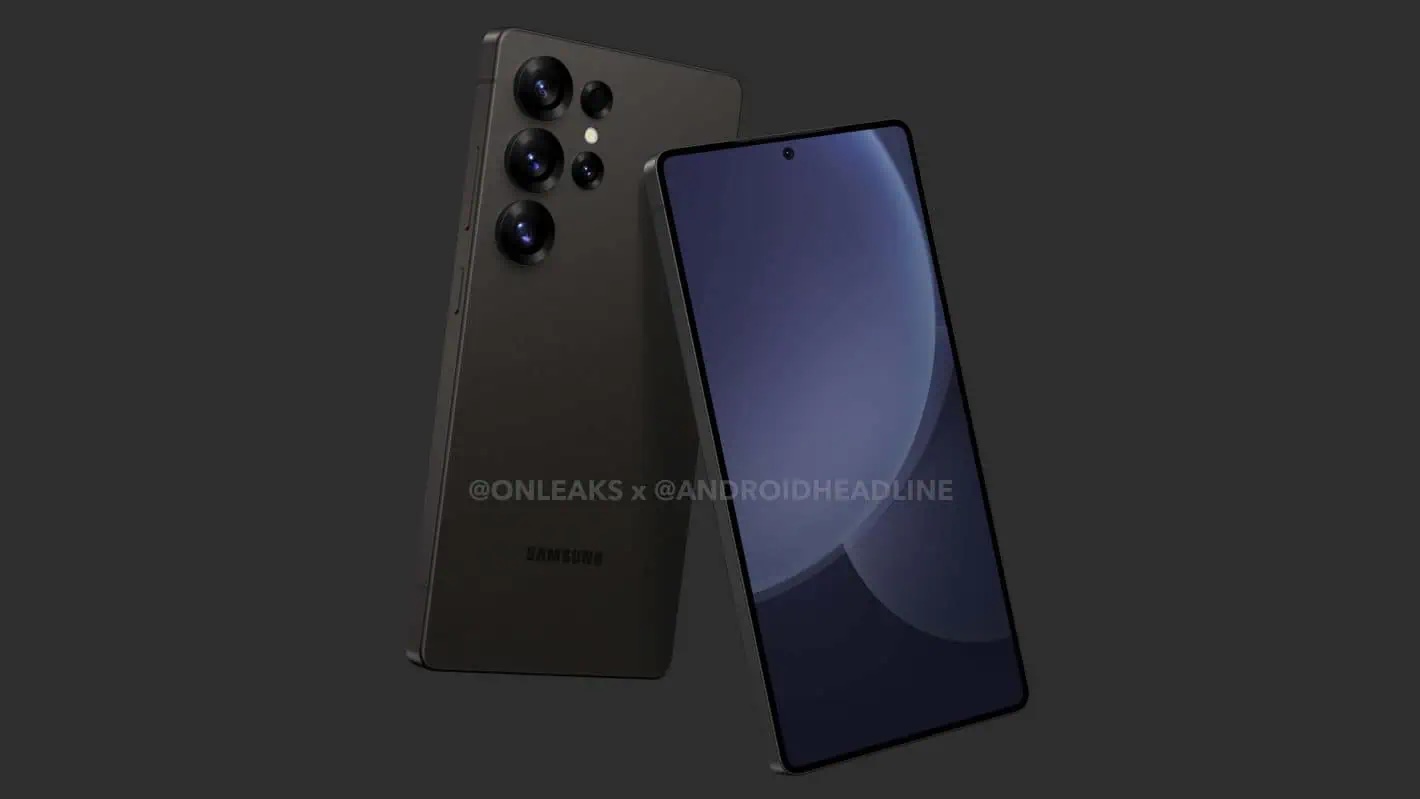
    Samsung Galaxy S25 Ultra look from Android Headlines.
    A render of the Samsung Galaxy S25 Ultra Source: Android Headlines

    Moreover, the Galaxy S25 Ultra might surpass the iPhone 16 Pro Max in another aspect. Recent reports suggest that the newer device may come with smaller bezels, a feature Samsung will likely highlight if accurate. Apple’s presentation of the iPhone 16 Pro Max emphasized its trim bezels, so if Samsung achieves the same, it would be significant.

    It isn’t surprising that the upcoming Galaxy S25 series is poised to outperform Apple’s iPhone 16 in several metrics, especially considering the Snapdragon 8 Gen 4 will be a newer chip compared to the A18 Pro found in the iPhone 16 Pro models. Currently, the tables are turned, with Apple’s latest offerings outperforming Samsung’s nearly year-old Galaxy S24 series in many respects.

    Samsung is anticipated to unveil the Galaxy S25, Galaxy S25 Plus, and Galaxy S25 Ultra in January or February, followed quickly by their release. The latest Galaxy S Ultra is projected to be lighter than its predecessor and will include upgraded camera features and more. Stay tuned for additional leaks and information in the coming weeks and months.

  • Samsung Galaxy S25 Leak Has Me Feeling Worried

    Samsung Galaxy S25 Leak Has Me Feeling Worried


    Critics have rightly pointed out that Apple tends to recycle its iPhone designs, offering little change from year to year. The iPhone 16 Pro, for example, still showcases the aesthetic introduced with the iPhone 11 Pro, a design that has remained unchanged for five years. Meanwhile, it appears that Samsung is following a similar approach with its upcoming Galaxy S25 series.

    According to insights from Android Headlines and @OnLeaks, leaked images of the standard Galaxy S25 reveal a design that closely resembles that of the Galaxy S23 and even several mid-range models in the Galaxy A and M lines.

    The general layout appears to remain unchanged, featuring the vertically aligned camera array on the back and a centrally placed front-facing camera. The most significant alteration is the thinner bezels, mirroring the leaked images of the Galaxy S25 Ultra.

    Angle side and front view of leaked Galaxy S25 renders.
    OnLeaks / Android Headlines

    The most recent leaks suggest that the Galaxy S25 will feature a 6.17-inch display and a more compact design along the edges. Surprisingly, Samsung is expected to use Qualcomm's Snapdragon 8 Gen 4 processor instead of its own Exynos chips for this iteration.

    While rumors indicate an increase to 12GB of RAM, the battery size continues to be underwhelming at just 4,000mAh. Historically, Samsung unveils its Galaxy S series early in the year, with 2025 likely seeing the introduction of this device in the first quarter.

    A notable concern

    Straight front and rear view of leaked Galaxy S25 renders.
    OnLeaks / Android Headlines

    While the design itself isn’t inherently bad, the prospect of a smaller chassis raises some concerns. A tighter internal structure could complicate heat management, particularly with more powerful hardware and a chipset purportedly designed to rival Apple's A-series processors.

    In recent generations, I've encountered persistent heating issues with the compact models in the Galaxy S lineup. Although Samsung has continually sought to improve thermal management, most efforts appear focused on the high-end Ultra variants.

    My consistent frustration with entry-level Galaxy S devices involves frequent overheating notifications that appear during demanding tasks, such as recording high-res videos outside. Not only does the device heat up uncomfortably, but it also reduces screen brightness to dissipate heat, detracting from the overall experience.

    Front and rear angled view of leaked Galaxy S25 renders.
    OnLeaks / Android Headlines

    I have a preference for smaller phones, which is one reason I have appreciated the Google Pixel series. However, persistent thermal issues have been a disheartening trend.

    If Samsung is opting not to refresh its design this year, I sincerely hope that the Galaxy S25 will at least optimize its thermal management to effectively harness its advanced hardware within its sleek glass-and-metal body.