Tag: energy efficiency

  • Innovative Steam Drying Tech Might Slash Industrial Energy Use by 80%

    Innovative Steam Drying Tech Might Slash Industrial Energy Use by 80%

    A new drying process engineered by researchers in Germany has the potential to significantly cut industrial energy consumption while aiding companies in transitioning from fossil fuels to renewable energy sources.

    Drying plays a crucial role in manufacturing many everyday items. Industries rely on it to eliminate moisture from materials, ensuring safe storage, further processing, or maintaining product quality. From minerals and cement to food, detergents, paper, straw, lime, couscous, and even insect larvae, many products require drying during production.

    Currently, most industrial drying systems use hot air heated by burning natural gas. Although effective, this method consumes large amounts of energy and produces considerable carbon emissions. It also results in heat wastage, as much of the warm air escapes into the atmosphere after serving its purpose.

    Researchers at the Fraunhofer Institute for Interfacial Engineering and Biotechnology (Fraunhofer IGB) are exploring a cleaner solution through the LowCarbDry project. In collaboration with Evonik Operations GmbH and the Pergande Group, they’ve developed a system that replaces hot air with superheated steam, powered by electricity rather than fossil fuels.

    Superheated steam is steam heated beyond its boiling point, so it contains no liquid water. In this innovative system, the steam circulates within a closed loop rather than being vented into the air, which helps preserve heat inside the system and drastically reduces energy loss. The team claims this method could cut energy requirements for drying by two to four times, depending on the material and drying temperature.

    An additional benefit appears after the drying process. As moisture escapes from the product, the residual steam can be condensed back into water. During condensation, heat is released at temperatures roughly between 90 and 100 degrees Celsius. Instead of letting this heat go to waste, it can be reused for ongoing drying, other industrial processes, or directed into local district heating networks.

    The system also incorporates heat pump technology, which captures low-temperature heat generated during drying and elevates it to higher temperatures for reuse, thus reducing energy demands further and lowering operating costs. Mechanical vapor recompression is another technique used; compressors increase the pressure of excess steam, then condense and recycle it to generate the heat needed for continued drying, boosting efficiency.

    An intelligent control system optimizes the process by scheduling energy-intensive drying phases during periods when renewable electricity generation is high and prices are low. This strategy helps factories maximize green electricity use while minimizing operational expenses.

    Combined, superheated steam, heat pumps, and smart controls could cut energy consumption by up to 80%, presenting a significant opportunity to reduce carbon emissions in industry.

    The researchers have tested this technology across various materials, including mineral raw materials, construction products, organic waste, food, and animal feed. In every case, they observed that product quality was maintained while achieving high energy efficiency. Pilot systems utilizing superheated-steam spray drying are already in operation, bringing this promising technology closer to widespread industrial adoption.

  • Elephant-Design Cement Tiles Naturally Cool Buildings Without Power

    Elephant-Design Cement Tiles Naturally Cool Buildings Without Power

    Researchers have developed a new cement tile inspired by elephant skin that could help buildings stay cooler without the need for air conditioning. This simple, cost-effective material absorbs water and gradually releases it through evaporation, naturally decreasing surface temperatures and reducing energy consumption associated with cooling systems.

    Led by scientists at the University of Pennsylvania and published in Advanced Materials, the innovative approach draws inspiration from an unlikely source. Despite living in some of the hottest regions on Earth, elephants don’t sweat like humans. Instead, their intensely wrinkled skin features networks of tiny cracks that trap water when they spray themselves. As the water slowly evaporates, it carries heat away, helping to keep the elephants cool.

    The researchers wondered if buildings could utilize the same natural cooling process. Currently, American buildings consume a significant share of energy, mostly for heating and cooling. Nearly half of the energy used for heating, ventilation, and air conditioning (HVAC) in the U.S. goes toward maintaining comfortable indoor temperatures. Notably, traditional air conditioners also emit heat outdoors, contributing to urban heat during heatwaves.

    The new cement tiles operate differently from conventional cooling systems. Instead of relying on electricity to cool indoor air, they cool the building’s exterior surface by storing water that evaporates slowly over many hours. To make these tiles, the team combined ordinary Portland cement with diatomaceous earth, a naturally porous material formed from fossilized algae. After shaping the mixture into thin tiles, they carefully dried them to develop a controlled pattern of tiny cracks across the surface.

    While cracks are typically seen as damage in concrete, here they are intentionally engineered to enhance performance. The microscopic pores within the material quickly absorb water, which then spreads across the surface through the interconnected crack network. Rather than dripping off immediately, the water is absorbed within milliseconds and moves laterally across even sloped surfaces. This honeycomb-like crack pattern forces the water to travel sideways, keeping the surface moist for extended periods.

    As the stored water evaporates, it removes heat from the tiles similarly to how sweat cools human skin. Laboratory tests demonstrated that this cooling effect could last up to 20 hours after watering. The results show significant temperature reductions: beneath the new tiles, surface temperatures stayed around 32°C (89.6°F), whereas traditional stucco—especially cracked or uncracked—reached 42°C (107.6°F) or even 52°C (125.6°F). Overall, these tiles lowered surface temperatures by approximately 6 to 11°C (10 to 20°F) compared to conventional exterior finishes.

    The technology appears practical and affordable. The cement mixture can be sprayed onto large building panels using existing construction tools, enabling large-scale application without the need for complex manufacturing processes. Looking forward, the team aims to integrate these tiles with smart watering systems that utilize weather forecasts to apply only the necessary amount of water before extreme heat events. This would maximize cooling efficiency while conserving water.

    As heatwaves become more frequent and intense globally, leveraging natural cooling processes could contribute to creating cities that are cooler, more energy-efficient, and more comfortable. The study detailing this development was published in Advanced Materials.

  • Scientists Extend Blue Quantum Dot LED Life by 5,000x in Display Breakthrough

    Scientists Extend Blue Quantum Dot LED Life by 5,000x in Display Breakthrough

    A team of researchers from the Massachusetts Institute of Technology (MIT) has achieved a significant breakthrough that could pave the way for brighter, more colorful, and more energy-efficient digital screens. This advancement has the potential to enhance future televisions, smartphones, virtual reality headsets, medical imaging equipment, and even large-scale lighting panels.

    The study centers on a technology known as quantum dot LEDs, or QD-LEDs. These tiny light sources utilize nanoparticles called quantum dots—extremely small semiconductor crystals—that emit highly pure and vivid colors. Quantum dots are already incorporated into some of today’s top-tier TV and computer displays because they deliver richer color quality compared to traditional display technologies. However, most current displays that use quantum dots still depend on external light sources.

    The long-standing goal has been to develop displays where quantum dots are powered directly by electricity, which would streamline manufacturing and improve energy efficiency. The main hurdle has been that electrically powered QD-LEDs lack sufficient lifespan for commercial use. Blue QD-LEDs, in particular, have been problematic because they degrade much faster than their red and green counterparts.

    Since a full-color display needs red, green, and blue light, the short lifespan of blue QD-LEDs has prevented these technologies from mass adoption. To address this, MIT researchers collaborated with scientists from Samsung to investigate the causes of early device failure, especially focusing on blue QD-LEDs.

    Using advanced microscopes, they meticulously examined the internal layers of functioning QD-LEDs. By slicing the devices into ultrathin sections, they could analyze interactions at the nanoscale level. They discovered that during operation, the delicate internal layers inside blue QD-LEDs gradually suffer damage. The quantum dots start to deform and fuse, diminishing their ability to emit light, while the layers themselves become thinner and structurally altered.

    Additionally, they observed the presence of extra hydrogen and oxygen gases inside the devices during operation. Although the precise source remains uncertain, these elements appear to significantly contribute to the degradation process.

    To shield the devices from damage, the team applied a thin coating of acrylate-based resin, a material already used in industrial manufacturing. The results were impressive. This protective layer effectively contained the hydrogen and oxygen, significantly reducing internal damage. Consequently, the lifespan of red QD-LEDs increased by nearly eight times, while blue QD-LEDs saw an improvement exceeding 5,000 times.

    The researchers also believe that this resin helps prevent moisture buildup around the quantum dots, further safeguarding their structural integrity. While this coating isn’t a complete solution, it addresses one of the primary obstacles to making electrically powered quantum dot displays practical.

    Now, the team is exploring additional protective layers to further enhance efficiency and durability. If these efforts succeed, future displays could be ultra-thin, consume less power, produce brighter images, and display more accurate colors than current screens. Given that QD-LEDs can be manufactured over large areas, they might also be used for flexible lighting panels and innovative display designs.

    Beyond consumer electronics, this breakthrough has implications for other fields. Scientists envision improved QD-LEDs being integrated into advanced sensors, lasers, medical diagnostic tools, and various optical devices.

    Although further development is necessary before these displays reach the market, the findings provide valuable insights into why QD-LEDs fail and how to extend their lifespan. This progress moves researchers closer to creating high-performance displays that are not only brighter and more efficient but also built to last longer.

  • New Membrane Could Slash Oil Refinery Energy Use by 33%

    New Membrane Could Slash Oil Refinery Energy Use by 33%

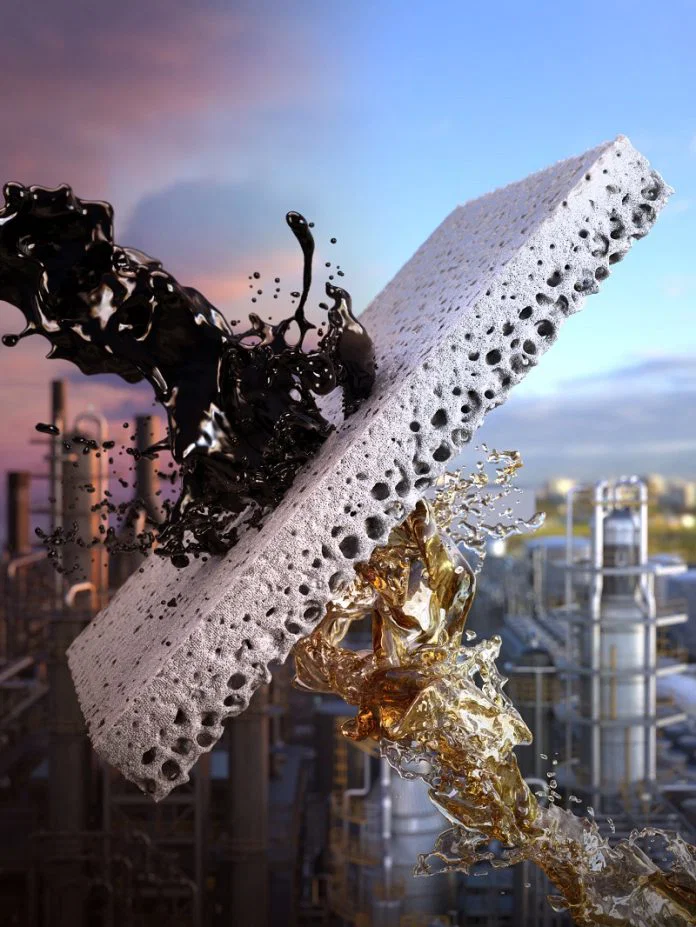
    A team of international scientists has created a straightforward membrane that could significantly boost energy efficiency in crude oil refining. Instead of relying solely on high-temperature heating, this innovative approach allows for the separation of crude oil at room temperature, which could lower energy consumption, costs, and greenhouse gas emissions.

    Led by researchers from the Korea Advanced Institute of Science and Technology (KAIST) in collaboration with colleagues at Georgia Tech in the United States, the findings have been published in the journal Nature.

    Crude oil remains one of the world’s most vital natural resources, serving as the raw material for fuels like gasoline, diesel, and jet fuel, as well as plastics, packaging, textiles, medicines, and numerous everyday products. Before these products can be made, crude oil must undergo a refining process to separate its various components.

    Historically, oil refineries have depended heavily on distillation—a method where crude oil is heated above 350°C to produce vapor. As the vapor cools, different liquids condense at specific temperatures. Although this process has been effective for over a century, it is extremely energy-intensive.

    Globally, crude oil distillation consumes approximately 1,100 terawatt-hours of electricity annually—about the same as the total yearly electricity generation of around 130 large nuclear power stations. This method also produces substantial amounts of carbon dioxide, making it one of the largest sources of greenhouse gases in the oil industry.

    The new membrane technology offers a different approach. Instead of heating the oil, crude oil is directed through a porous membrane crafted from an affordable plastic known as polyacrylonitrile (PAN). Surprisingly, during operation, the heavy oil molecules that typically clog membranes—causing fouling and performance loss—actually helped improve the membrane over time. The heavy molecules accumulated inside tiny pores, creating even smaller channels less than two nanometers wide. These microscopic pathways enabled lighter hydrocarbons like naphtha, gasoline, and kerosene to pass through efficiently, while heavier fractions were blocked.

    This membrane demonstrated rapid separation capabilities, achieving flow rates approximately 23 times higher than previous membrane technologies. It was also durable, operating continuously for 28 days without degradation of performance. Moreover, it can be integrated into existing refinery setups without the need for a complete overhaul. Scientists see it as a preliminary step before traditional distillation, with simulations indicating that combining this membrane with current methods could cut energy use by 31.6%, reduce carbon dioxide emissions by 37.6%, lower cooling water requirements by 20.7%, and decrease operating expenses by 36%.

    Beyond oil refining, this technology has potential applications in recycling plastics into valuable chemicals, recovering solvents used in battery manufacturing, purifying medicines, and enhancing biofuel production.

    The research team is now focused on improving the membrane’s durability over time and scaling up the technology for industrial use. If these efforts succeed, this simple yet powerful innovation could make one of the world’s most energy-demanding industries cleaner, more cost-effective, and more sustainable—supporting global initiatives to reduce carbon emissions.