
Select Language:
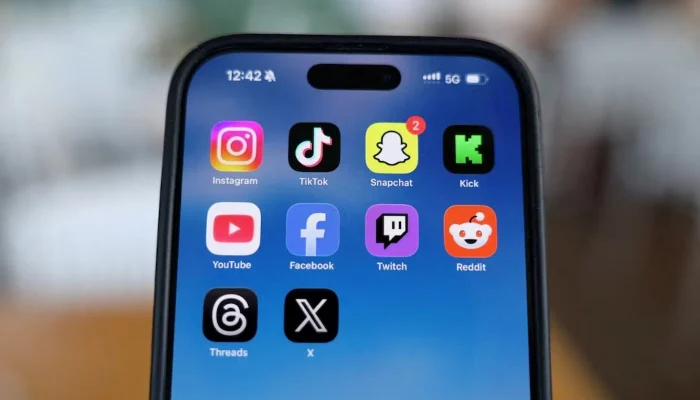
Britain is exploring measures to compel social media platforms to prioritize content from credible news sources, as part of its efforts to tighten regulation over the sector. The Department of Culture announced on Monday that it is considering requiring platforms like Meta’s Facebook, YouTube, and TikTok, which are owned by Alphabet, to make content from public service broadcasters—such as the BBC, ITV, and Channel 4—as well as other trusted news providers—more accessible in users’ feeds and search results.
This initiative follows a week after the government implemented a ban on under-16s from using most social media platforms. Data from media regulator Ofcom indicate that social media has become a primary news source for most adults in the UK, with around 75% of those aged 16 to 24 relying on it. A separate Ofcom study from 2024 found that four out of ten UK adults encountered misinformation online within a single month.
Culture Minister Lisa Nandy emphasized the importance of making trusted, accurate news more visible and ensuring public service media remains prominent in the fight against misinformation and disinformation. The government believes that increasing the visibility of regulated news outlets could be crucial in combating false information, especially during emergencies.
However, the idea of influencing how platforms rank content is likely to encounter resistance from social media companies, which argue such regulations could limit user choice and unfairly disadvantage content creators. Major platforms like X, Meta, TikTok, and YouTube have yet to comment on the proposals.
These plans are part of a broader effort to overhaul Britain’s public service media system, aiming to help broadcasters compete with streaming services and changing viewing habits. The government is also considering extending ‘public service’ status to online-only providers, expanding protections for major sporting events on on-demand platforms, and consulting on transitioning to internet-based television starting in 2034 or 2044.
 ChatGPT
 Perplexity
 Gemini AI
 Grok AI