

Select Language:
- High Self-Identification Rates Among Indigenous Communities in South America
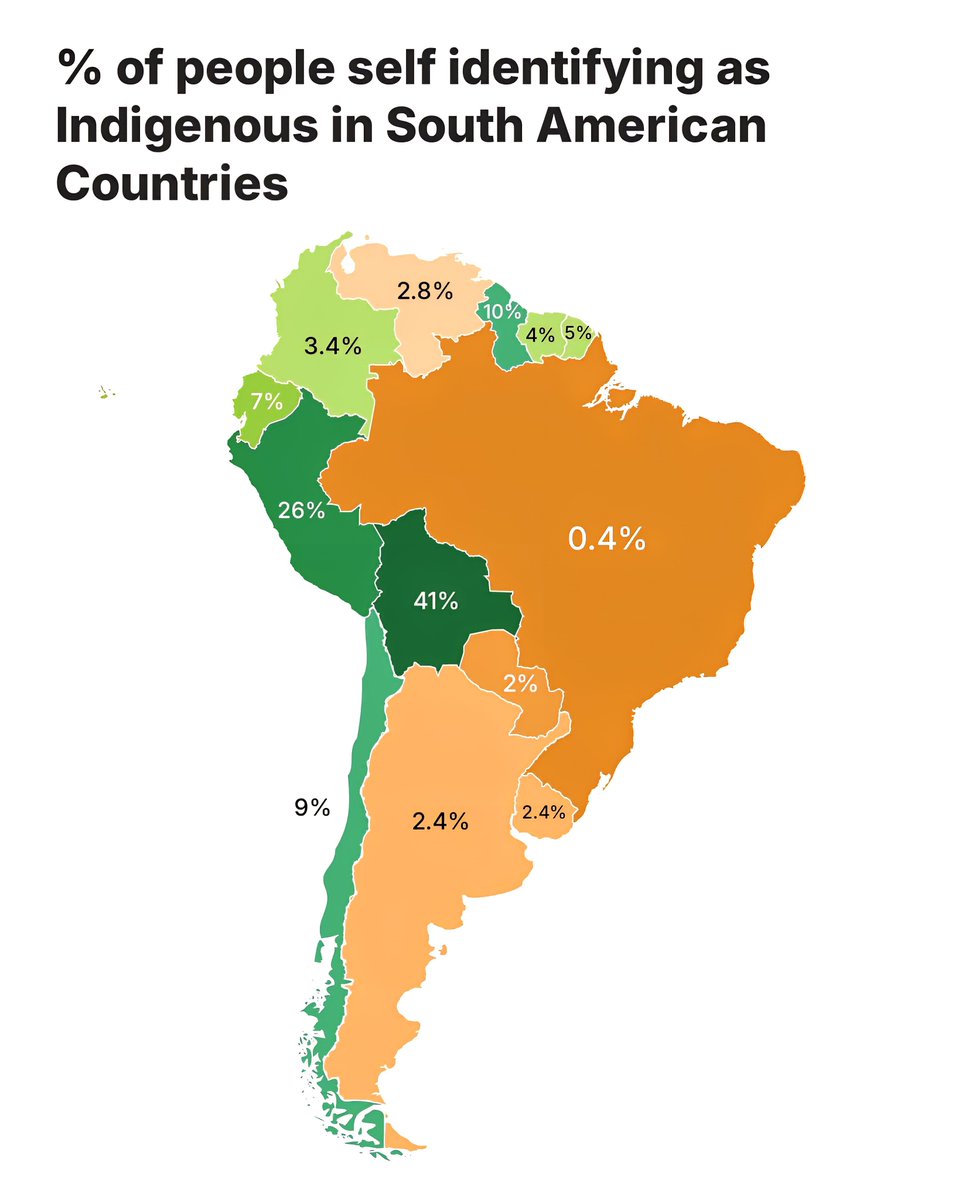
In 2025, recent surveys reveal significant variation in the percentage of residents who self-identify as Indigenous across South American countries. Countries like Bolivia and Peru lead the way with notably high indigenous self-identification, reflecting deep-rooted cultural identities and historical resilience. Bolivia boasts over 60% of its population recognizing as Indigenous, highlighting the nation’s commitment to indigenous rights and cultural preservation. Peru follows closely, with around 45% of its citizens reporting Indigenous ancestry, primarily from Quechua and Aymara communities. These figures underscore the importance of indigenous heritage within the fabric of South American society.
-
Brazil’s Indigenous Population: A Growing Recognition
Brazil’s Indigenous population remains substantial, with approximately 12% of the national population identifying as Indigenous, according to recent data. Despite historical marginalization, recognition efforts and increased census accuracy have led to a better understanding of Indigenous demographics. Indigenous groups such as the Yanomami, Guarani, and Tikuna continue to maintain their languages and traditions, even amidst challenges posed by deforestation and land disputes. The Brazilian government has committed to more inclusive policies to support Indigenous rights, aiming for greater representation and cultural preservation. -
Colombia’s Indigenous Communities Show Resilience
In Colombia, nearly 6% of the population identifies as Indigenous. The country hosts more than 80 distinct Indigenous groups, including the Wayuu, Kogi, and Nasa peoples. Despite the ongoing struggles against armed conflict, illegal mining, and environmental degradation, Indigenous communities demonstrate resilience through cultural revival initiatives and land rights activism. The government has recently pledged increased support for Indigenous territories and cultural programs, recognizing their vital role in Colombia’s national identity. -
Chile’s Indigenous Presence: Recognized and Growing
Chile reports that approximately 10% of its population identifies as Indigenous, predominantly from the Mapuche community. Over the years, there has been a surge in Indigenous activism, advocating for land rights, cultural recognition, and political participation. The Chilean government has responded with policies aiming to integrate Indigenous perspectives into national frameworks — including bilingual education and legal land rights acknowledgment. This movement signifies a broader effort to reconcile national identity with indigenous heritage. -
Venezuela’s Indigenous Population: A Steady Demographic
Venezuela’s Indigenous population makes up roughly 2-3% of the national demographic, encompassing groups such as the Warao, Yanomami, and Piaroa. Despite their small percentage, Indigenous communities play an essential part in Venezuela’s rich cultural mosaic. Challenges include encroachment on traditional lands and socioeconomic marginalization. Recent government efforts focus on protecting Indigenous territories and promoting cultural preservation, while international collaborations aim to support their sustainable development. -
Notes on Data Collection and Cultural Dynamics
It is important to recognize that self-identification statistics are influenced by factors like census methodologies, political climates, and social awareness. Some Indigenous communities may not be officially recorded or may choose not to identify for fear of discrimination, which can lead to underreporting. Additionally, cultural assimilation and mixed heritage contribute to complex identities, making definitive percentages difficult to ascertain precisely. Nonetheless, the overarching trend in South America indicates an enduring and vibrant Indigenous presence, deeply woven into the continent’s history and future.
In conclusion, the percentages of individuals self-identifying as Indigenous across South American nations reveal a continent rich in diversity and cultural resilience. Despite historical and contemporary challenges, Indigenous communities continue to preserve their traditions, fight for their rights, and influence national narratives. Recognizing these figures helps to appreciate the ongoing efforts towards cultural inclusion and social justice in the region.
 ChatGPT
 Perplexity
 Gemini AI
 Grok AI