Percentage of Christians Around the World in 2026 ✝️
Rapid Growth in Christian Populations in Africa and Asia
In 2026, many regions across Africa and Asia continue to see significant increases in their Christian populations. Despite fluctuations in global demographics, these continents are at the forefront of the religion’s exponential growth. Countries such as Nigeria, Ethiopia, and the Philippines are leading the way, with evangelical Christianity and Catholicism expanding rapidly. The surge is attributed to high birth rates and active missionary efforts, establishing these nations as new hubs of Christian influence.
Declining Christian Majority in Europe
Europe, historically the birthplace of Christianity, is witnessing a gradual decline in its Christian demographic share. Countries like Germany, the United Kingdom, and France show declining church attendance and shrinking church memberships. Despite these decreases, many Europeans retain cultural ties to Christianity, especially through heritage festivals or traditional ceremonies, even as active participation diminishes. This shift reflects broader trends of secularization and changing religious attitudes in Western societies.
Christianity’s Steady Presence in North America
The United States and Canada continue to exhibit a diverse Christian landscape in 2026. While membership numbers fluctuate, faith remains a core element for many North Americans. Evangelical Protestants, Catholics, and mainline denominations coexist, each influencing social and political spheres. Notably, mega-churches remain prominent, attracting thousands of worshippers for weekly services and community outreach programs. The influence of Christianity persists, though it faces competition from other spiritual and secular ideologies.
Growing Footprint of Christianity in Latin America
Latin America remains a predominantly Christian continent, with Roman Catholicism still holding sway, though evangelical and Pentecostal churches are expanding rapidly. Countries like Brazil, Colombia, and Argentina are experiencing a religious shift, with evangelical denominations gaining millions of followers. This trend is reshaping the religious and cultural landscape, emphasizing charismatic worship styles and church-driven social initiatives.
Christianity in Australia and Oceania
Australia continues to show high levels of Christian adherence, predominantly within Protestant and Catholic communities. The neighboring Pacific islands also report stable or increasing membership, driven by local church movements and missionary activities. Despite challenges from secular philosophies, Christianity’s influence remains significant in community life and public policy.
Challenges and Opportunities for Christianity Globally
While Christianity faces challenges such as secularization and religious pluralism in many places, the faith continues to adapt and grow in others. The rise of digital communities creates new platforms for worship, fellowship, and outreach, especially appealing to younger generations. Missionary efforts in less-reached regions and innovative church models enhance Christianity’s global presence.
Impact of Cultural Shifts on Christian Practices
In 2026, an observable shift in how Christians practice and experience their faith is emerging. There’s an increasing emphasis on social justice, environmental stewardship, and community service, reflecting broader societal concerns. Churches are actively engaging with issues like climate change, poverty, and equality, positioning faith as a catalyst for tangible social change.
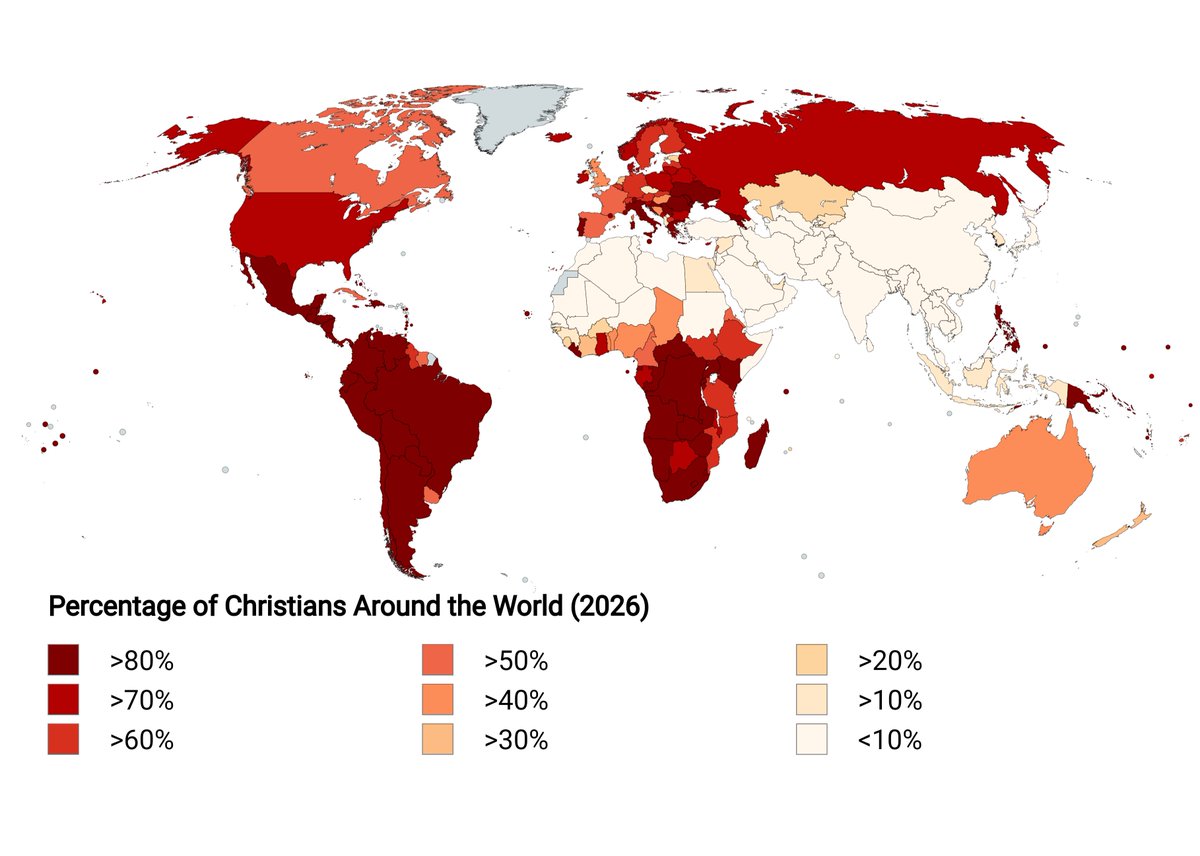
Percentage of Christians Around the World in 2026