

Select Language:
Honking Cultures Across the U.S.: What the Sound of a Horn Really Says
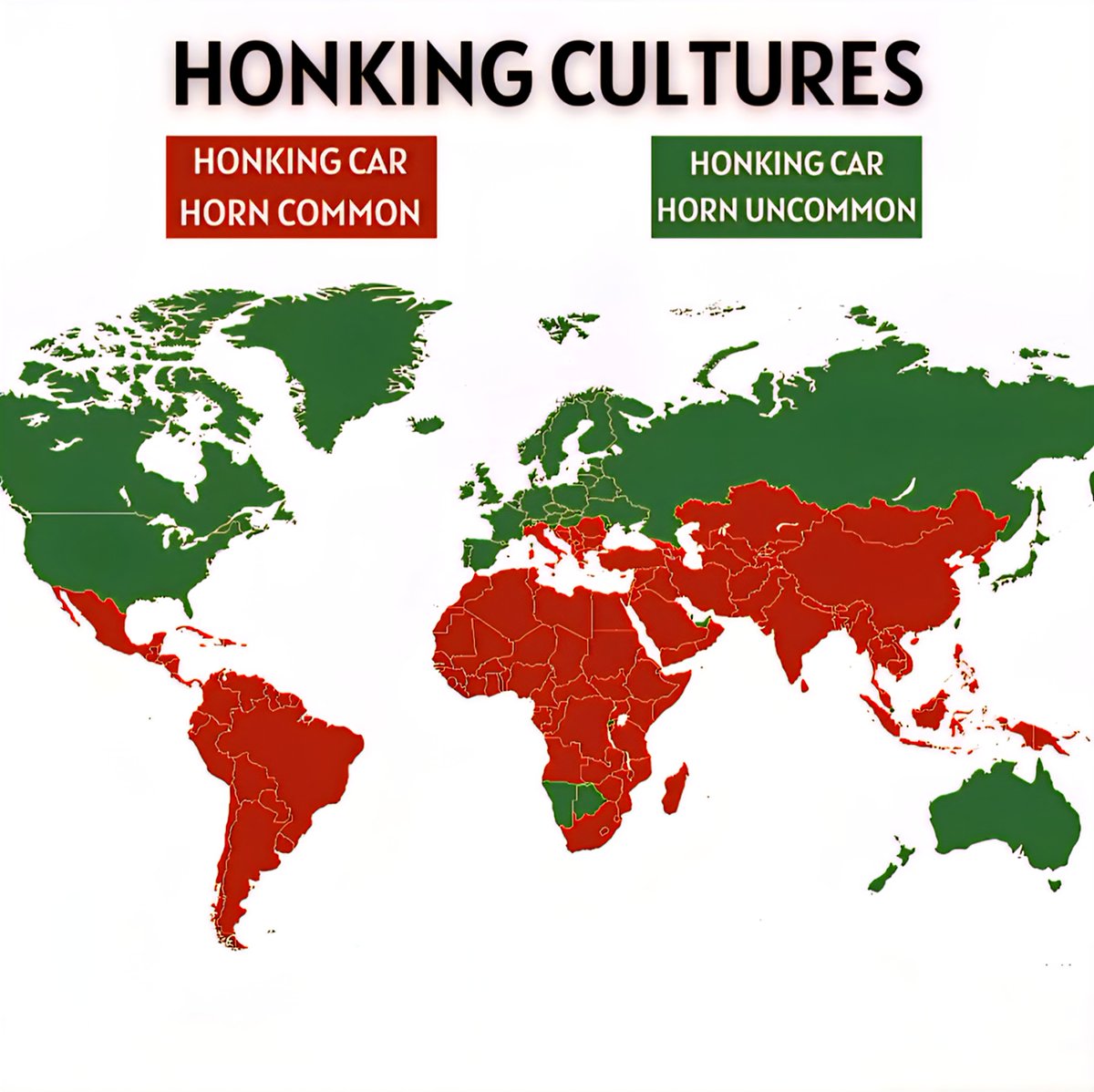
As urban landscapes continue to evolve in 2025, so do the sounds that define daily life. Among these, car honking remains one of the most noticeable and sometimes misunderstood forms of communication. While honking can serve as a quick alert or expression of frustration, its frequency and acceptability vary widely across different regions in the United States.
Honking Car Horn as a Common Sound in Many Cities
In bustling metropolitan areas like New York City, Los Angeles, and Chicago, honking is an almost everyday occurrence. Drivers often use their horns to:
- Warn pedestrians stepping into crosswalks unexpectedly
- Urge slow-moving vehicles to accelerate
- Signal to other drivers during traffic congestion
In these cities, honking has become ingrained in the urban traffic rhythm. For many residents, the sound of horns is almost as routine as the stop-and-go of rush hour. This high frequency of honking aligns with the fast-paced lifestyle and dense traffic patterns where quick communication is often necessary to avoid accidents and navigate hectic streets.
Key Characteristics:
- Honking is frequently used during peak hours
- Often perceived as a necessary part of city driving
- Some communities have begun adopting noise ordinances to curb excessive honking
When Honking Becomes Less Common: Suburban and Small-Town Quietude
Contrasting sharply with city centers, suburban neighborhoods and small towns tend to have a much more subdued soundscape. Here, honking is thought of as a rare or even aggressive act, reserved for urgent situations rather than routine communication.
In these quieter communities:
- Drivers rarely honk unless there’s an immediate hazard or emergency
- Honking is often viewed as rude or intrusive
- Many residents value peaceful streets where horn sounds are almost non-existent
This cultural difference underscores a community’s emphasis on tranquility and neighborly harmony. In such settings, just a single honk can attract attention and be perceived as a sign of road rage or impatience.
Important Trends:
- Growing awareness of noise pollution
- Local ordinances restricting unnecessary honking
- Increased community initiatives promoting calm driving behaviors
Legal Aspects and Noise Ordinances
Across the U.S., traffic laws regarding honking vary from state to state and city to city. Major urban centers typically have strict regulations due to concerns about noise pollution, especially during nighttime hours. Some municipalities have adopted specific policies, such as:
- Limiting honking to emergencies
- Fining drivers who honk excessively or intentionally disrupt peace
- Implementing vehicle noise sensors to monitor and penalize infractions
In contrast, rural areas often have less restrictive policies, recognizing honking as a natural aspect of rural driving.
Cultural Shifts and Future Trends
By 2025, there’s an increased awareness of the importance of respectful driving behaviors. Initiatives aimed at reducing unnecessary honking are gaining traction, particularly in environmentally conscious communities concerned about noise pollution and its health impacts.
Digital technology has also played a role; many drivers now rely on roadside signals, GPS alerts, and horns as a last resort, rather than a primary means of communication. These trends suggest that in the future, honking might become less frequent in areas where alternative communication methods are widely adopted.
Final Thoughts on Honking: A Sound Snapshot of U.S. Diversity
Honking continues to serve as a vibrant reflection of regional culture, urban density, and community values. In the bustling cities, it’s a necessary and accepted part of daily life, while in quieter towns, it’s often discouraged and viewed as disruptive. As society moves toward more noise-conscious and respectful driving practices, the soundscape of American streets may further evolve, balancing safety with serenity.
Note: The above insights reflect the current trends and cultural attitudes towards honking in the United States as of 2025.
 ChatGPT
 Perplexity
 Gemini AI
 Grok AI