
Select Language:
Exploring the Ancient Greek Legacy: Modern Inhabited Cities Outside Greece and Cyprus
1. Athens, Georgia, USA
While Athens, Georgia, may seem like a typical Southern American city, it bears a deep connection to Greek heritage through the University of Georgia’s Greek community and numerous classical-inspired architecture elements. Though not directly founded by Greeks, the city’s namesake and cultural influences reflect a nod to ancient Greece, making it a hub for classical studies and Greek-American communities today.
2. Epiro, Albania
Nestled in southeastern Albania, Epiro is a town with roots tracing back to classical Greek times. Once part of ancient Epirus, the city boasts archaeological remnants of Greek settlements and is still inhabited by locals who carry on traditions dating back to Hellenic times. Visitors can explore ruins that whisper stories of the ancient Greek world while experiencing vibrant modern Albanian life.
3. Kalamata, Greece (Historically Outside Greece)
While Kalamata is well known as a Greek city within Greece, historically during Hellenistic times, its territory extended into regions that are now part of modern-day Italy and Turkey. These areas, once inhabited by ancient Greeks, have evolved into bustling towns today, illustrating the vast reach of Greek civilization.
4. Larnaca, Cyprus
Cyprus remains a vital part of Greek history and culture. Larnaca, a city with ancient Greek origins, still thrives today as a modern metropolis. The city features archaeological sites such as the ancient Kition settlement, evidence of Greek colonization, and continues to serve as a cultural and economic hub, blending history with contemporary life.
5. Kavala, Greece (Historically Outside Modern Greece)
Kavala sits in northern Greece but has historical roots reaching back to ancient Greek colonies established along the Aegean coast. Over centuries, Kavala flourished as a Greek city-state, and today it remains inhabited, boasting archaeological museums, historic sites, and a port that echoes its ancient maritime significance.
6. Chalcis, Algiers, Algeria
The city of Chalcis (modern-day Arzeu) in Algeria is linked to the ancient Greek colony established in the region. Though the city has seen many cultural shifts, it still retains echoes of its Greek origins through archaeological sites and local history. Today, the area is part of a thriving modern city with a diverse cultural landscape reflective of its ancient roots.
7. Catania, Italy
Catania in Sicily is situated on land once inhabited by ancient Greeks. Founded by Greek settlers in the 8th century BC, it played a significant role in Greek history and culture. Today, Catania remains vibrant, with its historical core showcasing Greek ruins integrated into the fabric of the bustling city.
8. Alexandria, Egypt
Founded by Alexander the Great in 331 BC, Alexandria quickly became a melting pot of cultures, including Greek. Though famous for its legendary library and historic significance, the city continues to be inhabited with a strong Greek heritage evident in its architecture and multicultural community. It remains a critical economic and cultural center in Egypt.
9. Smyrna (Izmir), Turkey
Originally established as a Greek city in antiquity, Smyrna, now modern Izmir, has deep Greek roots. Despite a complex history involving various civilizations, a Greek community persists in the city today, and many ancient sites are preserved or have been reconstructed, serving as a reminder of its Hellenic past.
10. Nafplio, Greece (Historical Relevance Outside Modern Greece)
Though currently within Greece, Nafplio was once a prominent Greek city during the Venetian and Ottoman periods, with roots stretching back to classical Greek times. Its significant archaeological sites and seaside charm continue to attract visitors, maintaining its historical relevance as a hub of Greek civilization.
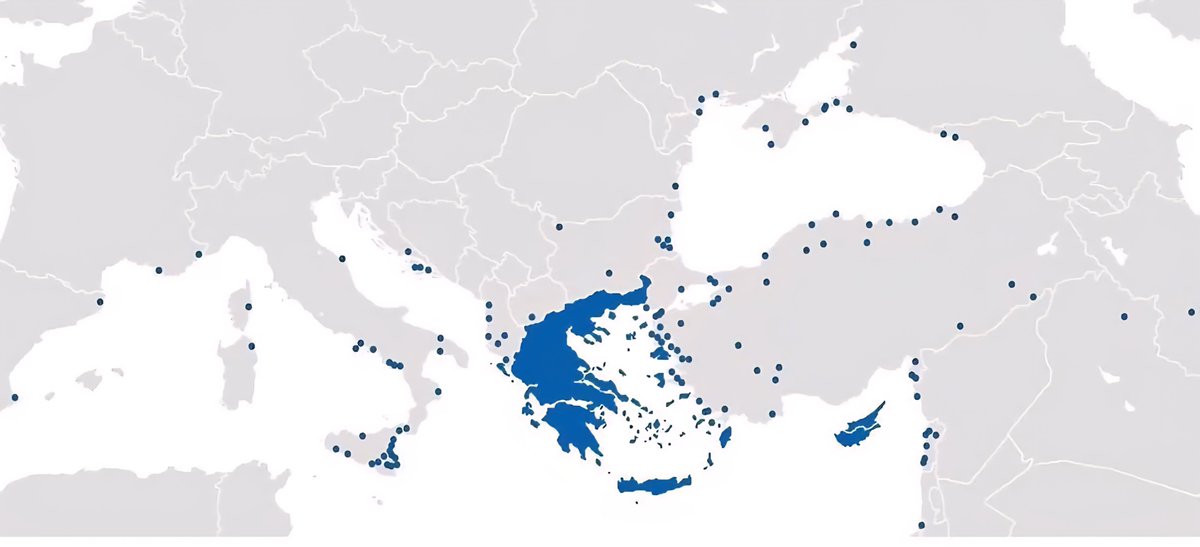
The enduring presence of these cities underscores the expansive influence of ancient Greece beyond modern borders. Many of these locales continue to thrive today, blending their historic Greek foundations with contemporary culture, ensuring that the echoes of antiquity still resonate in the fabric of their societies.
 ChatGPT
 Perplexity
 Gemini AI
 Grok AI