

Select Language:
The Unique Sound of the Dutch Language in 2025
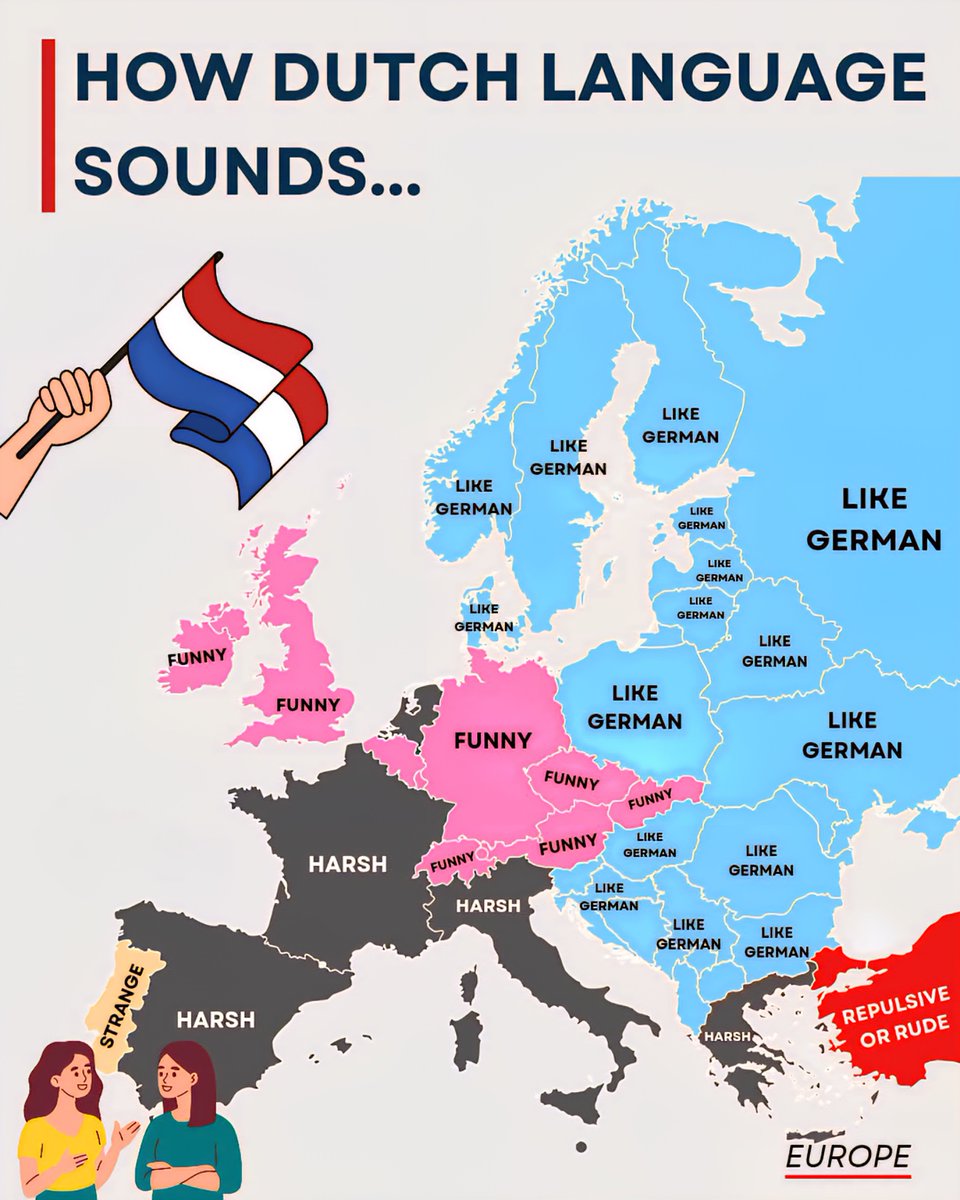
The Dutch language, often admired for its distinctive sounds and rhythms, continues to fascinate language enthusiasts and linguists alike in 2025. From its guttural pronunciations to its melodic intonations, here are key aspects that define how Dutch sounds today:
1. The Guttural Charm of the ‘G’ and ‘Ch’ Sounds
One of the most iconic features of Dutch pronunciation is the guttural sounds produced by the ‘G’ and ‘Ch’. These consonants are articulated deep in the throat, giving the language its rough yet melodious vibe. Unlike the softer ‘G’ sounds of neighboring languages, in Dutch, these sounds can be quite throaty and resonate with a rich, guttural timbre that is unmistakably Dutch.
Example: Words like “goud” (gold) and “lach” (laugh) demonstrate the distinctive throat sounds that are central to Dutch pronunciation in 2025.
2. The Melodic Quality of Vowel Combinations
Dutch vowels are renowned for their clarity and harmonic combinations. In 2025, speakers often emphasize the elongated vowels and diphthongs, creating a musical tone to everyday speech. This melodic quality renders the language both precise and lively.
Example: Phrases like “goede morgen” (good morning) and “ik hou van jou” (I love you) highlight vowel elongation that gives Dutch its musical character.
3. The Influence of Regional Accents
Across the Netherlands and Belgium, regional accents add unique flavor to the Dutch language. In 2025, these regional nuances have gained prominence through digital media, leading to a broader appreciation for variations like the Rotterdam dialect, the Limburg accent, and the Antwerp speech pattern. This diversity amplifies the richness and complexity of how Dutch sounds across different areas.
Example: The ‘soft G’ in the southern Limburg region contrasts sharply with the harsher pronunciations in the north, showcasing the vibrant tapestry of Dutch regional speech.
4. The Clear Enunciation of Consonants
Clear and deliberate consonant pronunciation remains a hallmark of Dutch in 2025. Whether in formal settings or casual conversations, Dutch speakers tend to articulate consonants sharply, contributing to the language’s overall distinctiveness. This clarity enhances comprehension and maintains the language’s rhythmic integrity.
Example: The pronounced ‘t’ and ‘d’ sounds in words like “daad” (deed) and “tand” (tooth) exemplify this crisp consonant enunciation.
5. The Modern Influence of Digital Media
With the ubiquity of social media and streaming platforms, Dutch pronunciation has evolved further in 2025. Younger generations often incorporate slang and modern intonations, subtly altering traditional sound patterns. These influences create a dynamic pronunciation landscape—balancing historic sounds with contemporary expressions.
Example: The adaptation of English loanwords, such as “cool” and “hype,” are pronounced with a distinctly Dutch accent, blending cultures in speech.
6. The Rhythmic Cadence and Speech Pace
Dutch speakers have a natural, rhythmic cadence that makes conversations sound lively yet methodical. In 2025, this rhythm has become more pronounced owing to the influence of media and cultural exchanges, resulting in a vibrant and engaging way of speaking.
Example: News broadcasts and podcasts often feature a steady, cadence-driven delivery that emphasizes key words, making the language both engaging and easily understandable.
7. The Rising Popularity of Dutch in International Circles
Dutch is increasingly heard on the global stage—be it in international diplomacy or pop culture—where its sounds are appreciated for their uniqueness. In 2025, this global interest encourages non-native speakers to adopt Dutch pronunciation with enthusiasm, further enriching its sound profile.
Example: Dutch artists, actors, and influencers often showcase their pronunciation in multilingual contexts, adding new flavor to the language’s traditional sounds.
Summary
The Dutch language in 2025 remains a captivating blend of guttural sounds, melodic vowels, regional diversity, clear enunciation, multimedia influences, rhythmic cadence, and international appeal. Its distinctive sounds continue to charm those who encounter it, preserving its rich heritage while embracing modern evolution. Whether you’re a seasoned speaker or a language learner, understanding these nuanced sound patterns can deepen your appreciation for Dutch’s unique auditory character.
 ChatGPT
 Perplexity
 Gemini AI
 Grok AI