

Select Language:
5 Surprising Facts About Malaysia and Singapore’s Shared History and Modern Success
1. The Shared Roots of Malaysia and Singapore
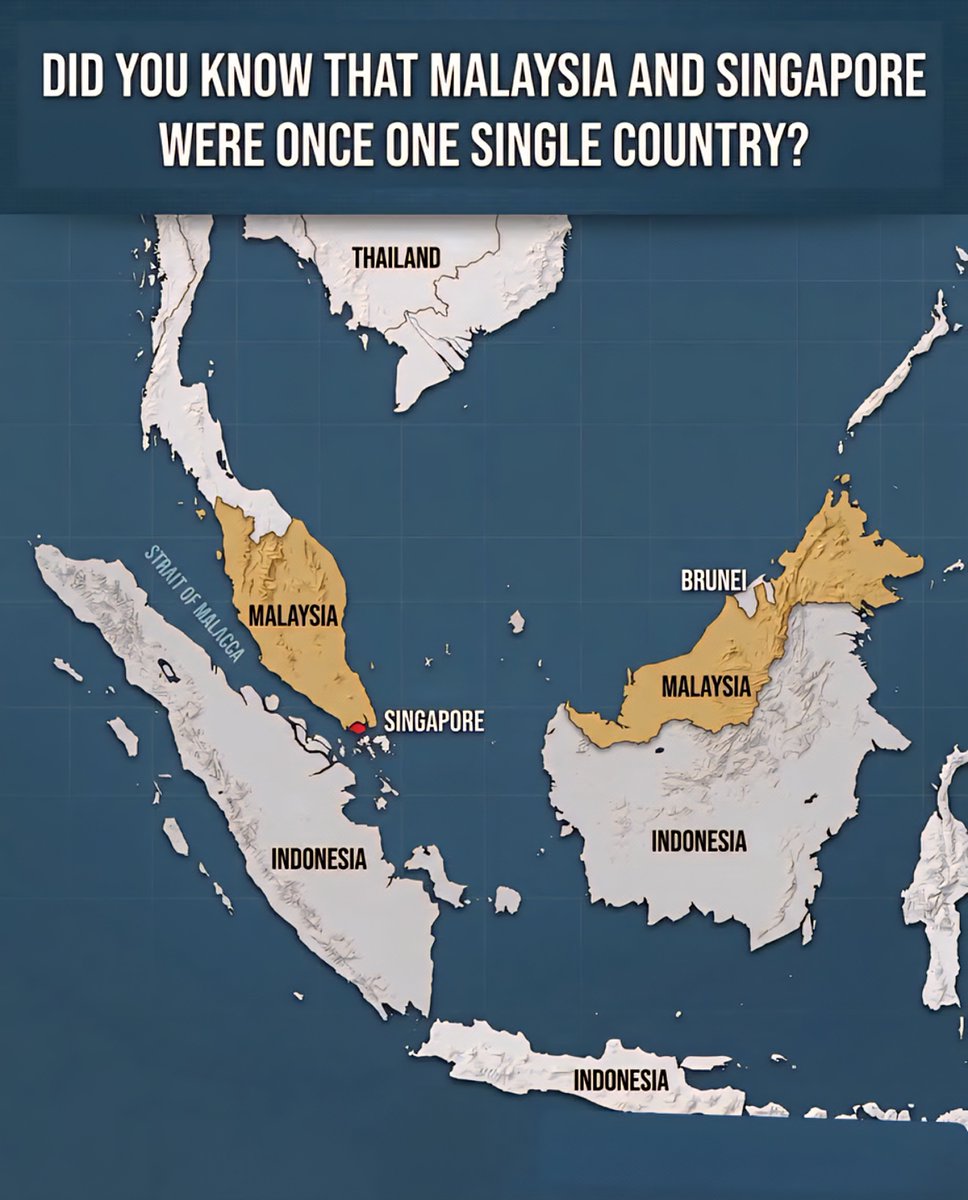
Did you know that Malaysia and Singapore were once part of the same nation? Back in 1963, Singapore joined the Federation of Malaysia, creating a union aimed at economic growth and regional stability. However, their union was short-lived. Due to deep political and economic disagreements, Singapore separated from Malaysia on August 9, 1965, becoming an independent country. Since then, both nations have charted completely different courses, transforming into modern, thriving states with distinct identities.
2. Divergent Sizes, Similar Economic Power
Despite Singapore’s diminutive size—covering only 734 square kilometers—its economic strength is comparable to that of Malaysia, which spans 330,000 square kilometers. Singapore boasts a Gross Domestic Product (GDP) of around $550 billion, nearly matching Malaysia’s GDP of approximately $500 billion. This stark contrast in landmass and population size underscores Singapore’s efficient use of resources and highly developed economy.
3. Population and Landmass: A Tale of Two Nations
Malaysia is home to roughly 34 million residents, sprawled across diverse landscapes, bustling cities, rural villages, and tropical rainforests. Meanwhile, Singapore’s population is about 6 million, densely packed into a tiny island nation. Despite the significant difference in population (approximately five and a half times larger in Malaysia), both countries demonstrate impressive economic achievements, highlighting that population size isn’t the sole indicator of national wealth or influence.
4. Income Disparities: Wealth in Perspective
One of the most striking differences between these neighboring nations lies in the average income levels. Singapore’s per capita income exceeds $90,000 annually, positioning it among the wealthiest countries worldwide. In contrast, Malaysia’s per capita income hovers around $14,000, reflecting a more modest but steadily growing economy. This wealth gap has profound impacts on lifestyle, infrastructure, and government services in both countries.
5. Unique Paths to Development
While Malaysia has established itself as a major industrial and commercial hub in Southeast Asia—thanks to its strategic location, abundant natural resources, and diversified economy—Singapore has positioned itself as a global financial center and innovation hub. Its emphasis on finance, technology, and high-value industries explains its remarkable economic performance despite minimal natural resources. Meanwhile, Malaysia leverages its natural wealth, especially in palm oil, rubber, and electronics manufacturing, fostering a broad and diverse economy.
In Conclusion
Malaysia and Singapore’s shared history is a fascinating chapter in Southeast Asia’s story. From their origins as one nation to their separate paths to prosperity, these countries exemplify how different strategies and national priorities can lead to impressive growth. Whether it’s Singapore’s technological prowess or Malaysia’s natural resource-based industries, each country’s success story contributes to the dynamic economic landscape of Southeast Asia in 2025.
Note: Data is current as of 2025 and highlights the evolving economic and demographic landscapes of Malaysia and Singapore.
 ChatGPT
 Perplexity
 Gemini AI
 Grok AI