The phrase “eyes are the window to the soul” might hold more truth than most realize. Researchers now believe that our eyes could also reveal crucial information about the health of our brains.
A recent study indicates that taking simple photos of the retina—the light-sensitive tissue at the back of the eye—could help identify individuals at a higher risk of developing Alzheimer’s disease years before warning signs appear.
Alzheimer’s is the leading cause of dementia, progressively impairing memory, reasoning, and daily functioning. Over 55 million people worldwide live with dementia, with Alzheimer’s accounting for the majority of cases. As lifespan increases, the number of affected individuals is expected to grow rapidly in coming decades.
One of the biggest hurdles in battling Alzheimer’s is that brain changes often begin long before symptoms emerge. By the time memory issues become noticeable, significant damage has already occurred. This has led scientists to seek simple, cost-effective methods for early detection.
Researchers from the University of Florida believe a solution may lie within our eyes. Led by Professor Ruogu Fang, the team collaborated with experts from the University of Florida and Meta, publishing their findings in the Journal of Alzheimer’s Disease.
The retina forms a thin layer of tissue at the eye’s back, containing blood vessels and nerve cells that connect closely to the brain. Because of this link, many scientists think that changes in the retina could mirror what’s happening in the brain itself.
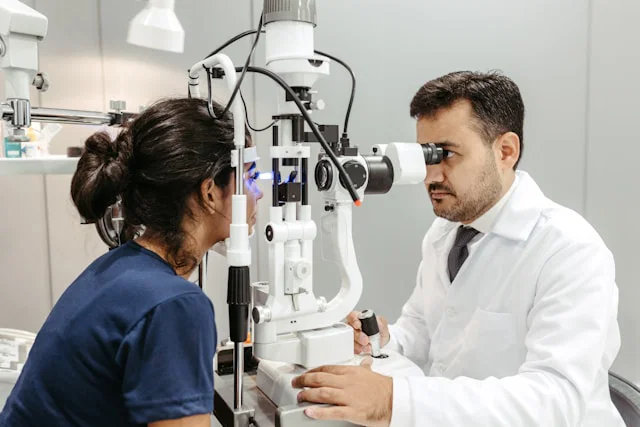
Retinal imaging is already a common part of medical care. Routine eye exams for conditions like diabetes, glaucoma, and cataracts often include retinal photos. Additionally, many eye prescriptions involve standard retinal imaging, which is inexpensive and widely accessible compared to brain scans like MRIs.
Using artificial intelligence and machine learning, the team analyzed retinal images from over 40,000 patients stored in a large UK health database. AI can detect subtle patterns often invisible to the human eye. Through examining thousands of images, the system learned to identify tiny differences in eye structures associated with Alzheimer’s risk factors.
Findings showed that specific regions of the retina—particularly blood vessels and the optic nerve—contain important clues about an individual’s health and future disease susceptibility. The AI accurately predicted several biological and lifestyle traits linked to Alzheimer’s, such as gender, blood pressure, smoking, alcohol consumption, and even sleep issues like insomnia.
While these details are typically recorded in medical records, they depend on accurate patient reporting, which can sometimes be unreliable—people may underreport alcohol intake or forget to mention smoking. Retinal photos could offer a more objective means of assessing health risks.
The study suggests that retinal images might also capture the long-term effects of unhealthy conditions. Two individuals with similar blood pressure readings today could have very different health histories; the retina might preserve evidence of past vascular health or nerve damage caused by prolonged issues.
Fang explains that retinal imaging could function as an integrated biological sensor—recording cumulative health risks over time. Essentially, the eyes might hold a hidden history of what has transpired inside the body and brain.
This isn’t the first time Fang’s team has linked the retina to Alzheimer’s. Earlier research showed retinal photos could help identify patients who already have the disease. This new study, however, takes it further by proposing that retinal images might identify at-risk individuals before symptoms develop.
Early detection is vital because early intervention might be more effective, potentially slowing or preventing significant brain damage. Those identified as high-risk could benefit from healthier lifestyles, better management of existing health conditions, medications, and activities to support brain function.
The findings are promising, suggesting that a simple, affordable eye test might one day become an important tool in protecting brain health. Still, it’s important to note that current retinal photographs cannot diagnose Alzheimer’s or definitively predict who will develop it. More research is needed to confirm these results and determine the best way to incorporate retinal screening into clinical practice.
Nevertheless, this research opens an intriguing possibility: a straightforward image of the back of the eye could help doctors identify individuals at risk of Alzheimer’s many years before memory loss begins.
For those concerned about Alzheimer’s, it’s worth exploring studies showing how lifestyle choices impact its development, such as the benefits of strawberries and the dangers of unhealthy habits. Other recent research suggests oral cannabis extracts might ease symptoms, and Vitamin E could play a role in preventing Parkinson’s disease.
Source: University of Florida.