Countries That Shaped the Outcomes of Both World Wars: Winners and Losers
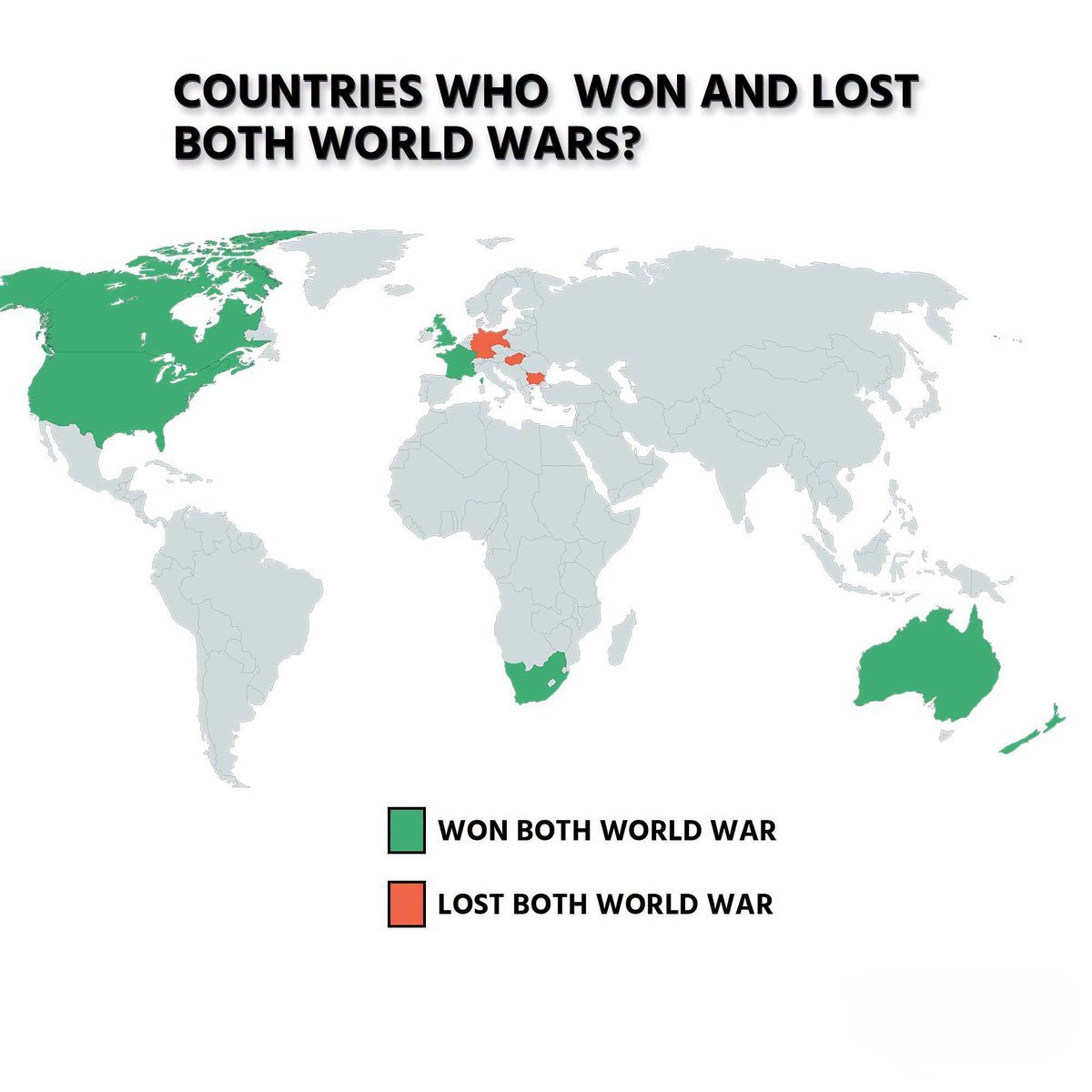
Major Powers That Triumphed in Both World Wars
United States: The Unyielding Superpower
The United States emerged from both World Wars as a dominant global superpower. After World War I, America experienced economic growth and expanded its influence on the international stage, shifting from a primarily isolationist stance to one of active global involvement. Post-World War II, the U.S. played a crucial role in establishing international institutions such as the United Nations and NATO, solidifying its position as a geopolitical leader. Its military and economic strength has continued to grow, shaping global affairs well into the 21st century.
United Kingdom: The Resilient Empire
Britain’s role in both conflicts was pivotal. During World War I, the British Empire was at its height, yet the war drained its resources and accelerated decolonization movements. In World War II, Britain stood firm against Nazi Germany, with leaders like Winston Churchill inspiring resilience. Although the empire contracted significantly after the second war, Britain retained a formidable influence through its cultural and diplomatic reach, cementing its status as a historical world power.
France: A Nation of Resilience and Reinvention
France faced significant losses in both wars but managed to recover and redefine itself. In World War I, it was one of the main combatants on the Western Front, suffering immense casualties. During World War II, France was occupied by Nazi Germany, prompting a fierce resistance and the eventual liberation led by Allied forces. Post-war recovery saw France continue to play a strategic role in European and global affairs, becoming a founding member of NATO and the European Union.
Countries That Suffered Defeats and Losses in Both Conflicts
Germany: The Fateful Conflict of Ambition
Germany’s aggressive militarism was a major factor in both World Wars. In World War I, Germany faced defeat, suffering significant territorial and political losses. The Treaty of Versailles imposed harsh penalties, sowing the seeds of resentment. In World War II, Germany once again faced defeat, this time under the brutal campaigns of Hitler’s Nazi regime, leading to devastation and occupation. The aftermath resulted in division and demilitarization, yet Germany eventually transformed into an economic powerhouse and unified nation.
Austria-Hungary: An Empire Dismantled Twice
The Austro-Hungarian Empire, already strained before World War I, disintegrated after the war, paving the way for modern nations like Austria and Hungary. Their involvement in both conflicts ended in defeat, leading to severe territorial losses and internal upheaval. The empire’s collapse fundamentally reshaped central Europe, with its successor states navigating independence amidst economic and political turbulence.
Ottoman Empire (Modern-day Turkey and the Middle East)
The Ottoman Empire, a central axis in the Middle Eastern theater, participated in both wars. Its defeat after World War I led to a significant decline and the empire’s dissolution, replaced by the modern Republic of Turkey in 1923. The post-war treaties, most notably the Treaty of Sèvres, redrew borders in the Middle East, shaping conflicts that continue into the present day.
Nations with Shifting Influence Between the Two Global Conflicts
Japan: From Rising Power to Occupied Nation
Japan’s imperial ambitions led it to align with the Axis powers during World War II, aiming to expand its influence across Asia. After suffering defeat in 1945, Japan was occupied by Allied forces. The post-war period saw Japan rebuild into an economic miracle, focusing on technological and industrial growth. Its role today as a technological leader contrasts sharply with its past militaristic expansion.
Italy: From Fascist Power to Democratic State
Italy was part of the Axis powers in World War II, driven by Mussolini’s fascist regime. The country’s military failures led to its defeat and occupation by Allied forces. In the years that followed, Italy transitioned to a republic, embracing democracy and rebuilding its economy, becoming a key member of the European Union.
Reflecting on the Legacy of the Great Wars
The outcomes of both World Wars continue to influence international politics, economics, and socio-cultural dynamics today. Countries like the United States and Britain capitalized on their victories, shaping a modern global order, while nations like Germany and Japan experienced devastating defeats that prompted profound reconstruction and transformation. Conversely, the collapse of empires and the reshaping of borders after these conflicts set the stage for many of the geopolitical tensions still seen worldwide.
The remembers of both wars serve as stark reminders of the immense costs of conflict and the resilience required for nations to recover and redefine themselves. As the world continues to evolve in 2025, understanding the history and consequences of these global conflicts remains vital for promoting peace and stability.
Note: The historical narratives presented are simplified summaries aimed at providing a comprehensive overview of the countries involved in both World Wars.