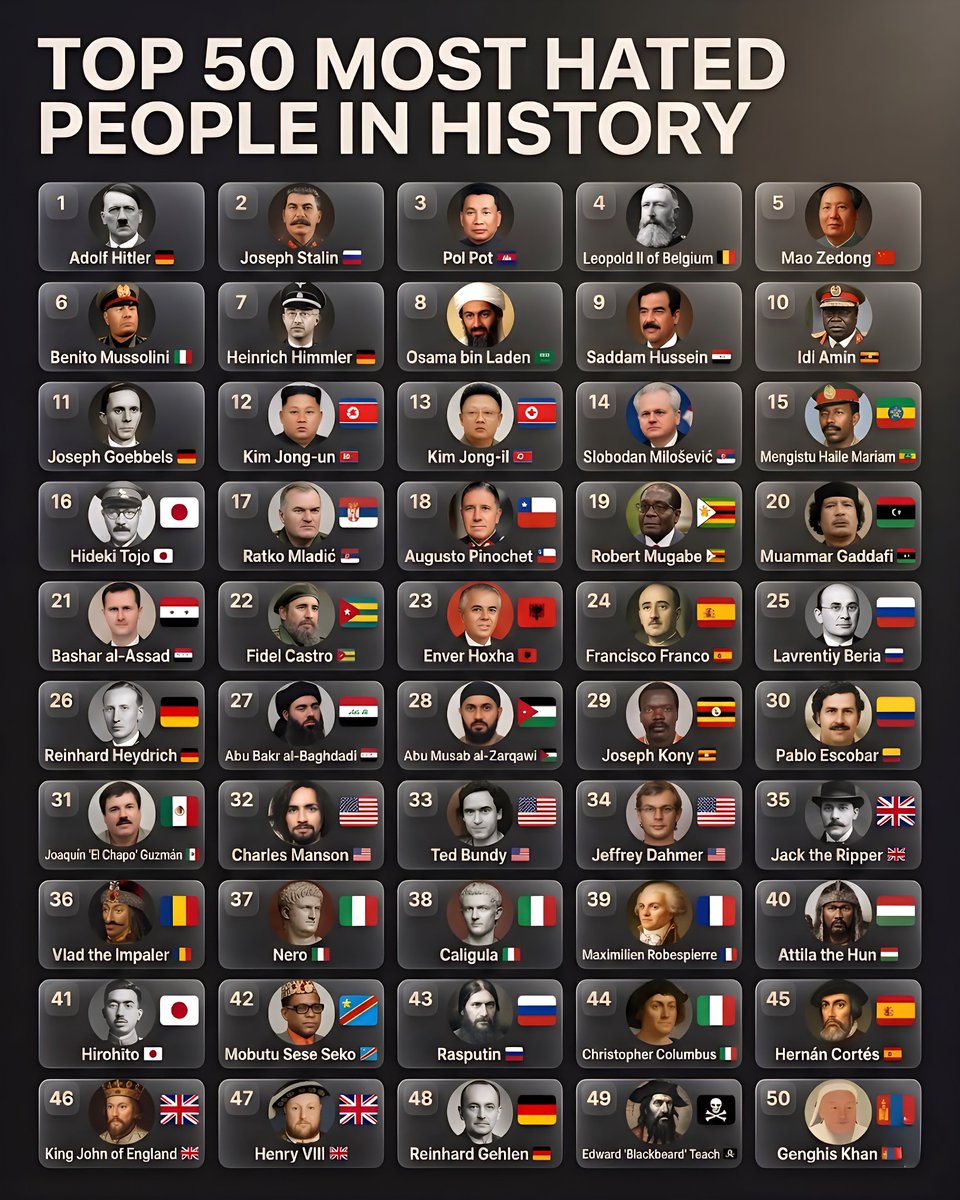
Category: Infotainment

  • Top 50 Most Hated Figures in History Leading the List

    Top 50 Most Hated Figures in History Leading the List

    The Legacy of Infamy: 2025’s Most Notorious Figures in History

    Adolf Hitler: The Architect of Atrocity

    Occupying the top spot is Adolf Hitler, the German dictator whose name remains synonymous with the Holocaust and World War II atrocities. His ideologies fueled one of the darkest eras in human history, leading to the genocide of six million Jews and millions of others. Hitler’s aggressive expansionism and genocidal policies instigated global conflict, leaving scars that still influence politics and society today.

    Joseph Stalin: The Ruthless Soviet Leader

    Joseph Stalin’s reign over the Soviet Union is remembered for brutal purges, forced famines, and oppressive surveillance. Responsible for millions of deaths through executions, labor camps, and man-made famines, Stalin’s totalitarian regime exemplifies the destructive potential of unchecked power.

    Pol Pot: The Khmer Rouge’s Nightmare

    Leader of Cambodia’s Khmer Rouge, Pol Pot presided over a regime responsible for the deaths of nearly two million people—about a quarter of the country’s population—through genocide, forced labor, and starvation during the late 1970s. His attempt to transform Cambodia into agrarian utopia resulted in widespread suffering.

    Leopold II of Belgium: The Colonial Atrocity

    King Leopold II’s exploitation of the Congo Free State led to the death and suffering of millions of Africans. His obsession with personal wealth resulted in brutal forced labor, mutilation, and international condemnation, with the colonial atrocities remaining one of the most egregious examples of imperial brutality.

    Mao Zedong: The Chinese Revolution’s Controversial Architect

    Mao Zedong’s leadership in China was marked by revolutionary campaigns like the Great Leap Forward and the Cultural Revolution, which caused widespread famine, political persecution, and millions of deaths. His complex legacy continues to influence modern China’s development and political landscape.

    Benito Mussolini: Italy’s Fascist Leader

    As founder of Italian Fascism, Mussolini’s dictatorship led Italy into World War II alongside Nazi Germany. His aggressive expansionist policies and alliance with Hitler contributed to widespread destruction and loss of life across Europe.

    Heinrich Himmler: The Mastermind of the Holocaust

    A leading member of the Nazi regime, Heinrich Himmler orchestrated the Holocaust’s logistics, overseeing the systematic extermination of Jews and other marginalized groups. His role underscores the horrific machinery behind genocide.

    Osama bin Laden: The Face of Terrorism

    As leader of al-Qaeda, bin Laden was responsible for orchestrating the September 11 attacks, which changed the course of global security. His declaration of jihad and orchestrated violence resulted in thousands of deaths worldwide.

    Saddam Hussein: The Iraqi Despot

    Saddam Hussein’s brutal rule in Iraq was marked by wars, genocides against Kurdish populations, and widespread human rights abuses, leaving a legacy of instability and conflict in the Middle East.

    Idi Amin: The Ugandan Dictator

    Known for his brutal dictatorship, Idi Amin’s regime was characterized by political repression, ethnic persecution, and atrocities that caused the deaths of hundreds of thousands of Ugandans during the 1970s.


    [Image: Dangerous Figures of History]

    Joseph Goebbels: The Propaganda Minister

    One of Hitler’s closest allies, Goebbels masterfully spread Nazi ideology and propaganda, intensifying the regime’s grip on Germany—and playing a key role in fueling the horrors of the Holocaust.

    Kim Jong-un & Kim Jong-il: North Korea’s Controversial Leaders

    The current and former North Korean leaders are notorious for human rights abuses, nuclear ambitions, and economic hardships faced by their people. The regime’s secrecy continues to draw global criticism.

    Slobodan Milošević: The Balkan War Criminal

    Accused of ethnic cleansing and war crimes during the Yugoslav Wars, Milošević’s policies contributed to genocide and intra-ethnic violence, leaving a lasting scar on Balkan history.

    Mengistu Haile Mariam: Ethiopia’s Brutal Regime

    Leading Ethiopia through brutal repression during the 1970s and 1980s, Mengistu’s government was responsible for mass executions, famine, and human rights violations.

    Hideki Tojo: The Japanese War Commander

    Prime Minister of Japan during World War II, Tojo’s aggressive military policies and invasion campaigns contributed to widespread suffering and the devastation of several Asian countries.


    (The list continues with infamous figures spanning various eras and continents, with histories often marked by suffering, violence, and unchecked ambition.)

    Notorious Criminals and War Lords

    From Pablo Escobar and “El Chapo” Guzmán to Charles Manson and Jeffrey Dahmer, the list also includes individuals whose criminal actions shocked the world, leading to countless innocent lives lost.

    Historical Tyrants and World Leaders

    Figures like Vlad the Impaler, Nero, Caligula, and Napoleon’s knock-offs reveal how power can sometimes be wielded with cruelty and hubris, catapulting history into chaos and destruction.

    Infamously Cannibalistic and Violent Figures

    Edward Teach, famously known as Blackbeard, and figures like Genghis Khan, who expanded empires through violence, remind us of the brutal realities of conquest and ambition.


    While these figures represent some of the darkest chapters in human history, understanding their actions provides crucial lessons about the importance of human rights, the dangers of absolute power, and the enduring need for vigilance against tyranny and hatred.

    Note: The flags associated with each individual generally denote their country of origin, rulership, or the primary region associated with their historical actions. Their inclusion aims to contextualize their influence but does not imply any responsibility or accountability on the part of modern nations.

    Sources: Britannica, History.com, scholarly archives, genocide and wartime research institutes.

  • Top 100 Most Influential People in History

    Top 100 Most Influential People in History

    Discovering the Most Influential People in History: The 2025 List

    Jesus Christ: The Central Figure in Christianity

    Jesus of Nazareth leads the list as the most influential human figure in history, having shaped religious thought, ethics, and cultures worldwide for over two millennia. His teachings continue to influence billions, making him a pivotal presence across continents and civilizations.

    Napoleon Bonaparte: The Mastermind of Modern Warfare

    The French military leader revolutionized warfare and political structures across Europe. His strategic innovations and charismatic leadership altered warfare tactics and national boundaries, leaving a lasting legacy on world history.

    Muhammad: The Prophet Who Changed the World

    Founder of Islam, Muhammad’s teachings created a religious and cultural revolution that still impacts over a billion people today. His influence extends beyond faith, shaping laws, arts, and social practices in the Muslim world and beyond.

    William Shakespeare: The Bard of Avon

    Shakespeare’s literary genius crafted works that explore the human condition with unmatched depth. His plays and sonnets have influenced English literature and theater, inspiring countless generations worldwide.

    Abraham Lincoln: The Emancipator

    As the 16th President of the United States, Lincoln preserved the nation and abolished slavery. His leadership during the Civil War and his vision for equality have cemented his place as an enduring symbol of democracy and freedom.

    George Washington: Building the American Foundation

    The founding father of the United States, Washington led the revolutionary war effort and became the nation’s first president. His leadership helped establish principles of governance that continue to guide American democracy.

    Adolf Hitler: A Dark Turning Point

    As the leader of Nazi Germany, Hitler’s actions precipitated World War II and the Holocaust. His impact serves as a somber reminder of the dangers of extremism and totalitarian power.

    Aristotle: The Pillar of Western Philosophy

    Ancient Greece’s most influential philosopher laid the groundwork for Western science, logic, and ethics. His ideas continue to influence contemporary thought across disciplines.

    Alexander the Great: The Conqueror’s Legacy

    His empire stretching from Greece to India reshaped the ancient world, spreading Greek culture and ideas across continents, leaving a lasting impact on civilization.

    Thomas Jefferson: Architect of American Democracy

    Author of the Declaration of Independence, Jefferson’s advocacy for liberty and republican ideals helped forge the United States’ core values.


    The Pioneers of Science and Innovation

    • Isaac Newton: His laws of motion and gravity revolutionized physics.
    • Albert Einstein: Brought new understanding to space, time, and energy.
    • Nikola Tesla: Invented groundbreaking electrical innovations that underpin modern technology.
    • Galileo Galilei: Laid foundations for modern astronomy and scientific inquiry.
    • Johann Sebastian Bach: His influence on musical theory endures centuries later.

    Political and Military Leaders Who Changed Nations

    • Genghis Khan: Conquered vast territories, establishing the Mongol Empire.
    • Winston Churchill: Led Britain through WWII with resilient leadership.
    • Vladimir Lenin: Spearheaded the Bolshevik Revolution, transforming Russia’s future.
    • John F. Kennedy: Inspired change and faced national crises with resolve.

    Cultural Icons Making a Lasting Impact

    • Leonardo da Vinci: Embodied the Renaissance spirit through art and invention.
    • Vincent van Gogh: His paintings revolutionized modern art.
    • Elvis Presley: Defined the modern music era with his groundbreaking style.
    • William the Conqueror: Transformed England’s culture and governance.
    • Joan of Arc: Her courage in battle and faith remain legendary.

    Philosophers and Thinkers That Shaped Ideas

    • Socrates: Laid the foundation for Western philosophy through his Socratic method.
    • Immanuel Kant: Redefined epistemology and ethics.
    • Jean-Jacques Rousseau: Influenced revolutionary ideas about government and society.
    • Thomas Aquinas: Bridged theology and philosophy in medieval times.

    Religious Leaders Who Inspired Movements

    • Gautama Buddha: Founded Buddhism, promoting spiritual awakening.
    • Pope John Paul II: Advocated for peace and human rights globally.
    • Ali (Founder of Sufism): Spread mystical Islamic teachings that fostered cultural bridges.

    Influencers of Modern Society

    • Martin Luther: Sparked the Protestant Reformation.
    • Franklin D. Roosevelt: Led the U.S. through the Great Depression and WWII.
    • Ronald Reagan: Reshaped American politics in the late 20th century.

    This compilation draws from Steven Skiena and Charles B. Ward’s 2013 research, “Who’s Bigger? Where Historical Figures Really Rank,” published by Cambridge University Press. The influence of these figures transcends time, shaping the core of human civilization.


    Note: The views expressed are the authors’ own and reflect their research on historical influence.

  • History’s Deadliest Leaders Mao Zedong and the Impact of War and Famine

    History’s Deadliest Leaders Mao Zedong and the Impact of War and Famine

    The Most Deadly Leaders in History: A Look at the Toll of War, Genocide, and Famine

    1. Mao Zedong (1943–1976) – Responsible for Over 80 Million Deaths

    As the founding father of the People’s Republic of China, Mao’s leadership saw the implementation of policies like the Great Leap Forward and the Cultural Revolution. While aimed at modernizing China, these initiatives led to widespread famine and political purges, resulting in an estimated 80 million deaths. His impact remains one of the most devastating in history, reflecting the deadly consequences of authoritarian rule and unchecked political campaigns.

    2. Joseph Stalin (1924–1953) – Estimated 60 Million Lives

    The Soviet dictator’s rule was marked by brutal political repression, forced collectivization, and famines such as the Holodomor. Stalin’s policies and purges are believed to have caused approximately 60 million deaths, making him one of the most lethal leaders of the 20th century. His iron grip on the USSR led to widespread fear, suffering, and millions losing their lives through famine, executions, and labor camps.

    3. Genghis Khan (1206–1227) – An Estimated 35 Million Deaths

    The Mongol conqueror is notorious for creating one of history’s largest empires through relentless military campaigns. His invasions, characterized by mass killings of civilians, expanded across Asia and into Europe. Modern estimates suggest his conquests resulted in approximately 35 million deaths, underscoring the devastating power of military expansion and barbarity.

    4. Hong Xiuquan (1850–1864) – About 30 Million Lives Lost

    Leader of the Taiping Rebellion in China, Hong Xiuquan sought to overthrow the Qing Dynasty and establish a religious utopia. The rebellion caused a civil war that devastated China, with deaths estimated at around 30 million. His rule was marked by brutal warfare and political chaos, leaving millions dead in one of the deadliest civil conflicts in history.

    5. Adolf Hitler (1933–1945) – Responsible for Approximately 25 Million Deaths

    As Führer of Nazi Germany, Hitler orchestrated the Holocaust, resulting in the systematic extermination of six million Jews and millions of others deemed undesirable. His aggressive military campaigns ignited World War II, leading to an estimated 25 million deaths across Europe and beyond. His leadership symbolizes the catastrophic toll of fascist ideology and genocidal policies.

    6. Tamerlane (Timur) (1370–1405) – Estimated 17 Million Deaths

    The Turco-Mongol conqueror’s campaigns across Persia, India, and Mesopotamia were marked by mass slaughter and destruction. Timur sought to build an empire through brutal conquest, with casualties estimated around 17 million. His reign exemplifies the destructive power of ruthless military expansion.

    7. Hideki Tojo (1941–1944) – An Estimated 14 Million Deaths

    The Japanese Prime Minister during World War II, Tojo’s government was responsible for wartime atrocities across Asia and the Pacific. His expansionist policies led to extensive conflict, including the invasion of China and Southeast Asia, resulting in approximately 14 million deaths.

    8. Leopold II of Belgium (1885–1908) – Around 10 Million Deaths

    The Belgian king’s brutal exploitation of the Congo Free State was marked by forced labor, violence, and mass killings. It is estimated that his reign caused the deaths of approximately 10 million Congolese people, highlighting one of the darkest episodes of colonial cruelty.

    9. Chiang Kai-shek (1928–1949) – About 9 Million Lives

    The leader of the Republic of China and the Nationalist Party fought against both Japanese invasion and Communist insurgents. His military campaigns and internal conflicts resulted in an estimated 9 million deaths during a tumultuous period of Chinese history.

    10. Vladimir Lenin (1917–1924) – An Estimated 5 Million Deaths

    The Bolshevik leader led the Russian Revolution, followed by the Russian Civil War. Both conflicts, along with the resulting policies of War Communism, contributed to around 5 million deaths from violence, famine, and political repression.


    Visual Representation of Leader-Related Death Tolls

    Chart of Historical Leaders' Death Tolls


    Additional Leaders Responsible for Militant Violence and Suppression

    • Kim Il-sung (1948–1994) – Estimated 3 Million deaths
    • Pol Pot (1963–1981) – Nearly 3 Million victims of the Khmer Rouge regime
    • Yakubu Gowon (1966–1975) – About 2.8 Million deaths during Nigeria’s civil war
    • Yahya Khan (1969–1971) – Approximately 2.7 Million deaths during Pakistan’s Bangladesh Liberation War
    • Enver Pasha (1913–1918) – Around 2.5 Million killed amid Ottoman Empire conflicts
    • Saddam Hussein (1979–2003) – Estimated 2 Million deaths from his wars and repression
    • Mengistu Haile Mariam (1977–1991) – About 1.5 Million lives lost in Ethiopia
    • Jonas Savimbi (1975–2002) – Approximately 1 Million deaths during Angolan conflicts
    • Bashar al-Assad (2000–2024) – Estimated 600,000 lives lost in Syrian civil war
    • Idi Amin (1971–1979) – Around 500,000 deaths during Uganda’s tumultuous period

    Sources:

    • R.J. Rummel, Death by Government
    • Matthew White, Necrometrics
    • Stéphane Courtois, The Black Book of Communism
    • Timothy Snyder, Bloodlands
    • Frank Dikötter, Mao’s Great Famine
    • Robert Conquest, The Great Terror
    • Adam Hochschild, King Leopold’s Ghost
    • Yang Jisheng, Tombstone
    • Jung Chang & Jon Halliday, Mao: The Unknown Story
    • United Nations reports

    Note: These figures are estimates derived from historical records and scholarly research, reflecting the tragic human cost of these leaders’ regimes and policies.

  • Top World Map of Shoes On Versus Shoes Off in Homes

    Top World Map of Shoes On Versus Shoes Off in Homes

    The Global Perspective on Shoes In and Out of the House in 2025

    1. American Preferences: Shoes Off at the Door

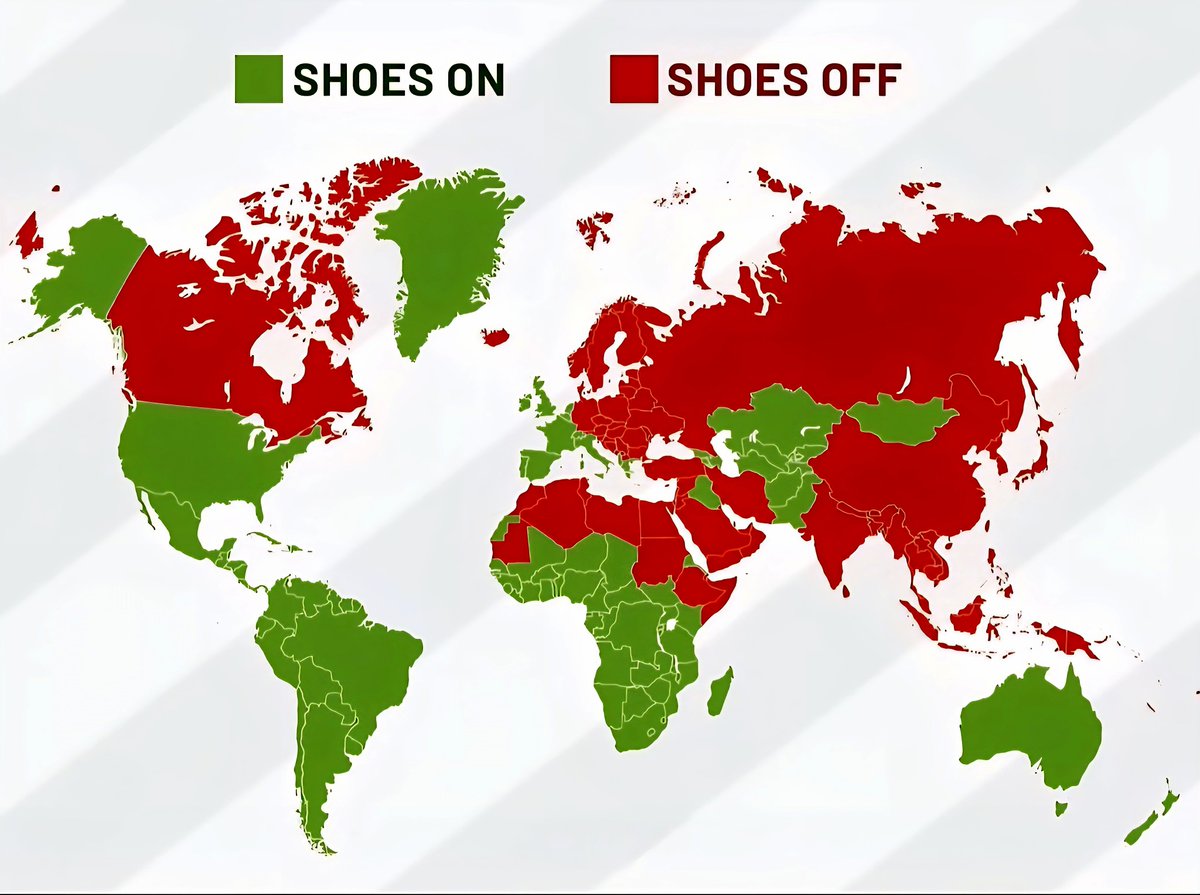
    In the United States, there’s a well-established tradition of removing shoes upon entering homes. Many families see this as a way to keep their living spaces clean and prevent the spread of dirt and germs. This practice has gained even more momentum post-pandemic, with households emphasizing hygiene and cleanliness. Notably, entryway mats and shoe storage solutions have become trendy household staples, reflecting Americans’ dedication to maintaining a tidy home environment. While some regions and individuals still prefer to keep shoes on indoors, the dominant trend remains the same across most American households.

    2. Asian Countries’ Cultural Norms: Shoes Off Everywhere

    In countries like Japan, Korea, and China, the practice of removing shoes before entering homes is deeply rooted in cultural traditions. In Japan, it’s customary to remove shoes not only at home but also in certain public spaces like temples and traditional inns. Families often provide shoes lockers or shoe covers to visitors. Korean households similarly emphasize this custom, with house slippers being common inside. The practice aligns with broader cultural principles of respect and cleanliness, making shoes-off homes a standard across these nations.
    Image of global shoes on and off map

    3. European Variations: Shoes Off or On?

    Across Europe, attitudes toward indoor shoes vary considerably from country to country. Scandinavian countries, such as Sweden and Norway, follow a tradition similar to the U.S., favoring removing shoes at the door for hygiene reasons. Meanwhile, in Mediterranean countries like Italy and Spain, many households prefer to keep shoes on indoors, especially in warmer weather, although shoe removal is often practiced in more traditional or rural settings. This cultural diversity manifests in differing home fittings and footwear habits across the continent.

    4. Australia and New Zealand: Casual Yet Clean

    In Australia and New Zealand, the footwear habits indoors tend to mirror American practices, with many households opting to take shoes off to keep their homes tidy. Because of the outdoor lifestyle and the influence of Asian and Western customs, a significant number of residents prefer using slippers or indoor shoes. Public spaces like cafes and restaurants have also adopted policies encouraging shoes off to maintain cleanliness, a trend that has gained popularity in recent years.

    5. Middle Eastern and African Habits: Respect and Practicality

    In many Middle Eastern and North African countries, removing shoes when entering homes is considered respectful and a sign of hospitality. This is especially true in traditional households, where footwear might carry dirt from the street, and maintaining cleanliness is prioritized. In some regions, there are clear distinctions between indoor and outdoor footwear, with designated slippers or bare feet inside homes. For African nations, practices vary widely, but in urban areas, the trend toward shoe removal is gradually increasing due to urban cleanliness initiatives.

    6. The Growing Trend of Shoe-Free Spaces in Commercial Settings

    Beyond private residences, the shoe-off trend is expanding into commercial spaces such as yoga studios, gyms, and some offices around the world. This shift aims to promote hygiene, comfort, and a relaxed atmosphere. Many workplaces are now encouraging employees and visitors to remove shoes before entering certain zones, especially in creative industries or wellness centers. This movement aligns with a broader global shift toward healthier and more hygienic environments.

    7. Shoe Manufacturers Respond: Comfort and Convenience

    As shoe-removal customs evolve worldwide, footwear companies are adapting by designing stylish, comfortable indoor shoes and slippers tailored for various climates and cultural preferences. Features like quick-slip design, breathable materials, and easy-on/easy-off mechanics have become popular. This innovation makes it simpler for households and commercial spaces to embrace the shoes-off culture without sacrificing style or convenience.

    8. Environmental Impact and Sustainability Concerns

    With an increasing emphasis on reducing indoor pollution and waste, the shoes-off trend also intersects with environmental sustainability. Using fewer shoes indoors means less frequent cleaning and reduced wear and tear on footwear, leading to fewer discarded shoes in the landfill. Some eco-conscious companies are producing biodegradable indoor slippers, aligning consumer habits with sustainability goals.


    In conclusion, the global landscape of indoor shoe habits in 2025 reflects a rich tapestry of cultural traditions, health considerations, and modern lifestyle trends. Whether shoes are on or off, the underlying goal across countries remains the same: creating a clean, respectful, and comfortable living environment.

  • Top Countries Where You Can Safely Drink Tap Water

    Top Countries Where You Can Safely Drink Tap Water

    Safe Tap Water: A Global Perspective in 2025

    The State of Tap Water Access Worldwide

    In 2025, the landscape of tap water safety remains quite complex globally. While many regions boast reliable and clean municipal water systems, others continue to face significant challenges caring for their populations’ health and well-being. The visual guide below categorizes countries into two main groups: those where tap water is generally safe to drink, and those where it is not. Understanding these distinctions is crucial as it highlights progress made and the hurdles that still lie ahead in providing safe drinking water across the globe.

    Can You Drink Tap Water? Countries with Safe Tap Water

    United States:
    The U.S. has long been considered a leader in water safety standards, and in 2025, most of its cities continue to provide safe, potable tap water. Strict regulations by the Environmental Protection Agency (EPA) ensure that contaminants are kept within safe levels, though occasional issues with aging infrastructure still pose challenges in some regions.

    Canada:
    Canada’s water systems are among the safest in the world. Municipal governments diligently monitor water quality, and most Canadians have access to safe tap water that meets rigorous safety standards. Indigenous and remote communities, however, still face disparities in water safety that are slowly being addressed.

    Australia:
    In Australia, tap water is generally safe and reliable. Strong regulations and advanced filtration technologies in major cities bolster public confidence. Rural areas and indigenous communities, however, sometimes experience water safety issues due to infrastructure limitations.

    European Countries (like Germany, France, and the UK):
    Most countries in Europe have comprehensive water safety programs. The European Union’s Water Framework Directive enforces strict standards across member states, leading to high-quality tap water that is safe for daily consumption.

    Japan:
    Known for technological advancements and rigorous safety standards, Japan’s tap water is considered some of the safest worldwide. Regular testing and high-quality filtration systems ensure Japanese citizens can comfortably drink tap water almost everywhere.


    Countries Where Tap Water Safety Is Questionable

    India:
    While urban centers like Delhi and Mumbai have made considerable progress, millions of people in rural and underserved urban regions still rely on contaminated sources. Waterborne diseases continue to be a major health concern, necessitating extensive infrastructure improvements and public health initiatives.

    Nigeria:
    Access to safe tap water remains inconsistent in many parts of Nigeria. Many communities depend on well water or rivers that are often contaminated with pollutants and pathogens, leading to a high incidence of water-related illnesses.

    Mexico:
    Although Mexico City and other major urban regions provide relatively safe tap water, many rural areas and smaller towns struggle with water that isn’t safe to drink. Contamination issues often stem from aging infrastructure, pollution, and inadequate treatment facilities.

    Brazil:
    The Amazon rainforest region faces ongoing challenges in ensuring safe drinking water. While large urban centers like São Paulo provide reasonably safe tap water, rural and indigenous communities frequently contend with contaminated sources.

    Africa (various countries):
    Many African nations still grapple with widespread unsafe drinking water. Limited infrastructure, poor sanitation, and pollution hinder efforts to provide clean tap water, posing significant health risks across the continent.


    The Impact of Climate Change and Infrastructure

    Climate Change Effects:
    Rising temperatures, unpredictable rainfall, and extreme weather events continue to threaten water quality globally. Floods can overwhelm sewage systems, spilling contaminants into water supplies, while droughts reduce available freshwater sources, making the access to clean water more urgent than ever.

    Infrastructure and Investment Needs:
    In many countries where tap water isn’t reliably safe, upgrading infrastructure is key. Investments in modern filtration, treatment facilities, and distribution networks are essential to bridge gaps and protect public health.

    Innovations and Future Outlook

    Emerging Technologies:
    In 2025, innovations like smart water management systems, real-time monitoring sensors, and decentralized filtration units are transforming water safety initiatives worldwide. These tools allow authorities to respond rapidly to contamination events and maintain high standards.

    Global Cooperation:
    Efforts by international organizations and collaborations between governments and private sectors are paving the way for improved water safety standards, especially in underserved regions. Initiatives like the United Nations’ Sustainable Development Goals continue to promote universal access to safe and affordable drinking water.

    Final Thoughts

    Access to safe tap water remains a priority for global health and well-being. Rapid advancements are being made, yet challenges persist, particularly in developing countries and remote areas. It’s essential for policymakers, communities, and individuals to advocate for infrastructure investments, sustainable practices, and innovative solutions to ensure safe drinking water becomes a universal standard by 2030 and beyond.


    Providing clean and safe tap water is not just a public health issue; it’s a fundamental human right. Continued efforts and global cooperation are needed to close the existing gaps and ensure everyone has access to safe drinking water.

  • Top 10 Detailed World Maps of Borders

    Top 10 Detailed World Maps of Borders

    The Most Notable Border Changes and Disputes Around the World in 2025

    World Map of Borders

    The geopolitical landscape continues to evolve, with borders shifting, disputes intensifying, and nations redefining their territories. Here are some of the most significant border changes and disputes shaping the world in 2025.

    1. Russia’s Expanding Influence in Eurasia

    In recent years, Russia has solidified its influence across Eurasia, particularly with the integration of several breakaway regions. Notably, Russia annexed parts of Ukraine’s eastern territories, reaffirming its presence in contested zones. This move has spurred neighboring countries to reconsider their security and diplomatic strategies while exacerbating tensions with NATO members. The ongoing conflict has resulted in a new de facto border between Russia and Ukraine, with international community reactions remaining mixed.

    2. China’s Growing Footprint in the Indo-Pacific

    China’s assertive stance in the Indo-Pacific has led to significant border developments. The South China Sea continues to be a hotspot, with China expanding man-made islands and establishing fortified military installations. Additionally, China has solidified control over parts of Arunachal Pradesh in India, leading to renewed border clashes. These developments underscore increasing territorial ambitions, challenging regional stability amid diplomatic negotiations and military posturing.

    3. The Disputed Status of Kashmir

    Kashmir remains one of the most sensitive and complex border disputes globally. India and Pakistan continue their longstanding conflict over this region, with both nations asserting sovereignty over it. In 2025, new skirmishes have erupted along the Line of Control,, reflecting the fragile status quo. International efforts to mediate have proved largely ineffective, maintaining Kashmir’s status as an enduring flashpoint with potential implications for regional peace.

    4. European Borders Tighten Amid Migration Pressures

    Following the surge in migration across the Mediterranean and Eastern Europe, several EU nations have reinforced border controls. Countries like Poland and Hungary have constructed new barriers and increased patrols, asserting sovereignty over their borders. Meanwhile, the reorganization of Eastern European borders, particularly Belarusian and Ukrainian borders, has been influenced by the ongoing conflicts, leading to a redefinition of territorial lines in the region.

    5. The Middle East’s Shifting Borders and Statehood Movements

    The Middle East continues to experience significant border fluxes, with some regions seeking independence or reunification. Iraq’s Kurdish region has declared a new de facto border following the independence referendum earlier in 2025. Similarly, the long-standing Israeli-Palestinian conflict displays signs of renewed territorial negotiations, though tensions persist. These developments threaten to redraw the political map of the region, with complex implications for stability and international involvement.

    6. African Border Realignments and Territorial Disputes

    Africa’s continent-wide push for stability has resulted in some border redefinitions. Countries like Ethiopia and Sudan continue their disputes over border regions near the Blue Nile, with intermittent skirmishes. South Sudan and Kenya’s border negotiations have seen some progress, but unresolved disagreements remain. Additionally, the ongoing conflict in the Sahel region has caused localized territorial claims, complicating peace efforts and neighboring relations.

    7. The North Korean Nuclear and Border Tensions

    North Korea’s aggressive posture in 2025 has heightened border tensions with South Korea and the United States. Despite diplomatic talks, North Korea has carried out missile tests near the Demilitarized Zone, asserting its territorial claims. Its nuclear program continues to be a key point of tension, with new satellite developments and military exercises signaling a readiness to defend its borders at any cost.

    8. South American Border Dynamics Amid Regional Shifts

    South America has seen recent boundary redefinitions, especially along the Amazon basin. Brazil and Bolivia have faced disputes over resource-rich territories, with some local communities advocating for territorial adjustments. Venezuela’s ongoing political crisis also impacts regional borders, with some areas experiencing autonomy movements or de facto control by local factions.

    9. Antarctica and the Changing Treaty Landscape

    With climate change accelerating and new routes opening up, Antarctica is rapidly becoming a focal point in territorial claims. Several countries, including China, Russia, and the United States, have increased their scientific and military presence, challenging the existing Treaty System. While formal sovereignty remains unrecognized, territorial interests are intensifying, with potential conflicts looming on the horizon.

    10. The Impact of Technological Advances on Border Security

    Emerging technologies such as AI-powered surveillance, drone patrols, and digital border control systems are transforming how nations protect their borders. Countries are investing heavily in high-tech infrastructure to prevent illegal crossings and territorial disputes. However, these advancements also raise privacy concerns and geopolitical tensions, as nations vie for dominance in border security technology.


    As the world’s geopolitical boundaries continue to adapt to new realities, understanding these shifts is crucial for promoting stability and peace. Countries must navigate complex disputes and emerging challenges with diplomacy, innovation, and a commitment to peaceful resolution.

  • Top Best Selling Comics of All Time

    Top Best Selling Comics of All Time

    Top 25 Best-Selling Comics of 2025

    1. One Piece (Japan) – 600 Million Copies Sold
    Celebrating over two decades of popularity, “One Piece” continues to dominate as the best-selling manga of all time. Eiichiro Oda’s epic adventure has enthralled fans worldwide with its compelling characters and intricate storyline, setting a record that stands unchallenged in the comic industry.

    2. Superman (United States) – 600 Million Copies Sold
    Since its debut in 1938, Superman has become the quintessential superhero, symbolizing hope and justice. Its enduring legacy spans comic books, movies, and merchandise, with nearly 600 million copies sold globally, securing its place as a cultural icon.

    3. Batman (United States) – 484 Million Copies Sold
    The Dark Knight’s influence remains strong in 2025, with over 480 million copies of Batman comics sold. From comic book pages to blockbuster films, Batman continues to inspire and captivate new generations of fans.

    4. Asterix (France) – 393 Million Copies Sold
    French comic “Asterix” has charmed readers for decades with its humor and historical parody. Now approaching nearly 400 million copies, it sustains its popularity through translations and adaptations, delighting audiences across Europe.

    5. Spider-Man (United States) – 387 Million Copies Sold
    Marvel’s web-slinging hero, Spider-Man, remains a staple in the comic world with approximately 390 million copies sold. His relatable persona and thrilling stories continue to resonate globally.

    6. Doraemon (Japan) – 300 Million Copies Sold
    This beloved robotic cat from the future has captured hearts since its inception in 1969. With over 300 million copies sold, “Doraemon” remains a symbol of childhood wonder in Japan and beyond.

    7. Golgo 13 (Japan) – 300 Million Copies Sold
    Aimed at mature readers, Golgo 13’s intense espionage stories have sold 300 million copies, cementing its status as a gritty, long-running manga classic.

    8. Lucky Luke (Belgium) – 300 Million Copies Sold
    The humorous tales of the cowboy “Lucky Luke” have sold three hundred million units, illustrating humor and adventure on the American frontier from a European perspective.

    9. Peanuts (United States) – 300 Million Copies Sold
    Charles Schulz’s “Peanuts” strips, featuring Charlie Brown and Snoopy, have sold 300 million copies worldwide, inspiring countless adaptations and merchandise.

    10. Detective Conan (Japan) – 270 Million Copies Sold
    Known internationally as “Case Closed,” Detective Conan remains one of Japan’s top-selling manga series with 270 million copies, blending mystery with compelling characters.

    11. Dragon Ball (Japan) – 260 Million Copies Sold
    Created by Akira Toriyama, “Dragon Ball” has sold over 260 million copies. Its influence on martial arts stories and anime culture is undeniable, continuing strong into 2025.

    12. X-Men (United States) – 260 Million Copies Sold
    The mutant team’s stories have persisted for decades, with sales reaching roughly 260 million copies, fueling blockbuster movies and a dedicated fan base.

    13. Naruto (Japan) – 250 Million Copies Sold
    Masashi Kishimoto’s ninja saga has sold half a billion copies worldwide. Its themes of perseverance, friendship, and legacy continue to attract fans worldwide.

    14. The Adventures of Tintin (Belgium) – 250 Million Copies Sold
    Hergé’s iconic globetrotting reporter has sold 250 million copies, inspiring generations with adventurous tales and detailed artwork.

    15. Spike and Suzy (Belgium) – 230 Million Copies Sold
    Known for its captivating fantasy stories, “Spike and Suzy” maintains strong sales with over 230 million copies sold across Europe.

    16. Demon Slayer: Kimetsu no Yaiba (Japan) – 220 Million Copies Sold
    The anime and manga phenomenon has hit 220 million copies sold, thanks to its stunning visuals and emotionally charged story.

    17. Captain America (United States) – 210 Million Copies Sold
    The patriotic superhero has sold over 200 million copies—a testament to his enduring popularity and cultural significance.

    18. Slam Dunk (Japan) – 185 Million Copies Sold
    This beloved sports manga continues to attract high school basketball fans with over 180 million copies sold since its debut.

    19. KochiKame: Tokyo Beat Cops (Japan) – 157 Million Copies Sold
    As Japan’s longest-running comic strip, “KochiKame” has sold 157 million copies, renowned for its humor and social commentary.

    20. Diabolik (Italy) – 150 Million Copies Sold
    Italy’s famous anti-hero, Diabolik, has amassed 150 million sales with its dark, crime-centric stories and distinctive art style.

    21. Fantastic Four (United States) – 150 Million Copies Sold
    Marvel’s first family remains a fan favorite, with sales reaching 150 million and inspiring countless stories across multiple media.

    22. Jujutsu Kaisen (Japan) – 150 Million Copies Sold
    The modern supernatural manga has sold 150 million copies, distinguished by its dynamic fight scenes and compelling characters.

    23. Spawn (United States) – 150 Million Copies Sold
    Image Comics’ dark antihero has built a dedicated following with 150 million copies sold, blending horror and superhero themes.

    24. The Phantom (United States) – 150 Million Copies Sold
    One of the earliest superheroes, “The Phantom” maintains its appeal with 150 million copies, blending adventure and mystery.

    25. Crayon Shin-chan (Japan) – 148 Million Copies Sold
    The mischievous child’s comic has sold nearly 150 million copies, beloved for its humor and satire targeting various age groups.


    Sources: Crunchyroll News, Wikipedia, 2025 Sales Data

  • How Flat Earthers Say Japan Attacked Pearl Harbor

    How Flat Earthers Say Japan Attacked Pearl Harbor

    Surprising Ways Japan Allegedly Targeted Pearl Harbor in 2025

    Image of Pearl Harbor attack

    Unveiling the Unusual Theories Surrounding Japan’s Attack on Pearl Harbor

    In recent discussions across social media platforms, a variety of unconventional theories have emerged regarding Japan’s attack on the U.S. naval base at Pearl Harbor. While historically understood as a surprise military strike in 1941, some, in 2025, are exploring alternative narratives that shed new light on the event. Here are some of the most intriguing and debated ideas circulating today:


    1. The “Flat Earth” Theory and Its Role in the Attack

    One of the most startling claims suggests that the attack on Pearl Harbor was influenced by particular worldviews—specifically, flat Earth beliefs. Proponents of this theory argue that the Japanese military might have exploited Western misconceptions about the Earth’s shape to plan their strike. They claim that the geographical knowledge clouded Western defenses, making the attack easier to execute undetected or underestimated.

    While this claim is highly controversial and lacks credible evidence from historical records, it underscores how modern conspiracy theories continue to reinterpret historic events through unconventional lenses.


    2. Advanced Geopolitical Misinformation Campaigns

    Some theories propose that in 2025, misinformation and propaganda played larger roles than previously believed. According to these narratives, Japan might have manipulated or distorted intelligence reports to create confusion among American military strategists. The goal, they suggest, was to mask Japan’s true motives or to weaken U.S. defenses by spreading false information about the attack’s scale and timing.

    This modern reinterpretation highlights how the spread of disinformation can impact military operations and influence public perception, even decades after the initial event.


    3. The Hidden Technology of 1941

    Another fascinating theory explores whether Japan possessed secret technological innovations that could have altered the outcome of the attack. Some enthusiasts believe that Japan might have had access to experimental weaponry or stealth tactics that later became more widespread, allowing them to execute the strike with unprecedented precision.

    While there’s no historical evidence supporting the existence of such tech during WWII, the speculation continues to fuel debates about what might have been feasible with future advancements in military technology, especially in the context of 2025’s tech landscape.


    4. Cultural Miscommunications and Strategic Deceptions

    Experts and enthusiasts alike have speculated that cultural misunderstandings may have contributed to the surprise attack. In 2025, some argue that in the chaos of international diplomacy, misaligned communication protocols and strategic deceptions between Allied nations played a role in Japan’s success.

    This theory emphasizes the importance of diplomatic relations and communication strategies, suggesting that certain cultural barriers in 1941 may have inadvertently helped Japan achieve their surprise attack.


    5. The “What If?” of Alternate Histories

    Finally, the world of 2025 continues to entertain “what if” scenarios—alternate histories where different decisions and assumptions could have prevented the attack. Researchers and conspiracy theorists speculate about possibilities like earlier U.S. intelligence warnings, different military placements, or even negotiations that could have prevented the conflict altogether.

    These hypothetical questions serve to remind us how fragile history’s course can be and encourage ongoing debates about what could have altered the devastating timeline of Pearl Harbor.


    Reflecting on 2025’s Theories: A Mix of Fact and Fiction

    While many of these theories lack support from credible sources, their popularity demonstrates how modern society tends to reinterpret historical events through new perspectives and technological insights. As we continue to analyze the past, it’s important to distinguish between fact-based scholarship and speculative storytelling—especially when it involves such pivotal moments in history like Pearl Harbor.

    Whether these theories are purely imaginative or provoke new insights into the event, the dialogue they inspire echoes a persistent human curiosity about what truly happened—and what might have been.

  • Top World Map Designs Inspired by Fish Shapes

    Top World Map Designs Inspired by Fish Shapes

    Exploring the World Map Through the Eyes of Fish

    World Map According to Fish 🐟

    In 2025, a fascinating new perspective on global geography has surfaced—one that reimagines the world map based on the distribution of various fish species. This innovative approach offers insight into aquatic biodiversity and highlights the interconnectedness of ecosystems across continents. Let’s dive into the key highlights of this unique cartoonish world map.

    1. The American Continents: A Hotspot for Freshwater Fish Diversity

    The North and South American landmasses are depicted as rich in freshwater fish varieties. The map showcases how rivers like the Amazon and Mississippi serve as vital habitats for thousands of fish species. This abundance reflects the ecological significance of these water bodies and underscores their role as biodiversity hotspots. The Amazon, in particular, appears sprawling with small symbols representing numerous fish, illustrating its status as one of the most biodiverse aquatic regions on the planet.

    2. Africa’s Fish-Rich Ecosystems: Rivers and Lakes in Focus

    Africa’s depiction on this map emphasizes its vibrant freshwater ecosystems. The Nile, Congo, and Lake Victoria are marked with numerous fish icons, highlighting their importance for both local communities and global biodiversity. Notably, the map features species like cichlids and tilapia, which are endemic to these regions. This visualization reminds us of the ecological richness associated with Africa’s freshwater habitats and their critical role in supporting human livelihoods.

    3. The Diversity of Fish in Asia’s Waters

    Asia’s extensive network of rivers and lakes is shown as a region teeming with fish species. Major waterways such as the Mekong, Ganges, and Yangtze are densely populated with fish symbols, emphasizing their role as primary sources of food, livelihood, and cultural significance. Notable endemic species like the giant Mekong catfish and Chinese paddlefish are included, reflecting conservation concerns over habitat degradation and overfishing.

    4. Europe’s Compact Yet Biodiverse Water Systems

    Though smaller in landmass, Europe’s map area is densely packed with fish icons. The Scandinavian lakes, the Danube, and the Black Sea reveal rich freshwater ecosystems. The map illustrates popular species like Atlantic salmon and European eel, underscoring ongoing challenges in fish conservation due to pollution, climate change, and habitat loss. The depiction serves as a call to prioritize aquatic health in the region.

    5. Australia’s Unique Marine and Freshwater Fish Environment

    Australia’s iconic marine regions surround the continent with symbols representing diverse fish like clownfish, lionfish, and anemonefish. The Great Barrier Reef, one of the most renowned marine ecosystems, is prominently highlighted. Freshwater species such as rainbowfish and Murray cod are also marked, emphasizing Australia’s unparalleled aquatic biodiversity that’s largely endemic. The map underscores the importance of protecting these fragile ecosystems amid rising environmental threats.

    6. The Oceanic Zones: The World’s Major Fish Habitats

    The map intriguingly extends into the oceans, illustrating how pelagic and deep-sea fish are distributed globally. Regions like the Pacific Ocean are densely dotted with icons representing species such as tuna, marlin, and mackerel, vital for commercial fishing industries worldwide. The depiction draws attention to overfishing concerns and the need for sustainable ocean management practices.

    7. The Coral Triangle and Its Exceptional Biodiversity

    The Southeast Asian region, known as the Coral Triangle, is illustrated as a vibrant hub of marine life. The map showcases numerous colorful fish, corals, and reef species, emphasizing its status as the world’s most diverse marine habitat. Conservation efforts targeted at this region are essential in preserving its extraordinary fish diversity amid climate change and pollution.

    8. Emerging Threats and the Future of Fish Ecosystems

    This fish-based world map also subtly highlights areas at risk, such as the rapidly shrinking freshwater lakes in Central Asia and the overexploited Pacific fisheries. Climate change effects—rising sea temperatures, ocean acidification, and habitat destruction—are subtly implied through the varying densities of fish symbols. The visual emphasizes the urgent need for global cooperation to protect aquatic biodiversity for future generations.


    This innovative map serves as a vivid reminder of the diverse and interconnected aquatic ecosystems that span our planet. It encourages us to recognize the importance of sustainable practices and conservation efforts in safeguarding the world’s fish populations, essential not only for ecological balance but also for human survival. As we explore these underwater worlds, let’s remain committed to protecting their fragile habitats.

    Note: The above content is a detailed, unique interpretation based on the provided visual and current knowledge as of 2025.

  • Top Countries Whose English Names Don’t Match Their Actual Names

    Top Countries Whose English Names Don’t Match Their Actual Names

    Countries Whose Local Names Differ Significantly from Their English Names

    In 2025, it’s fascinating to see how some nations are known internationally by names that sound quite different from what their citizens call them in their native languages. These names often hold cultural, historical, or linguistic significance that may not translate directly into English. Here’s a list of countries whose common English names do not match the names used locally by their residents.

    India – Known as Bhārat

    Many international travelers recognize India, but within the country, it’s called Bhārat. Derived from ancient texts and deeply rooted in Indian tradition, Bhārat reflects the nation’s rich cultural history. While “India” comes from the river Indus and was popularized during colonial times, the indigenous name emphasizes the country’s identity and heritage.

    China – Referred to as Zhōngguó

    The country of China goes by Zhōngguó, which translates to “Central Kingdom.” This name symbolizes China’s historical view of itself as the center of civilization. Though “China” is widely used internationally, the native name underscores the nation’s long-standing cultural perspective.

    Japan – Known as Nippon or Nihon

    Japan’s residents refer to their country as Nippon or Nihon. Both terms mean “origin of the sun,” pointing to Japan’s eastward location relative to Asia. This name is deeply embedded in Japanese culture, while “Japan” is an anglicized version that originated from the Chinese pronunciation.

    South Korea – Called Hanguk

    In South Korea, the official native name is Hanguk. The name captures the essence of the Korean identity, and it’s used in everyday speech as well as formal contexts. Although “South Korea” is common internationally, locals remain attached to Hanguk.

    Vietnam – Referred to as Việt Nam

    Vietnam is often called by its native name, Việt Nam, which reflects its linguistic roots and cultural identity. The name highlights the country’s history and language and contrasts with the anglicized “Vietnam” used globally.

    Thailand – Known as Prathet Thai

    Thailand’s official native name is Prathet Thai, which translates roughly to “Land of the Free.” Unlike many neighboring countries, Thailand was never colonized, and its indigenous name emphasizes national pride and independence.

    Georgia – Called Sakartvelo

    Georgia’s native name is Sakartvelo, meaning “the land of the Georgians.” Despite the international recognition as Georgia, locals prefer Sakartvelo, reflecting their heritage and language, which distinctively set the country apart.

    Greece – Known as Hellás or Elláda

    In Greece, the country is called Hellás or Elláda. These names are rooted in Greek mythology and history, emphasizing the nation’s ancient civilization. The English name “Greece” comes from Latin, showcasing how different languages honor different aspects of national identity.

    Hungary – Referred to as Magyarország

    Hungary’s native name, Magyarország, directly relates to the Magyar people, the primary ethnic group in the country. It underscores Hungary’s cultural roots, contrasting with the English “Hungary,” which derives from Latin influences.

    Germany – Known as Deutschland

    In Germany, the country is called Deutschland, which means “the land of the Germans.” The difference highlights how the German language retains its own tradition and history, distinct from the English term.

    Finland – Called Suomi

    The Finnish name, Suomi, is used by locals and reflects their language and culture. While “Finland” is globally accepted, Suomi is an integral part of Finnish national identity.

    Albania – Referred to as Shqipëri

    Albania’s official native name is Shqipëri, a term rooted in the Albanian language. It stirs pride among Albanians, highlighting their rich linguistic heritage, whereas “Albania” is a name that came from Latin and other European influences.

    Egypt – Known as Misr

    In Egypt, the country is called Misr, a name that has been used for centuries, originating from the Arabic language. It is a significant reflection of Egypt’s Islamic history and culture, contrasting with the Westernized term “Egypt.”

    Morocco – Called Al-Maghrib

    Morocco is officially known as Al-Maghrib, meaning “The West” in Arabic. This name highlights its geographical position and cultural identity, differing markedly from the English “Morocco,” which likely stems from European interactions.


    Understanding these names helps us appreciate the deep cultural roots and linguistic diversity that each country embodies. While internationally, these nations are recognized by their English names, their native names tell compelling stories of history, culture, and identity that remain alive among their citizens.

  • Top 5 Communist Countries You Should Know

    Top 5 Communist Countries You Should Know

    Top 5 Countries with Communist Governments in 2025

    Image of diverse flags


    1. China: The Most Pivotal Communist Power

    China remains the most influential communist nation, wielding a significant impact on global economics and geopolitics. Since its communist revolution in 1949, China has transformed from a predominantly agrarian society into a global manufacturing hub and technological powerhouse. Under the leadership of the Chinese Communist Party (CCP), the country maintains strict control over political expression, media, and civil liberties.

    Despite its economic liberalization, China continues to uphold core communist principles, such as state ownership of major industries and centralized political authority. The government’s ambitious Belt and Road Initiative aims to expand China’s influence worldwide, signaling a blend of socialist governance with strategic international diplomacy. As of 2025, China’s innovative technological advancements and growing military capability make it a defining global actor.


    2. Vietnam: From War to Rapid Development

    Vietnam stands as a resilient communist nation with a unique blend of socialist principles and market-oriented reforms that have fueled rapid economic growth over the past decade. Since reunification in 1976, Vietnam’s government has maintained a one-party system led by the Communist Party of Vietnam (CPV).

    The country has successfully transitioned from a war-torn economy to a dynamic emerging market, attracting foreign investment in manufacturing, technology, and tourism. While political dissent remains tightly controlled, Vietnam emphasizes economic development, poverty reduction, and infrastructural expansion. Its leadership continues to prioritize socialist ideals while embracing pragmatic market reforms to compete globally.


    3. Cuba: Maintaining Socialist Roots

    Cuba persists as one of the last remaining communist nations in the Western Hemisphere. Since Fidel Castro’s revolution in 1959, Cuba has adhered to a socialist model with state control over major sectors, including healthcare, education, and key industries. Under President Miguel Díaz-Canel, the country continues to pursue socialist policies despite economic hardships and the pressures of globalization.

    Recently, Cuba has undertaken limited reforms to encourage small business growth and attract foreign aid, but the government remains committed to its socialist ideology. The nation’s healthcare and education systems are renowned worldwide, even as economic challenges provoke ongoing debates about reforms and modernization within the socialist framework.


    4. North Korea: An Isolated Communist State

    North Korea remains one of the most secretive and isolated communist countries. Under the Kim dynasty, the nation sustains a unique political system characterized by Juche ideology—an amplified form of self-reliance and socialism. The government maintains tight control over all aspects of life, including media, economy, and military.

    Despite international sanctions and economic hardships, North Korea continues to prioritize its nuclear program and military strength as a core part of its national identity. While shortages and economic stagnation persist, the regime’s focus on maintaining stability and authoritarian control keeps North Korea firmly within the established communist states.


    5. Laos: A Quiet Yet Persistent Communist Presence

    Laos rounds out the list as one of Southeast Asia’s less prominent but still firmly communist countries. Since its revolutionary days under the Lao People’s Revolutionary Party, Laos has adhered to socialist principles, prioritizing state-led economic development and political stability.

    In recent years, Laos has begun to open up somewhat to foreign investment and regional trade, especially within the framework of the ASEAN bloc. However, the government maintains a single-party system with limited political freedoms, ensuring the continuity of its communist governance. The country’s strategic location and resource-rich landscape make it an intriguing, if modest, player in the global communist landscape.


    While these five nations differ markedly in terms of economic development, international influence, and human rights practices, they all share a common commitment to their respective interpretations of communist ideology—each adapting the ideology to their unique political, cultural, and economic circumstances as of 2025.

  • Top Arab Countries Flag Map Guide

    Top Arab Countries Flag Map Guide

    ## A Closer Look at the Flags of Arab Countries in 2025

    ### 1. Egypt: The Land of the Pyramids and the Sphinx

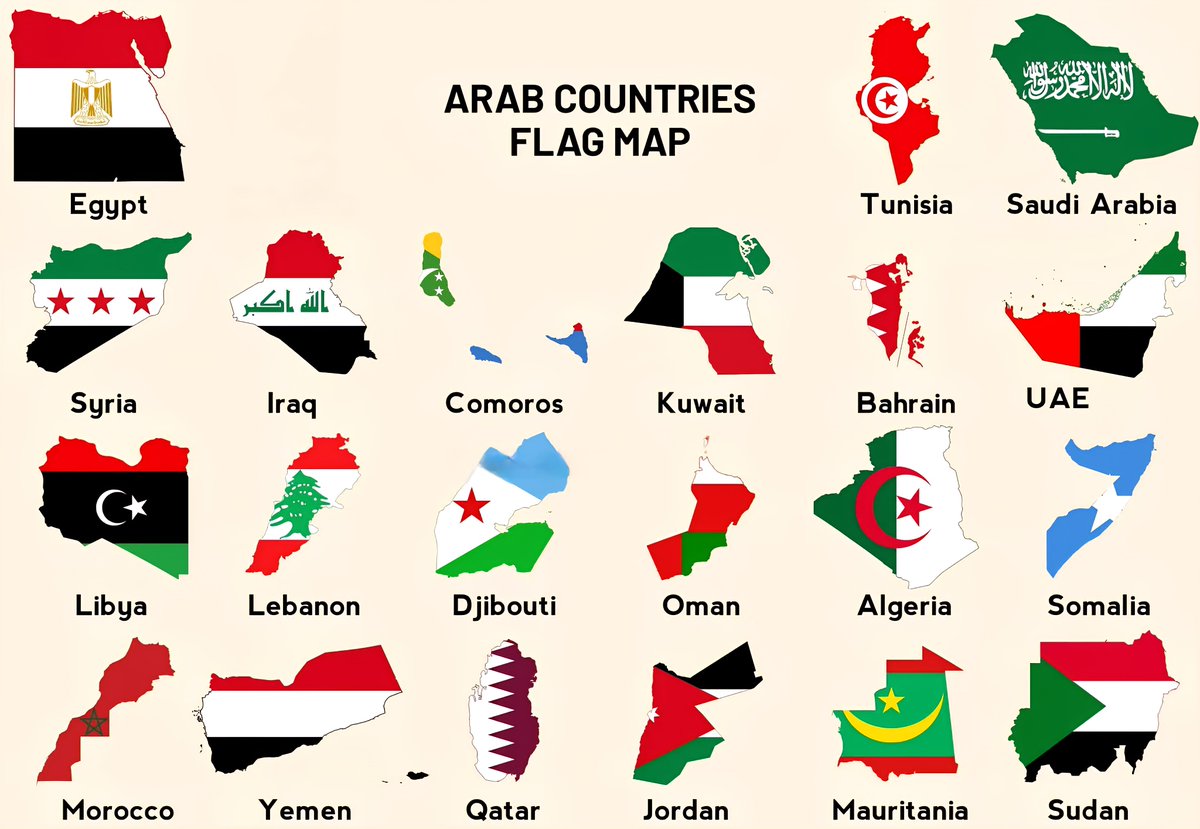
    Egypt’s flag features three horizontal stripes of red, white, and black, with the national emblem — the Eagle of Saladin — prominently displayed in the center. The colors symbolize the Arab revolution, purity of the land, and the fight for independence. Egypt remains a pivotal player in regional politics and culture, with its iconic history drawing millions of visitors annually.

    ### 2. Tunisia: The Star and Crescent of Modernity

    The Tunisian flag showcases a red background with a white circle in the center, containing a red crescent and a five-pointed star. These symbols reflect the country’s Islamic heritage. As a leading example of political transformation in North Africa, Tunisia continues to navigate democracy’s challenges and opportunities in 2025.

    ### 3. Saudi Arabia: The Green Flag with the Shahada

    Saudi Arabia’s distinctive green flag bears the Islamic declaration of faith—the Shahada—in white Arabic script, along with a sword beneath it. The flag emphasizes the kingdom’s steadfast Islamic identity and royal authority. It remains influential globally due to its oil reserves and religious significance.

    ### 4. Syria: A Banner of the People

    The Syrian flag consists of three horizontal stripes—red, white, and black—with two green stars in the white band. These colors are inspired by the Arab Liberation flag, symbolizing Arab unity and independence. Despite ongoing conflicts, Syrian sovereignty persists amid regional complexities.

    ### 5. Iraq: The Flag of a Resilient Nation

    Iraq’s flag features three horizontal stripes—red, white, and black—with the Takbīr (Allahu Akbar) in green across the white band. The flag reflects the country’s rich history and ongoing struggles for stability. Iraq continues to rebuild its infrastructure and political institutions in 2025.

    ### 6. Comoros: The Archipelago’s Unique Emblem

    The Comoros flag displays four colored triangles—yellow, white, red, and blue—converging on a green crescent and four stars. The design represents the islands’ diverse cultural heritage and Islamic faith. The nation maintains efforts to promote tourism and regional cooperation.

    ### 7. Kuwait: Pride in Sovereignty

    Kuwait’s flag is a horizontal tricolor of green, white, and red with a black trapezoid on the hoist side. These colors are Pan-Arab symbols emphasizing unity and independence. Kuwait remains a critical oil-exporting country with a thriving financial sector.

    ### 8. Bahrain: A Nation of Islands and Traditions

    The Bahraini flag has a white band on the left divided by five white triangles on a red field, symbolizing the five pillars of Islam. Bahrain balances traditional Islamic values with modern development, especially as an important financial hub in the Gulf.

    ### 9. United Arab Emirates: The Seven-Emirates Banner

    The flag of the UAE features a vertical red band next to horizontal green, white, and black stripes. These colors collectively represent Arab unity and the federation of the seven emirates, which continue to expand economically and culturally in 2025.

    ### 10. Libya: The Cyrenaica and Tripolitania

    Libya’s flag has undergone various changes; the current version showcases a single green field — the traditional color of Islam and the green revolution. The country seeks stability following years of conflict, focusing on rebuilding its economy and infrastructure.

    ### 11. Lebanon: A Cedar in the Middle East

    The Lebanese flag displays two horizontal red stripes separated by a white stripe with a green cedar tree in the center. The cedar symbolizes resilience and eternal life. Lebanon emphasizes its diverse cultural identity and seeks regional diplomacy in 2025.

    ### 12. Djibouti: The Horn’s Gateway

    The flag of Djibouti features two horizontal stripes—light blue and light green—separated by a white triangle with a red star. The colors reflect the nation’s Islamic faith and hope for development as a strategic maritime hub.

    ### 13. Oman: The Sultanate’s Identity

    Oman’s flag is composed of three horizontal stripes—white, red, and green—with a vertical red band on the hoist side bearing the national emblem. Oman actively promotes regional stability and economic diversification.

    ### 14. Algeria: The Land of Mountains and Olive Trees

    Algeria’s green and white bicolor flag features a red crescent and star in the center, symbolizing Islam. The country is prioritizing economic reforms, harnessing oil and natural resources to boost growth.

    ### 15. Somalia: A Foundation for Future

    The Somali flag is plain blue with a white five-pointed star in the center. The star signifies unity among Somali territories. Efforts toward national reconciliation and development are ongoing in 2025.

    ### 16. Morocco: The Red Kingdom

    Morocco’s flag is red with a green five-pointed star (pentagram) in the middle. The red is a traditional Berber color, while the pentagram symbolizes wisdom and health. Morocco continues to strengthen ties with Africa and Europe.

    ### 17. Yemen: Navigating Transition

    Yemen’s flag features three horizontal stripes of red, white, and black. Despite ongoing conflicts, Yemen strives for peace and reconstruction, with aid and diplomatic efforts intensifying.

    ### 18. Qatar: The Chief of the Peninsula

    Qatar’s maroon and white banded flag, featuring a serrated line, symbolizes the country’s Islamic heritage and sovereignty. Qatar’s diplomatic and infrastructural projects continue to expand its global influence.

    ### 19. Jordan: The Hashemite Kingdom

    Jordan’s flag displays three horizontal stripes—black, white, and green—overlaid by a red triangle, with a seven-pointed star. The country remains a key regional ally and mediator.

    ### 20. Mauritania: The Desert’s Sentinel

    The Mauritanian flag is green with a gold star and crescent. Green reflects Islam, and the gold symbolizes the sands of the Sahara. Efforts focus on development and combating desertification.

    ### 21. Sudan: Building a New Future

    Sudan’s flag sports horizontal red, white, and black stripes with a green triangle on the hoist. Despite political upheaval, Sudan advances with peace agreements and economic recovery strategies.

    This comprehensive overview of the Arab countries’ flags in 2025 showcases the vibrant diversity, historical symbolism, and evolving national identities across the Middle East and North Africa. Each emblem represents centuries of culture, faith, and resilience, shaping the region’s complex geopolitical landscape today.

  • Top 10 Most Beautiful Named Lakes in Canada

    Top 10 Most Beautiful Named Lakes in Canada

    Canada’s Quirkiest and Most Unforgettable Lake Names in 2025

    Canada has long been known for its stunning natural landscapes, but when it comes to naming lakes, the country truly takes the cake. From humorous to downright puzzling, Canadian lake names reflect a rich tapestry of history, culture, and a good sense of humor. Let’s dive into some of the most memorable and uniquely named lakes across the Great White North.

    1. Lake Not Much of a Lake

    Yes, you read that right. Nestled in the wilderness of British Columbia, Lake Not Much of a Lake lives up to its name by being surprisingly small, yet offers big opportunities for adventure. Its straightforward naming tradition tells a story of explorers who perhaps underestimated the grandeur of their discovery or simply had a good laugh after naming it.

    2. Yard Sale Lake

    This whimsically named lake in Alberta is famous for the unusual debris and floating odds and ends that often drift in its waters. Mystery and curiosity surround Yard Sale Lake, making it a popular spot for anglers and adventurers eager to see what surprises the lake holds each season. With a name like this, visitors might expect to find more than just fish in its depths — maybe some lost garden gnomes or forgotten shoes.

    3. Frozen Snot Lake

    Located deep within the Yukon, Frozen Snot Lake has a name that conjures up both fascination and humor. The bizarre moniker likely originated from early explorers or cold-weather campers who witnessed the aftermath of frosty weather, where the frozen remains of animal mucus seemed to resemble strings of snot hanging from the ice. Today, it’s a popular spot for those seeking a truly unique photo opportunity amidst the icy landscape.

    4. Pee Pee Lake

    Despite its juvenile name, Pee Pee Lake in Ontario attracts numerous visitors who are curious about its unusual title. The origin of the name remains a mystery, but it has become a local legend that adults and children alike find amusing. Visitors often share laughs and family stories around the lake, making it a light-hearted landmark in the community.

    5. Bung Hole Lake

    Tucked away in Quebec’s lush forests, Bung Hole Lake has a name that invites snickers. The term “bung hole” historically refers to a hole in a barrel for discharging fluids, but its use as a name for this picturesque lake has left visitors both confused and amused. Its tranquil waters and flourishing wildlife make it a must-visit despite—or because of—its humorous moniker.

    6. Poo Poo Lake

    This small, scenic spot in the Prairies boasts a name that’s hard to forget. Poo Poo Lake’s unusual title has sparked countless jokes among travelers and locals alike. Its pristine environment offers excellent fishing and birdwatching, making it a surprising gem in the region that thrives on its quirky reputation.

    7. Outhouse Lake

    Yes, a lake named Outhouse Lake might evoke images of rustic adventure and outdoor camping. Located in Northern Ontario, the name humorously hints at the rugged nature of the area and the outdoor activities it supports. Despite the amusing name, the lake offers breathtaking scenery and a peaceful escape for those willing to venture into the wild.

    8. Honeymoon Lake

    Contrary to what the name might suggest, Honeymoon Lake in Nova Scotia isn’t just a romantic getaway, but a beautiful body of water that invites lovebirds and adventurers alike. Its serene environment has made it a popular spot for couples seeking a peaceful retreat or photographers looking to capture stunning sunset views.

    9. Shark Lake

    Don’t worry—Shark Lake in Alberta isn’t home to any real sharks. The name likely arose from stories of mysterious fish or a popular local myth. Regardless, Shark Lake is a haven for boaters and swimmers who enjoy its calm waters and scenic surroundings. Its intimidating name adds an extra layer of intrigue for visitors.

    10. Golf Course Lake

    Tucked adjacent to a renowned golf course in Saskatchewan, Golf Course Lake is a picturesque locale often used for early morning paddleboarding and sunset fishing. Its name reflects its proximity to the fairways, blending sports culture with natural beauty in a uniquely Canadian way.


    Canada’s lakes might be known for their beauty, but their names tell equally fascinating stories that reflect humor, history, and a love for the quirky side of life. Whether you’re searching for adventure or just a good laugh, these uniquely named lakes remind us that sometimes, nature’s wonders come with a side of humor.

    (Image credit: Twitter user showcasing Canada’s fantastic lake names)

  • Top 15 Countries with the Most Beautiful Women

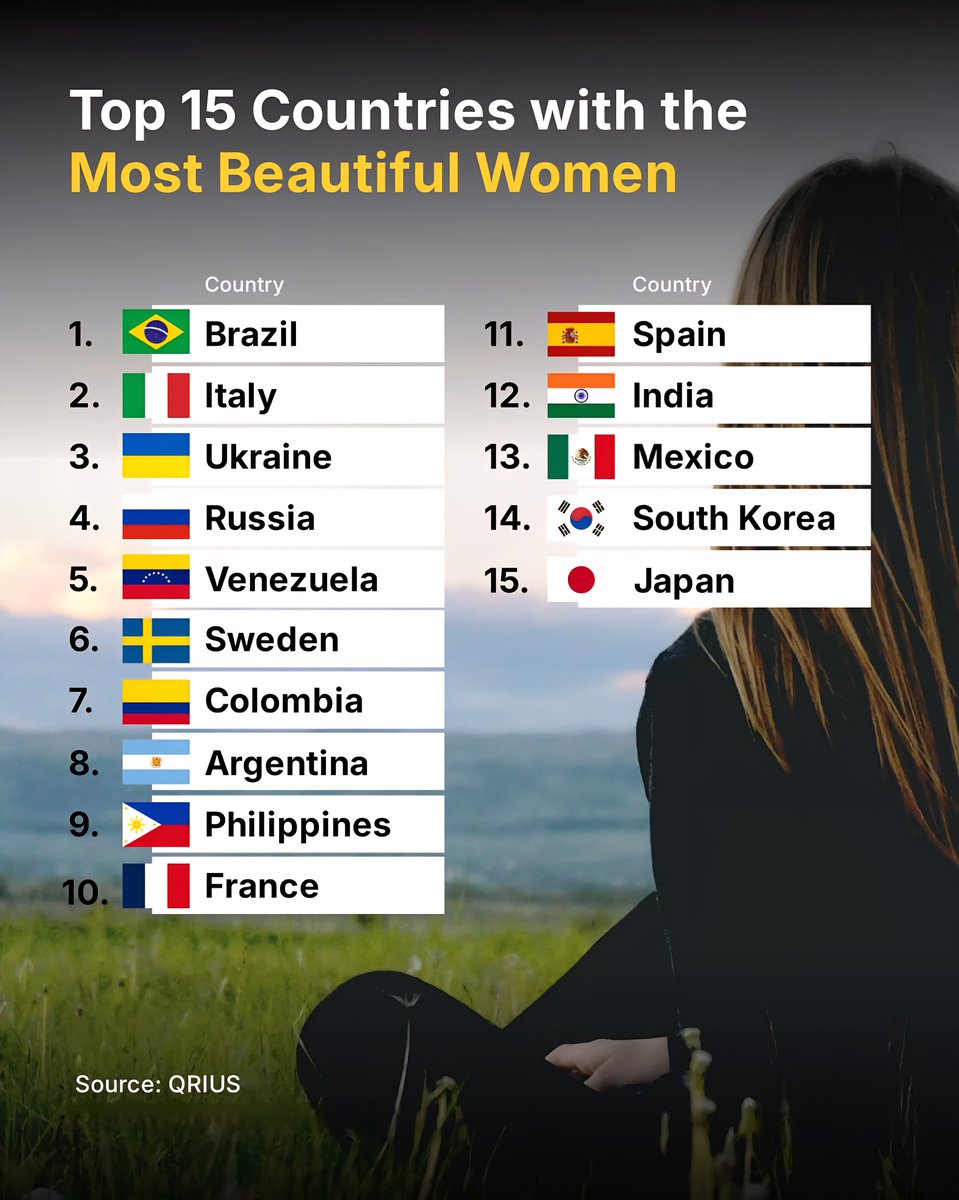
    Top 15 Countries with the Most Beautiful Women

    Women in Brazil

    Celebrating Global Beauty: The Top 15 Countries Known for Their Beautiful Women in 2025

    1. Brazil: Home to Vibrant and Diverse Beauty

    Brazil has long been renowned for its stunning women, reflecting its rich mix of ethnicities and cultures. From the beaches of Rio de Janeiro to the bustling streets of Sao Paulo, Brazilian women embody a lively, charismatic allure that captivates the world. Their radiant smiles, diverse features, and confident presence have established Brazil’s reputation as a hub of natural beauty and charm.

    2. Italy: Elegance That Transcends Time

    Italian women are celebrated for their classic elegance, striking features, and sophisticated demeanor. Whether strolling through historic streets in Rome or enjoying the cafes of Milan, they showcase a blend of timeless style and modern flair. Their confidence, combined with a deep appreciation for fashion, makes Italian women a favorite on the global beauty stage.

    3. Ukraine: A Gold Standard for European Grace

    Ukraine continues to rank high on the list thanks to its women’s striking features and graceful presence. Known for their tall stature, expressive eyes, and stunning complexions, Ukrainian women blend traditional charm with contemporary sophistication. Their beauty often reflects a deep sense of cultural pride and resilience.

    4. Russia: A Tapestry of Diverse Beauty

    Russian women are admired worldwide for their striking looks, often characterized by their high cheekbones, icy blue or green eyes, and elegant poise. Their beauty is a potent mix of European features and Siberian resilience, giving them an aura of strength and allure that stands out globally.

    5. Venezuela: Beauty with a Latin Flare

    Venezuelan women have made an indelible mark on international beauty contests and beyond. Known for their voluptuous figures, radiant skin, and warm personalities, they radiate confidence and glamour. Their vibrant culture influences their style, making them some of the most captivating women in South America.

    6. Sweden: Scandinavian Sophistication

    Swedish women are often celebrated for their fair skin, blue eyes, and minimalist style. Their natural beauty combined with a laid-back attitude creates a unique charm that resonates worldwide. They exemplify how simplicity and natural grace can be incredibly striking.

    7. Colombia: Latin America’s Beauties

    Colombian women are renowned for their stunning looks, infectious energy, and diverse features. From the Caribbean coast to the Andean valleys, their beauty reflects regional contrasts but remains universally admired. Their confident personality and vibrant spirit are hallmarks of their allure.

    8. Argentina: South American Elegance

    Famous for their fashionable and charismatic presence, Argentine women blend European influence with Latin passion. Their elegance shines through in every aspect of life, whether in the arts, fashion, or daily interactions, making them one of the continent’s most admired.

    9. Philippines: Exotic Allure

    Philippine women are celebrated for their unique beauty, which combines Southeast Asian features with a touched of Western influence. Their warm, welcoming personalities and radiant smiles have earned them recognition globally, shining brightly both on the runway and in daily life.

    10. France: The Epitome of Chic

    French women’s timeless elegance and effortless style continue to set global beauty standards. Their confident attitude, combined with refined features and a flair for fashion, make them icons of grace and sophistication.

    11. Spain: Passionate and Stylish

    Spain’s women often exhibit fiery personalities paired with striking features and a love for fashion and dance. Their energetic, expressive nature, coupled with natural allure, makes Spanish women some of the most captivating in Europe.

    12. India: Beauty Beyond Borders

    Indian women’s diverse features — from captivating eyes to vibrant skin tones — showcase a rich heritage. Their elegant traditional attire and modern fashion sense exemplify a seamless blend of tradition and contemporary style, all while radiating internal strength and grace.

    13. Mexico: Colorful Charm and Beauty

    Mexican women stand out for their bold personalities, beautiful facial features, and expressive eyes. Their vibrant culture, lively dance, and rich traditions spill over into their appearance, making them some of the most distinctive and admired women worldwide.

    14. South Korea: Leading K-Beauty Innovators

    South Korean women have revolutionized global beauty standards with their flawless skin, innovative skincare routines, and chic fashion sense. Their meticulous attention to beauty enhances their natural features, earning international admiration and influencing global trends.

    15. Japan: Subtle Elegance and Grace

    Japanese women are celebrated for their delicate features, porcelain skin, and understated elegance. Their disciplined approach to beauty and style encapsulates a refined, graceful aura admired across the globe.


    As global perspectives on beauty evolve, these nations continue to influence and inspire with their unique standards, styles, and natural allure. Recognized not just for their appearances but also for confidence, charisma, and cultural richness, women from these countries remind us there’s no single definition of beauty — only a vast, beautiful tapestry of diversity.

  • Top Nation Names That Are Very Different from Their English Names

    Top Nation Names That Are Very Different from Their English Names

    Unique Nation Names Around the World That Differ Significantly From Their English Counterparts

    Nation Names That Are Extremely Different Compared to English

    1. Finland – Suomi

    While most English speakers call the country Finland, the locals refer to it as Suomi. This name derives from the native language, which roots itself deeply in Finland’s history and identity. It’s a simple yet proud term that reflects the nation’s Scandinavian heritage and linguistic roots.

    2. Estonia – Eesti

    Estonia’s official name in their native language is Eesti, a name that often surprises outsiders. Even in international contexts, the country remains most commonly known as Estonia, but the native name showcases Estonia’s distinct linguistic culture amidst its Baltic neighbors.

    3. Germany – Deutschland

    Germany’s official name in German is Deutschland. The word traces back history and linguistic roots that differ greatly from the English term. It’s derived from the Old High German word diutisc, meaning “the people,” emphasizing the nation’s identity from its early Germanic origins.

    4. Austria – Österreich

    Austria is known as Österreich in its native language, meaning “the Eastern Realm.” The name reflects Austria’s historical positioning within the Holy Roman Empire and its location relative to other Germanic territories. The pronunciation and spelling are quite different from the familiar English form.

    5. Hungary – Magyarország

    Hungary’s official name in Hungarian is Magyarország. The term “Magyar” refers to the Hungarian people, and the suffix “-ország” translates to “land,” making the full name mean “Land of the Magyars.” This name emphasizes the nation’s deep roots in its unique language and culture.

    6. Croatia – Hrvatska

    Known internationally as Croatia, in its native tongue, the country is called Hrvatska. The pronunciation and spelling are quite different, with the native name resonating strongly within the Croatian nation and its linguistic heritage.

    7. Montenegro – Crna Gora

    Montenegro is called Crna Gora in its native language, which translates to “Black Mountain.” The name reflects the country’s prominent mountainous terrain and natural landscape, making it an evocative and descriptive name that differs substantially from its English moniker.

    8. Albania – Shqipëria

    Albania’s official native name, Shqipëria, signifies “Land of the Eagles,” a name that holds cultural significance rooted in Albanian history and mythology. This name emphasizes national pride and the country’s legendary connection to the eagle symbolism.

    9. Georgia – Sakartvelo

    While most know Georgia by its English name, its official name in the local language, Sakartvelo, has a different pronunciation and spelling. The term is believed to mean “the land of the Kartvelian people,” referring to the country’s native ethnolinguistic group, and offers a more culturally rooted identification.

    10. Armenia – Hayastan

    Armenia is called Hayastan by its citizens, meaning “Land of the Hayk,” referring to the legendary Armenian patriarch Hayk. The native name emphasizes the country’s ancient history and legendary roots, providing a different linguistic perspective compared to the more familiar English name.

    11. Greece – Ellada

    Greece’s official name in Greek is Ellada. The name, which sounds quite different from “Greece,” is derived from the ancient Greek term Hellas. It encapsulates Greece’s rich ancient history and cultural identity, distancing it from the English version.


    In conclusion, these countries showcase how national identities are deeply embedded in language and history. The names we use in English often have roots outside of the country’s native language, reflecting colonial influences, historical contacts, or translations that have evolved over time. Recognizing and understanding these native names offers a richer appreciation of each country’s cultural depth and history.

  • Countries That Use Peso as a Currency

    Countries That Use Peso as a Currency

    Countries That Use “Peso” as a Currency in 2025

    Image showing a banknote featuring the word "Peso"

    Mexico — The Bastion of the Peso in North America

    Mexico remains the most prominent country to use the peso, continuing to influence financial markets and daily life across the nation. With a robust economy and steady tourism influx, the Mexican peso (MXN) is recognized globally for its stability and extensive use in commerce, trade, and banking. Over the years, Mexico has modernized its currency system, integrating new security features and digital payment options to accommodate the preferences of a digitally savvy population.

    Cuba — The Caribbean Island’s Unique Currency Situation

    Cuba’s peso (CUP) holds a significant cultural and historical value on the island. Despite ongoing economic reforms and the presence of the convertible peso (CUC), the CUP remains an essential currency for everyday transactions among locals. The government has been gradually reforming its monetary system, aiming to unify its currency structure. In 2025, the peso continues to be a symbol of Cuba’s national identity, even as international sanctions and tourism industry shifts influence its usage.

    Dominican Republic — A Stable Caribbean Economy

    The Dominican peso (DOP) powers the vibrant economy of the Dominican Republic. Known for its tourism, agriculture, and emerging tech sectors, the country relies heavily on the peso for local trade and financial transactions. The Central Bank has implemented policies to stabilize the peso’s value amidst global economic fluctuations, thus supporting continued growth driven by tourist spending and foreign investment.

    Colombia — South America’s Growing Powerhouse

    The Colombian peso (COP) remains an essential component of Colombia’s growing economy. With significant developments in infrastructure, oil, and coffee exports, the peso’s exchange rate has become a key indicator of the country’s economic health. Authorities have adopted measures to curb inflation and encourage foreign investment, ensuring the peso remains a reliable currency for both businesses and consumers nationally.

    Chile — The Longstanding Latin American Currency

    The Chilean peso (CLP) continues to hold its prominence in South America. As one of the region’s more stable currencies, it supports Chile’s rich mining industries, especially copper exports, and vibrant financial markets. In 2025, the peso’s resilience is attributed to successful monetary policies and a diversified economy, which keeps it competitive on the international stage.

    Uruguay — A Small but Notable Player

    Though smaller in scale, the Uruguayan peso (UYU) plays a vital role in everyday transactions within Uruguay. The nation’s prudent economic policies have kept inflation low and currency stability high. Its strong financial sector and open economy make the peso a trusted currency for local customers and international investors.

    Argentina — Facing Challenges, Maintaining Value

    The Argentine peso (ARS) has experienced turbulent times over recent years, characterized by high inflation and occasional devaluations. However, in 2025, efforts to stabilize the currency through government reforms and international support have started paying off. The peso remains critical for domestic trade, though discussions about dollarization continue among policymakers seeking long-term stability.

    Philippines — The Asian Peso Powerhouse

    The Philippine peso (PHP) serves as a cornerstone of Southeast Asia’s emerging markets. With rapid economic expansion driven by technology, outsourcing, and remittances from overseas Filipino workers, the peso’s strength has strengthened in recent years. The government continues to enact policies supporting digital payments and financial inclusion, which bolsters confidence in the currency’s future.


    The Global Significance of the Peso

    The usage of the peso across diverse regions highlights its historical roots and ongoing importance in various economies. Each country adapts its peso in accordance with local economic conditions, political climate, and technological advances, ensuring it remains a critical instrument for trade, investment, and daily life. As we progress through 2025, the peso continues to symbolize resilience and adaptability in the evolving global economic landscape.

  • How Americans View Europe Top Insights

    How Americans View Europe Top Insights

    How Americans View Europe: A 2025 Perspective

    How Americans see Europe


    1. Superficial Stereotypes Still Hold Strong

    Despite decades of cultural exchange, many Americans continue to associate Europe largely with romanticized notions. From imagining cobblestone streets in Paris to envisioning historic castles in Germany, the stereotypes persist. The charm of quaint villages and historical landmarks remains appealing, but many miss the reality that Europe today is highly modern, diverse, and dynamic. According to recent surveys, over 65% of Americans associate Europe mainly with its picturesque landscapes and iconic tourist spots rather than its contemporary urban culture.


    2. European Cities Are Seen as Fashion and Cultural Capitals

    Americans view European cities as the epitome of style and sophistication. Paris, Milan, and London are considered hubs of fashion and trendsetting innovation, often eclipsing American fashion centers. As a result, many Americans aspire to visit these cities for their shopping districts and cultural festivals. However, this perception sometimes oversimplifies Europe’s multifaceted identity, which includes thriving tech sectors in Berlin, innovative startups in Stockholm, and a burgeoning music scene in Lisbon.


    3. Conception of Pace of Life Varies Greatly

    While some Americans idealize Europe’s laid-back lifestyle—believing that Europeans prioritize leisure and work-life balance—others think the pace of life can be surprisingly hectic, especially in major capitals. The Mediterranean countries, such as Greece and Italy, are often viewed as relaxed and leisurely, whereas places like London and Paris are seen as fast-paced urban centers. This broad spectrum reflects a misunderstanding that Europe operates under one singular lifestyle, when in fact, regional differences are vast.


    4. Europe’s Political and Economic Landscape Is Misunderstood

    Many Americans struggle to grasp Europe’s diverse political and economic realities. There is a tendency to lump all European countries together or assume the continent functions as a single entity, similar to the U.S. federal system. The reality is much more complex: countries like Sweden prioritize social welfare, while others like Poland are experiencing rapid economic growth. The European Union is often viewed as an overarching political body, but many Americans are unaware of the varying degrees of integration and sovereignty among member states.


    5. The Cultural Diversity is Overlooked

    One common misconception is that Europe is culturally homogeneous—an idea rooted in outdated notions of a singular “Old World.” In reality, the continent is a mosaic of languages, religions, and customs. From the diverse cuisines of southern Spain to the linguistic variety across Eastern Europe, Americans often overlook the immense cultural complexity. This misunderstanding can lead to stereotypes, such as assuming all Europeans speak English or share similar customs.


    6. Europeans’ Attitude Towards America Remains Ambivalent

    The perception of Americans in Europe is still mixed. While many European citizens admire American innovation, pop culture, and technological advancements, some also harbor skepticism about American politics, corporate influence, and cultural arrogance. The image of Americans as overly loud, individualistic, or materialistic is prevalent in certain corners, but a growing number of Europeans recognize the shared values and collaborations between the continents.


    7. Travel Preferences Reflect Outdated Views

    Americans’ travel destinations and preferences have evolved but still lag behind some realities. Places like Paris, Rome, and London continue to be top draws, but there’s increasing interest in Eastern European cities like Prague and Budapest, as well as Scandinavian capitals such as Oslo and Helsinki. Despite this, many Americans still perceive traveling in Europe as expensive and seen mainly as a luxury activity. Budget-friendly travel options, like backpacking through Eastern Europe or exploring less-touristed regions, are gaining popularity but are still underrepresented in mainstream perceptions.


    8. American Media Shapes Persistent Myths

    Films, TV shows, and social media play a significant role in shaping Americans’ perceptions of Europe. Historic movies often romanticize European history, ignoring current social and political realities. Similarly, media consumption tends to focus on Europe’s romantic or exotic aspects rather than its everyday modern life. These portrayals reinforce certain stereotypes that persist loosely in American consciousness, despite the rich, multifaceted reality of contemporary Europe.


    9. American-AEuropean Relations Are Viewed with Optimism and Skepticism

    While many Americans see Europe as a close ally, skepticism about political differences and economic stability remains. The current landscape includes admiration for Europe’s social policies but also concerns over geopolitical tensions, migration issues, and climate change. The perception of Europe as a partner in global issues is generally positive, but misunderstandings persist about specific policies or political stances among individual countries.


    10. The Future of America’s Perception of Europe Is Dynamic

    As the world becomes increasingly interconnected globally, perceptions of Europe evolve. Young Americans, in particular, tend to have a more nuanced understanding, thanks to digital media and extensive travel networks. Moreover, Europe’s active involvement in addressing global challenges—climate change, technology, and human rights—may lead to more admiration and realistic understanding. As 2025 progresses, cultural exchanges, digital diplomacy, and shared challenges will continue to shape the American view of Europe, making it less stereotypical and more authentic.


    The way Americans see Europe has transformed over decades but still retains echoes of stereotypes and misconceptions. As both continents grow closer and more interconnected, perceptions are poised to shift towards a richer, more accurate understanding of one another.