Category: Infotainment

  • Top 20 Countries with the Richest History in the World

    Top 20 Countries with the Richest History in the World

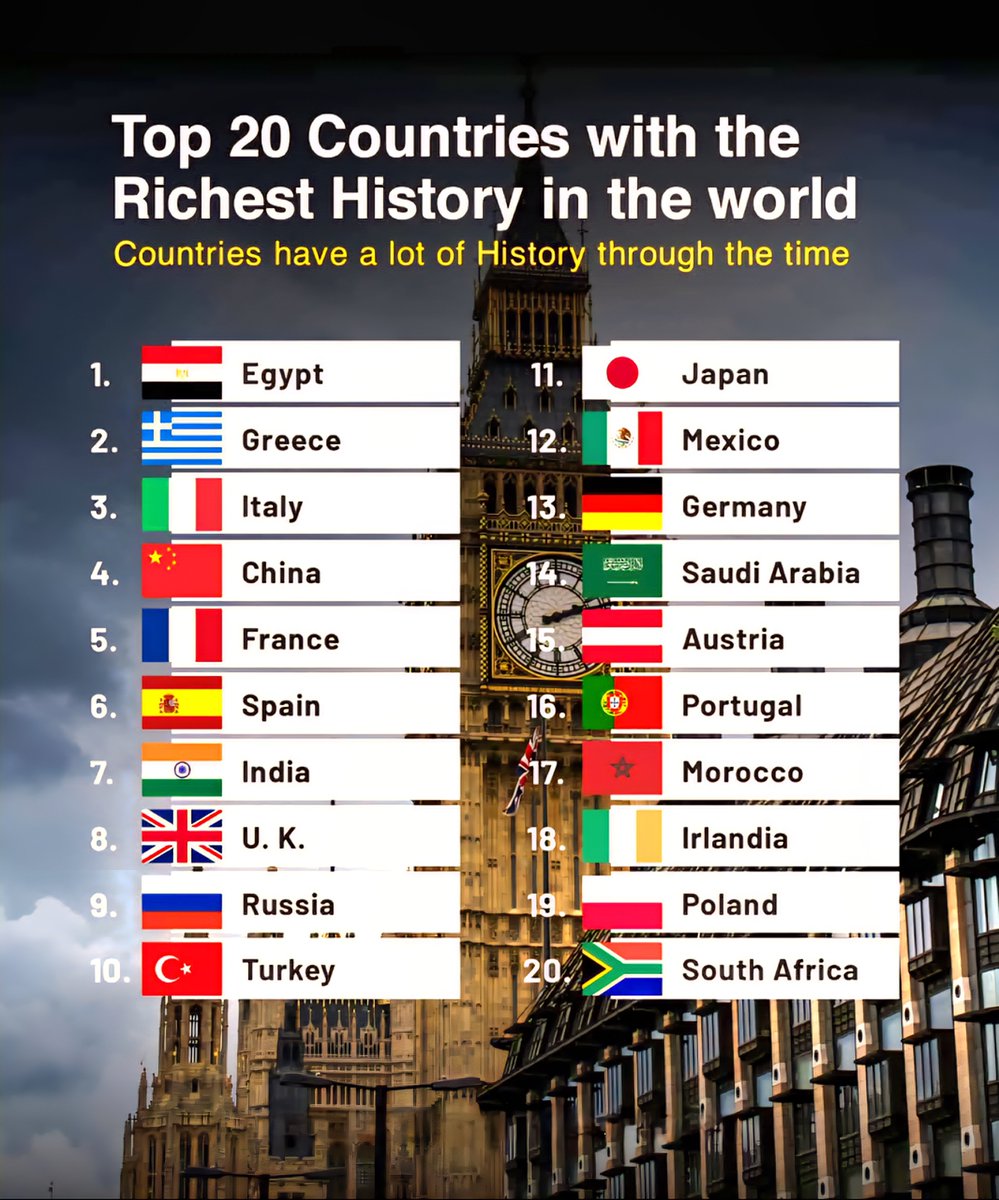
    The Top 20 Countries with the Richest Histories in 2025

    1. Egypt: The Cradle of Civilizations
    Egypt continues to shine as a country with a rich, ancient history that dates back thousands of years. Its iconic pyramids, sphinx, and temples tell stories of powerful pharaohs and advanced civilizations. Modern Egypt remains a hub of archaeological discoveries, preserving the legacy of the early Nile Valley societies that laid the foundation for human civilization.

    2. Greece: Birthplace of Democracy and Philosophy
    Greece’s contributions to philosophy, art, and governance have cemented its place in world history. Today, the country’s archaeological sites, including Athens, Sparta, and Delphi, attract millions of visitors. Greece remains a cultural beacon, deeply proud of its classical heritage and continuous influence on Western civilization.

    3. Italy: The Heart of the Roman Empire and Renaissance
    Italy’s historical significance is unparalleled, from the ruins of Rome to the art masterpieces of Florence. Its rich tapestry of history spans the Roman Empire, the Renaissance, and modern political achievements. Italy’s museums, churches, and archaeological sites serve as living museums, attracting travelers and scholars alike.

    4. China: Ancient Dynasties and Modern Power
    China’s history is marked by long-lasting dynasties, significant inventions, and influential philosophies like Confucianism. Today, China combines ancient traditions with cutting-edge technology, making its historical sites such as the Great Wall and the Terracotta Army symbols of a nation that respects its past while forging a future.

    5. France: Medieval Roots and Enlightenment
    France’s history as a hub of culture, politics, and art persists today. Paris, the City of Light, stands as a testament to its historical grandeur. France’s castles, museums, and historical landmarks, such as Notre Dame and Versailles, reflect its rich medieval and revolutionary past.

    6. Spain: A Tapestry of Cultures
    Spain’s history is a mosaic of influences — from Moorish architecture to Christian kingdoms. Cities like Granada and Seville boast historic sites that showcase Spain’s diverse cultural evolution, shaping everything from art to cuisine.

    7. India: The Cradle of Civilization and Spiritual Heritage
    India boasts an unbroken history of civilization, from the Indus Valley to the Mughal Empire and beyond. Its spiritual traditions, ancient scriptures, and historical monuments like the Taj Mahal highlight its significant cultural influence across millennia.

    8. United Kingdom: A Historic Empire and Cultural Hub
    The UK’s history spans from early Celtic tribes through the British Empire’s vast reach. London’s historic landmarks, along with castles, royal palaces, and museums, highlight a storied past that has shaped global history and culture.

    9. Russia: Imperial and Soviet Legacies
    Russia’s deep history includes tsars, revolutionary movements, and a rich literary and artistic tradition. Its historic sites in Moscow and St. Petersburg preserve the grandeur of imperial Russia while acknowledging its Soviet era.

    10. Turkey: Crossroads of Continents and Civilizations
    Straddling Europe and Asia, Turkey’s history is a blend of Byzantine, Roman, and Ottoman influences. Sites like Hagia Sophia and Topkapi Palace reflect its centuries-old cultural overlap and historic importance as a trading and political hub.

    11. Japan: From Ancient Shogunates to Modern Power
    Japan’s historical landscape includes samurai culture, imperial dynasties, and innovative technological growth. Temples, castles, and traditional arts inform a proud heritage that continues to influence the modern world.

    12. Mexico: Mesoamerican Roots and Colonial Past
    Mexico’s history includes the thriving civilizations of the Maya and Aztecs and the Spanish colonial influence. Its archaeological sites, like Chichen Itza, remain vital symbols of ancient ingenuity and cultural depth.

    13. Germany: Heart of Europe’s History
    Germany’s complex history includes the Holy Roman Empire, the Reformation, and two World Wars. Today, cities like Berlin symbolize resilience, with historical sites that tell stories of transformation and cultural evolution.

    14. Saudi Arabia: Land of Ancient Trade and Islam
    Saudi Arabia’s historical significance lies in its role as the birthplace of Islam and the ancient trade routes that traversed the Arabian Peninsula. Its cultural sites and ongoing development reflect a nation embracing its deep roots.

    15. Austria: The Hub of Classical and Imperial Heritage
    Austria’s history is intertwined with the Habsburg Dynasty and classical music legends like Mozart. Its historic cities and castles continue to attract tourists and scholars, celebrating its imperial past.

    16. Portugal: Navigators and Discoveries
    Portugal’s history as a pioneering maritime nation led to explorations that expanded the known world. Its historic districts, castles, and maritime museums celebrate the Age of Discoveries and its cultural richness.

    17. Morocco: A Melting Pot of Cultures
    Morocco’s history includes Berber kingdoms, Arab influence, and European interactions. Its historic medinas, mosques, and palaces reflect a rich tapestry of cultural exchanges over centuries.

    18. Ireland: Literary and Celtic Legacy
    Ireland’s historical record includes Celtic traditions, Norman invasions, and Irish independence. Its historic castles, literary heritage, and vibrant culture maintain a proud connection to its storied past.

    19. Poland: Resilience Through History
    Poland’s history encompasses medieval kingdoms, partitions, and resilience through invasions. Its historic cities like Krakow preserve centuries of cultural and political history amid modern growth.

    20. South Africa: Cradle of Humanity and Diverse Heritage
    South Africa’s history includes early human origins, colonial occupations, and struggles for freedom. Its cultural diversity and historic sites such as Robben Island symbolize a complex, evolving narrative.

    This list underscores the incredible breadth and depth of human history across the globe. Each of these nations offers lessons from the past that continue to shape our present and future.
  • Top Western and Non-Western Countries for Travel and Adventure

    Top Western and Non-Western Countries for Travel and Adventure

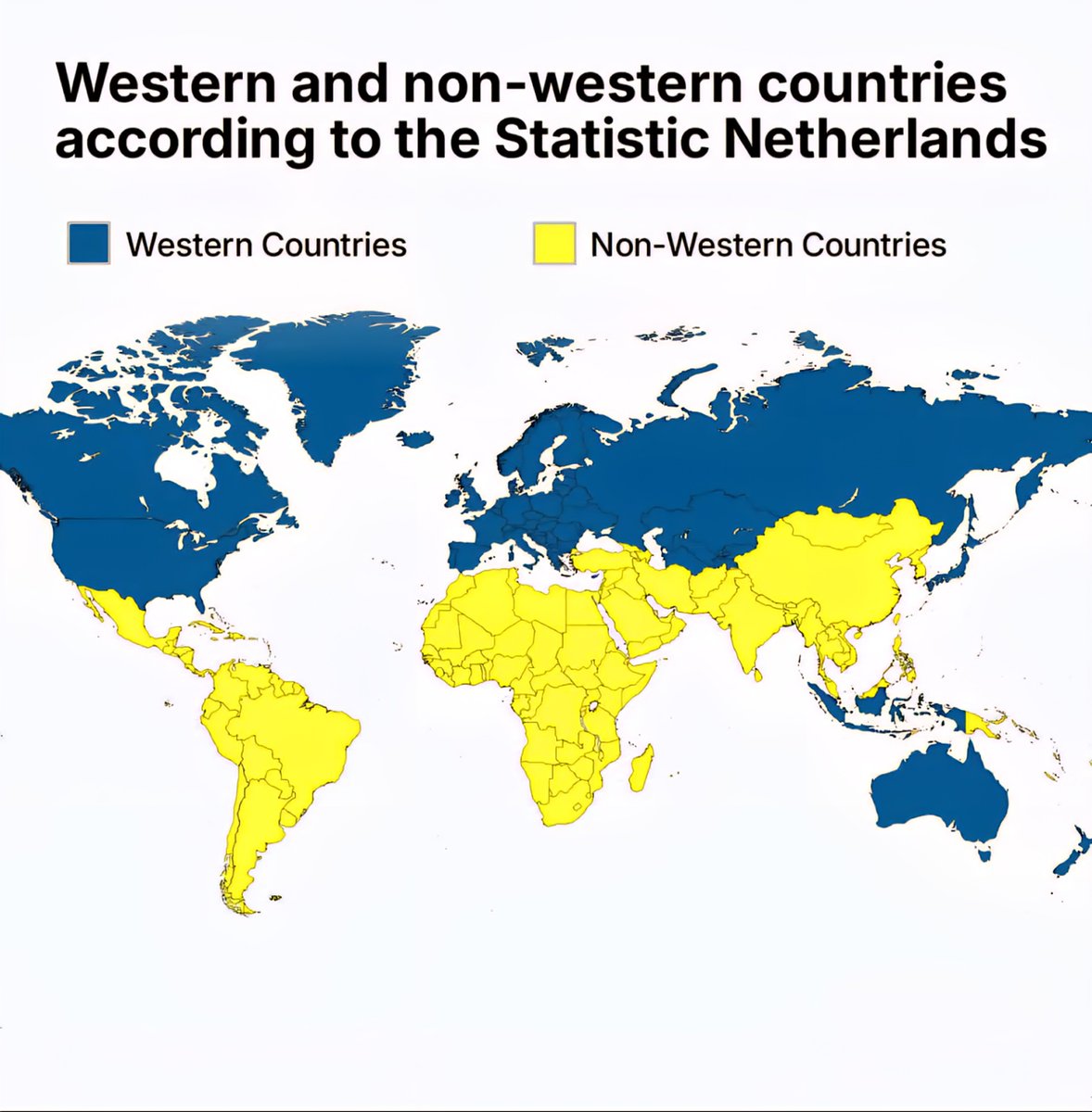
    Western Countries: Evolution and Power Dynamics in 2025

    1. United States: A Digital and Political Powerhouse
    The United States continues to play a pivotal role in shaping global policies and technological advancements. With a diverse economy driven by innovation, Silicon Valley remains at the forefront of global tech development, especially in AI and renewable energy sectors. Politically, the nation is witnessing increased debates over cybersecurity, privacy rights, and infrastructure investments, reflecting its commitment to maintaining technological supremacy. Military strength remains unmatched, with strategic alliances such as NATO reinforcing its global influence.

    2. European Union: United in Diversity and Sustainability
    The European Union has cemented its status as a leader in climate policy and sustainable development. Member countries have synchronized efforts toward reducing carbon emissions, embracing green energy, and promoting circular economies. The EU’s digital transformation initiatives aim to create a unified digital market, fostering innovation while safeguarding data privacy. Politically, ongoing discussions revolve around balancing national sovereignty with collective decision-making, especially amidst geopolitical tensions with neighboring Russia and China.

    3. Canada and Australia: Stable Societies with a Global Voice
    Canada’s progressive values and focus on social justice continue to be a model for other nations. Its renewable energy initiatives and commitment to multiculturalism have earned it a strategic position on the global stage. Similarly, Australia’s technological development in mining and green energy sectors enhances its economic resilience. Both countries leverage their geographic advantages—Canada’s proximity to the Arctic and Australia’s position in the Pacific—to influence regional security and trade.

    Non-Western Countries: Rising Influences and New Powers

    1. China: From Manufacturing to Innovation
    China has transitioned from being the factory of the world to a global leader in innovation and high-tech industries. With extensive investments in AI, 5G, and space exploration, Beijing’s strategic moves have reshaped international relations. Its Belt and Road Initiative has expanded infrastructure projects across Africa, Asia, and Europe, bolstering economic alliances. Domestically, China’s focus on technological self-reliance and sustainable urban development continues to drive its growth, positioning it as a rival superpower to Western nations.

    2. India: A Tech Giant with Growing Global Influence
    India’s rapid economic growth has made it a key player in the global digital economy. With a burgeoning startup ecosystem and advancements in renewable energy, the country is increasingly seen as a strategic partner for global innovation. Its expanding military capabilities and diplomatic outreach in Africa, Southeast Asia, and the Middle East are shaping a multipolar world order. Additionally, India’s emphasis on education and technological infrastructure is fueling a new wave of entrepreneurs and scientists.

    3. Brazil and South Africa: Pillars of Regional Power
    Brazil remains a leader in Latin America, championing environmental conservation, agriculture, and renewable energy. Its Amazon rainforest protection initiatives gain international attention amid climate change concerns. South Africa, serving as a gateway to the African continent, continues to leverage its mineral resources and burgeoning tech sector to promote regional stability and economic growth. Both nations are increasingly influential in organizations like BRICS, emphasizing cooperation among emerging economies.

    4. Russia: Navigating Geopolitical Challenges
    Russia maintains its status as a major military and energy power, with a focus on asserting influence in Eastern Europe, Central Asia, and the Arctic. Its strategic partnerships and resource reserves give it leverage in global geopolitics. However, internal economic pressures and Western sanctions challenge its growth, compelling Moscow to diversify its diplomatic and economic strategies.


    Summary: Shifting Power Landscapes in 2025

    The geopolitical landscape is marked by a nuanced interplay of traditional Western powers and emerging non-Western nations. While Western countries emphasize innovation, sustainability, and diplomatic alliances, non-Western countries leverage rapid technological development, strategic economic initiatives, and regional influence to carve their space on the world stage. As these power dynamics evolve, global cooperation and competition will continue to define international relations over the coming decades.

  • Top Countries in Two Continents for Travel and Culture

    Top Countries in Two Continents for Travel and Culture

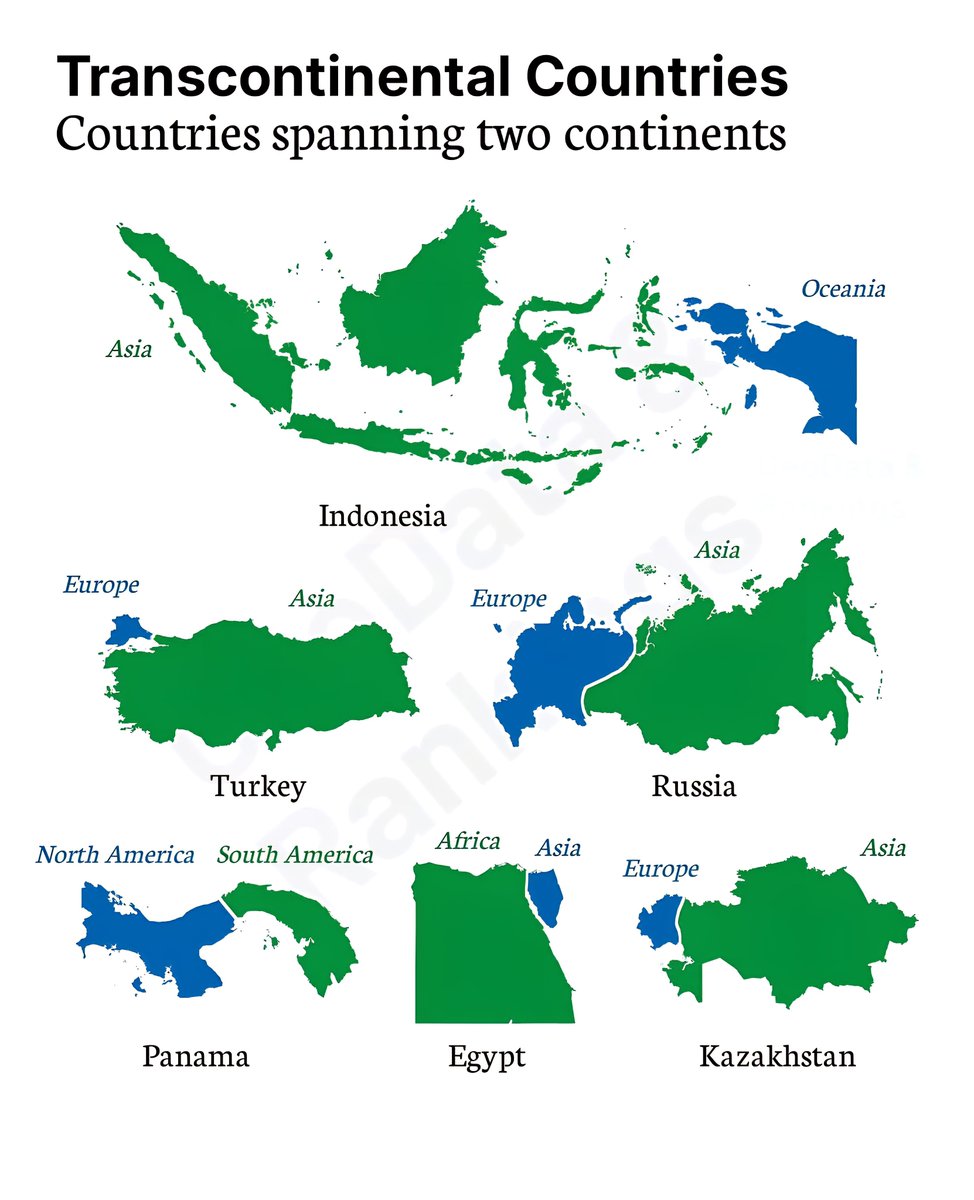
    Exploring Countries Spanning Two Continents in 2025

    Turkey: Bridging Europe and Asia

    Turkey remains the most prominent example of a country that straddles two continents, with a unique blend of cultural influences from both Europe and Asia. The nation’s geography spans the Bosporus Strait, which serves as the natural dividing line. Istanbul, Turkey’s vibrant metropolis, exemplifies this cross-continental blending, offering a mix of European architecture and Asian traditions. The city’s strategic location has historically made Turkey a cultural and economic hub, connecting the East and West. Visitors can enjoy historic sites like Hagia Sophia and Topkapi Palace alongside modern shopping districts and bustling markets.

    Russia: Europe’s Largest Country Extending into Asia

    Russia, the world’s largest nation by land area, stretches across both Europe and Asia, with the Ural Mountains traditionally marking the boundary between the two continents. The European part of Russia, including cities like Moscow and St. Petersburg, is densely populated and rich in historical significance, while its vast Asian territories are characterized by expansive forests, mountains, and sparsely populated regions. In 2025, Russia continues to leverage its dual-continent status for strategic economic and geopolitical interests, fostering international cooperation while preserving its diverse cultural heritage.

    Kazakhstan: The Heart of Eurasia

    Kazakhstan is a highly significant country in 2025 as it primarily lies within Central Asia but also extends into parts of Eastern Europe. The country’s capital, Nur-Sultan, showcases modern architecture amid traditional nomadic influences. Kazakhstan’s position as a Eurasian nation makes it a crucial player in fostering regional connectivity and economic development. The country has invested heavily in infrastructure projects to enhance trade routes, including the Belt and Road Initiative, making it an essential hub between China, Russia, and Europe.

    Georgia: A Crossroads of Cultures

    Nestled at the intersection of Eastern Europe and Western Asia, Georgia continues to be a melting pot of diverse cultures. Its strategic location along the Caucasus Mountains has historically made it a vital link for trade and cultural exchange. In recent years, Georgia has made significant strides in economic growth and tourism, capitalizing on its blend of European charm and Asian influences. Visitors often explore ancient churches, vibrant markets, and scenic mountain landscapes, experiencing firsthand the unique cultural tapestry.

    Azerbaijan: The Caspian Gateway

    Situated on the Caspian Sea, Azerbaijan straddles the boundary between Eastern Europe and Western Asia. Baku, its capital, combines medieval architecture with ultra-modern skyscrapers, symbolizing the country’s rapid development. In 2025, Azerbaijan plays a pivotal role in global energy markets, thanks to its substantial oil and natural gas reserves. Its location also enhances its diplomatic importance, acting as a bridge for Eurasian trade and cooperation between Europe and Asia.

    Egypt’s Sinai Peninsula: Africa Meets Asia

    Although primarily a part of Africa, Egypt’s Sinai Peninsula holds the strategic position where Africa and Asia connect. The region is famous for its deserts, mountains, and historical sites like Mount Sinai. In recent years, Egypt has focused on strengthening its regional ties, tourism, and infrastructure projects that link it to southwestern Asia. Its role as a gateway between continents underscores its importance in global geopolitics.

    Russia’s Far East: A Gateway to the Pacific

    The Russian Far East, including territories like Vladivostok, is a vital link between Russia and the Pacific Rim nations. This expansive region boasts rich natural resources and strategic military importance. In 2025, Russia has been investing in modernization efforts and strengthening maritime ties with Asian economies, positioning itself as a key player in the Indo-Pacific region.

    Visualizing Eurasia in 2025

    Countries in Two Continents 🌏

    This image illustrates the fascinating geography of nations that span across two continents, emphasizing their strategic locations and cultural significance. These countries serve as bridges connecting diverse civilizations and fostering international cooperation.


    As the world continues to develop and adapt, countries that straddle two continents remain central to global politics, trade, and cultural exchange. Their unique positions offer both challenges and opportunities, shaping the future of Eurasian geopolitics in 2025.

  • Top 40 Most Beautiful Countries in the World

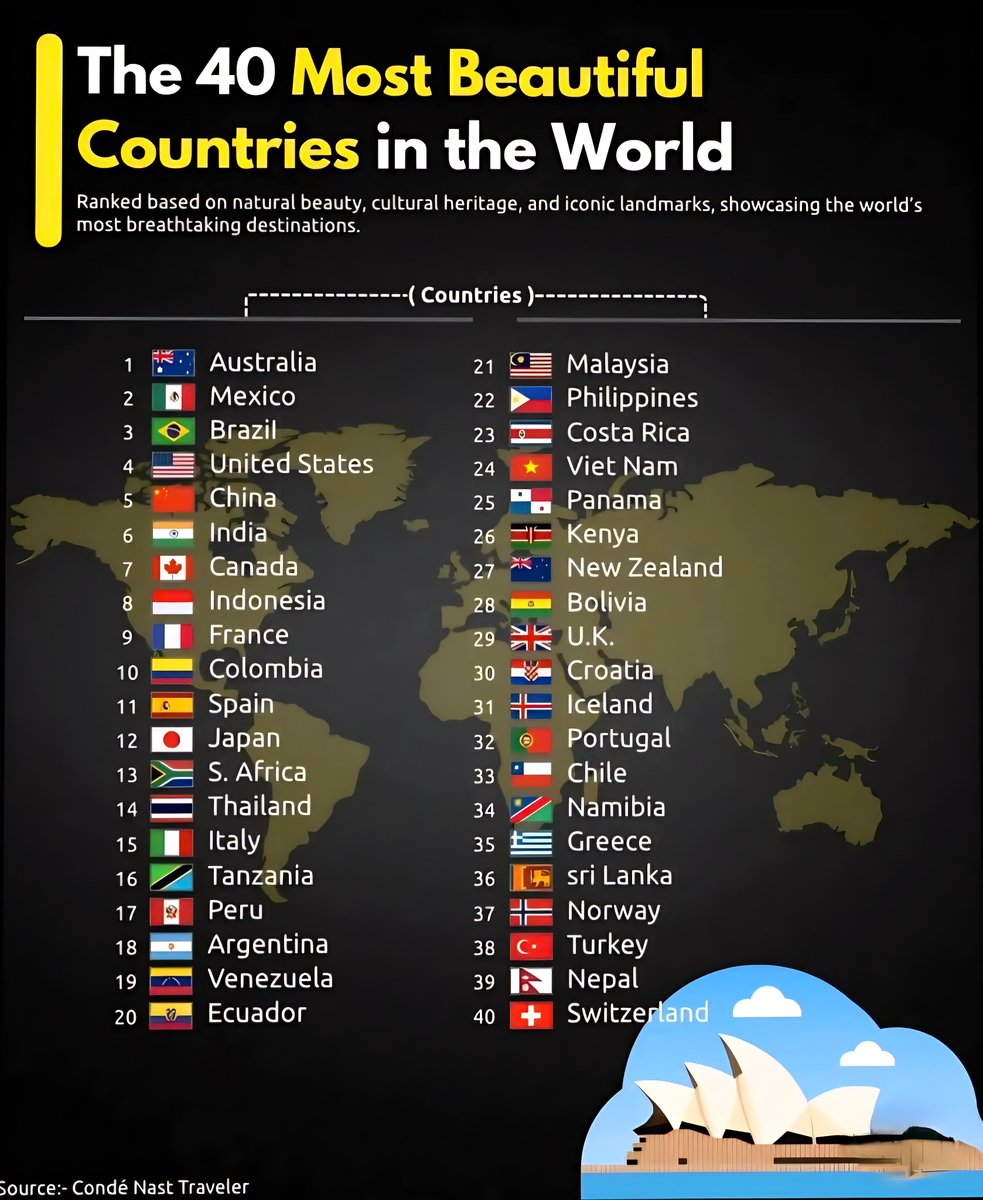
    Top 40 Most Beautiful Countries in the World

    Top 40 Most Stunning Countries Around the Globe in 2025

    Australia – A Land of Natural Wonders
    Renowned for its breathtaking beaches, iconic landmarks like the Sydney Opera House, and unique wildlife such as kangaroos and koalas, Australia remains at the top of the list for beauty. The Great Barrier Reef further cements its reputation as a mesmerizing aquatic paradise.

    Mexico – Vibrant Culture and Scenic Landscapes
    Mexico captivates visitors with its rich history, colorful festivities, and stunning coastlines. From the ancient Mayan cities to pristine beaches along the Caribbean and Pacific, it’s a vibrant tapestry of culture and natural beauty.

    Brazil – Diversity and Natural Splendor
    Home to the Amazon rainforest and lively Rio de Janeiro, Brazil dazzles with its lush rainforests, iconic Christ the Redeemer statue, and lively samba culture. Its diverse ecosystems make it one of the most beautiful countries globally.

    United States – Varied Landscapes, Infinite Beauty
    With features ranging from the Grand Canyon to Yellowstone, California’s beaches to the Florida Keys, the US offers a diverse array of scenic wonders that appeal to every traveler.

    China – Ancient Heritage Meets Modern Splendor
    Remarkable for the Great Wall, Zhangjiajie mountains (the inspiration for Pandora’s floating mountains), and stunning rural rice terraces, China blends history and modernity in spectacular landscapes.

    India – A Kaleidoscope of Color and Culture
    From the Himalayas in the north to Kerala’s backwaters in the south, India’s vibrant festivals, historic temples, and breathtaking hill stations make it an incredibly captivating destination.

    Canada – Wilderness and Cosmopolitan Charm
    Known for its jaw-dropping national parks and pristine lakes such as Banff and Jasper, alongside bustling cities like Toronto and Vancouver, Canada offers a perfect blend of nature and urban culture.

    Indonesia – Tropical Paradise
    Home to Bali’s stunning beaches, ancient temples, and vibrant marine life, Indonesia’s archipelago boasts some of the most beautiful islands in Southeast Asia.

    France – Elegance and Natural Beauty
    Beyond Parisian glamour, France offers breathtaking countryside in Provence, the lavender fields of Provence, and the rugged coastlines of Brittany and Normandy.

    Colombia – Colorful Landscapes and Historic Sites
    With lush coffee plantations, historic Cartagena, and the towering peaks of the Andes, Colombia’s diverse geography creates endless scenic options.

    Spain – Artistic Heritage and Diverse Scenery
    From the architectural marvels of Barcelona to the beaches of Costa del Sol and the mountains of the Pyrenees, Spain’s beauty is as varied as its cultures.

    Japan – Harmony of Tradition and Innovation
    Famous for cherry blossoms, serene temples, and futuristic cityscapes like Tokyo, Japan offers a unique blend of historic grace and modern flair.

    South Africa – Safari and Coastal Attractions
    Kruger National Park, Table Mountain, and the Garden Route showcase South Africa’s stunning landscapes and rich biodiversity.

    Thailand – Exotic Beaches and Cultural Richness
    Tourists flock to Phuket, Chiang Mai, and the Phi Phi Islands for their stunning beaches, vibrant street life, and ancient temples.

    Italy – Artistic Treasures and Scenic Countryside
    From Venice’s canals to Tuscany’s rolling hills and the historic ruins of Rome, Italy’s picturesque landscapes and cultural heritage enchant travelers.

    Tanzania – Majestic Serengeti and Mount Kilimanjaro
    A prime destination for safaris and mountain climbing, Tanzania’s vast savannas and highest peaks offer awe-inspiring natural beauty.

    Peru – Mystical Machu Picchu and Andean Landscapes
    Peru’s mysterious ruins and breathtaking mountain scenery make it a must-visit for adventure seekers and history buffs.

    Argentina – Diverse Terrain and Colorful Cities
    From the glaciers of Patagonia to Buenos Aires’ vibrant street life, Argentina offers dramatic natural and urban scenery.

    Venezuela – Natural Reserves and Waterfalls
    The Angel Falls, the world’s highest uninterrupted waterfall, and lush national parks help Venezuela maintain its natural allure.

    Ecuador – Galápagos and Andean Heights
    Famous for the unique wildlife of the Galápagos Islands and diverse landscapes, Ecuador is a natural wonderland.

    Malaysia – Tropical Rainforests and Modern Cities
    Penang’s beaches, rainforests, and Kuala Lumpur’s skyscrapers showcase Malaysia’s scenic variety.

    Philippines – Crystal-clear Waters and White Sand Beaches
    With over 7,000 islands, the Philippines is a tropical haven, famous for its coral reefs and idyllic islands.

    Costa Rica – Eco-tourism Paradise
    Rainforests, volcanoes, and abundant wildlife make Costa Rica one of the best destinations for eco-enthusiasts.

    Vietnam – Stunning Coastlines and Cultural Heritage
    From Ha Long Bay’s emerald waters to UNESCO-listed Hoi An, Vietnam’s scenic diversity is remarkable.

    Panama – Architectural Innovation and Natural Beauty
    The Panama Canal, tropical rainforests, and vibrant city life make Panama an emerging travel hotspot.

    Kenya – Wildlife and Savanna Landscapes
    Famous for safaris in Maasai Mara, Kenya’s expansive parks and diverse terrain are true natural spectacles.

    New Zealand – Otherworldly Landscapes
    Set against the backdrop of the Lord of the Rings films, New Zealand’s mountains, lakes, and fjords captivate explorers.

    Bolivia – Altiplano and Salt Flats
    The surreal Uyuni Salt Flats and high-altitude landscapes give Bolivia a truly unique scenic profile.

    United Kingdom – Historic Charm and Scenic Countryside
    From the Scottish Highlands to the cliffs of Dover and the Lake District, the UK offers picturesque settings steeped in history.

    Croatia – Adriatic Coastline and Medieval Cities
    Dubrovnik’s ancient walls and crystal-clear waters make Croatia a stunning Mediterranean escape.

    Iceland – Land of Fire and Ice
    Geysers, glaciers, and geothermal hot springs define Iceland’s striking and otherworldly scenery.

    Portugal – Coastal Beauty and Romantic Cities
    From Lisbon’s colorful streets to the cliffs of the Algarve, Portugal offers scenic coastal vistas.

    Chile – From Desert to Glaciers
    The diverse ranges include the Atacama Desert, Patagonian steppe, and Torres del Paine’s dramatic peaks.

    Namibia – Desert Landscapes and Wildlife
    Sossusvlei’s towering dunes and Etosha National Park’s wildlife galleries captivate visitors.

    Greece – Historic Ruins and Aegean Islands
    Santorini’s iconic sunsets and Athens’ ancient monuments highlight Greece’s eternal allure.

    Sri Lanka – Tropical Beauty and Cultural Sites
    Tea plantations, beaches, and ancient temples make Sri Lanka a multifaceted wonder.

    Norway – Fjords and Northern Lights
    The striking fjords and spectacular auroras make Norway a dream for nature lovers.

    Turkey – Crossroads of Continents and Scenic Marvels
    Pamukkale’s terraces, Istanbul’s historic sites, and Cappadocia’s fairy chimneys stand out for their natural and cultural majesty.

    Nepal – Himalayan Heights and Rich Heritage
    Home to Mount Everest, Nepal offers breathtaking mountain vistas and vibrant cultural traditions.

    Switzerland – Alpine Beauty and Precision Engineering
    Alpine lakes, snowy peaks, and charming villages provide picture-perfect scenery.

    The year 2025 continues to reveal the world’s unparalleled beauty, offering travelers endless opportunities to explore natural wonders and cultural treasures across every continent.

  • Top Reasons Countries Invade You Over Oil

    Top Reasons Countries Invade You Over Oil

    Top Reasons Countries Have Hypothetically Invaded Other Nations in 2025

    Flags and World Map

    1. United States – The Eternal Quest for Oil Reserves

    In 2025, the United States remains heavily influenced by energy interests, and one of the most humorous, yet persistent, reasons attributed to potential conflicts revolves around discovering and securing oil reserves. While the nation enjoys an expansive domestic supply, international competition and the desire to dominate global markets often trigger references to America’s appetite for securing access to crucial energy resources. The idea that oil plays a crucial role in geopolitical strategies continues to be a tongue-in-cheek explanation for conflicts and invasions.

    2. China – The Sovereignty of Taiwan and How to Say it Out Loud

    China’s stance on Taiwan remains a hot-button issue in 2025. The fictional yet playful notion suggests that Beijing might “invade” simply to reinforce its claim that Taiwan is part of China. The complexity of this situation often fuels debates worldwide. In jokes and satire, it’s said China’s motivation for war could be as simple as “saying Taiwan is a country” — emphasizing how diplomatic words can escalate tensions. This ongoing tension underscores the importance of sovereignty and international recognition.

    3. India – The Curious Case of Eating Cow and Cultural Sensitivities

    Humorously, India’s invasion motives are often linked to its deep-rooted cultural practices, especially regarding cows, which are revered in Hindu tradition. In jest, some say India might invade a neighboring country just to eat more cows, highlighting the country’s cultural uniqueness. This playful stereotype pokes fun at how food and ritualistic practices sometimes spark geopolitical humor, even though real-world conflicts are far more complex.

    4. France – The Great Croissant Mispronunciation

    France’s reputation for gourmet cuisine is world-renowned, especially its croissants. In the realm of satire, it’s joked that France might invade just because someone mispronounced “croissant,” sparking a national offense. The humor underscores France’s pride in its culinary culture. Of course, in reality, cultural pride can be a source of soft power and national identity, but for fun, it’s portrayed as a silly reason to go to war.

    5. Turkey (Türkiye) – The Kurdish Question and Territorial Disputes

    In 2025, Turkey’s hypothetical invasion motives are often linked to issues involving the Kurdish population. Without diving into the complexities, jokes suggest that simply acknowledging Kurdistan might be enough to provoke Turkey’s military response. This highlights the ongoing regional disputes over independence movements and territorial claims, but told through a humorous lens to underscore the tension.

    6. Italy – The Pasta Politics and Breaking the Noodles

    Italy, famously known for pasta, is at the center of satirical jokes suggesting it might invade just for fun — to break the pasta, metaphorically representing Italy’s fiercely proud culinary traditions. These playful stereotypes emphasize Italy’s passion for its cultural icons. While in reality, Italy’s military actions are far more strategic, the notion of “breaking the pasta” captures its cultural pride in a humorous way.


    In 2025, these fictional, light-hearted reasons reflect real-world tensions, cultural identities, and geopolitical complexities. While not serious international policy, they serve as humorous reminders of how nations’ identities and priorities shape their global interactions.

  • Top Territorial Losses of Thailand to European Colonial Powers

    Top Territorial Losses of Thailand to European Colonial Powers

    Thailand’s Territorial Changes: Key Losses to Colonial Powers in 2025

    In 2025, Thailand reflects on a complex history marked by territorial shifts due to European colonial pursuits. Although the nation has preserved its sovereignty, significant borders were reshaped during the colonial era. This list provides an insightful overview of Thailand’s territorial losses, highlighting the influence of France and Britain, and illustrating the current borders of the country.

    Losses to France

    Once at the center of Southeast Asia’s colonial contest, Thailand’s eastern border experienced notable changes at the hands of French colonial ambitions. The French influence mostly affected regions in what is now modern-day Cambodia and southern Vietnam.

    • Pre-Colonial Era Territories: Historically, Thailand (then known as Siam) maintained a vast territory that included parts of modern Cambodia, Laos, and southern Vietnam. Negotiations and conflicts with France during the late 19th and early 20th centuries gradually diminished these holdings.

    • Indochina Treaty of 1904: A critical turning point arrived with the 1904 Franco-Siamese Treaty, which resulted in Siam ceding territories in the northwest of Cambodia to France. These areas, rich in cultural and economic significance, became part of French Indochina.

    • Post-World War I Adjustments: Throughout the early 20th century, boundary adjustments continued, resulting in the loss of additional land in eastern Cambodia and southern Vietnam as France solidified its control.

    French Colonial Land Transfers

    Losses to the United Kingdom

    Britain’s influence in Southeast Asia resulted in Thailand relinquishing control over some territorial claims, particularly in the northern regions and the Malay Peninsula.

    • The Anglo-Siamese Treaties (1909-1925): These treaties significantly redefined Thailand’s borders. Under British pressure, Siam ceded territories in the north and southwest.

    • Kelantan, Terengganu, and Pattani: Thailand lost these Muslim-majority regions on the Malay Peninsula, which became part of British Malaya. This shift was part of negotiations aimed at stabilizing borders to prevent conflicts and promote influence in the region.

    • Northern Frontier: Britain also gained control over territories in northern Malaya, further circumscribing Thailand’s northern boundary and impacting its ethnic and cultural geography.

    Remaining Territory and Current Borders

    Despite these historical losses, Thailand remains a resilient nation with clearly defined borders today.

    • Modern-Day Thailand: The country now encompasses approximately 513,120 square kilometers, with borders primarily established during the early 20th century treaties.

    • In Southeast Asia: Thailand shares land borders with Myanmar to the northwest, Laos to the northeast, Cambodia to the southeast, and Malaysia to the south. It also has coastlines along the Gulf of Thailand and the Andaman Sea.

    • Borderland Continues to Influence Politics: Disputes over some border regions, particularly in the south near the Melayu-majority areas, continue to shape regional relations.

    Reflection of a Colonial Past in Contemporary Borders

    The territorial boundaries of Thailand today are the result of a complex history of negotiations, conflicts, and treaties with European colonial powers. While the nation retains sovereignty, the legacy of colonial influence persists in border regions, cultural exchanges, and historical narratives. This historical context continues to influence Thailand’s diplomatic and regional relations in 2025, reaffirming its resilience and strategic significance in Southeast Asia.


    Note: The significance of these territorial changes is not only historical but also ongoing, influencing current political discourse and regional stability. As Thailand moves further into the 21st century, understanding its colonial past helps comprehend its present geopolitical landscape and future trajectory.

  • US Dollar in 2026 Versus Asian Currencies Chinese Yuan and Malaysian Ringgit

    US Dollar in 2026 Versus Asian Currencies Chinese Yuan and Malaysian Ringgit

    Image of financial chart

    US Dollar Against Asian Currencies in 2026: Key Trends and Insights

    Chinese Yuan Outperforms with Steady Gains

    The Chinese Yuan has experienced a notable increase of 2.6% since the end of 2025, reflecting China’s resilience amid global economic shifts. This positive growth signals stronger confidence in China’s economy and its currency stability. Investors are increasingly viewing the Yuan as a safe asset, which is supporting its upward trajectory in 2026.

    Malaysian Ringgit Shows Moderate Growth

    The Malaysian Ringgit has risen by 1.7% since the closing of 2025, showcasing moderate strength amidst fluctuating Asian markets. Malaysia’s steady economic reforms and increased foreign investments are contributing factors. The currency’s ascent indicates a cautious optimism about Malaysia’s economic outlook this year.

    Singapore Dollar Maintains Slight Gains

    The Singapore Dollar has appreciated marginally by 0.2% over the past five months. As a major financial hub, Singapore’s economic stability and prudent monetary policies continue to support its currency, even amid global uncertainty. This slight gain underscores Singapore’s strong position in regional finance.

    Hong Kong Dollar Dips Slightly

    The Hong Kong Dollar has weakened marginally by 0.7% since the start of 2026. Political tensions and ongoing economic adjustments have kept pressure on the currency. Despite this dip, the Hong Kong Dollar remains relatively stable, reflecting resilience through economic uncertainties.

    Taiwan Dollar Faces Decline

    The Taiwan Dollar has decreased by 1.6% in 2026, indicating some market concerns related to geopolitical tensions and supply chain adjustments. However, Taiwan’s strong technology sector still provides a foundation for stability, and the currency remains an important regional indicator.

    Japanese Yen Continues Decline

    The Japanese Yen has depreciated by 1.7%, reflecting persistent monetary easing policies and the global trend of Yen weakness. Japan’s economic challenges, including low inflation and demographic shifts, continue to influence its currency’s performance.

    Thai Baht Experiences Largest Drop

    The Thai Baht has declined by 3.8%, influenced by political uncertainties and economic reforms. Thailand’s export sector remains vital, but external pressures and domestic shifts are weighing on investor confidence, leading to this notable decline.

    South Korean Won Faces Significant Devaluation

    The South Korean Won has depreciated by nearly 4.9%, signaling concerns over export demand, global trade tensions, and domestic economic adjustments. South Korea’s reliance on tech exports makes its currency highly sensitive to international market conditions.

    Indonesian Rupiah’s Steep Fall

    The Indonesian Rupiah has experienced a pronounced decline of 6.4%. Factors contributing include rising inflation, external debt concerns, and fluctuating commodity prices, especially in palm oil and coal markets, which are Indonesia’s economic lifelines.

    Indian Rupee Depreciates Notably

    The Indian Rupee has weakened by 7.6%, marking one of the largest declines among Asian currencies this year. Inflationary pressures, an evolving monetary policy stance, and global geopolitical tensions have impacted investor confidence in the Rupee.


    Summary Chart: Currency Changes from December 2025 to May 2026

    Currency % Change
    Chinese Yuan +2.6%
    Malaysian Ringgit +1.7%
    Singapore Dollar +0.2%
    Hong Kong Dollar -0.7%
    Taiwan Dollar -1.6%
    Japanese Yen -1.7%
    Thai Baht -3.8%
    South Korean Won -4.9%
    Indonesian Rupiah -6.4%
    Indian Rupee -7.6%

    Source: Yahoo Finance, May 2026


  • Top 20 Largest Exporters of Goods in 2025

    Top 20 Largest Exporters of Goods in 2025

    The World’s Top Exporters of Goods in 2025

    • China Dominates Global Exports with Over $3.77 Trillion in Sales

    In 2025, China continues its reign as the world’s top exporter, shipping goods worth an astonishing $3.77 trillion. The nation’s manufacturing powerhouse and expansive supply chain networks fuel its dominance across multiple sectors, including electronics, machinery, and textiles. China’s export success bolsters its position as an economic giant, impacting global markets and supply chains worldwide.

    • United States Secures Second Place with Over $2.18 Trillion Exported

    The United States maintains its spot among the top exporters, with approximately $2.19 trillion in exported goods. The U.S.’s diverse economy supports major exports in aerospace, technology, agricultural products, and automobiles. Its extensive trade agreements and technological innovation facilitate this high volume, keeping it a key player on the international trade stage.

    • Germany Leads Europe with Nearly $1.76 Trillion in Goods Exports

    Germany’s robust export sector is marked by precision engineering, automobiles, and machinery. With nearly $1.76 trillion in exports, German products remain in high demand globally, especially within the European Union. Germany’s focus on quality manufacturing and innovation sustain its position as a leading exporter in Europe and the world.

    • Netherlands Ranks Fourth with Close to $989 Billion in Global Trade

    The Netherlands, with its highly developed logistics infrastructure and strategic port of Rotterdam, is a major gateway for goods entering and leaving Europe. The country’s exports, totaling nearly $989 billion, include chemical products, machinery, and foodstuffs, making it a crucial hub for international trade.

    • Hong Kong Continues as a Global Trade Center with $754 Billion in Exports

    Hong Kong’s status as a major financial and trade hub fuels its impressive export figure of $754 billion. Its role as an intermediary in global trade, especially in electronics, precious metals, and consumer electronics, enhances its economic significance despite political and geopolitical shifts.

    • Japan Maintains Its Position with $738 Billion in Goods Exported

    Japan remains a major exporter, largely driven by its advanced technology, automobiles, and electronic goods. The nation’s commitment to innovation and quality ensures it stays among the top exporting countries, with an export value of $738 billion.

    • Italy’s Export Sector Hits $726 Billion

    Known for fashion, luxury goods, and machinery, Italy’s exports reach around $726 billion. Its diverse product range and global appeal help sustain its economic contribution in the international market.

    • South Korea Continues Its Global Export streak with $709 Billion

    South Korea’s robust electronics, automobiles, and steel exports totaling $709 billion cement its position as a vital player in global trade. Its cutting-edge technology firms and automotive companies contribute significantly to its high export volume.

    • United Arab Emirates Rises as a Major Exporter with $707 Billion

    The UAE’s strategic location and diversified economy allow it to export vast quantities of oil, gold, and manufactured goods, totaling $707 billion. Its growing logistics and trading hubs make it a key trade partner across the Middle East and beyond.

    • France Sits at Number Ten with $683 Billion in Goods Exported

    France’s exports—including aerospace, luxury goods, and pharmaceuticals—bring in $683 billion. Its global brands and technological innovations keep it among the top export nations.

    Image Source: Twitter

    • Mexico’s Export Powerhouse with $665 Billion

    As North America’s manufacturing hub, Mexico’s exports, valued at $665 billion, include automobiles, electronics, and agricultural products. Trade agreements like USMCA bolster its export capacity, facilitating strong economic growth.

    • Taiwan’s Tech and Electronics Exports Surpass $640 Billion

    Taiwan continues to be a critical supplier of semiconductors, electronics, and machinery, with exports worth $641 billion. Its tech industry remains vital to global supply chains.

    • Belgium and Singapore: Small but Mighty Exporters

    Belgium ($568 billion) and Singapore ($567 billion) punch above their weight with their specialized exports. Belgium’s chemicals and pharmaceuticals, along with Singapore’s electronics and financial services, reinforce their global trade significance.

    • United Kingdom & Canada Maintain Their Trade Standing with Over $550 Billion

    The UK ($556 billion) remains a major exporter of machinery and pharmaceuticals, despite shifting political landscapes. Canada ($555 billion) exports natural resources, vehicles, and agricultural products, leveraging its resource-rich economy.

    • Switzerland’s $554 Billion in Exported Goods Reflects Its Innovation and Precision

    Switzerland’s high-value exports include pharmaceuticals, machinery, and watches. Its reputation for quality and innovation sustains its place in global exports.

    • Vietnam and India: Rising Export Powerhouses

    Vietnam’s exports of $473 billion underscore its manufacturing growth in textiles, electronics, and furniture. India’s $445 billion export volume includes pharmaceuticals, jewelry, and machinery, highlighting its expanding role in global trade.

    • Spain Closes the Top 20 with $445 Billion in Goods Exported

    Spain’s exports include automobiles, machinery, and food products. Its strategic location and diverse economy bolster its export profile.

    Source: World Trade Organization

  • Key Year 2026 in Different Calendars

    Key Year 2026 in Different Calendars

    A Glimpse into the Worldwide Calendar Years for 2025

    1. Diverse Calendar Systems Marking 2025

    Around the world, various cultures and religions follow unique calendar systems to mark the passing of years, reflecting rich historical, spiritual, and cultural traditions. As we step into the year 2025, many of these calendars align differently, showcasing the world’s diversity in timekeeping.

    2. The Year 2026 in the Gregorian Calendar and Its Global Significance

    In the widely used Gregorian calendar, 2026 marks another milestone as societies prepare for upcoming technological advances, environmental challenges, and cultural celebrations. Countries worldwide anticipate the opportunities and shifts that the new year will bring, making 2026 a year to watch in terms of global development.

    3. South Asian and Middle Eastern Calendars

    • Bengali Calendar: 2025 corresponds to the year 1433. This calendar, deeply rooted in Bengali culture, continues to influence festivals and agricultural activities throughout Bangladesh and West Bengal.

    • Iranian Calendar: The Iranian calendar enters 1404-1405, reflecting a vibrant tradition of precise astronomical calculations that influence cultural festivals and national events in Iran.

    • Hijriyah Calendar in Saudi Arabia: 1447-1448 signifies Islamic lunar years, guiding religious observances like Ramadan and Hajj, which always follow the lunar cycle.

    4. Calendars Reflecting Christian and Eastern Traditions

    • Coptic Calendar: 1742-1743 is a significant period for Coptic Christians, who mark their religious festivities using this ancient solar calendar.

    • Armenian Calendar: 1475 indicates a fascinating chronological system still used in Armenia for ecclesiastical and cultural purposes.

    • Gregorian Calendar: As the most globally recognized, year 2026 is approaching, but the year 2025 remains the current period for most international activities and policies.

    5. Asian and African Era-Based Calendars

    • Javanese Calendar: 1959-1960 marks a traditional calendar used in Indonesia, blending solar and lunar elements to determine cultural events.

    • Ethiopian Calendar: 2017-2018 shows Ethiopia’s distinctive calendar, which is approximately seven years behind the Gregorian system and is used to set religious festivals and national holidays.

    6. Unique Year Counts from Different Cultural Perspectives

    • Vikrami Calendar (India): 2082-2083 is the current cycle, with Hindu festivals still based on this ancient calendar system.

    • Buddhist Calendar: 2570 illustrates the Buddhist era, eminent in countries such as Thailand, Sri Lanka, and Myanmar for determining monastic and royal ceremonies.

    • Berber Calendar: 2976 indicates the traditional time-keeping system in North Africa, closely tied to agricultural cycles and indigenous practices.

    7. Far-Eastern and African Calendar Years

    • Korean Calendar: Year 4359 shows a continuous tradition dating back millennia, influencing cultural festivals such as Lunar New Year.

    • Chinese Calendar: 4723 highlights the deep history of Chinese zodiac and lunar festivals that remain integral to Chinese culture and identity.

    • Hebrew Calendar: 5786-5787 marks the Jewish New Year, Rosh Hashanah, and other religious observances rooted in biblical history.

    • Asiria Calendar: 6776 underscores the ancient Mesopotamian origins, though less commonly used today, revealing the enduring heritage of early civilizations.

    8. Final Reflections

    As 2025 progresses, these divergent calendars serve as a reminder of humanity’s rich tapestry of traditions. Each system offers a unique lens through which cultures perceive time, history, and spirituality. Acknowledging this diversity fosters greater understanding and appreciation of the world’s multifaceted history and ongoing cultural evolution.


    Note: The various calendar years are approximate reflections of 2025 within their respective systems, highlighting the diversity of human timekeeping across history and geography.

  • Top 20 Countries with the Best Cuisine in the World

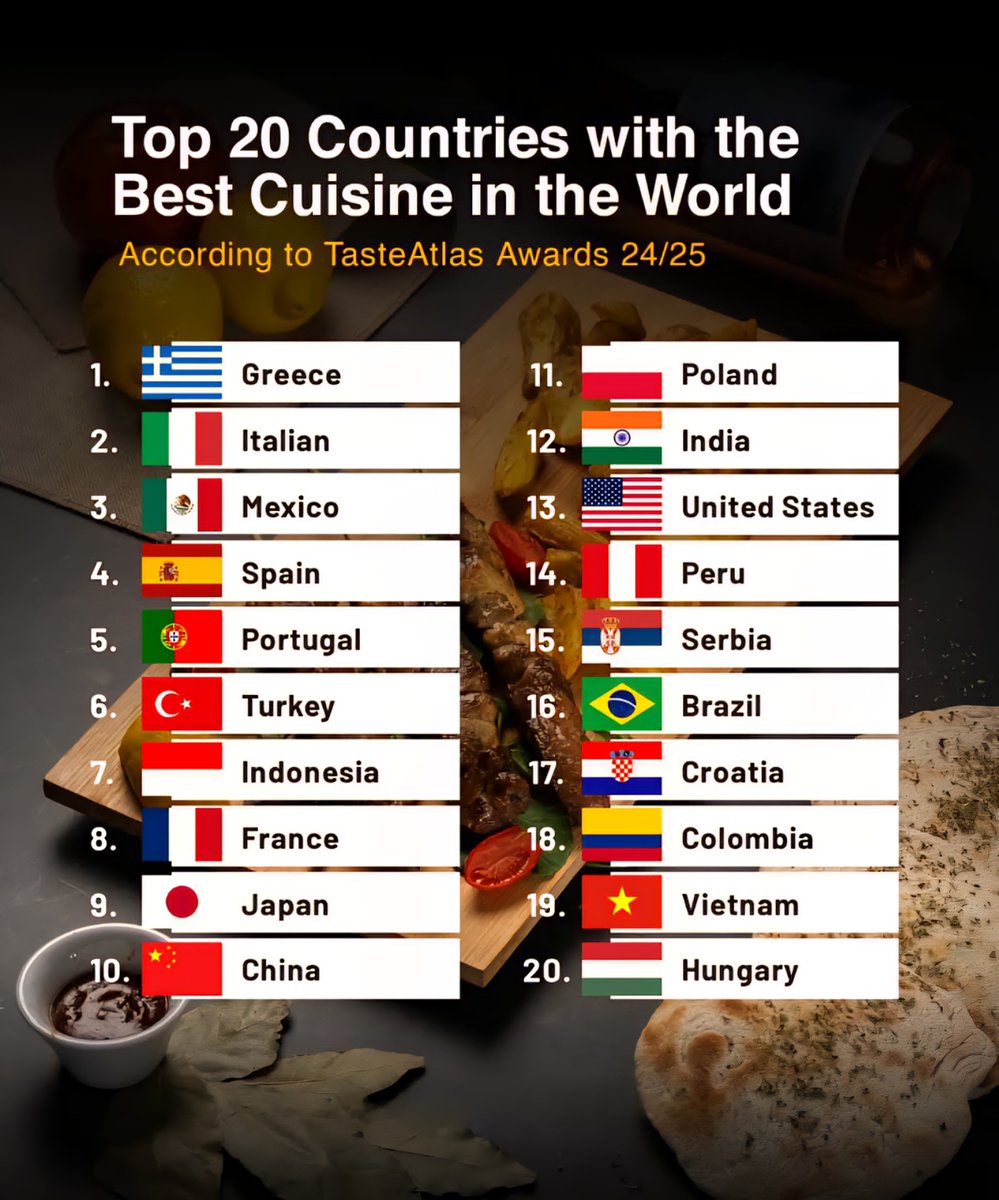
    Top 20 Countries with the Best Cuisine in the World

    Top 20 Countries Excelling in the World’s Most Delicious Cuisines in 2025

    From savory street foods to haute cuisine, the world’s culinary landscape is as diverse as it is vibrant. As of 2025, the TasteAtlas Awards have spotlighted the countries that are setting the gold standard for exceptional flavors, authentic dishes, and unique culinary traditions. Here are the top 20 nations redefining global gastronomy this year.


    Greece: The Birthplace of Fusion Flavors

    Topping the list is Greece, renowned for its iconic Mediterranean fare. With influences that blend ancient traditions and modern tastes, Greek cuisine boasts staples like fresh seafood, flavorful oils, and dishes such as moussaka and souvlaki. Its vibrant tavernas and centuries-old recipes continue to attract food lovers worldwide.


    Italy: The Epitome of Culinary Elegance

    Italian food remains a global favorite, celebrated for its regional diversity and timeless staples such as pasta, pizza, and rich cheeses. This year, Italy’s commitment to quality ingredients and artisanal preparation elevates it further in international culinary rankings, making every meal an authentic experience.


    Mexico: A Fiesta of Bold Flavors

    Mexican cuisine stands out with its vibrant spiced dishes, from street tacos to complex moles. Known for its use of fresh herbs, chili peppers, and unique sauces, Mexico’s culinary culture offers a perfect blend of tradition and innovation that continues to captivate palates around the globe.


    Spain: A Tapestry of Tapas and Paella

    Spain is celebrated for its communal dishes like tapas and hearty rice dishes such as paella. The diverse regional flavors, from the savory seafood in Galicia to the rich flavors of Andalusia, create a culinary landscape that is both diverse and inviting.


    Portugal: The Flavors of the Atlantic

    Portuguese cuisine boasts hearty stews, grilled seafood, and famous pastries like pastéis de nata. The country’s rich history of maritime exploration has infused its food with a mix of influences, resulting in bold and hearty flavors loved worldwide.


    Turkey: Where East Meets West in a Flavorful Maelstrom

    Türkiye’s food combines Middle Eastern, Balkan, and Mediterranean influences. From succulent kebabs to sweet baklava, Turkish cuisine is a festival of spices and textures, reflecting a rich cultural heritage that is both aromatic and diverse.


    Indonesia: An Archipelago of Tastes

    Indonesia’s diverse islands serve up a tantalizing array of dishes enriched with spices, coconut, and aromatic herbs. Nasi Goreng, satays, and rich curries dominate its culinary scene, showcasing tropical flavors that are both complex and comforting.


    France: The Cradle of Haute Cuisine

    As always, France remains a top culinary destination, famous for its sophisticated techniques and exquisite dishes. From delicate pastries and creamy sauces to gastronomic innovations, French cuisine continues to influence global food culture profoundly.


    Japan: Precision and Elegance on a Plate

    Japanese cuisine is celebrated for its emphasis on freshness, presentation, and culinary artistry. Sushi, ramen, and tempura exemplify a delicate balance of flavors, with a focus on seasonal ingredients and meticulous preparation.


    China: A Culinary Powerhouse

    China’s vast food landscape offers everything from fiery Sichuan dishes to refined Cantonese dim sum. Its traditional flavors are complemented by modern twists, making Chinese cuisine one of the most diverse and influential worldwide.


    Poland: A Land of Heartwarming Dishes

    Polish cuisine features hearty, comforting dishes such as pierogi, borscht, and Kielbasa. Rooted in centuries of historical influences, Polish food combines rustic flavors with a touch of sophistication, winning fans globally.


    India: Spices, Aromas, and Spiritual Flavors

    Indian cuisine is synonymous with spices that evoke warmth and complexity. From flavorful curries and biryanis to vegetarian delicacies and street snacks, India’s culinary diversity reflects its rich cultural tapestry.


    United States: A Melting Pot of Culinary Trends

    The U.S. continues to set culinary trends, blending global influences into innovative dishes. From classic American comfort foods to cutting-edge fusion cuisine, the country’s dynamic food scene remains unmatched in diversity and creativity.


    Peru: Ceviche and a Fusion of Cultures

    Peruvian cuisine has surged in global popularity, thanks to its innovative use of native ingredients and multicultural influences. Ceviche and dishes that combine Asian, African, and European elements highlight its rich culinary heritage.


    Serbia: A Delicious Balkan Gem

    Serbia offers hearty, flavorful fare featuring grilled meats, fresh vegetables, and traditional bread. Its cuisine reflects a blend of Ottoman influence and local traditions, creating a distinctive Balkan flavor profile.


    Brazil: Amazonian Flavors and Festive Feasts

    Brazilian cuisine is renowned for its bold flavors, churrasco, and tropical fruits. The country’s rich cultural diversity translates into a vibrant food scene that celebrates its indigenous and immigrant influences.


    Croatia: Mediterranean and Central European Excellence

    Croatia’s culinary scene boasts fresh seafood, olive oils, and hearty meat dishes. The scenic Dalmatian coast offers a picturesque culinary experience rooted in centuries of maritime tradition.


    Colombia: A Feast of Regional Diversity

    Colombia offers a variety of regional foods, from arepas and empanadas to exotic tropical fruits. Its cuisine reflects indigenous, African, and Spanish influences, providing a colorful and flavorful palate diverse enough to satisfy any enthusiast.


    Vietnam: A Harmonious Blend of Freshness and Spice

    Vietnamese recipes are celebrated for their fresh herbs, light broths, and complex flavors. Dishes like pho and banh mi keep Vietnam on the cutting edge of global culinary trends in 2025.


    Hungary: Heartfelt Flavors in Central Europe

    Hungarian cuisine remains revered for its paprika-infused stews, goulash, and hearty baked goods. The country’s culinary traditions evoke a sense of comfort and resilience that continue to resonate worldwide.


    Conclusion: The culinary world in 2025 is more diverse and exciting than ever, with each of these countries offering unique flavors and cultural stories on every plate. From the historic streets of Greece to the bustling markets of Vietnam, global tastes are continually evolving, driven by tradition and innovation alike.

    Source: TasteAtlas Awards 2024/25

  • Fun Map Top Ways Humans and Aliens View Earth

    Fun Map Top Ways Humans and Aliens View Earth

    Fun Map: How Humans See Earth vs How Aliens Might See Earth

    Fun Map: How Humans See Earth vs How Aliens Might See Earth


    1. Humanity’s Perspective: A Familiar Blue Marble

    Humans view Earth as a stunning blue and green orb, teeming with life and diverse environments. We see continents like North America, Africa, and Asia, each with its unique landscapes and cultures. From space, Earth appears as a jewel hanging in the darkness, capturing our imagination since the first lunar missions. Our maps are shaped by history, politics, and geography, emphasizing national borders and major cities.

    2. Alien Perspective: An Enigmatic Sphere

    In contrast, extraterrestrial beings might see Earth in a completely different light. Their view could focus on patterns invisible to us — such as the glow of city lights at night or vast weather systems. To them, Earth’s surface might be less about political boundaries and more about the distribution of resources, atmospheric activity, or biological signals. This perspective could reveal a dynamic, living planet through entirely different lenses.

    3. The Impact of Light Pollution

    While humans primarily understand Earth through conventional maps, aliens might interpret our civilization by the brightness of our cities. Satellite imagery has shown that urban areas glow brightly at night, marking where we concentrate our population and industry. It’s an indicator of human activity, energy usage, and development. To extraterrestrials, this luminous footprint might serve as a sign of intelligent life or technological advancement.

    4. The Significance of Natural Landmarks

    Humans recognize Earth’s landmark features: the Himalayas, the Amazon rainforest, the Sahara Desert. These serve as navigation points and symbols in our culture. For aliens, natural formations might be less relevant than the biological signatures or environmental markers that distinguish Earth from other planets. Such differences may shape their interpretation of our planet’s ecological significance.

    5. How Climate Shapes Our View

    Climate zones influence our maps and understanding of Earth’s surface. For example, deserts, rainforests, tundras, and temperate zones define our geographic understanding. Aliens might find Earth’s climate patterns fascinating — perhaps they observe atmospheric gases, temperature fluctuations, or even the presence of life-sustaining elements as key features, rather than just surface geography.

    6. Cultural and Political Focal Points

    Humans often map Earth around national borders, cities, and cultural regions. These boundaries define our identities and politics. An alien observer, however, might see Earth as a complex network of ecological systems, biological networks, or energy flows. Political borders might be invisible to them, overshadowed by other, perhaps more profound, markers of differentiation.

    7. Recognizing Human Activity from Space

    One of the most striking differences is how each view accounts for human activity. Satellites have been capturing night lights, pollution plumes, and deforestation patterns. These visual cues provide insights into our technological footprint. Extraterrestrials might interpret these signals as signs of a technologically advanced civilization or as ecological stress signals, depending on their perspective.

    8. The View of Earth as a Living Organism

    Some scientific hypotheses consider Earth a single living organism — the Gaia hypothesis. From an alien point of view, our planet might resemble a complex biological system, with interconnected processes maintaining equilibrium. This holistic understanding could influence their perception, seeing Earth less as a collection of separate countries and more as a vibrant, integrated biosphere.

    9. Future Outlook: How Perspectives Could Evolve

    As Earth continues to change, so do our maps and perceptions. For aliens, ongoing environmental shifts, technological developments, or even human expansion into space could alter their view of our planet. The universal language of sight might evolve into a shared understanding of Earth’s core essence: a dynamic, ever-changing world teeming with life.


    This fun comparison highlights how perception shapes understanding. Whether we see Earth as a familiar home or a mysterious planet from afar, the way we view our world reflects both our perspective and our place within the universe.

  • Top 20 Most Dangerous Countries to Drive In

    Top 20 Most Dangerous Countries to Drive In

    Top 20 Countries with the Most Dangerous Roads to Drive In — 2025

    1. India

    India consistently ranks as one of the most perilous nations for drivers due to its chaotic traffic systems, narrow roads, and high accident rates. The dense populations and aggressive driving behaviors contribute to daily hazards. Rural and urban areas alike face unique challenges, with many roads lacking proper signage or lighting, leading to increased collision risks. Motorcyclists and pedestrians are especially vulnerable on these busy streets.

    2. Venezuela

    Venezuela’s street conditions are notorious for being unpredictable, with poor road infrastructure, frequent potholes, and inconsistent road maintenance. Political and economic instability has further worsened the situation, leaving many vehicles unroadworthy and roads unsafe. Theft and crime also pose significant threats for drivers navigating through the country’s dangerous streets.

    3. Zimbabwe

    Zimbabwe’s roads are often riddled with potholes, unmarked crossings, and minimal lighting at night, making driving a risky endeavor. Overburdened public transport and a defunct traffic enforcement system contribute to reckless driving, increasing the likelihood of accidents. Drivers also encounter poorly maintained vehicles and unpredictable driving habits.

    4. Morocco

    While attracting many tourists, Morocco’s driving conditions are challenging. Narrow mountain roads, inconsistent signage, and variable road maintenance make navigating the country potentially dangerous. Local drivers tend to drive aggressively, and rural areas often lack proper safety infrastructure, heightening the risk of accidents.

    5. Thailand

    Thailand faces issues with congested city streets, aggressive drivers, and poorly maintained highways. Traffic fatalities are alarmingly high, largely due to the widespread use of scooters without adequate safety gear. Road safety awareness remains low in many regions, contributing further to hazardous driving environments.

    6. China

    Despite impressive infrastructure in major cities, China’s rural roads often lag behind, with unpaved sections and insufficient signage. Rapid urban sprawl and heavy vehicle traffic in urban centers lead to high accident rates. Drivers must stay alert to diverse traffic behaviors and road conditions.

    7. Tunisia

    Tunisia’s road network suffers from age-old infrastructure, with many roads poorly maintained or lacking proper lighting. Rural areas often don’t have adequate road signage, increasing the chances of accidents. The driving culture, which can be aggressive and unpredictable, adds to the risk.

    8. Brazil

    Brazil’s sprawling roads and highways are notorious for high-speed driving, sharp turns, and reckless behavior. Congestion in urban centers like São Paulo amplifies accident risks, especially with pedestrians crossing improperly and motorcyclists weaving through traffic. Poor road conditions in some regions exacerbate safety concerns.

    9. Colombia

    Colombia’s mountainous terrains, narrow roads, and unpredictable weather make driving particularly hazardous. Landslides and flooding during rainy seasons cause road closures and dangerous conditions. Crime-related issues, such as vehicle theft and highway ambushes, further threaten drivers.

    10. Malaysia

    Malaysia faces challenges with poorly maintained rural roads and high traffic density in cities. Flooding during monsoon season often renders roads impassable or dangerous. Drivers also contend with inconsistent enforcement of traffic laws and local driving styles.

    11. Mexico

    Mexico has a high incidence of road accidents driven by reckless driving, drug-related violence, and poorly maintained roads. Rural areas are especially hazardous, with minimal law enforcement presence. Driving at night presents additional risks due to limited visibility and increased crime.

    12. Turkey

    Turkey’s diverse geography presents varying driving risks—from icy mountain passes to congested urban streets. Traffic law enforcement varies, leading to reckless driving patterns. Road infrastructure in some regions is outdated, increasing the likelihood of accidents.

    13. Vietnam

    Vietnam’s bustling streets feature a chaotic mingling of motorbikes, cars, and pedestrians. Poor traffic management, inconsistent road quality, and scant traffic signage contribute to frequent collisions. Navigating through busy city centers remains a challenge for drivers unfamiliar with local conditions.

    14. Chile

    Chile’s mountainous roads, particularly in the south, pose dangers like landslides and sudden weather changes. Drivers must handle sharp curves and narrow passages, often with limited guardrails. Urban traffic congestion and distracted driving increase accident risks.

    15. Hungary

    Hungary’s roads are generally well-maintained, but high-speed traffic on highways and busy city streets can lead to accidents. Weather conditions, such as icy winters, require cautious driving. Infrastructure in some rural areas still requires upgrades to improve safety.

    16. Argentina

    Argentina experiences frequent accidents caused by speeding, alcohol consumption, and deteriorating road conditions in rural zones. Urban traffic jams and challenging weather further complicate driving safety, especially during Buenos Aires rush hours.

    17. Singapore

    While Singapore boasts some of the safest roads globally, its dense traffic patterns and strict driving regulations demand attentiveness. Navigating through crowded highways and city streets requires caution, especially during rush hours when accidents can happen unexpectedly.

    18. Ecuador

    Ecuador’s mountainous terrain and poorly-maintained roads pose significant risks, including landslides and potholes. The country’s challenging geography combined with inconsistent law enforcement increases susceptibility to accidents, especially in remote regions.

    19. Japan

    Japan’s rigorous traffic laws and excellent infrastructure provide safe driving conditions overall. However, natural disasters such as earthquakes and tsunamis can cause road damage. Additionally, densely populated urban areas require careful navigation to avoid collisions.

    20. United Arab Emirates

    The UAE features modern and well-maintained roads, but high-speed driving and aggressive driving behaviors are common, leading to a significant number of accidents. Driver distraction and a high volume of luxury vehicles also contribute to road safety challenges.


    The list compiled by Scrap Car Comparison in 2025 highlights the countries where drivers need to exercise maximum caution. No matter where you’re headed, understanding local driving conditions can make a crucial difference in staying safe on the road.

  • Top Unique Fun Map of Latin America and the Balkans

    Top Unique Fun Map of Latin America and the Balkans

    Latin America and the Balkans: A Comparative Look at Two Vibrant Regions in 2025

    Latin America and the Balkans

    Unraveling Economic and Social Realities

    Latin America: Struggling Yet Resilient

    Latin America continues to grapple with economic hardships, with many countries facing significant poverty challenges. Despite these struggles, the region remains a tapestry of diverse cultures, languages, and traditions. However, there’s a pervasive misconception that Latin America is culturally monolithic, which overlooks the rich diversity that characterizes countries from Mexico to Argentina.

    One of the defining features of Latin America’s geopolitical landscape is the ongoing rivalry between superpowers, mainly the United States and China. These nations exert influence through economic investments, diplomatic maneuvers, and strategic alliances, often leading to complex political dynamics within the region. Latin American countries frequently find themselves navigating delicate balances, balancing their sovereignty while engaging with global powers.

    Furthermore, regional relations are often tense due to historical grievances, uneven development, and external influence. Despite these challenges, Latin American nations are making notable strides in sectors such as renewable energy, technology, and cultural exports, proving resilience in the face of adversity.


    Balkans: A Region Marked by Complexity and Unity in Diversity

    Persistent Poverty with a Deep-Rooted Heritage

    The Balkans, a region historically shaped by centuries of shifting borders and cultural influences, continues to face economic struggles. Poverty remains an issue, particularly in rural areas and smaller nations such as North Macedonia and Bosnia and Herzegovina. Despite economic hardships, the region boasts a vibrant cultural mosaic, with languages, traditions, and religions coexisting in complex harmony.

    A notable feature of Balkan geopolitics is the tendency for regional countries to be united by a common perception of external meddling—specifically feeling targeted or annoyed by neighboring Italy, which exerts influence through historical ties and ongoing diplomatic efforts. While conflicts occasionally flare over historical and territorial disputes, the countries often find common ground in their shared goal of regional stability.

    Like Latin America, the Balkans are caught in the tug-of-war between global superpowers. The European Union and Russia continue to vie for influence, each offering strategic alliances, economic aid, and political support. This external competition adds layers of complexity to the region’s path toward integration and development.

    Cultural Similarities and Diversity

    The Balkans is frequently misunderstood as a region with one uniform culture, but this couldn’t be further from the truth. The area’s diverse cultural and religious influences—Orthodox Christianity, Islam, and Catholicism—coexist, shaping unique identities in each country. Despite shared histories, local populations are fiercely proud of their distinct heritages.

    Looking Ahead: Challenges and Opportunities

    Both Latin America and the Balkans are regions facing significant hurdles but also possess remarkable resilience and potential. Economic disparities, political instability, and external influences continue to shape their trajectories. However, embracing their rich cultural diversity, fostering regional cooperation, and navigating global power dynamics effectively could pave the way for brighter futures.


    In 2025, these regions exemplify the complexity of post-colonial and post-communist spaces—areas marked by adversity, resilience, and a shared desire for stability and prosperity.

    Note: This analysis reflects the current geopolitical and socio-economic realities as of 2025. For a deeper understanding, ongoing developments should be monitored regularly.

  • Top 10 Largest Empires in History Maximize Their Global Influence

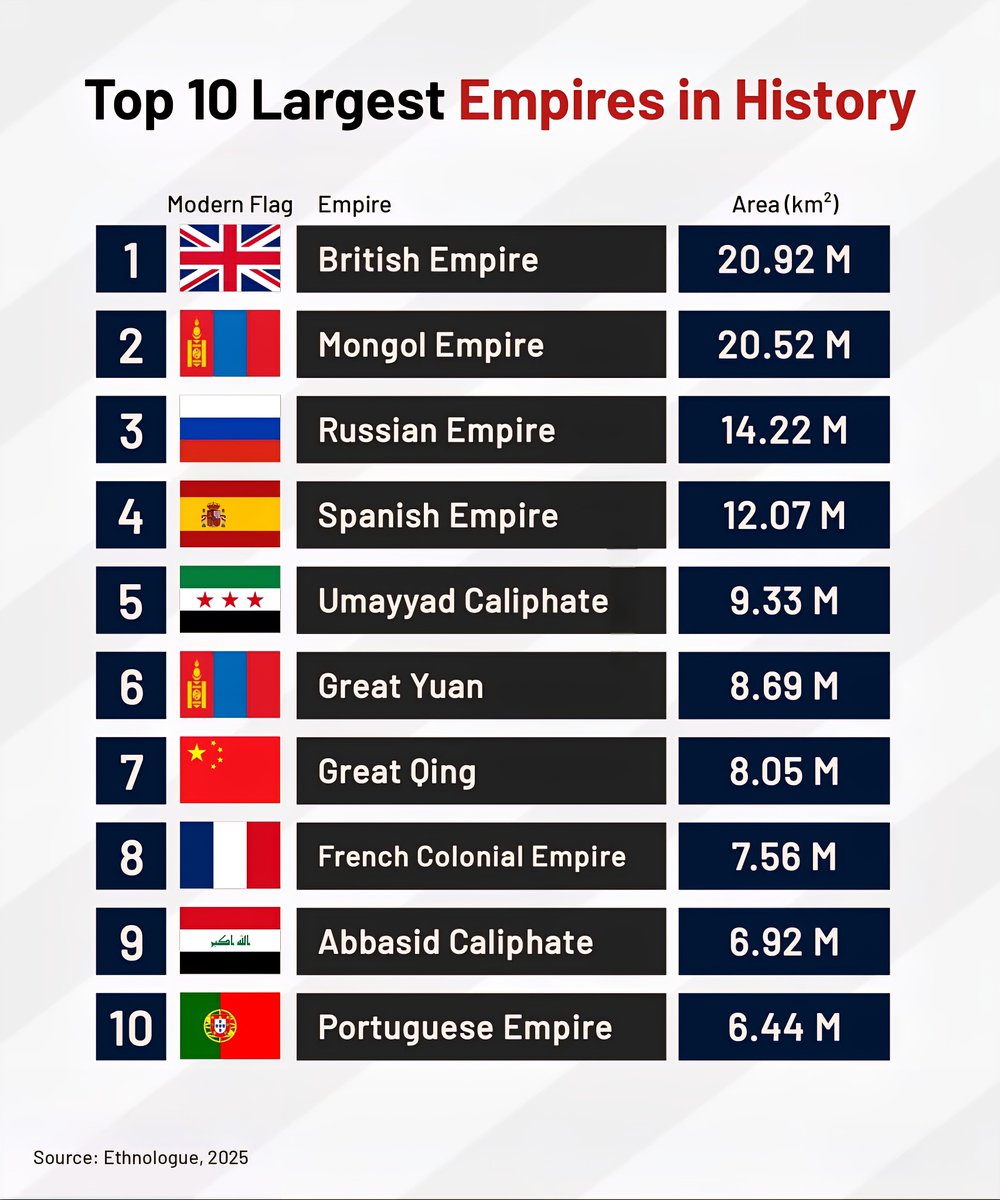
    Top 10 Largest Empires in History Maximize Their Global Influence

    The Largest Empires in History: A 2025 Breakdown

    1. The British Empire: The Global Powerhouse

    Spanning approximately 20.92 million square kilometers, the British Empire holds the record as the largest empire in history. At its height during the early 20th century, it was famously termed “the empire on which the sun never sets,” reflecting its vast global reach. The empire included territories on every continent, from Africa and Asia to the Americas and Oceania. Its influence shaped world trade, politics, and culture, leaving an indelible mark that persists today in countries like Canada, India, and Australia.

    2. Mongol Empire: The Conquerors of Eurasia

    With an area of roughly 20.52 million square kilometers, the Mongol Empire was the largest contiguous land empire in history. Founded by Genghis Khan in the 13th century, it rapidly expanded across Asia and into Eastern Europe. The Mongols revolutionized warfare and trade, facilitating the exchange of goods, ideas, and cultures across the Silk Road. Their military strategies and organizational prowess set new standards in conquest history.

    3. Russian Empire: The Landmass Leviathan

    Covering approximately 14.22 million square kilometers, the Russian Empire was a dominant force from the 16th century until the early 20th century. Its vast territory stretched across Europe and Asia, encompassing diverse ethnicities and numerous climates. Russia’s expansion played a pivotal role in shaping Eurasian geopolitics, with its influence still evident in the modern Russian Federation.

    4. Spanish Empire: The New World Explorer

    Encompassing around 12.07 million square kilometers, the Spanish Empire was instrumental in early global exploration and colonization. Spain’s empire stretched from Europe through the Americas and into parts of Africa and Asia. It was driven by the pursuit of wealth, faith, and glory, with conquistadors establishing colonies that would shape the history and demographics of the Western Hemisphere for centuries to come.

    5. Umayyad Caliphate: The Islamic Expansion

    Spanning approximately 9.33 million square kilometers, the Umayyad Caliphate was one of the largest empires during the early Islamic centuries. It extended from the Iberian Peninsula across North Africa to West Asia. Its reach facilitated the spread of Islam, unified diverse peoples under a common governance, and fostered considerable advances in science, politics, and culture.

    6. Great Yuan Dynasty: The Mongol Dynasty in China

    Covering roughly 8.69 million square kilometers, the Yuan Dynasty was established by Kublai Khan in 1271. It was the first non-Han dynasty to rule all of China, integrating Mongol and Chinese cultures. The empire fostered global trade, especially through the Silk Road, and promoted significant cultural exchanges during its rule.

    7. Great Qing Dynasty: China’s Last Imperial Empire

    Spanning about 8.05 million square kilometers, the Qing Dynasty was the largest empire in Chinese history. Established in the mid-17th century, it expanded China’s borders to their greatest extent, incorporating Tibet, Xinjiang, and Mongolia. Its governance shaped modern China’s borders and influenced East Asian geopolitics well into the 20th century.

    8. French Colonial Empire: Europe’s Global Footprint

    At its zenith, the French Colonial Empire covered around 7.56 million square kilometers. France established colonies across Africa, Southeast Asia, the Caribbean, and the Pacific. Its legacy includes linguistic, legal, and cultural influences still evident in many former colonies such as Vietnam, Senegal, and Haiti.

    9. Abbasid Caliphate: The Golden Age of Islam

    With a territory of about 6.92 million square kilometers, the Abbasid Caliphate was central to the Islamic Golden Age, fostering advancements in science, mathematics, medicine, and philosophy. Its capital, Baghdad, turned into a major cultural and learning hub, influencing civilizations for centuries.

    10. Portuguese Empire: The Age of Discoveries

    Covering approximately 6.44 million square kilometers, the Portuguese Empire was a pioneer in global exploration during the 15th and 16th centuries. It established sea routes and colonies across Africa, Asia, and South America. Today, countries like Brazil, Angola, and Mozambique carry the legacy of Portuguese colonization.

    Source: Ethnologue, 2025

    (Note: The title and list format present a comprehensive view of history’s largest empires, emphasizing their cultural, political, and economic legacies that continue to influence the modern world.)

  • Top 3 Most Popular Street Foods Around the World

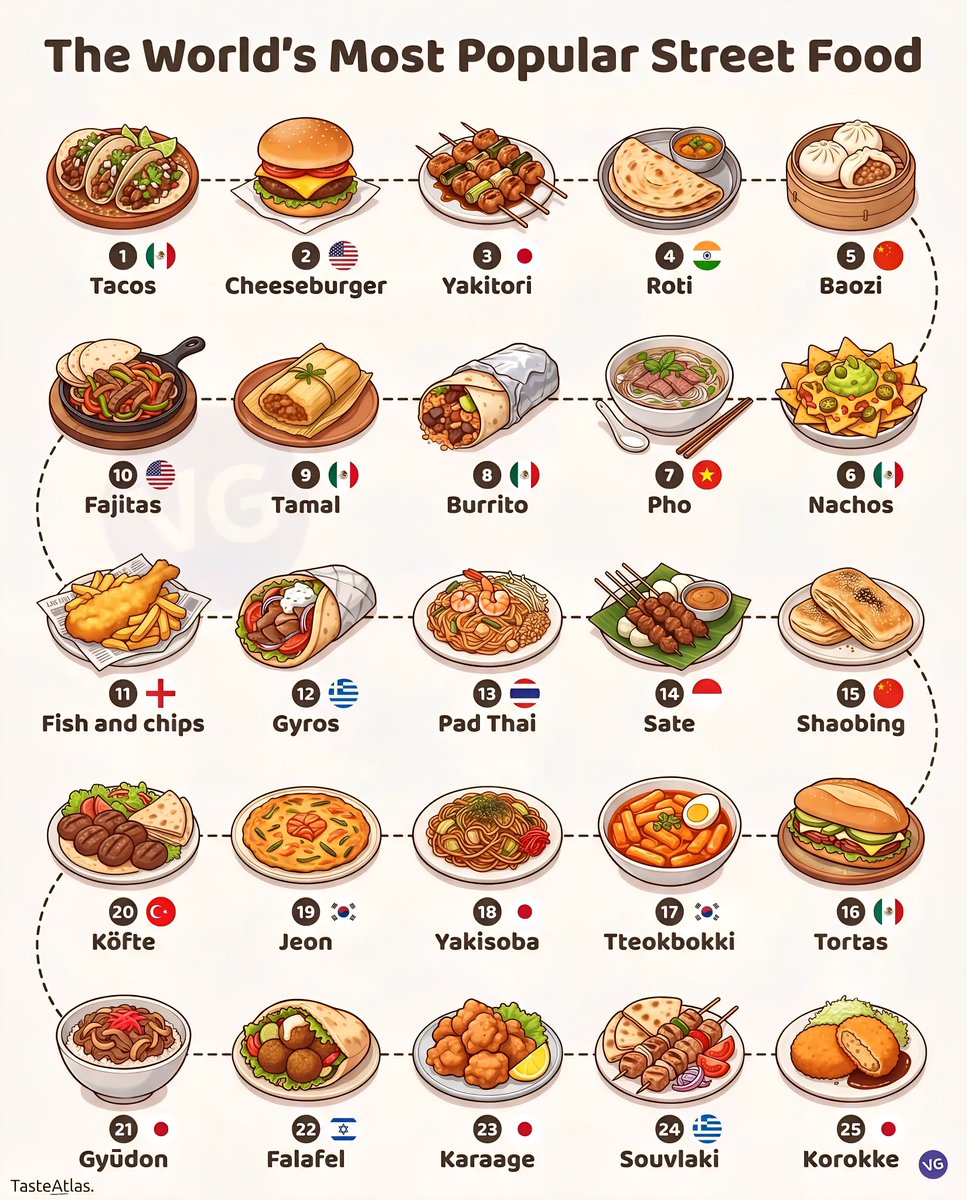
    Top 3 Most Popular Street Foods Around the World

    2025’s Top Street Foods Around the World You Need to Know

    1. Tacos (Mexico)
      Tacos continue to reign supreme globally. This versatile Mexican favorite offers endless fillings—from classic carne asada to vegan-friendly options—wrapped in warm corn or flour tortillas. They are a universal symbol of street food culture and a must-try for travelers and food enthusiasts alike.

    2. Cheeseburgers (United States)
      An American icon, cheeseburgers are king of the street food scene across North America. Juicy patties topped with melted cheese, crisp lettuce, and flavorful condiments on a toasted bun make for an irresistible handheld meal. Food trucks and vendors have taken gourmet variations to new heights in 2025.

    3. Yakitori (Japan)
      Grilled skewered chicken called yakitori remains a staple in Japanese streets. Often seasoned simply with salt or a soy-based glaze, these smoky bites are a popular quick snack with a rich umami flavor that draws both locals and tourists.

    4. Roti (India)
      This soft, flaky flatbread from India is often served with spicy curries or as a street-side snack. Its versatility makes it popular across the country, with vendors offering stuffed versions like aloo (potato) or paneer fillings, perfect for on-the-go eating.

    5. Baozi (China)
      Soft, steamed buns filled with savory ingredients such as pork, beef, or vegetables are an essential Chinese street food. With varieties adapted regionally, baozi is gaining popularity worldwide for its comfort-food qualities.

    6. Nachos (Mexico/US)
      A fusion favorite, nachos are crispy tortilla chips topped with melted cheese, jalapenos, meats, and other toppings. Their widespread popularity makes them a staple in street food booths across North America and beyond.

    7. Pho (Vietnam)
      Vietnam’s beloved noodle soup features aromatic broth, rice noodles, herbs, and thinly sliced meats. Increasingly accessible on street corners globally, pho offers comforting flavors that have made it a global phenomenon.

    8. Burrito (Mexico/US)
      Large flour tortillas stuffed with rice, beans, meats, and vegetables, burritos are a filling and portable meal. Food trucks specializing in gourmet burritos are expanding rapidly on American streets and in cities worldwide.

    9. Tamal (Mexico/Central America)
      Wrapped in corn husks or banana leaves, tamales are traditional steamed packages filled with meats, cheeses, or chilies—perfect for quick street snacks that carry centuries of cultural history.

    10. Fajitas (United States/Mexico)
      Sizzling strips of grilled meat, vegetables, and warm tortillas make up fajitas—popular in street food scenes for their bold flavors and customizable ingredients.

    11. Fish and Chips (England)
      This British classic remains a street favorite, especially in Britain and parts of Europe. Crispy battered fish paired with golden fries is often enjoyed freshly made at seaside markets or street stalls.

    12. Gyros (Greece)
      Marinated meats cooked on a vertical rotisserie and served in pita bread with fresh vegetables and tzatziki sauce, gyros continue to be a go-to street food for quick, flavorful bites in Greece and international cities.

    13. Pad Thai (Thailand)
      Stir-fried rice noodles with shrimp, tofu, peanuts, and a tangy tamarind sauce are a staple in Thai street markets, loved globally for their perfect balance of sweet, sour, salty, and spicy flavors.

    14. Sate (Indonesia)
      Skewered and grilled meat served with peanut sauce, sate is a popular Indonesian street snack. Its rich, savory flavors have gained international popularity, with variations across Southeast Asia.

    15. Shaobing (China)
      This layered, crispy flatbread with a slightly chewy interior is eaten plain or filled with savory ingredients. Increasingly found at Chinese street markets, shaobing appeals to those seeking a filling snack.

    16. Tortas (Mexico)
      Mexican sandwiches made with crusty bread and filled with fillings like milanesa, chorizo, or avocado are canonical street foods that promise hearty, satisfying bites.

    17. Tteokbokki (South Korea)
      Spicy rice cakes cooked in a sweet and fiery gochujang sauce are a Korean street food favorite, especially popular among young crowds for their chewy texture and bold flavors.

    18. Yakisoba (Japan)
      Stir-fried soba noodles with vegetables, meat, and a tangy sauce, yakisoba is a staple at Japanese festivals and street markets, loved for its savory flavor profile.

    19. Jeon (South Korea)
      Crispy Korean pancakes made from various ingredients like seafood, kimchi, or vegetables, jeon are often enjoyed with dipping sauces—ubiquitous at street festivals.

    20. Köfte (Turkey)
      Turkish meatballs made from minced lamb or beef, seasoned with herbs and spices, are enjoyed straight off street grills, often served with flatbread or bread rolls.

    21. Gyūdon (Japan)
      This beef bowl with rice, onions, and savory sauce offers a quick, filling meal that’s become a staple of Japanese street eateries, especially for those seeking comfort food on the go.

    22. Falafel (Middle East)
      Deep-fried chickpea patties wrapped in pita with fresh vegetables and tahini sauce, falafel remains a popular street snack across the Middle East and increasingly worldwide.

    23. Karaage (Japan)
      Japanese-style fried chicken, known as karaage, is crispy on the outside, tender on the inside. It’s a street food favorite for those craving savory, juicy bites.

    24. Souvlaki (Greece)
      Grilled meat skewers served with pita, vegetables, and sauce, souvlaki continues to be a top choice for street diners seeking flavorful, portable Greek cuisine.

    25. Korokke (Japan)
      Crispy croquettes filled with mashed potatoes and minced meat or vegetables, korokke are a beloved Japanese snack that’s easy to enjoy on the move.


    Source: TasteAtlas, 2025.

  • Top 20 Cities Offering The Best Healthcare

    Top 20 Cities Offering The Best Healthcare

    Top 20 Cities with the Best Healthcare Systems in 2025

    1. Kaohsiung, Taiwan

    In the bustling southern city of Kaohsiung, Taiwan, healthcare quality continues to impress global rankings. With a focus on advanced medical infrastructure and accessible primary care, Kaohsiung boasts a city-wide healthcare network that prioritizes patient convenience and rapid response times. The city also benefits from Taiwan’s national health insurance system, ensuring all residents receive comprehensive coverage.

    2. Taipei, Taiwan

    Taipei, the vibrant capital of Taiwan, leads the way with cutting-edge hospitals equipped with the latest medical technology. Its healthcare system is renowned for efficiency, patient satisfaction, and innovative treatments. The city’s numerous specialized clinics contribute significantly to Taiwan’s top-tier global healthcare reputation, serving as a model for urban health management.

    3. Chiang Mai, Thailand

    Northern Thailand’s cultural hub, Chiang Mai, has earned a reputation for excellent healthcare services tailored to both locals and medical tourists. Its hospitals offer high-quality treatments at competitive prices, often incorporating traditional Thai medicine alongside modern practices. The city’s emphasis on holistic wellness makes it a standout destination for health-conscious travelers.

    4. Makati, Philippines

    Makati City, a financial hub in the Philippines, continues to excel in healthcare service delivery. Its modern hospitals and clinics provide a broad spectrum of specialties, from cardiology to cosmetic surgery. Makati’s rapid medical infrastructure growth reflects the Philippines’ commitment to elevating healthcare standards for its residents and international visitors alike.

    5. Seoul, South Korea

    Seoul remains one of Asia’s leading healthcare cities. Known for world-class dermatology, plastic surgery, and advanced diagnostics, Seoul’s medical facilities integrate high-tech innovations with highly trained professionals. Its medical tourism industry flourishes, attracting millions seeking quality care at affordable prices.

    6. The Hague, Netherlands

    In Europe, The Hague stands out with its efficient healthcare system backed by robust social services. The city’s hospitals are renowned for mental health services, pediatric care, and innovative research partnerships. Its focus on integrating healthcare and social welfare policies has optimized patient outcomes.

    7. Rotterdam, Netherlands

    Rotterdam offers a dynamic healthcare environment with specialized centers in cardiology and cancer treatment. The city’s hospitals leverage technology like AI-assisted diagnostics and electronic health records, ensuring rapid, precise care delivery in a city famed for its modernity.

    8. Utrecht, Netherlands

    As the Netherlands’ medical research hub, Utrecht offers top-tier healthcare services supported by cutting-edge research institutions. Its patient-centered approach emphasizes personalized medicine, making it one of Europe’s trusted destinations for complex treatments.

    9. Valencia, Spain

    Valencia’s healthcare system is characterized by high-quality public hospitals and accessible outpatient services. The city’s Mediterranean lifestyle complements its focus on preventive care, sports medicine, and holistic wellness, contributing to overall population health.

    10. Vienna, Austria

    Vienna continues to be Europe’s healthcare capital, with a longstanding reputation for comprehensive and high-standard medical services. Its clinics excel in geriatric care, cancer treatment, and advanced surgeries, supported by a highly trained medical workforce.

    11. Ghent, Belgium

    Known for innovative medical research and quality services, Ghent offers specialized treatments in neurology, sports medicine, and rehabilitation. The city emphasizes patient empowerment and integrated health approaches, elevating its healthcare profile.

    12. Helsinki, Finland

    Finland’s capital stands out for its focus on digital health solutions, such as telemedicine and AI diagnostics. Helsinki’s health clinics prioritize mental health, preventive care, and technological integration, ensuring accessible and modern healthcare services.

    13. Antwerp, Belgium

    Antwerp’s hospitals are recognized for excellence in complex surgeries, oncology, and transplant services. Strong international collaborations and research initiatives bolster its reputation for innovative, high-quality patient care.

    14. Madrid, Spain

    Spain’s vibrant capital boasts an extensive network of public and private hospitals offering specialized services in cardiology, pediatrics, and infectious diseases. Madrid’s focus on universal healthcare access continues to boost its healthcare system’s efficiency.

    15. Guadalajara, Mexico

    Guadalajara leads Mexican healthcare with its advanced private hospitals and specialized clinics. The city provides affordable yet high-quality medical services, making it a preferred destination for medical tourism in North America and beyond.

    16. Porto, Portugal

    Portugal’s port city prides itself on accessible healthcare, especially for chronic disease management and preventive medicine. Its public and private hospitals are equipped with modern technology and experienced professionals dedicated to patient care.

    17. Cuenca, Ecuador

    Cuenca offers a surprisingly high standard of healthcare within South America, with clinics and hospitals focusing on accommodating international residents and tourists. Emphasizing personalized and holistic treatments, Cuenca has become a regional healthcare hub.

    18. Tokyo, Japan

    Tokyo remains one of the world’s leading medical cities, with state-of-the-art hospitals specializing in robotics, regenerative medicine, and complex surgeries. Japan’s aging population drives continuous innovation in elder care and chronic disease management.

    19. Leeds, United Kingdom

    Leeds, a prominent city in the UK, is home to top-tier hospitals and health research centers. It plays a central role in developing new treatments and clinical trials, making it a pillar of the UK’s NHS excellence.

    20. Eindhoven, Netherlands

    Known as the Dutch innovation hub, Eindhoven leverages technology to provide world-class healthcare. Its integration of biomedical research and healthcare delivery creates a robust environment for disease prevention and advanced treatments.


    Source: Numbeo 2025

  • 25 Most Powerful Tourism Slogans From Asia

    25 Most Powerful Tourism Slogans From Asia

    Discover the Top Tourism Slogans That Encapsulate Asia’s Spirit in 2025

    Travel marketers continue to craft catchy, compelling slogans that capture the essence of their destinations. These phrases not only inspire wanderlust but also serve as a window into each country’s unique culture, history, and attractions. As of 2025, here’s a look at the most impactful tourism slogans across Asia that have resonated globally, highlighting what makes each destination special.


    Incredible India: The Soul-Stirring Call to Explore

    India’s renowned slogan, “Incredible India,” remains a powerful invitation to delve into one of the world’s most diverse and vibrant cultures. It reflects India’s vast history, spiritual heritage, and colorful traditions that beckon travelers to discover its marvels—from the Taj Mahal’s majestic beauty to the spiritual serenity of Varanasi.

    The slogan has evolved into an iconic brand that emphasizes India’s vast potential as a must-visit destination, offering everything from bustling cityscapes to tranquil countryside. Its success lies in evoking feelings of wonder and curiosity, making travelers yearn for an authentic Indian experience.


    Malaysia: Truly Asia – A Melting Pot of Cultures and Landscapes

    “Malaysia, Truly Asia,” captures the multifaceted identity of a country where diverse cultures, languages, and cuisines blend seamlessly. This slogan emphasizes Malaysia’s rich multicultural heritage, lush rainforests, vibrant cities, and pristine beaches, making it a versatile destination for any traveler seeking adventure and cultural immersion.

    The phrase projects Malaysia’s essence as a truly diverse nation, inviting tourists to explore its bustling markets, historic sites, and natural wonders—all within a single trip. It’s a testament to how the country positions itself as a crossroad of Asia’s best stories and experiences.


    Thailand: Amazing Thailand — Be Captivated by the Land of Smiles

    “Thailand, Amazing Thailand,” continues to be one of the most recognizable slogans in global tourism. It encapsulates the warmth, friendliness, and awe-inspiring attractions that draw millions each year—from ornate temples and vibrant festivals to exotic islands and delicious cuisine.

    This slogan invites travelers to experience the country’s multifaceted allure, promising memorable adventures with a sense of wonder and delight. Whether exploring Bangkok’s bustling streets or relaxing on Phuket’s beaches, visitors are encouraged to embrace the magic of Thailand.


    Indonesia: Wonderful Indonesia — A Paradise for Every Traveler

    “Wonderful Indonesia” showcases the country’s breathtaking landscapes, from Bali’s serene beaches to Java’s volcanic mountains and Sumatra’s dense jungles. It emphasizes Indonesia’s natural beauty, cultural diversity, and warm hospitality.

    The slogan encourages tourists to see Indonesia as a wonderland of diverse experiences, inviting exploration of ancient temples, vibrant festivals, and unique wildlife. It positions Indonesia as an alluring destination for adventure, relaxation, and cultural discovery.


    Philippines: Love The Philippines — The Heart of Southeast Asia

    “Love The Philippines” is more than just a phrase—it’s an emotional call to appreciate the archipelago’s striking beaches, friendly people, and vibrant festivals. The slogan emphasizes the warmth and resilience of Filipino culture.

    Destinations like Palawan and Boracay, coupled with the country’s reputation for hospitality, make this slogan a heartfelt appeal to travelers seeking both adventure and meaningful human connections. It’s a testament to the Philippines’ joyful spirit and natural wonders.


    Cambodia: Kingdom of Wonder — Unlock Mysteries of the Past

    “Kingdom of Wonder” invites travelers to unlock the mysteries of Cambodia’s ancient history and breathtaking temples, including the legendary Angkor Wat. The slogan highlights the country’s cultural heritage, scenic landscapes, and enduring traditions.

    It encourages exploration beyond the temples—winding through bustling markets, lush countryside, and lively festivals—offering visitors a journey into a land rich with history and hope.


    Maldives: The Sunny Side of Life — An Oasis of Serenity

    With “The Sunny Side of Life,” the Maldives emphasizes pure luxury, pristine white beaches, and crystal-clear waters. It positions itself as the ultimate paradise for honeymooners, romantics, and those seeking a peaceful escape.

    The slogan encapsulates the feeling of endless sunshine, relaxation, and indulgence—an invitation to experience unforgettable sunsets, world-class diving, and ultra-luxurious resorts.


    Japan: Endless Discovery — A World of Unique Contrasts

    “Endless Discovery” perfectly describes Japan’s blend of tradition and innovation. From historic temples and cherry blossoms to futuristic cities and cutting-edge technology, Japan offers a continuously evolving landscape.

    This slogan encourages visitors to explore the depth of Japanese culture, cuisine, and scenery—where each corner reveals a new story, experience, or innovation, ensuring that discovery never truly ends.


    Nepal: Naturally Nepal, Once Is Not Enough

    Nepal’s slogan underscores the country’s natural beauty and spiritual depth. Its towering Himalayas and serene monasteries invite travelers to immerse themselves in nature and spirituality.

    It encourages visitors to embark on trekking adventures, explore ancient towns, and connect with a land that embodies both resilience and tranquility—knowing that once is rarely enough to experience Nepal’s full charm.


    Taiwan: Waves of Wonder — Surfing Through Surprises

    “Waves of Wonder” captures Taiwan’s dynamic scenery, from its scenic coastlines to its lively night markets. The slogan highlights Taiwan’s ability to surprise travelers with its diverse offerings—be it nature, culture, or cuisine.

    Visitors are invited to ride the waves of discovery through its mountains, beaches, and bustling city streets, experiencing the island’s vibrant energy and warmth.


    South Korea: Imagine Your Korea — Crafting Your Own Adventure

    “Imagine Your Korea” emphasizes personal discovery tailored to every traveler’s interests. South Korea’s rich history, K-pop culture, and technological innovations come alive through this engaging slogan.

    It encourages tourists to craft their unique journey across historic palaces, bustling markets, and scenic countryside—making every visit a personalized adventure.


    Hong Kong: Hello Hong Kong — A City Full of Surprises

    With “Hello Hong Kong,” the city greets travelers with an invitation to explore its towering skyline, eclectic neighborhoods, and lively harbor. It embodies Hong Kong’s energetic vibe and multicultural atmosphere.

    Visitors can expect a mix of tradition and modernity, from ancient temples to futuristic skyscrapers, all within a vibrant, welcoming cityscape.


    Vietnam: Timeless Charm — Where History Meets Modernity

    “Timeless Charm” encapsulates Vietnam’s rich history, stunning landscapes, and evolving modernity. From the ancient streets of Hanoi to the bustling markets of Ho Chi Minh City, it invites travelers to experience history and innovation side by side.

    Vietnam’s natural beauty—lush rice terraces, scenic bays—complements its deep cultural roots, making it a destination that’s always enchanting.


    Sri Lanka: You’ll Come Back For More — A Land of Endless Allure

    This slogan emphasizes Sri Lanka’s charm and variety, from ancient ruins and tea plantations to wildlife safaris and pristine beaches. It highlights the country’s ability to leave travelers longing for a return visit.

    Sri Lanka offers an immersive experience into diverse landscapes and cultures, making it a place that truly sticks in the memory.


    Iran: Majestic Iran: A Different Experience — Journey Through History

    “Majestic Iran” signals an invitation to explore Iran’s historic architecture, extensive ruins, and vibrant culture. It promises a different, enriching experience away from mainstream tourism.

    Travelers are encouraged to delve into Persian history, meet warm locals, and witness awe-inspiring mosques and palaces, discovering a past that remains majestic and largely undiscovered.


    Mongolia: Go Nomadic — Experience the Spirit of the Steppe

    “Mongolia: Go Nomadic” promotes living like a nomad amidst the vast steppes and rugged mountains. It emphasizes authentic cultural experiences, horseback riding, and a connection with nature.

    This slogan invites adventurers to step outside modernity and embrace the traditional Mongolian lifestyle, discovering a country that embodies freedom and resilience.


    Laos: Simply Beautiful — Discover Serenity and Scenery

    “Simply Beautiful” captures Laos’ tranquil natural landscapes and laid-back vibe. From serene river cruises to ancient temples, it beckons travelers seeking peaceful escapes and cultural richness.

    The phrase underscores Laos’ unspoiled beauty, making it ideal for those looking to unwind and reconnect with nature.


    Myanmar: Be Enchanted — A Land of Mystique and Heritage

    “Be Enchanted” highlights Myanmar’s mystical landscapes, ancient temples, and welcoming people. The slogan invites travelers to experience the country’s rich spiritual and cultural heritage.

    Visitors often leave Myanmar captivated by its timeless beauty, intricate art, and the warmth of its communities.


    Singapore: Passion Made Possible — Innovation Meets Inspiration

    “Passion Made Possible” embodies Singapore’s drive for innovation, diversity, and excellence. It invites visitors to explore vibrant neighborhoods, world-class attractions, and a melting pot of cultures.

    This slogan encourages travelers to ignite their passions through unique experiences—from dining and shopping to exploring urban parks and historical districts.


    Qatar: Curated for You — Personalized Luxury and Tradition

    Qatar’s slogan emphasizes tailored experiences, blending luxury with deep-rooted Emirati traditions. It invites visitors to enjoy custom-designed adventures, cultural museums, and desert safaris.

    The phrase positions Qatar as a refined destination that caters to sophisticated tastes while preserving its historic and cultural essence.


    Bhutan: Believe — In the Magic of Happiness and Heritage

    “Believe” in Bhutan reflects its philosophy of Gross National Happiness and spiritual richness. It encourages visitors to trust in the transformative power of nature, spirituality, and authentic culture.

    Travel to Bhutan promises a soulful journey, making believers out of travelers seeking tranquility and ancient wisdom.


    Bangladesh: Beautiful Bangladesh — A Tapestry of Life and Nature

    This slogan highlights Bangladesh’s vibrant culture, lush green landscapes, and historic sites. It invites travelers to uncover the country’s diverse tapestry of experiences—from the Sundarbans mangroves to historic Dhaka.

    Visitors often find themselves immersed in Bangladesh’s lively traditions and warm hospitality.


    Brunei: Abode of Peace — Discover a Calm and Cultural Haven

    “Abode of Peace” emphasizes Brunei’s serene surroundings, rich Islamic heritage, and lush rainforests. It promotes a tranquil escape filled with ancient mosques, royal palaces, and untouched nature.

    The slogan highlights Brunei as a peaceful retreat for those seeking calm, culture, and natural beauty.


    Saudi Arabia: Welcome to Arabia — Experience a Land of New Horizons

    “Welcome to Arabia” signals a nation opening up to the world. It invites travelers to explore cultural landmarks, historic sites, and modern mega-projects like NEOM and futuristic airports.

    This slogan embodies Saudi Arabia’s evolution into a dynamic, welcoming destination that celebrates its rich heritage and innovative future.


    Kazakhstan: Very Nice! — Embracing Warmth and Adventure

    “Very Nice!” playfully underscores Kazakhstan’s welcoming atmosphere and adventurous landscapes—including mountain ranges, steppe plains, and vibrant cities.

    It invites explorers to experience a country full of surprises, warmth, and extraordinary natural beauty, promising that visitors will leave saying, “That was very nice!”


    Note: While some slogans may have been retired or unofficial, their association with these destinations continues to influence tourism branding and traveler perceptions in 2025.