Health Care Wait Times by Country in 2025: A Detailed Overview

1. United States — Improving, but Still Facing Challenges
The United States continues to make progress in reducing health care wait times, especially in outpatient clinics and emergency rooms, but disparities persist across regions. Urban centers tend to have shorter wait times, often under 30 minutes for primary care visits, while rural areas still face delays averaging over an hour. Advances in telemedicine have helped bridge some gaps, yet the demand for in-person specialty consultations remains high. The integrated electronic health records system is credited with streamlining some processes, improving overall patient flow.
2. Canada — Slight Decline in Wait Times, Particularly for Elective Procedures
Canada has seen a modest decrease in hospital wait times for elective surgeries and specialist consultations in 2025. The average wait time for elective procedures is approximately 20% less than the previous year, now sitting at around 60 days nationwide. However, certain provinces like Ontario and British Columbia continue to experience longer waits, especially for complex surgeries like orthopedic and cardiac procedures. The government’s recent investments in expanding surgical capacity aim to further curb these delays.
3. United Kingdom — Significant Progress in Reducing Emergency Room Waits
The UK’s National Health Service (NHS) reports notable improvement in emergency room wait times post-pandemic. Patients are now typically seen within four hours of arrival, a significant decline from previous years where waits frequently exceeded six hours. Moreover, efforts to prioritize urgent cases have yielded better outcomes for critical patients. Despite this progress, waiting for non-urgent specialist appointments can stretch beyond several weeks, especially in rural and underserved communities.
4. Germany — Efficient System Maintains Short Waiting Periods
Germany maintains one of Europe’s most efficient health care systems, with average wait times for specialist consultations around 10 days. The country’s universal health care model emphasizes flexible scheduling and high resource availability, which helps keep delays minimal. Surprisingly, even during peak demand times, hospitals and clinics rarely report waits exceeding two weeks. The robust cross-region coordination ensures equitable access to health services across the country.
5. Australia — Remote Areas Still Face Significant Delays
Australia’s vast geography continues to challenge health care access in remote regions. While city centers enjoy prompt service — often under 24 hours for urgent care — rural and Indigenous communities face average wait times stretching from several days to two weeks for specialist services. The government’s recent investments in telehealth and mobile clinics aim to bridge these gaps in the upcoming years, with promising developments on the horizon.
6. France — Steady Improvements, Despite Growing Demands
France’s health care system demonstrates steady progress in reducing wait times. Patients report waiting about 15 days for specialist referrals, down from 18 days last year. Efforts to increase hospital capacity and optimize patient flow management have paid off, particularly in urban hospitals. Still, increasing demand due to aging populations and chronic disease prevalence poses ongoing challenges that officials are actively addressing.
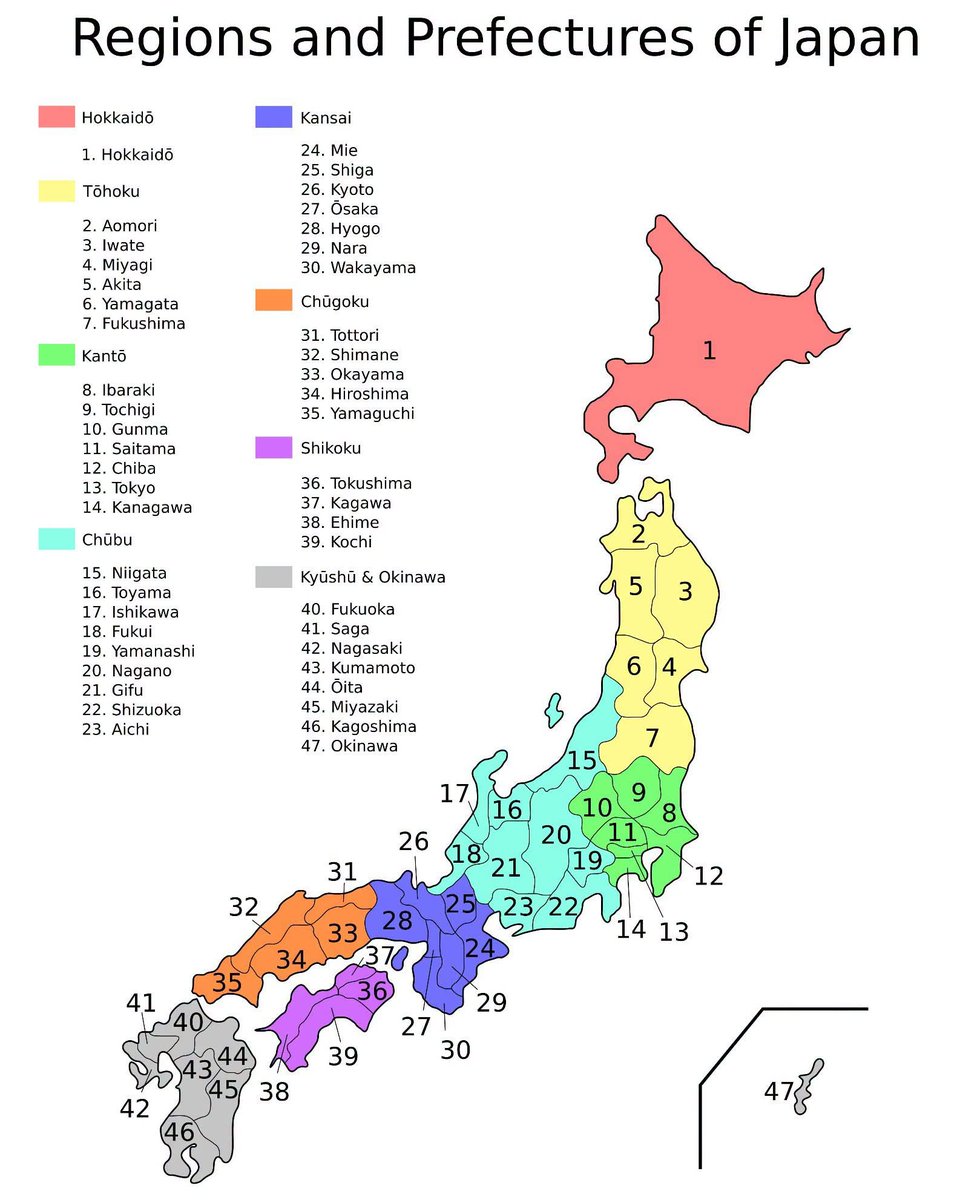
7. Japan — Low Wait Times, but Aging Population Increases Strain
Japan maintains impressively low wait times for primary care and specialist visits—often under a week—thanks to its efficient health infrastructure. However, the country faces an aging population that strains existing resources. The government is investing heavily in expanding elderly care services and integrating AI-driven diagnostics to manage future demands and prevent longer waits.
8. Brazil — Critical Need for System Overhaul
Brazil’s health care system continues to grapple with long wait times, especially in underfunded regions. Patients frequently wait over three months for specialist consultations and elective surgeries, highlighting a system in urgent need of reform. Recent initiatives aim to reduce these delays by increasing health funding, improving logistical coordination, and expanding community clinics, but progress remains slow.
9. India — Rapid Innovations, Yet Inequities Remain
India has seen rapid advancements in health care technology, including telemedicine and mobile health services, leading to significant reductions in wait times in urban centers. Patients in metropolitan areas now often wait less than a week for specialist appointments. Nonetheless, rural regions face persistent delays, sometimes exceeding a month for essential services. Addressing infrastructural inequities remains crucial to achieving nationwide improvements.
10. South Korea — Leading the Way in Short, Efficient Waits
South Korea continues to excel, with health care wait times averaging just a few days for specialists and urgent care. The country’s focus on healthcare automation, high resource availability, and seamless patient management systems contribute to these swift response times. The government’s proactive approach ensures that even during seasonal surges, hospitals maintain minimal delays.
In summary, while some countries have successfully reduced health care wait times through technological innovation, capacity expansion, and strategic planning, others still face significant delays that impact patient outcomes. Continued investment, policy reforms, and embracing digital health solutions remain essential to ensuring timely access for all.