Marketing channels, including content creators, distributors, and media outlets, have transformed into comprehensive infrastructure ecosystems to support Chinese brands expanding internationally, as artificial intelligence language models play a growing role in purchasing decisions and customer acquisition costs continue to rise.
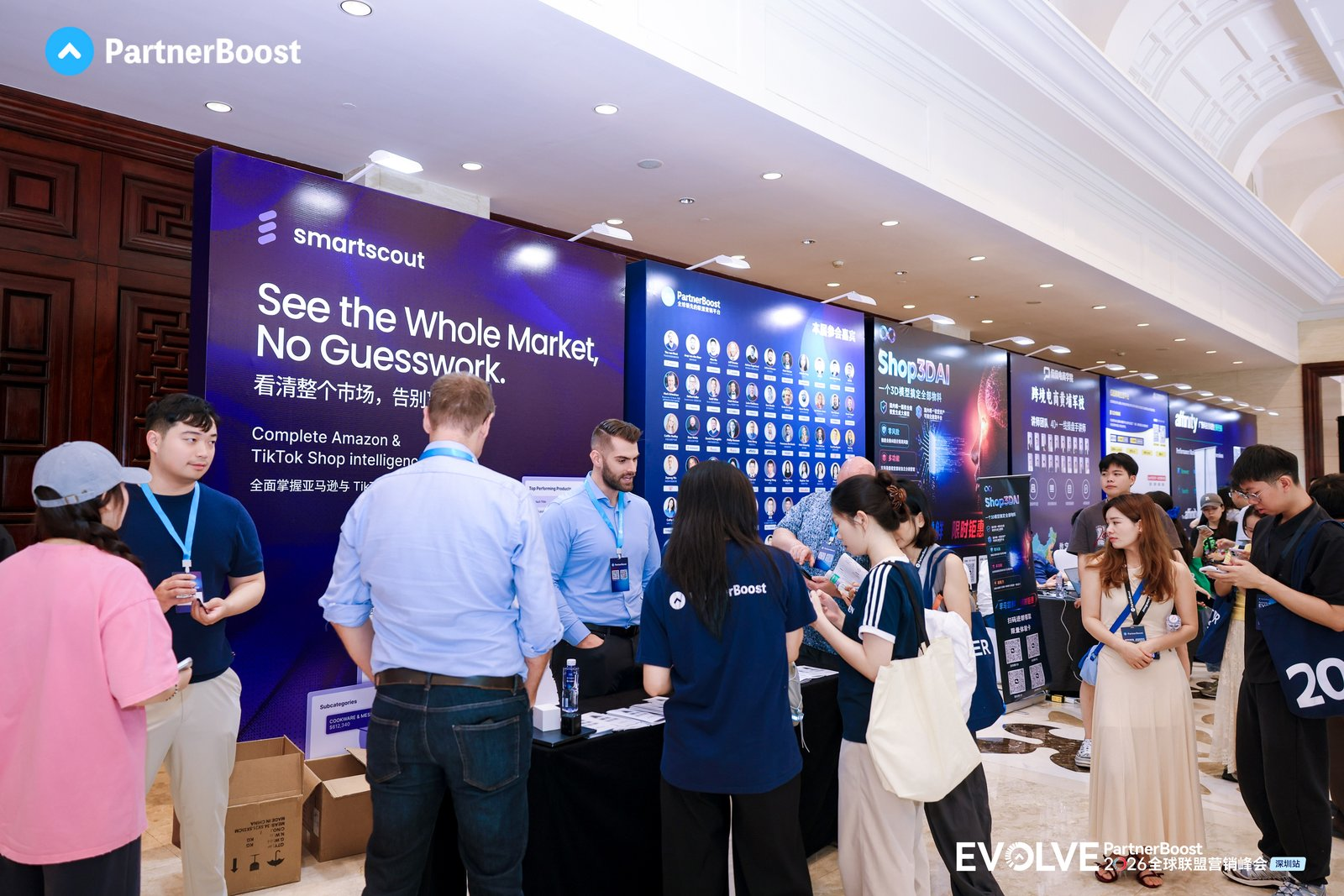
Companies venturing abroad now need to manage a diverse “partner portfolio” that includes distributors, content creators, authoritative media, discount and cashback platforms, and service providers—rather than relying on a single sales channel. Alan Gu, founder and CEO of a provider of full-spectrum software solutions and services, shared these insights at the 2026 PartnerBoost Evolve Summit held in Shenzhen on August 27-28, which attracted over 3,000 attendees.
The nature of relationships between brands and their ecosystem partners is undergoing a fundamental shift. Content creators are no longer viewed merely as “traffic sources” but as a “trust infrastructure,” explained Mark Grimshaw, EVP of Partnerships at Nomix Group. Nomix is a commerce tech firm focused on transforming digital interactions among brands, consumers, and publishers.
Affiliate ecosystems are not only key drivers of conversions but also sources of authentic market feedback and product insights that fuel development of new offerings. Representatives from Chinese smartphone manufacturer Blackview, children’s footwear brand Taranis, and smart home and pet tech company Neakasa highlighted during a roundtable that such ecosystems provide vital intelligence for innovation.
Generative AI is revolutionizing how consumers make purchasing decisions, with increasing numbers turning to large language models like ChatGPT, Claude, and Perplexity for shopping advice. As a result, brands are adjusting their marketing strategies—from traditional keyword search engine optimization to leveraging generative engines and seeking AI visibility.
These models primarily base their recommendations on media coverage, expert reviews, online forums, and professional creator content. Adrian Fagerlund, co-founder and CRO of a platform connecting e-commerce brands with premium publishers, noted that brands frequently discussed by reputable third parties are more prominently featured in AI responses. He added that conversion rates resulting from LLM-driven interactions are nine times higher than those from traditional SEO efforts.
Data from PartnerBoost reveals that by expanding coverage through high-quality affiliates and media, brands’ mentions in AI chatbot responses can increase from 18% to 43%.
AI is also transforming company operations globally. “Sellers don’t lack data; they lack answers,” stated the product head at SellerSprite, a comprehensive tool for product selection, market analysis, and keyword optimization for Amazon sellers. “AI is shifting from a tool that finds data to a solution that helps make decisions.”
At the summit, a strategic partnership was announced between the provider and Tencent Cloud. Tencent’s AI workplace platform, WorkBuddy, is gradually handling analysis and task execution to support teams expanding overseas, explained Zhai Kun, deputy GM of smart retail and life solutions at Tencent.
New AI capabilities unveiled at the event include the AI Center, which integrates AI across the entire marketing alliance process—from observation and insight to decision-making and action.
As content creation becomes more affordable, the oversaturation of information has made authenticity harder to verify. This shift is impacting how markets value companies expanding globally. With traffic no longer a guarantee of success, the criteria for competitive advantage are evolving from short-term sales growth to technological innovation, brand strength, and organizational structure on a global scale, according to venture capital firms at an investor roundtable.
External factors like tariffs and increasing costs emphasize the importance of emotional connections with overseas consumers. A senior marketing officer from a cross-border e-commerce firm emphasized that long-term brand value stems from communicating a premium price point, which helps buffer against risks.
Gu added, “Performance marketing and brand marketing are merging. A positive review can build credibility and directly boost sales.”
Traditional strengths—such as product quality, supply chain efficiency, and engineering prowess—are no longer enough to establish a competitive moat, Gu observed. The next competitive phase depends on whether companies can turn operational efficiency into global influence, shifting from industry followers to industry leaders shaping the rules.