الكاتب: جود المطيري

  • Apple Halts iPadOS 18 Update What You Need To Know

    Apple Halts iPadOS 18 Update What You Need To Know

    Updated on September 17 at 1:26 p.m. PT: Apple has officially halted the rollout of the iPadOS 18 update due to ongoing issues affecting certain devices. The company stated, "We have temporarily paused the iPadOS 18 update for M4 iPad Pro models as we address an issue that is impacting a small number of devices."

    Background Information:
    Just a day post-launch, iPadOS 18 is reportedly causing significant problems for some iPad users. Numerous complaints have emerged on platforms like Reddit and the Apple Discussions forum, specifically from users who found their devices unresponsive after attempting to install the update, which became available on September 16.

    The issues seem predominantly linked to the M4 iPad Pro models released this year, affecting both the 11-inch and 13-inch variants.

    Visual accounts from users depict devices that became nonfunctional after the update, leaving many in distress. While it’s still unclear if the bricking problem impacts users transitioning from the beta version to the stable release, it appears that even recovery mode attempts have yielded no success.

    One user expressed frustrations, stating, "Nothing works, not even recovery through my Mac. My device is completely bricked. This reflects poorly on Apple’s quality control. I’ve set up an appointment at my local Apple center and will share updates on my situation."

    Many other users reported that their devices remained sufficiently charged throughout the update process, with some even being connected to a power source at the time.

    Reports from Apple support suggest that some affected users have been promised replacement devices, whereas others have been informed that their iPads are beyond software recovery and await confirmation about replacements.

    Previous test builds had similarly troubled owners of iPads powered by M1 and M2 chips just months prior. Digital Trends has reached out to Apple for further comments and will provide updates accordingly.

    For M4 iPad Pro owners, it may be wise to postpone the update for a few days. Significant software updates can occasionally introduce unforeseen complications, and having a newly acquired device bricked is an extreme outcome.

    If your iPad Pro has encountered bricking issues, it’s prudent to contact Apple Support for assistance rather than attempting DIY repairs, as this could affect warranty coverage.
  • iOS 18 Adds Handy Charging Feature for Your iPhone Here’s How

    iOS 18 Adds Handy Charging Feature for Your iPhone Here’s How


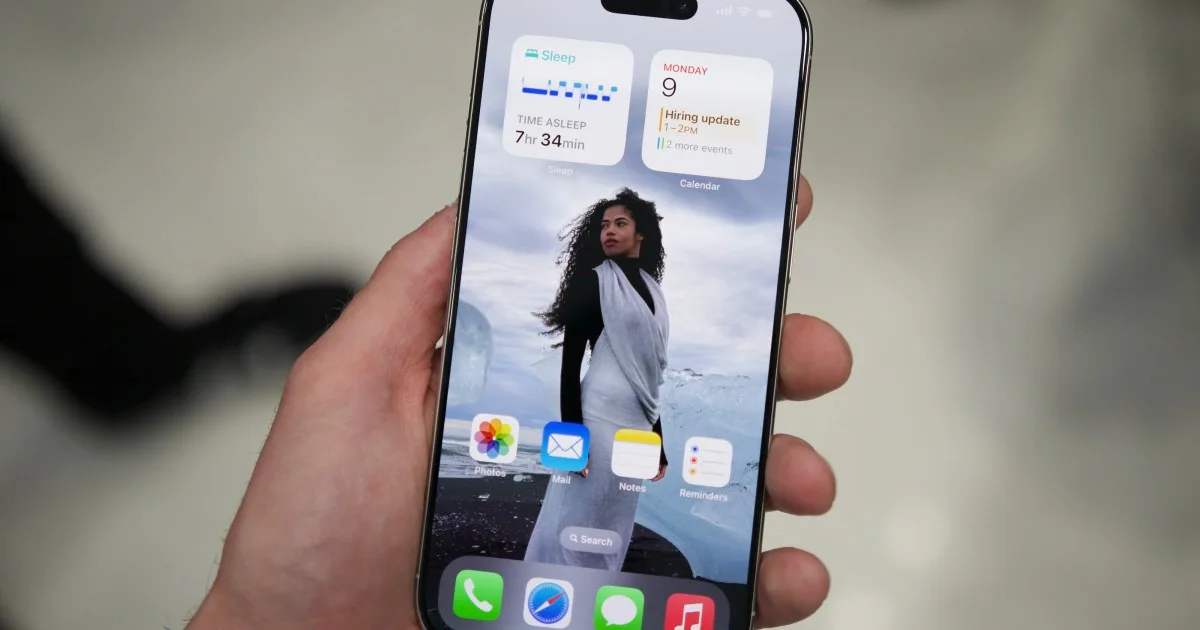
    With the rollout of iOS 18, users are discovering a range of new and intriguing features, including a helpful addition that notifies you when your iPhone is connected to a slow charger.

    If you’re like many people, there’s a good chance you have numerous old charging cables and adapters lying around your home. It’s easy to overlook the fact that some of these may be outdated and incapable of delivering fast charging, particularly if you charge your phone overnight.

    Accessing this feature is simple: just head over to the Settings app, select Battery, and you’ll receive alerts when a slow charger is detected. Not only that, but the battery usage graph will indicate this by switching to an orange hue instead of the typical green. However, the exact threshold for a charger to be classified as “slow” remains unclear.

    The iPhone 16 can utilize 25W MagSafe charging, and though Apple didn’t emphasize this detail during the launch, it has since been noted that it also supports 45W wired charging.

    Another subtle but significant update involves charging limits: Apple had previously imposed an 80% charge limit, but now users can choose settings for 85%, 90%, or even 95%. This flexibility is essential because consistently charging a battery to 100% can diminish its longevity more rapidly compared to maintaining a set limit. While 80% is usually recommended, this new option allows for more individualized charging preferences without reaching full capacity.

    Although this feature may not be revolutionary, it’s certainly a valuable enhancement that enables users to charge their devices efficiently, avoiding the frustration of watching the battery level rise slowly over time.

  • Audi RS E-Tron GT Performance Unveiled With 912 HP Electric Sedan

    Audi RS E-Tron GT Performance Unveiled With 912 HP Electric Sedan


    Audi’s lineup of high-performance vehicles has a storied history that includes iconic models like the rally-dominating Quattro and the V10-powered R8. However, the new RS E-Tron GT Performance surpasses all previous records, boasting an astounding 912 horsepower, making it the most powerful Audi ever constructed.

    Based on the RS E-Tron GT, which shares its platform with the Porsche Taycan, Audi’s engineers have enhanced the front electric motor and introduced a new, lighter rear electric motor to achieve the remarkable 912-horsepower output. It’s important to note that this immense power is only accessible temporarily when the launch control feature is activated. The enhancements also include a new chemistry for the 105-kilowatt-hour lithium-ion battery cells and an upgraded cooling system to optimize performance.

    Chassis upgrades feature a newly engineered air suspension system designed to help drivers fully utilize the increased power on winding roads. Despite the significant engineering changes, the Performance version maintains understated aesthetics without resorting to flamboyant features like oversized spoilers. One distinguishing element is the optional Carbon Camouflage trim, while the Bedford Green paint, developed exclusively for this model, adds a touch of exclusivity. Standard features include striking multi-spoke 20-inch wheels.

    With the RS E-Tron GT Performance, Audi makes a case for electric vehicles being more than silent machines. This model allows drivers to enjoy artificially generated sounds from 32 different audio sources including real recordings and synthesized sounds. Similar to a combustion engine, the auditory experience changes based on the vehicle’s speed and the accelerator position, although this feature can be turned off if desired.

    Available now, the 2025 Audi RS E-Tron GT Performance starts at a base price of 160,500 euros (approximately $178,500 currently) in Germany. While pricing details for the U.S. market are yet to be announced, an Audi representative confirmed that this model will be offered in the United States. For reference, the standard E-Tron GT has a starting price of $106,500, excluding optional incentives.

  • Eve Light Switch Now Supports Matter Without Hub Requirement

    Eve Light Switch Now Supports Matter Without Hub Requirement


    The Eve Light Switch with Matter installed on a wall.
    Eve

    Among our top choices for smart light switches is the Eve Light Switch, notable for its sleek aesthetics that simplify controlling your home lighting. The recent release of the Eve Light Switch with Matter adds even more appeal. First introduced last December, it’s now available for $50. Current users should note that the third-generation Eve Light Switch will also receive a Matter firmware update through the Eve app.

    With Matter support, the Eve Light Switch can interact with a wide range of smart home devices and can be controlled using diverse hub platforms. It also accepts voice commands from Alexa, Siri, or Google Assistant. This smart switch can replace either a single-pole or three-way switch, boasting a minimalist design that stands out in the market.

    If you’re using iOS 18 on an iPhone 15 Pro or newer, you can directly control the Eve Light Switch with Matter, eliminating the need for a hub connection. This is advantageous as it allows for on-device scheduling without the extra expense of a hub. However, for extended access to additional features, integrating a home hub will be beneficial.

    “Everything that comprises a smart light switch is encapsulated here: a timeless design, advanced Matter and Thread technology, and the flexibility to operate smartly or conventionally at any moment,” remarked Jerome Gackel, CEO of Eve.

    Here’s a detailed overview of the specifications for the Eve Light Switch with Matter:

    • Power: Input 120 VAC, 50/60Hz; min. 3 W; max. 1800W/15A (resistive); max. 600W/5A (incandescent/tungsten)
    • Wireless connection: Thread
    • Dimensions: 4.7 by 2.9 by 1.7 inches
    • Compatibility: Requires a neutral wire and can replace either a single-pole or three-way switch; meant for use with copper or copper-clad wiring in dry, indoor settings
    • Included in the package: Eve Light Switch, wall plate, mounting hardware

    The inclusion of Matter is a significant aspect of the Eve Light Switch, enhancing its future-proofing. This feature allows users to access the device through various platforms and hubs, making it especially advantageous when selling a property with these light switches, as the new owners can use their preferred apps or systems.

    The Eve Light Switch with Matter is now on the market, and if you own a third-generation switch, check for the available Matter update at no additional cost.

  • tvOS 18 Is Here: Reasons And Steps To Upgrade

    tvOS 18 Is Here: Reasons And Steps To Upgrade


    As of early 2024, tvOS 18 has been officially released for Apple TV users, boasting an array of exciting and practical features, particularly beneficial for subscribers of Apple TV+ and Apple Fitness+.

    This latest iteration of tvOS is compatible with all Apple TV 4K and Apple TV HD models, although certain enhancements are restricted to Apple TV 4K devices.

    The update introduces InSight, a feature that provides in-depth information about actors, characters, and music during live-action films and shows available on Apple TV+. Users familiar with Amazon Prime Video may recognize this as a comparable function to the X-ray feature.

    Additionally, tvOS 18 enhances the Enhance Dialogue feature, utilizing machine learning and advanced audio processing for improved vocal clarity. Subtitles now exhibit smart behaviors and will pop up at optimal moments, such as when you mute or rewind, or when the language in a film or show does not align with the language settings on your Apple TV.

    Apple TV is also known for its beautiful screen savers, and tvOS 18 introduces a new option called Portraits. However, this feature is exclusive to Apple TV 4K. Users can select their beloved photos—whether of friends, pets, breathtaking landscapes, or urban scenes—and display them alongside a stylized clock.

    Live Captions for FaceTime has been enhanced in tvOS 18, allowing viewers to read subtitles for what others are saying during FaceTime calls displayed on their TV. This feature is currently available in English in the United States and Canada.

    The Apple Fitness+ app has also been revamped with a fresh design in tvOS 18, featuring personalized workout and meditation recommendations, an improved search function, and upgraded awards tracking.

    Apple continues to position the Apple TV as a central control hub for its HomeKit features. The new updates in tvOS 18 include options introduced in iOS 18, such as guest access, allowing users to enable visitors with iPhones to control smart home devices like locks and garage doors. Users can also set up time-bound access for guests and keep a record of their activity.

    While not exclusive to Apple TV, the iOS 18 update enhances user experience by allowing guests to manage music playback from HomePod and HomePod mini using SharePlay with Apple Music. Furthermore, AirPlay now supports spatial audio when streaming from an iPhone or iPad to compatible audio equipment.

    It is worth noting that two promised features for tvOS 18—the ability to play movies and shows in 21:9 aspect ratio on projectors and new screen savers featuring characters like Snoopy—will become available later this year. Additionally, compatibility with robot vacuum cleaners for the Home app is also forthcoming.

    How to Upgrade

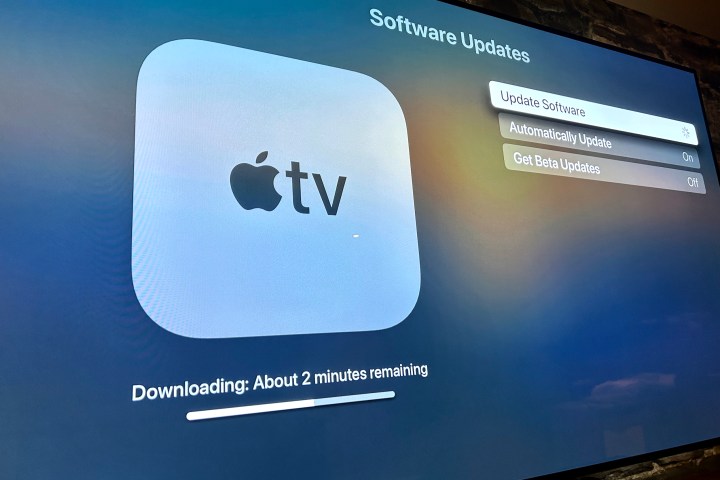
    Updating an Apple TV 4K to tvOS 18.
    Simon Cohen / Digital Trends

    If automatic updates are enabled, your compatible Apple TV will download and install tvOS 18 automatically in the coming days. However, if you want to access the new features immediately, follow these steps:

    1. On the Apple TV Home screen, navigate to the Settings app.
    2. Select System from the options provided.
    3. In the System menu, find and click on Software Updates.
    4. Click on Update Software, then select Download and Install when prompted.
    5. The download and installation process will commence, which may take up to 20 minutes.
    6. Once the update is complete, you will be given the option to Update Now or Update Later. Choose Update Now.
    7. The system will install the software, and your Apple TV will automatically restart. After the restart, you may be asked to agree to a new set of Terms of Service related to iCloud and other services.
  • Next Battlefield Takes Inspiration From Series Best Games

    Next Battlefield Takes Inspiration From Series Best Games

    The gaming community received an exciting glimpse of the forthcoming Battlefield installment on Monday, along with some intriguing details about what players can anticipate.

    In a conversation with IGN, Vince Zampella, the head of Respawn Entertainment and a key figure in the series, disclosed that the upcoming Battlefield title draws significant inspiration from Battlefield 3 and 4, particularly regarding its backdrop. Zampella emphasized that the game will take place in modern times, diverging from the futuristic setting seen in Battlefield 2042.

    “If you reflect on the height of Battlefield’s success, it lies within the Battlefield 3 and 4 era, characterized by its modernity. Our goal is to steer the franchise back to its roots and perfect that experience, then explore new directions from there. For many, including players and the development team, these were the glory days of Battlefield, though 1942 also holds that distinction.”

    While only a limited view was provided through concept art shared with IGN, it depicts scenes filled with smoke and flames against a backdrop reminiscent of a European city. The art hints at potential aerial and naval combat, showcasing helicopters and ships in the distance.

    This next chapter in the Battlefield series represents a considerable effort by EA, who has established a dedicated team within Motive Studio (known for the Dead Space remake) to focus solely on this title. Additionally, studios such as DICE, Criterion, and Ripple Effect (under Zampella’s supervision) are also contributing to the development. Zampella has yet to detail the specific elements that necessitate such extensive resources but emphasized that this installment will broaden the definition of what Battlefield can be.

    In response to the backlash surrounding Battlefield 2042, which was criticized for a myriad of technical issues upon its launch in 2021, EA is keen to realign the franchise’s direction. The previous title featured sprawling maps and a specialist system that many felt turned the gameplay too closely into a hero shooter experience. Despite these challenges, the game found some footing and maintained a loyal player base through a series of updates, although it took over six months for the first significant patch to arrive.

    For the upcoming game, the team seems committed to a more classic approach, reverting from the previous 128-player maps back to a 64-player format based on player feedback. This change aims to create more intimate and engaging rounds, reducing the feeling of aimlessly searching for opponents.

    “Did increasing the player count to 128 enhance the fun? No—just boosting numbers isn’t a meaningful metric,” said Zampella. “What matters is creating smaller, well-crafted play spaces. Some of the previous maps have been excellent, and I can’t wait for players to experience what’s coming.”

  • Crew Dragon To Fly With Empty Seats For The First Time

    Crew Dragon To Fly With Empty Seats For The First Time


    Nasa and SpaceX are gearing up for the Crew-9 mission, aiming to launch astronauts to the International Space Station (ISS) from Kennedy Space Center in Florida on September 25, Wednesday.

    This mission marks a notable shift, as it will be the first of SpaceX’s 13 crewed flights to the ISS since its inaugural launch in 2020, featuring two vacant seats in the Crew Dragon spacecraft. Understanding the reasoning behind this is quite interesting.

    Recently, media outlets have extensively reported on the situation of NASA astronauts Suni Williams and Butch Wilmore, who found themselves “stranded” at the ISS following their Boeing Starliner spacecraft’s complications during its first crewed journey back in June. Despite the challenges, the Starliner successfully docked with the ISS, allowing the astronauts to arrive at the station, albeit under unusual circumstances.

    After significant efforts to troubleshoot the issues with the Starliner, NASA opted to prioritize safety, resulting in an empty return trip for the spacecraft, which was successfully completed last weekend.

    This decision left Williams and Wilmore on the ISS far longer than initially planned, extending their ten-day mission to an unexpected eight-month stay. Their return will now coincide with the Crew Dragon flight set for next week.

    Originally, Crew-9 was intended to transport four astronauts, but two of them, Zena Cardman and Stephanie Wilson, have been informed that they will not be participating in this flight. Instead, NASA astronaut Nick Hague and Roscosmos astronaut Aleksandr Gorbunov will occupy two of the four seats available on the capsule.

    At the conclusion of their six-month mission, Hague and Gorbunov will return to Earth with Williams and Wilmore on the Crew Dragon, marking the end of one of the most remarkable—and unexpected—missions aboard the ISS.

  • Runway’s New Update Is Delivering Amazing Results

    Runway’s New Update Is Delivering Amazing Results


    Runway’s latest feature, unveiled on September 13, has generated quite a buzz in the creative community. This innovative video-to-video generation tool enables users to dramatically alter the visual aesthetics of existing video clips simply by using textual prompts.

    For a remarkable demonstration of its capabilities, check out the video below that showcases the transformative power of this technology.

    Runway Gen-3 Alpha just leveled up with Video-to-Video

    Now you can transform any video’s style using just text prompts at amazing quality.

    10 wild examples of what’s possible: pic.twitter.com/onh12zCzpI

    — Min Choi (@minchoi) September 15, 2024

    AI enthusiasts are creating stunning visual effects compatible with Apple’s Vision Pro headset. This suggests exciting possibilities for developers who utilize the recently announced API.

    On Monday, X user Cristóbal Valenzuela shared a quick video clip showcasing how Gen-3 integrates with Apple’s Vision Pro.

    Early experiments rendering Gen-3 on top of the Apple Vision Pro, made by @Nymarius_ pic.twitter.com/SiUNR0vX0G

    — Cristóbal Valenzuela (@c_valenzuelab) September 15, 2024

    The clip presents a modern office scene augmented with a visual overlay, transforming the space into a lush jungle ruin. While some viewers expressed skepticism about the video’s authenticity, it is reportedly a creation from a Runway employee.

    Content creator Cosmo Scharf shared similar effects, providing additional visual evidence for credibility.

    On the same day, Runway launched a new API designed to allow developers to integrate video generation features into various applications and devices. However, access is currently limited to select users. Interested developers can join a waitlist here. To participate, users must subscribe to either the Build or Enterprise plan. Once granted access, they’ll work with the Gen-3 Alpha Turbo model, which has slightly reduced capabilities compared to the main Gen-3 Alpha model.

    The service will cost one cent per generation credit, with a single second of video generation requiring five credits—resulting in a pricing model of five cents per second of video. Additionally, developers will need to display a “Powered by Runway” banner linking back to the company’s website in any application utilizing the API.

    As the video generation market gets busier—with players like Adobe’s Firefly, Meta’s Sora, Canva, and others entering the fray—Runway aims to distinguish itself by being among the first to provide its tools as an API. It remains to be seen whether this strategy will help the company offset significant training expenditures and lead to profitability.

  • Copilot Wave 2: Discover New AI Features To Try Out

    Copilot Wave 2: Discover New AI Features To Try Out

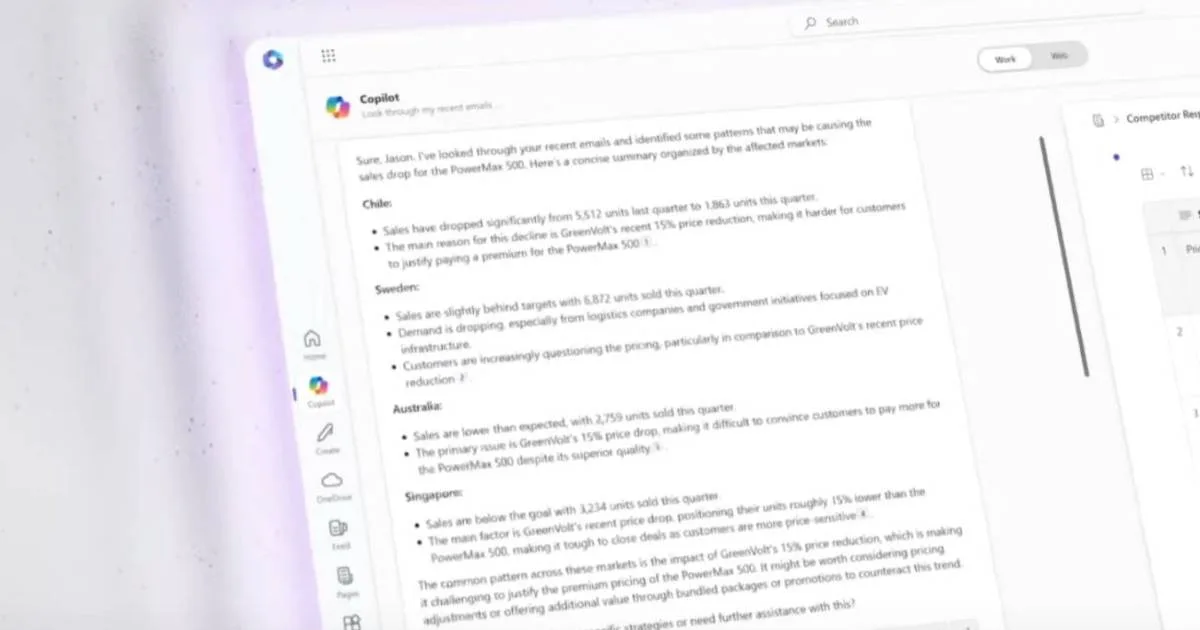
    Microsoft has unveiled an exciting update to its AI assistant, Copilot, referred to as “Wave 2.” This update enhances Copilot’s functionality across various widely used Office applications and introduces features specifically designed for businesses, including the innovative Copilot Pages.

    Let’s dive into Copilot Pages first. Described as a “dynamic, persistent canvas,” Pages facilitate “multiplayer” collaboration seamlessly integrated within Copilot. Microsoft aims to create a more productive environment by allowing users to accomplish tasks directly within Copilot without switching between applications.

    Microsoft 365 Copilot | Copilot Pages

    Copilot Pages acts as a convenient hub where you can extract content from Copilot and store it in an easily accessible format. It encourages collaboration since multiple users can join and edit the same Page simultaneously. While it may seem similar to existing features found in other applications, Microsoft sees it as a means to deepen user engagement with Copilot, a key component of their strategy for AI integration.

    Microsoft succinctly explains: “Pages transform temporary AI-generated content into something lasting, allowing for editing, additions, and sharing with others.”

    This addition to Copilot comes at no extra cost, but access requires a Microsoft Entra account. The rollout is scheduled for the upcoming weeks, although details regarding wider accessibility were not specified.

    Along with Pages, Microsoft is also implementing updates across Word, Excel, PowerPoint, Outlook, Teams, and OneDrive. While the changes aren’t sweeping, they encapsulate a broad enhancement across the board:

    • Word: Users will be able to easily reference data from the web alongside information from other apps, featuring a new “on-canvas” experience that prominently integrates Copilot.
    • Excel: Python is now operable within Copilot, enabling advanced analysis through natural language commands and improved handling of unformatted data. Additionally, new skills are being implemented for more adept Excel users, with Python in public preview.
    • PowerPoint: A feature called Narrative Builder allows users to create presentations based solely on prompts while customizing outlines and adhering to corporate branding via approved SharePoint graphics.
    • Teams: Copilot will take on an enhanced role by analyzing meeting transcripts and chats, letting users ask questions about missed content.
    • Outlook: The “Prioritize my inbox” feature organizes emails using AI, focusing on key communications and ongoing threads.
    • OneDrive: An AI-powered search function enables Copilot to discern and retrieve information from files more efficiently.

    Lastly, Microsoft is introducing Copilot agents and a corresponding agent builder tool, found within Copilot Studio. While not widely available to the general public, these agents can be tailored for large organizations to automate various tasks, ranging from simple prompts to complex autonomous actions.

    The potential capabilities of these agents are intriguing, though most users may not interact with them directly. However, as developers and large companies begin utilizing these AI agents, they have the potential to significantly transform workflows.

  • Amazon Urges Workers To Return To The Office

    Amazon Urges Workers To Return To The Office

    Amazon has announced that starting in January, its corporate employees will be required to return to the office full-time, shifting away from the hybrid work arrangement established during the pandemic.

    Since June 2023, employees at Amazon have been coming into the office three days a week. However, CEO Andy Jassy expressed in a recent statement that he believes that the benefits of in-person collaboration outweigh the current practices, leading to this decision to revert to a traditional office setting.

    In his communication, Jassy emphasized the vital role that in-office work plays in reinforcing company culture. He stated, “We’ve found that it’s much easier for our colleagues to learn from each other, collaborate effectively, and maintain strong connections when they are physically together.” He went on to discuss how the past 15 months of hybrid work have confirmed their belief in the advantages of being together in the office.

    Recognizing that some employees may have reorganized their lives to accommodate previous work-from-home arrangements, Jassy mentioned the January 2 deadline, allowing ample time for adjustments before the full-time mandate takes effect.

    Some employees have expressed dissatisfaction with this new directive through internal channels, with one describing the policy as “very disheartening and demotivating.” Another employee remarked that such measures could hinder Amazon’s aspiration to become “Earth’s best employer.”

    Employees who resist this change might find their career advancement prospects adversely affected, a sentiment that has been hinted at by Amazon previously.

    Meanwhile, other major tech companies, such as Apple, Microsoft, Google, and Meta, have adopted a more flexible approach, requiring their employees to work in the office just two to three days a week. It will be interesting to see whether Amazon’s decision to mandate a full-time return will influence these other firms to follow suit.

  • New macOS Sequoia Update Is Here—Install It Now

    New macOS Sequoia Update Is Here—Install It Now


    The recent launch of the macOS Sequoia update introduces some exciting new features including iPhone Mirroring, enhancements to Safari, window tiling, and a brand-new Passwords app for Mac. While this update does not include any Apple Intelligence functionalities at this moment, these features are set to be unveiled next month.

    Among the standout elements in this update is iPhone Mirroring, which streamlines the process of managing messages, notifications, and applications directly on your Mac. This feature addresses a common scenario: when you’re engaged with your computer, reaching for your phone can be disruptive. With iPhone Mirroring, you can interact with your iPhone as if it were an app on your Mac, keeping your workflow uninterrupted.

    It’s important to note that the functionality is still developing. Future enhancements will include features like drag-and-drop, which are expected later this year. Presently, however, iPhone Mirroring remains inaccessible in Europe, as attempts to use it yield a message stating, “iPhone Mirroring is not available in your country or region.” It’s hoped that Apple’s collaboration with the EU will resolve these limitations soon, allowing wider access to this feature along with the planned Apple Intelligence updates.

    Three app windows arranged on a screen using window tiling in macOS Sequoia.
    Digital Trends

    Additionally, the introduction of window tiling is a highly anticipated feature that has taken much longer to arrive than many users would have liked. For years, users have relied on third-party apps to replicate a functionality that has been standard on Windows and various popular Linux distributions.

    Safari is also getting an upgrade with the new Highlights feature, which aggregates important information from websites into a single, easily navigable location. This update comes with a revamped Reader view as well.

    As for the upcoming Apple Intelligence features, users can expect significant improvements to Siri, advancements in Private Cloud Compute, the introduction of Genmoji, enhanced Writing Tools, and more. Some of these features are already in beta testing, demonstrating promising capabilities, but fans are still eagerly awaiting their official rollout.

    Anticipation is building for an upcoming major M4 Mac launch, which is expected to showcase the powerful new capabilities of the updated Neural Engine, designed for superior on-device AI performance.

  • PlayStation Isn’t Leaving Consoles For PCs Anytime Soon

    PlayStation Isn’t Leaving Consoles For PCs Anytime Soon


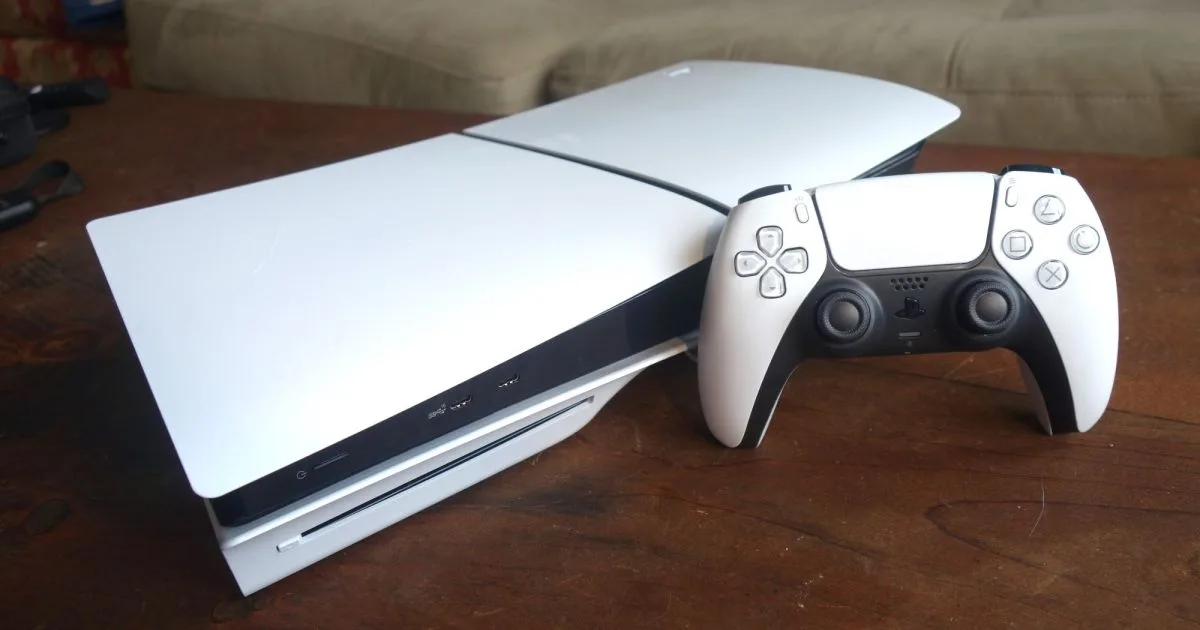
    A PS5 sits on a table with a DualSense standing next to it.
    Giovanni Colantonio / Digital Trends

    Sony has made significant strides in the PC gaming sector by releasing first-party PlayStation 5 titles on the platform, yet the company emphasizes that consoles will always remain at the heart of its operations.

    In a discussion with Nikkei, a prominent Japanese media outlet (reported by Video Games Chronicle), Hideaki Nishino, the head of Sony Interactive Entertainment’s Platform Business Group, asserted that while the company is committed to PC content, “there is no doubt” that its main focus will be on consoles.

    Nishino stated, “We aim to enhance our presence in the overall gaming market by developing PC content as well. While consoles will continue to be central to our business, expanding to other platforms allows us to connect with a broader customer base.”

    He also highlighted the advantages of consoles, including the simplicity of game installation and setup, as well as the inherent ease of purchasing games through dedicated stores.

    Nonetheless, Sony’s strategy for PC is ongoing. The company plans to launch its AAA single-player games on PlayStation first and subsequently on PC, while its live-service games, such as the successful *Helldivers 2* and the ambitious *Concord*, will debut on both PlayStation 5 and PC at the same time. According to Nishino, this approach is effective in attracting players on diverse platforms.

    Sony has also reaffirmed its commitment to console hardware, recently unveiling the PlayStation 5 Pro. This new model features enhanced specifications, including a more powerful GPU, and it is priced at $700, with pre-orders commencing on September 26 and the official launch set for November 7. It is designed for console enthusiasts seeking optimal performance, offered at a price lower than many high-end PC graphics cards.

    Nishino is one of the co-CEOs following the departure of former head Jim Ryan earlier this year, working alongside Hiroki Totoki, who leads SIE’s business group.

  • Flappy Bird Creator Rejects Remake Linked To Crypto

    Flappy Bird Creator Rejects Remake Linked To Crypto

    The original creator of Flappy Bird, Dong Nguyen, has publicly distanced himself from the newly announced mobile remake, which is linked to cryptocurrency projects.

    This recent announcement claimed to be the official revival of the beloved mobile game, featuring the classic gameplay alongside new single and multiplayer modes as well as characters. In a brief statement shared on X (previously Twitter), Nguyen clarified his non-involvement in the project, emphasizing, “I also don’t support crypto.”

    No, I have no related with their game. I did not sell anything.
    I also don’t support crypto.

    — Dong Nguyen (@dongatory) September 15, 2024

    Although the initial press release did not mention any direct link to Nguyen, the marketing materials for the new Flappy Bird suggest otherwise. The homepage states, “Just a decade ago, I was the talk of the town … Sadly, I had to leave the fame and spotlight behind to go home and find out who I really am.” It continues with references to working alongside “my predecessor” to facilitate its revival. This could refer to Nguyen or to Kek, the developer behind Piou Piou vs. Cactus, who is acknowledged as a spiritual predecessor of Flappy Bird.

    Concerns regarding cryptocurrency stem from a recent investigation by cybersecurity specialist Varun Biniwale, who identified questionable aspects of the new project in a post on his website. Biniwale revealed connections between Michael Roberts, the creative lead behind the new Flappy Bird, and 1208 Productions, a company affiliated with NFT projects and active in web3 since 2021. Although Roberts’ profile on X previously linked to 1208 Productions, it now redirects to the new game’s homepage. The official site for 1208 did not list any of its web3 or NFT initiatives at the time of this writing, although information about those projects may still be accessible through the Wayback Machine.

    Biniwale further examined the website’s metadata and discovered references suggesting plans to integrate the game with various cryptocurrency wallets and leaderboards that might involve crypto influencers.

    Nguyen first released Flappy Bird in mobile stores in 2013 but later removed it in 2014 due to concerns over its addictive nature. He conveyed to Forbes that it had “become an addictive product.” Since stepping away, developers have attempted to capitalize on its popularity by creating clones.

    Documentation from the U.S. Patent and Trademark Office reveals that Gametech Holdings LLC, named by Flappy Bird Foundation as the copyright holder, filed a trademark claim in 2023. Moreover, a company named Mobile Media Partners, registered at the same address as Gametech, attempted to trademark the name in early 2014, around the time the original Flappy Bird was taken offline. They purportedly acquired the name from Apple’s App Store, with the trademark eventually being registered in 2018.

    Another document from 2023 indicates that the current owner, Gametech, needed to utilize the trademark before March 27, 2024. It appears Nguyen filed an opposition in March 2024. However, Gametech’s legal team contended that Nguyen had not used the Flappy Bird name in a significant period and had publicly distanced himself from it. An exhibit cited the trademark registration from 2018, and since Nguyen failed to meet specific deadlines in the case, the challenge against Gametech was dismissed.

    The website dedicated to Flappy Bird claims that the project involved a protracted mission to secure legal rights over the game.

  • iPad Pro Faces Serious Competition Soon

    iPad Pro Faces Serious Competition Soon


    Apple’s iPad series currently leads the tablet sector, yet there are many impressive alternatives on the market. One such contender is the Huawei MatePad Pro 12.2, which is scheduled for a global launch this week.

    The MatePad Pro 12.2 aims to rival the 13-inch iPad Pro (M4) and iPad Air (M2) and boasts impressive specifications. It features a 12.2-inch dual-layer OLED screen with a 144Hz refresh rate and a peak brightness of 2,000 nits. With a 3:2 aspect ratio, the display offers a resolution of 2800 by 1840 pixels (275 PPI).

    Huawei is actively promoting this tablet, which initially debuted in China, across social media platforms in anticipation of its international release. The marketing campaign highlights its stunning Tandem OLED PaperMatte Display, which has garnered much attention.

    Let the Tandem OLED PaperMatte Display redefine what’s possible. Countdown to September 19. #HUAWEILaunch #CreationOfBeauty #HUAWEIMatePad pic.twitter.com/gOgXFiHJua

    — Huawei Mobile (@HuaweiMobile) September 16, 2024

    On the rear, the tablet features a 13-megapixel wide camera and an 8MP ultrawide camera, capable of recording videos in 4K at 30 frames per second. Additional features include LED flash, HDR, and panorama modes, while the front-facing camera has a resolution of 16MP and supports 1080p video at 30 fps.

    The MatePad Pro 12.2 is powered by a Kirin 9000S (7nm) processor and may come with up to 16GB of RAM, based on the storage variant selected. The available options include 256GB or 512GB (with 12GB of RAM) and a hefty 1TB option (with 16GB of RAM).

    Attention all painting enthusiasts, mark your calendars for September 19! #HUAWEIGoPaint

    — Huawei Mobile (@HuaweiMobile) September 13, 2024

    Additional features of the MatePad Pro 12.2 include a side-mounted fingerprint scanner, a 1010 mAh battery with support for 100W wired charging, and it operates on HarmonyOS 4.2. With a battery life expected to extend up to a full day, users will find it convenient for everyday use.

    A variety of accessories are available separately, including the Huawei M-Pencil and Smart Magnetic Keyboard, which enhance the user experience.

    Huawei MatePad Pro 12.2.
    Huawei

    In China, the starting price for the MatePad Pro 12.2 is set at CNY 4,299, which is roughly equivalent to $600. This price is significantly lower than the entry-level 13-inch iPad Pro (M4) by about $700, and also $200 less than the base model of the 13-inch iPad Air. While the global pricing has yet to be announced, the MatePad Pro 12.2 could indeed be an attractive option for budget-conscious consumers.

  • Intel Nearly Created The Chip For PlayStation 6

    Intel Nearly Created The Chip For PlayStation 6

    AMD has played a crucial role in powering Sony’s gaming consoles for the past two generations. However, a recent report reveals that Intel was in the running to create the chip for the yet-to-be-announced PlayStation 6. According to information from Reuters, there was a competitive bidding process between Intel and AMD for the contract, and ultimately, Intel did not secure the deal.

    The negotiations with Intel reportedly fell through due to disagreements over the profit margins from each chip sold to Sony. Discussions spanned several months in 2022 and involved high-level executives, including the CEOs of both companies, along with numerous engineers and decision-makers.

    In addition to financial concerns, compatibility issues also posed a challenge for Sony. Since previous consoles like the PS4 and PS5 utilize AMD technology, moving to Intel’s architecture could jeopardize backward compatibility, an important feature for console users. While compatibility between AMD and Intel isn’t typically a significant issue for PCs, it becomes far more critical in the tightly integrated ecosystem of game consoles, which operate on specialized software and their own distinct operating systems.

    Intel has faced a series of financial challenges recently, including reports of record-low revenue, leading to investor lawsuits and an announcement of job cuts amounting to about 15% of its workforce. The company also canceled plans for its 20A manufacturing node in favor of focusing resources on its 18A technology, for which it has secured contracts with major clients, including Microsoft and the U.S. Department of Defense. Losing out to AMD for the PS6 contract could have meant missing out on approximately $30 billion in potential revenue.

    While the bidding climate ultimately boiled down to a showdown between Intel and AMD, other firms like Broadcom were also considered for the PlayStation 6 partnership. In response to these developments, an Intel spokesperson expressed disagreement with the characterization of events but opted not to comment further on its current or potential negotiations with customers.

  • Speedy RAM Takes the Lead, DDR5-10000 Is On Its Way

    Speedy RAM Takes the Lead, DDR5-10000 Is On Its Way

    While top-tier RAM kits can achieve speeds up to 8,400 MT/s, many users find great performance with DDR5-6000 or even lower. Nonetheless, the trend is moving toward faster RAM, and we are quickly approaching five-digit speeds. Asgard, a brand known for its memory and storage solutions, has recently launched its DDR5-9600 RAM, claiming it to be the first consumer-grade memory to reach such impressive frequencies. Furthermore, they hinted at forthcoming DDR5-10000 RAM options.

    This new RAM from Asgard deviates from typical dual-in-line memory modules (DIMMs). Instead, it features clocked unbuffered DIMM (CUDIMM) technology, which may become standard for desktop RAM unless another standard like CAMM2 gains traction. High-speed operation poses challenges for maintaining signal integrity, and manufacturers mitigate these issues by incorporating a clock driver (CKD) chip. This CKD chip is responsible for managing the base clock signal, buffering and amplifying it before distributing it across the module.

    As highlighted by Tom’s Hardware, Asgard achieved the remarkable 9,600 MT/s speed by leveraging CUDIMM technology in conjunction with premium SK hynix DRAM integrated circuits (ICs). Only the highest-performing chips were selected for these kits due to the complexity of achieving such speeds. This performance places Asgard ahead of the recently released V-Color Xfinity DDR5-9200 RAM by an impressive 400 MT/s.

    Two Asgard THOR RAM kits.
    Asgard

    The newly launched RAM, named Asgard Thor, will come in two configurations: one featuring two 16GB modules and another with two 24GB modules. Both configurations operate at 1.50V, and regardless of the capacity, each boasts identical CL44-56-56-136-192 CAS timings. However, it’s worth noting that currently, the Asgard Thor series does not support RAM overclocking via AMD EXPO; only Intel XMP profiles are available. Users with AMD systems may still manage overclocking through manual BIOS adjustments.

    Details about the availability and pricing of these DDR5-9600 RAM kits remain vague. Similarly, the V-Color Xfinity’s release date is still pending. However, it seems logical for both brands to launch their products around the same time, especially with the impending introduction of Intel’s Arrow Lake processors.

    The advancements in RAM performance are intriguing, but the prospect of DDR5-10000 is particularly exciting. While speeds of 10,000 MT/s are not yet a reality, Asgard indicates that such kits are in development. Although the difference between 9,600 MT/s and 10,000 MT/s may not be significant for most consumers, achieving that frequency would indeed signify a pivotal moment in the world of consumer RAM.

  • Eufy Launches First Smart Lock With Matter Support

    Eufy Launches First Smart Lock With Matter Support

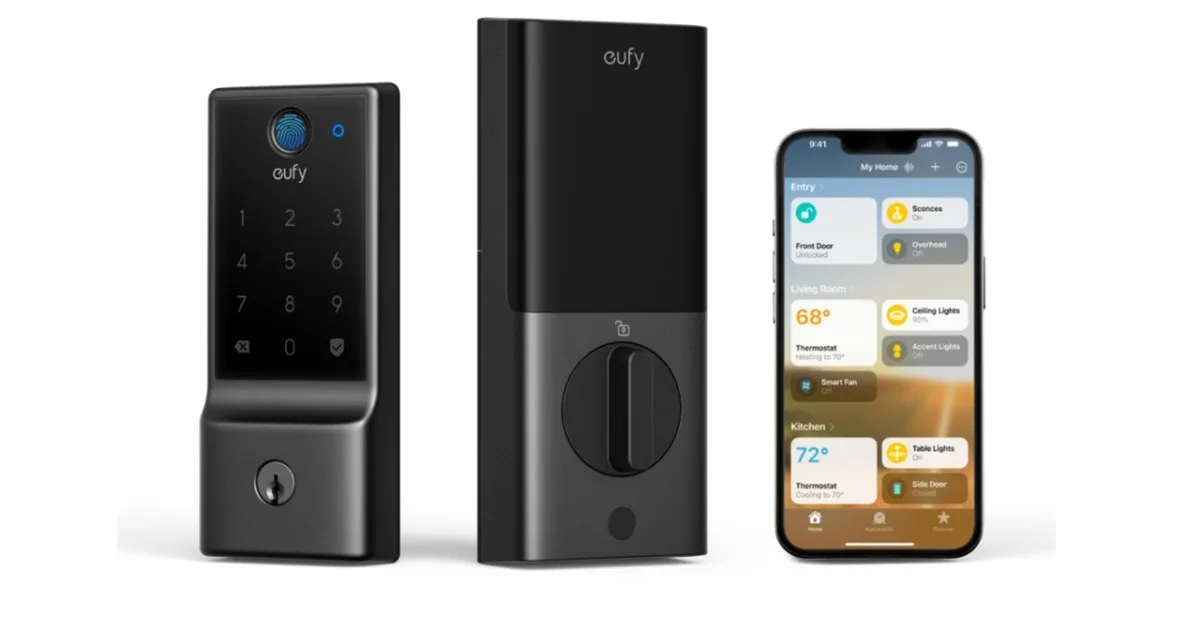
    The Eufy Smart Lock E30 has been officially launched by Eufy, a smart home brand under Anker. Priced at $170, it’s available for purchase through the Eufy store. This model is a significant addition to Eufy’s range of smart locks, complementing popular options like the Video Smart Lock S330 and Smart Lock S230.

    For those who enjoy integrating their smart home devices, the Smart Lock E30 stands out with its Matter compatibility. This feature allows it to connect seamlessly with hubs like Apple Home, Google Home, Samsung SmartThings, and Amazon Alexa, offering a level of flexibility that is often missing in other smart lock options.

    You can also manage the lock using the Eufy mobile app, which provides a range of customization options to enhance your experience.

    Apart from its Matter integration, there are several exciting features to note in the Eufy Smart Lock E30. The lock has a sleek design that includes a traditional keyhole and keypad, along with a fingerprint scanner that can recognize prints in just 0.3 seconds—ideal for quick access.

    Another convenient aspect is the provided remote control, enabling you to lock or unlock your door without moving from your seat. Remarkably, the lock can last up to eight months using just eight AA batteries.

    At a price of $170, the Eufy Smart Lock E30 offers great value, being more budget-friendly than high-end models like the Yale Assure Lock 2, yet packed with handy technology. This makes it a viable option for those looking to enhance their home security without overspending.

    For additional reassurance, Eufy offers an 18-month warranty on the electronic components and a three-year warranty on the mechanical aspects, ensuring reliable performance for years.