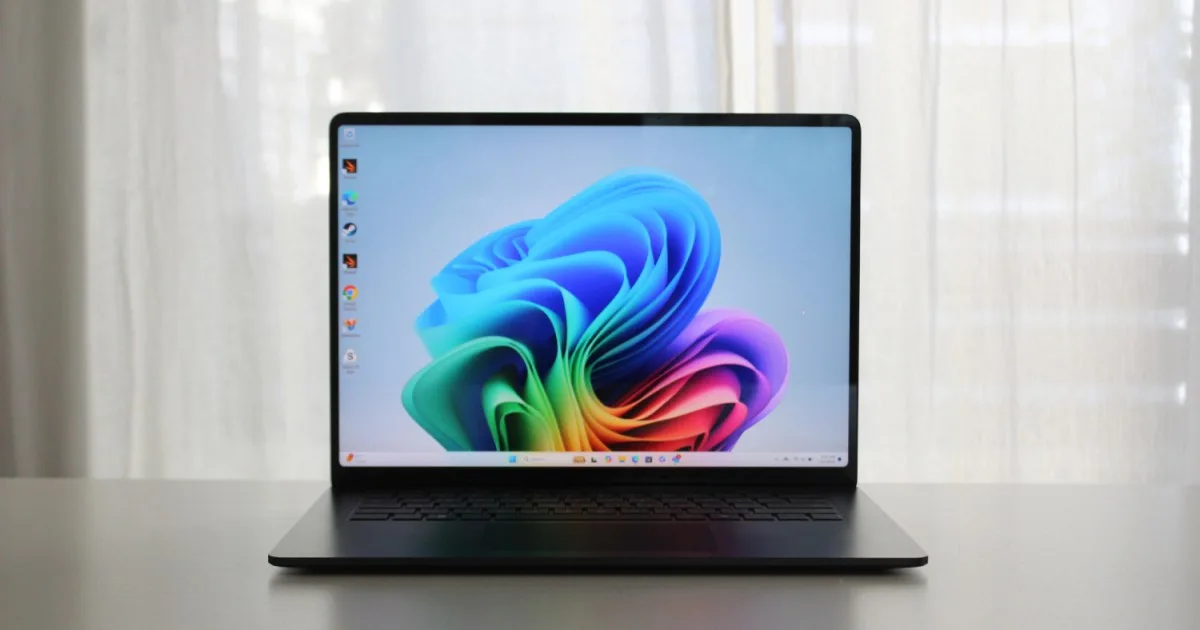
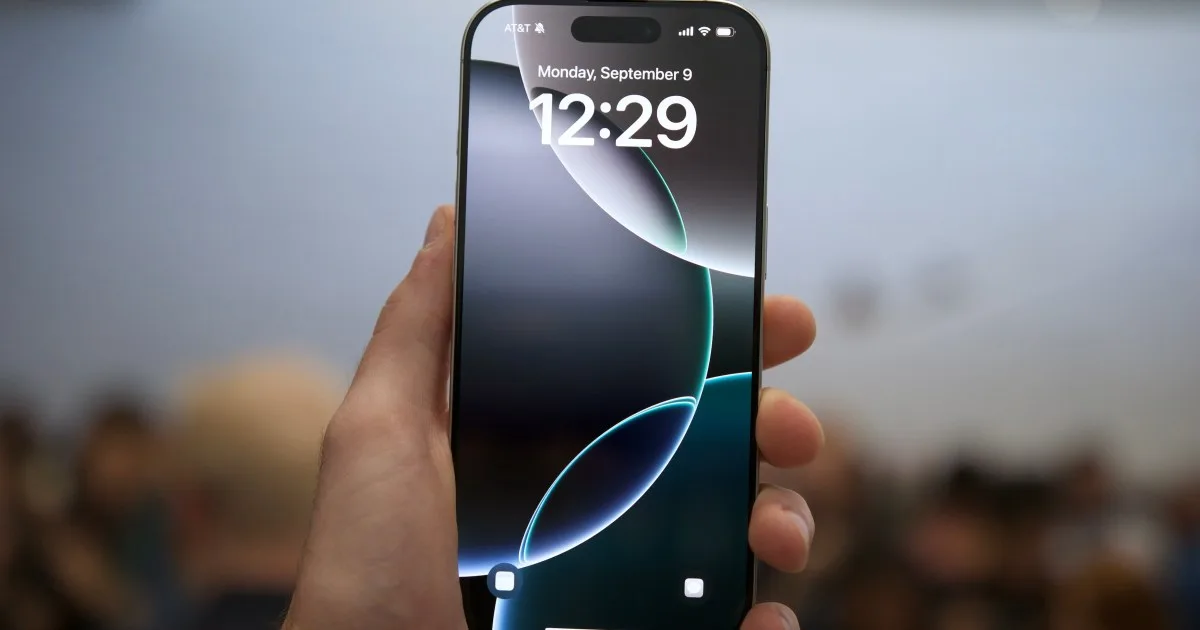
Microsoft has introduced a new Windows application designed for Mac that provides a seamless remote access experience. This application is also available for iOS, iPadOS, and web browsers, with an Android version currently being tested in public preview.
The Windows app allows users to stream their Windows environment via services like Windows 365, Azure Virtual Desktop, or Remote Desktop, all through a single interface.
Its features include a customizable home screen, support for multiple monitors, dynamic resolution adjustments, and peripheral redirection, allowing use of webcams and other devices. This app is intended for users already enrolled in services like Windows 365 and Azure Virtual Desktop, and is only accessible to individuals with Microsoft work or school accounts.
There are rumors that the cloud-oriented Windows 365 might eventually be made available for consumers, driven by Microsoft’s broader vision of transitioning Windows entirely to the cloud. This would mean that users’ Windows PCs would be hosted online rather than on their local devices, allowing access from anywhere while maintaining privacy. However, as of now, there are no definitive plans to offer this app to users with personal accounts.
For users managing multiple compatible services, this unified application simplifies access by providing a centralized platform where they can easily pin their favorite tools. Additionally, it includes an account-switching feature to facilitate smooth transitions between different accounts.
The app can be downloaded from the respective app stores or accessed directly through a web browser, eliminating the need for installation.
This week is turning out to be monumental for Apple enthusiasts. On Monday, Apple officially launched iOS 18, watchOS 11, and macOS 15 for the general public. Just one day later, sales will commence for the new iPhone 16 lineup, including the iPhone 16 Pro and the Apple Watch Series 10. To top it all off, Apple is starting to roll out its initial public betas featuring Apple Intelligence functionalities.
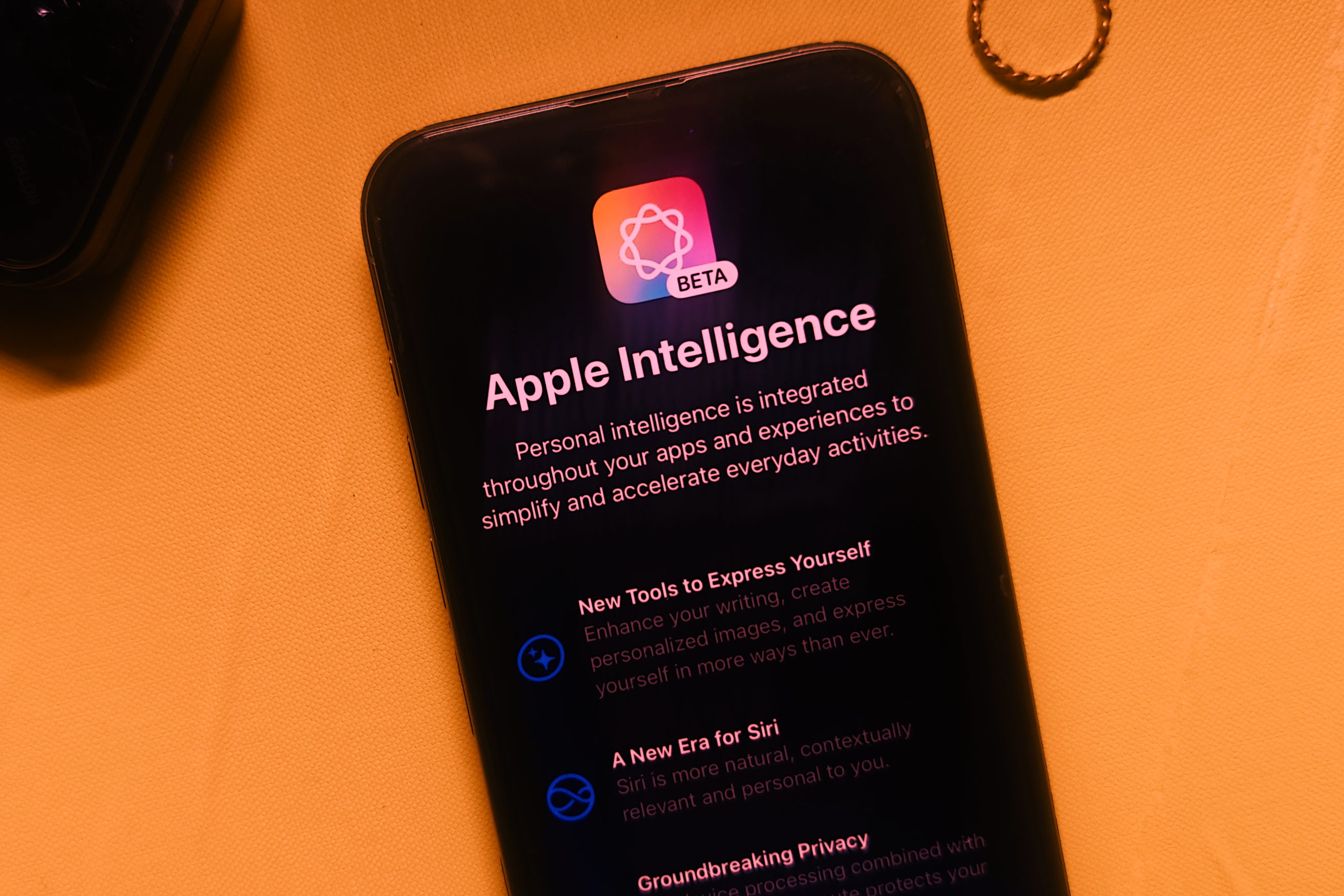
Beginning today, September 19, anyone can download the public betas for iOS 18.1, iPadOS 18.1, and macOS 15.1. A major highlight of these public betas is the inclusion of Apple Intelligence features, which were previously exclusive to developer betas for these software updates.
Although the official rollout of iOS 18.1, iPadOS 18.1, and macOS 15.1 isn’t scheduled until October, this is an ideal opportunity for those eager to test Apple Intelligence without the risks associated with a developer beta.
Nadeem Sarwar / Digital Trends
Once you download these latest public betas, you’ll gain access to an array of Apple Intelligence features, including:
Writing Tools
Enhanced Siri functionality
Natural language search, Clean Up tool, and the ability to create Memory Movies in the Photos app
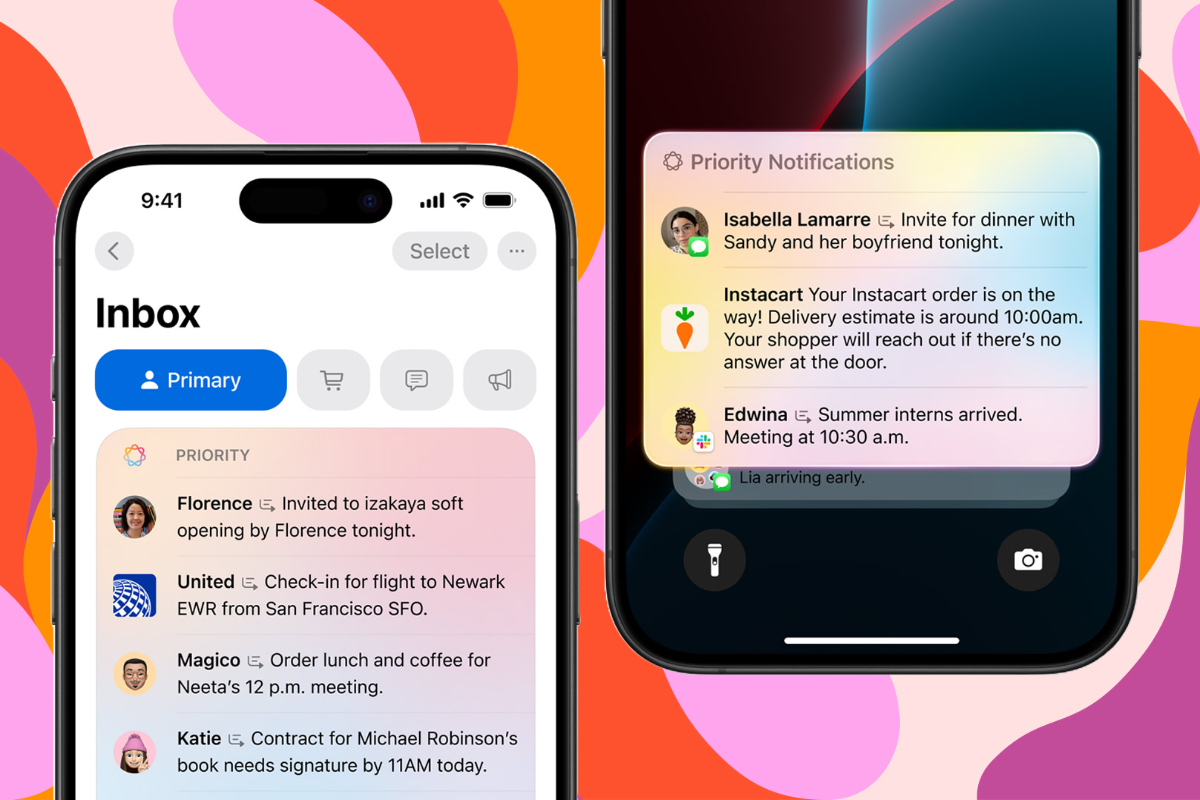
Priority messages, email summaries, and Smart Reply options in the Mail app
Message summaries and Smart Reply in the Messages app
Transcription summaries in the Phone and Notes apps
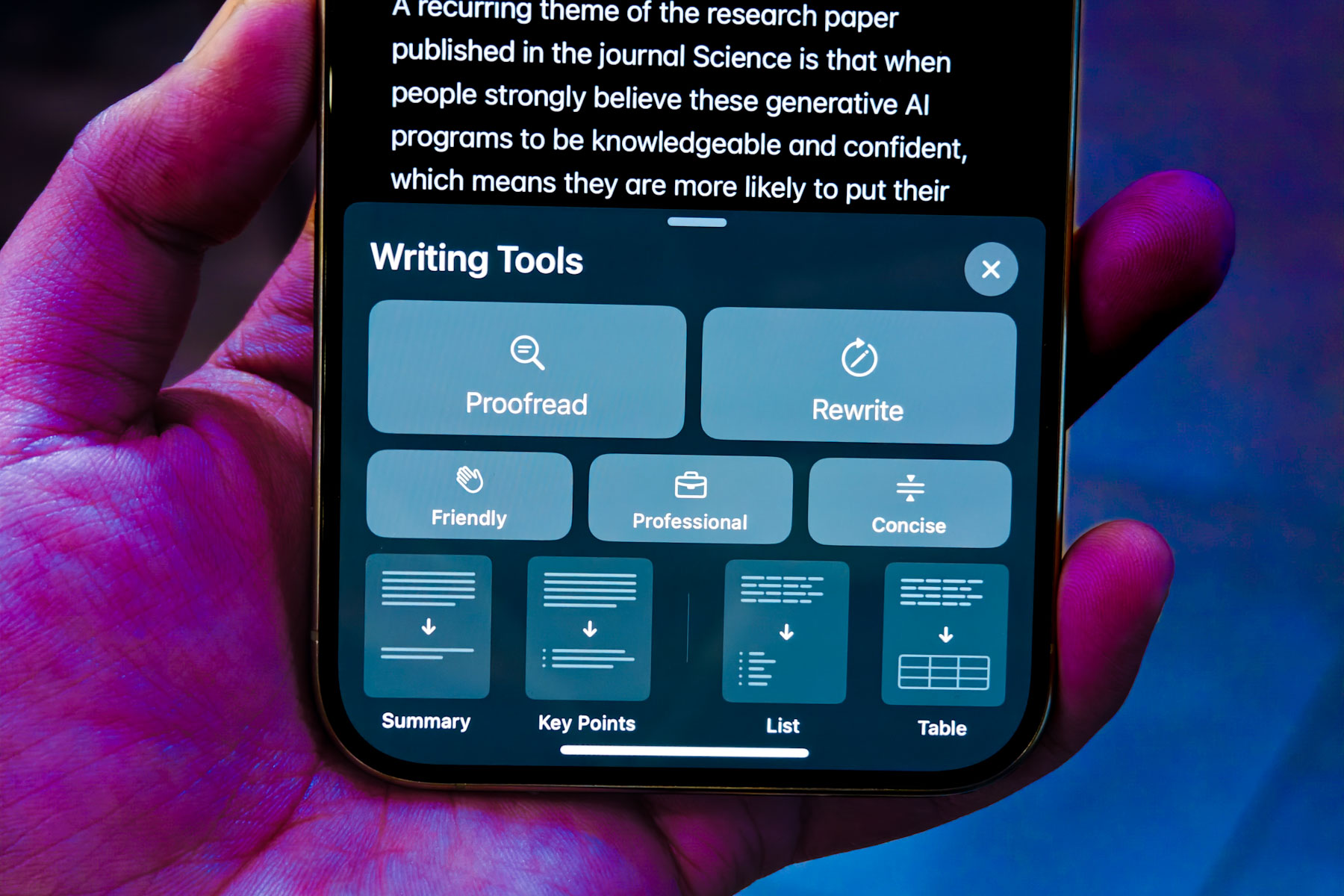
We previously tested Apple’s Writing Tools and found it to be a mixed bag. These tools can help you proofread and even rewrite your text in different tones—whether you want to sound friendlier, more professional, or concise. You can access Writing Tools through any app that has a text input field. For iPhone users, simply highlight your text, and in the context menu that appears, select the new Writing Tools option.
Nadeem Sarwar / Digital Trends
The improved Siri included in these public betas features a new design, the option to type your requests, and enhanced knowledge about Apple products. For instance, if you ask Siri, “How do I take a screen recording?” you’ll receive detailed, step-by-step guidance. Siri is also more adept at understanding commands when you misspeak or hesitate. For example, if you stipulate, “Siri, set an alarm for 5:30 … no, actually set an alarm for 6:30,” the assistant will more effectively interpret your request.
However, it’s worth noting that some anticipated features are absent from these public betas. Notably, the integration of ChatGPT with Siri is not included, nor are Siri’s personal context capabilities, which enable the assistant to reference your messages, calendar, and more.
Apple
Furthermore, tools for image creation, such as Image Playground and Genmoji, are not available at this time. The much-anticipated Priority Notifications feature is also notably absent. All these functionalities are expected to be rolled out sometime in the coming months or next year, without a specific timeline given.
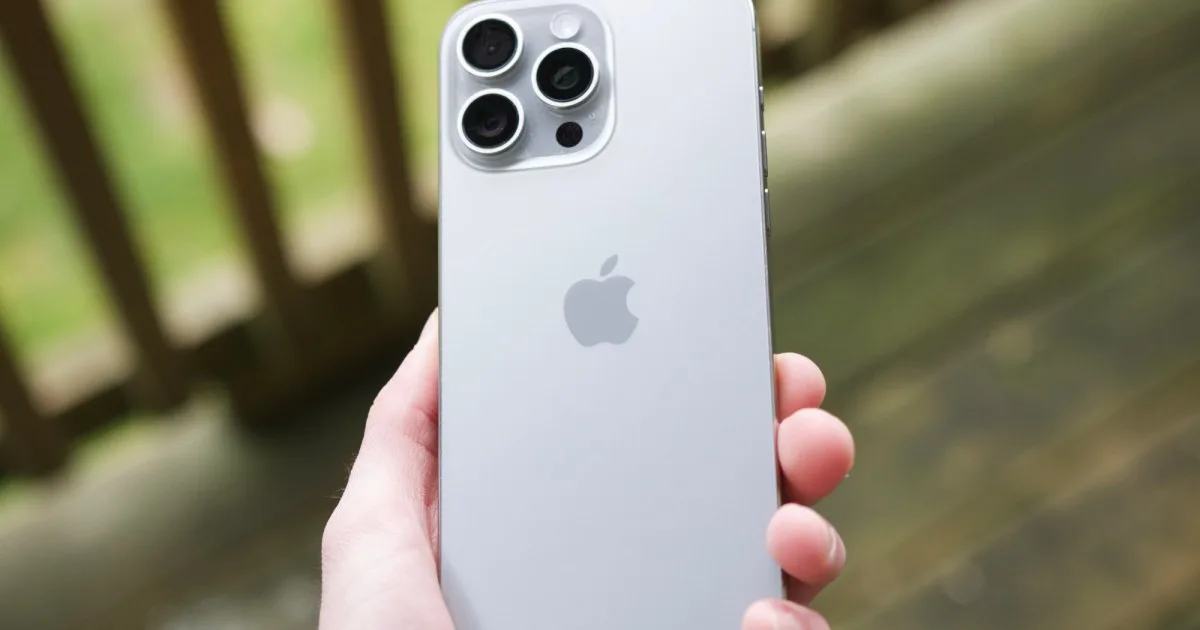
The Apple Intelligence features can be accessed on all models of the iPhone 16, iPhone 15 Pro, and iPhone 15 Pro Max. iPads equipped with an M1 chip or newer, as well as Macs with an M1 chip or later, can also utilize these features.
If you’re interested in downloading the public betas for iOS 18.1, iPadOS 18.1, or macOS 15.1, head over to the Apple Beta Software Program website, sign in with your Apple account, and follow the prompts. After installing the public beta, navigate to the Settings app, select Apple Intelligence & Siri, and tap on the Join the Apple Intelligence Waitlist button. You should receive access to Apple Intelligence features within a few hours, along with a notification to confirm that you’re able to use them.
Embarking on a road trip in an electric vehicle from General Motors has become significantly more convenient. The electric cars from Chevrolet, GMC, and Cadillac can now utilize Tesla’s Supercharger stations, though drivers will need to acquire an adapter before they can start charging.
This new compatibility brings access to over 17,800 additional charging stations across the country, easing the anxiety that often accompanies long-distance travel in electric vehicles. Tesla’s Supercharger stations are strategically situated throughout the United States, making them easily accessible. According to Tesla, a Supercharger can add up to 200 miles of range in just about 15 minutes, making these stops worthwhile.
However, simply arriving at a Supercharger with a model like the Chevrolet Bolt and plugging in won’t work right away. Due to differing charging port designs, General Motors owners must purchase a $225 adapter. This adapter will be available through a mobile app, which will also assist drivers in locating nearest Superchargers, checking their current status, and paying for power.
It appears that this adapter will be suitable for all electric vehicles manufactured by General Motors brands to date, including popular models like the GMC Hummer EV, Cadillac Lyriq, and Chevrolet Blazer EV. Plans are underway for GM to integrate a Supercharger-compatible port directly into their vehicles starting in 2025, eliminating the need for the adapter.
General Motors isn’t the only automaker to embrace Tesla’s North American Charging Standard (NACS). In a move towards greater customer convenience, several manufacturers such as Ford, Rivian, Honda, and Volvo are now allowing their vehicles to charge at Tesla’s Supercharger network, which was previously exclusive to Tesla owners. Additionally, Electrify America intends to incorporate Tesla’s NACS plug into its charging infrastructure.
There’s no denying that one of the key reasons MacBooks often rank among the top laptops is their impressive battery life, a hallmark of Apple’s devices. However, Intel may potentially take the lead with its new Lunar Lake mobile processors. A recent battery test conducted by Lenovo showed that its Yoga Slim 7i Aura Edition, equipped with the Core Ultra 7 258V processor, achieved an astounding 23 hours and 54 minutes during a local video playback test, outlasting both the M2 and M3 MacBooks by more than five hours.
This assertion is both ambitious and surprisingly ahead of schedule. Laptops with Intel’s latest processors are expected to hit the market on September 24, meaning reviews should emerge around that date. It appears Lenovo may have revealed some eager findings early, as they did not specify whether their test was conducted on a MacBook Air or MacBook Pro. Nevertheless, the results indicate a considerable advantage for the forthcoming Lunar Lake devices. The M2 MacBook recorded 18 hours and 19 minutes, while the M3 model fared slightly better with 18 hours and 32 minutes. However, both models fall short compared to Lenovo’s near-24-hour performance.
Notably, this level of battery efficiency also surpasses what we have seen with Copilot+ laptops featuring the Snapdragon X Elite chip, such as the Asus ProArt PZ13. In our video playback tests, this laptop managed 18 hours and 39 minutes, while the M3 MacBook Air achieved 19 hours and 39 minutes. The Dell XPS 13 9345 is the current leader with 22 hours and 9 minutes in similar tests, but Lenovo is asserting that its upcoming Lunar Lake models will exceed even that.
Battery longevity is crucial for the success of Intel’s next generation. The rollout of Copilot+ led to a notable surge in laptop sales, not necessarily due to new AI functionalities but largely because of enhanced battery life. While the initial Lunar Lake laptops won’t feature Copilot+, Microsoft has confirmed that support will arrive in November through free updates to Windows.
While it’s wise to await third-party evaluations, it’s reassuring that this is an official test from Lenovo, with all three laptops tested under equal conditions. Given how closely Lenovo’s findings align with our assessments, the prospect of 24-hour battery life in the upcoming Lunar Lake laptops seems plausible.
Intel’s advancement in battery performance is somewhat expected. The Lunar Lake architecture represents a significant departure from Intel’s traditional CPU designs, including outsourcing manufacturing to TSMC for the first time. These new chips forgo Intel’s long-standing Hyper-Threading feature to optimize battery usage, focusing on efficient cores as the primary performance drivers. These fundamental shifts could have significant ramifications for battery life.
The pressing question remains: can Intel maintain robust performance levels while achieving this remarkable battery efficiency? The Lunar Lake processors max out at eight cores, which could pose challenges for heavily threaded applications. We will need to wait until the September 24 launch to find out for ourselves.
In the United States, there’s an impressive range of smartphones available. However, many budget-friendly options that offer great value remain elusive to consumers, particularly those in other regions. A prime example is the Infinix Zero 40 5G, which serves as a reminder of robust low- to midrange devices that often don’t make it to the Western market. This phone could easily give the Google Pixel 8a a run for its money.
With a price tag ranging from about $335 to $370 based on its configuration, the Infinix Zero 40 5G is a compelling choice compared to the Pixel 8a, which is currently priced at $399 on sale. One unique feature this phone introduces is its GoPro mode, allowing users to manage their cameras effortlessly while traveling.
When it comes to specifications, the Infinix Zero 40 5G holds its own. It sports a 6.78-inch AMOLED display with a stunning 144Hz refresh rate, ensuring smooth visuals. Plus, it comes in three attractive colors: Violet Garden (a lovely pink), Moving Titanium (a sleek silver), and Rock Black (which is exactly what it sounds like).
On the flip side, the Pixel 8a has a smaller 6.1-inch display with a maximum refresh rate of 120Hz but edges out the Zero 40 5G in brightness, reaching a maximum of 2,000 nits compared to the Infinix’s 1,300 nits.
Support is another area where the Pixel 8a leads; Infinix’s device is set to receive two major Android updates over three years, while Google promises an impressive seven years of support for its Pixel devices.
Infinix Zero 40 5GInfinix
For photography enthusiasts, the Infinix Zero 40 5G features a fantastic 50MP front camera that can shoot 4K video at 60 frames per second. The rear camera boasts a triple setup with an impressive 108MP primary sensor, complemented by a 50MP ultra-wide camera and a 2MP depth sensor.
The phone includes a standard 5,000mAh battery along with quick charging capabilities at 45W and reverse wired charging support at 10W, making it a practical choice for daily use.
This isn’t Infinix’s first impressive offering; the earlier launched Infinix GT 20 Pro established itself as a remarkable budget gaming phone, and the Infinix Note 40 Pro+ made waves with its detailed charging controls.
Regrettably, there’s no indication that the Infinix Zero 40 5G will be available in the U.S. market. It’s always exciting to explore the smartphone innovations emerging from different parts of the globe, and this model stands as an excellent example of what consumers are missing out on.
After years of waiting, Electronic Arts announced that its new Skate game is hitting early access in 2025.
The official Skate account on X (formerly Twitter) revealed the news on Tuesday, saying that the team is “incredible stoked” about the early access release, and that there will be more news over the next few months.
we're incredibly stoked to announce that skate. will be launching in Early Access in 2025. we'll share more details on what to expect in the coming months. pic.twitter.com/ZbFL3WycWu
This is a huge step forward for Skate, the next title in the long-dormant skateboarding game series. The franchise has been on hiatus since 2010. Despite Skate 3 being the best entry in the series, to the point where the publisher had to re-print copies in 2014 because of increased demand, EA said it had no plans to make Skate 4 in 2017.
EA announced that a new Skate game was in development back in 2020 during its EA Play presentation, although game director Deran Chung — who also worked on the original Skate games — clarified that it was in very early stages. Updates have been sparse over the years, with a few trailers and behind-the-scenes videos here and there. It was also unclear if this was a Skate 4, a reboot, or something else entirely.
Developer Full Circle revealed in 2022 that the game — stylized as skate. — would be a free-to-play title with microtransactions, and will take place in a new city called San Vansterdam (related of course to San Vanelona, the city from previous entries). The team called it an “authentic evolution” of the series, and that its live-service nature will allow them to update it for years to come. They also promised that there won’t be any pay-to-win microtransactions or loot boxes.
According to a seemingly premature post on the Entertainment Software Rating Board (ESRB) website, Sony appears to have additional remasters in the pipeline. The beloved open-world title, Horizon Zero Dawn, developed by Guerilla Games and originally released in 2017, is set to receive a remastered version.
The ESRB listing indicates that Horizon Zero Dawn Remastered will carry over the original’s rating of T for Teen, which covers content such as blood, drug references, language, mild sexual themes, and violence. This new version has been rated for both PlayStation 5 and PC platforms. Unfortunately, the description provided does not offer any new insights beyond what was shared about the original.
While there has been no official announcement regarding this remaster yet, the appearance of an ESRB rating often heralds an impending reveal. PlayStation has been revamping many titles from its first-party library, even remastering games that are still fully functional on current consoles, such as The Last of Us Part 2 Remastered released earlier this year.
Although Horizon Zero Dawn initially launched on PlayStation 4, it wasn’t long before it received a patch for PlayStation 5 that enhanced frame rates and introduced 4K checkerboard resolution, which raises questions about the necessity for a remaster.
The sequel, Horizon Forbidden West, debuted in 2022, and speculation about a third installment is already circulating. Meanwhile, Guerilla Games is also developing Lego Horizon Adventures, revealed during the Summer Game Fest 2024. This family-friendly adaptation of the postapocalyptic franchise aims to simplify gameplay by removing some of the more intricate crafting elements and violence typical of the series. It will be available on PS5, PC, and notably, Nintendo Switch—marking a significant cross-platform release for a first-party Sony title.
YouTube has unveiled an exciting new suite of AI-driven tools for content creators, announced at their Made on YouTube event in New York City. One standout feature allows users to produce a complete six-second YouTube Shorts video simply by entering a text prompt.
This innovative functionality is made possible through the integration of Google Deep Mind’s Veo video generation model into YouTube Shorts. Designed to rival platforms such as OpenAI’s Sora, Runway’s Gen-3 Alpha, Adobe’s Firefly, and Kuaishou Technology’s Kling, Veo is capable of creating six-second clips in 1080p resolution. Creators can choose from a wide array of cinematic styles and themes.
The addition of Veo enhances YouTube’s existing AI-based “Dream Screen,” which was first introduced in 2023. This feature allows creators to generate backgrounds for their projects. Users can now enter a text prompt in Dream Screen to generate four image options, from which they can animate one using Veo. Content produced through this process will bear a watermark from Google’s SynthID system. However, previous studies have suggested that these visual identifiers can be easily bypassed.
Alongside Veo, Google announced the introduction of digital “jewels” that viewers can gift to live-streamers, mirroring the “gifts” feature popularized by TikTok. The first trials of this feature will take place during vertical livestreams in the U.S. Additionally, the company has expanded its automatic dubbing capabilities to include several new languages, such as French, Italian, Portuguese, and Spanish, while also making Community hubs accessible to a broader range of channels.
Another intriguing development allows creators to utilize AI for brainstorming video ideas directly within YouTube Studio. The Inspiration tab, which has been in beta testing, will not only propose topics but also generate titles, thumbnails, and initial dialogue automatically. These new functionalities aim to simplify the content creation process, making it more accessible for creators and enhancing YouTube’s competitive edge against platforms like TikTok.
DJI has officially unveiled the Neo, its most compact drone to date, along with a brief video showcasing its standout features. You can find this informative video at the top of the page.
If you’re unable to view the video at the moment, here’s a quick overview of this new “micro drone.” The Neo, highlighted by Digital Trends as one of the top innovations at the recent IFA tech fair in Berlin, is priced at $200, making it DJI’s most accessible drone yet.
Weighing just 0.3 pounds (or 135 grams) and equipped with four rotor guards, the Neo is designed for secure takeoffs and landings right from your hand. This ensures that even someone like Enrique Iglesias could successfully catch it with ease!
The drone boasts a flight duration of approximately 18 minutes per charge—significantly less than larger models such as the Air 3, which can fly for up to 46 minutes. Despite its compact size, the Neo features a camera capable of recording stunning 4K video and taking 12-megapixel photos using a 1/2-inch image sensor.
With several autonomous flight options to keep subjects in view, users can operate the Neo directly via their smartphones, eliminating the need for an additional remote. However, for those who already possess one of DJI’s controllers, compatibility is available.
DJI executive Ferdinand Wolf expressed their vision: “The DJI Neo aims to deliver cutting-edge technology in a compact form, enabling users to effortlessly capture and cherish their everyday moments.”
The price for the DJI Neo is set at $199, with a Combo package available for $289. Preorders are currently open in the U.S., with shipping expected to start in October.
Paramount is in the early stages of developing a crossover film featuring both Transformers and G.I. Joe.
During the promotional event for the animated feature Transformers One, producer Lorenzo di Bonaventura shared insights with Collider about the upcoming live-action project. He highlighted that a significant aspect of this collaboration will be finding the right balance between the characters from both franchises within a single film.
“It’s going to be a complex challenge,” remarked di Bonaventura. “The biggest hurdle with franchise films is managing a multitude of characters. The more characters you include, the tougher it becomes to develop them effectively.” He elaborated, “We are currently evaluating a substantial lineup of Joes and Transformers, along with some regular human characters. The focus right now is figuring out how to weave these elements together. The key lies in determining how many Joes versus Transformers we want to feature.”
‘Transformers’ and ‘G.I. Joe’ Crossover Movie Receives Significant Update from Producer [Exclusive] https://t.co/31vC3rgpQx
The recent Transformers film, Rise of the Beasts, hinted at a forthcoming collaboration with G.I. Joe, culminating in a scene where Noah Diaz (played by Anthony Ramos) receives an invitation from Agent Burke (Michael Kelly) to join the covert G.I. Joe organization.
Paramount made an official announcement regarding an untitled Transformers x G.I. Joe project at CinemaCon 2024. The screenplay is being crafted by Derek Connolly, known for his work on the Jurassic World series. As of now, a director has not been assigned to the film. Lorenzo di Bonaventura, along with Mark Vahradian, Michael Bay, Tom DeSanto, and Don Murphy, are onboard as producers, with Steven Spielberg and Hasbro Entertainment as executive producers.
In a report from May, Deadline indicated that Chris Hemsworth is in discussions to star in the Transformers x G.I. Joe crossover. Currently, Hemsworth voices Optimus Prime in Transformers One, set for release on September 20, 2024.
As it stands, there is no confirmed release date for the Transformers x G.I. Joe crossover film.
Ubisoft recently hosted an XDebrief to share exciting updates about its competitive shooter, XDefiant. The developers announced the upcoming addition of a new faction inspired by Far Cry New Dawn, along with private match capabilities and other enhancements.
Starting with a new season, XDefiant plans to introduce a fresh faction during its inaugural year. This time, players can anticipate the arrival of the Highwaymen, who are drawn from the adversaries of Far Cry: New Dawn — a post-apocalyptic spin-off of the popular series launched in 2019. Additionally, the new map for Season 2, named Waterfront, is themed around Far Cry: New Dawn. This marks the second Far Cry faction to join the game, following the inclusion of Libertad from Far Cry 6 at launch. True to the game’s design, the Highwaymen come equipped with three distinct abilities that players can utilize during matches.
The Highwaymen pack a punch with an M79 grenade launcher that unleashes explosive grenades upon their foes, paired with an automated Scrap Turret that can be deployed in combat. Their Ultra ability, the Saw Launcher, fires sawblade projectiles that ricochet off surfaces. A unique passive ability further enhances their gameplay by increasing fire and reload rates with each kill, positioning the Highwaymen as the most aggressive faction introduced in XDefiant thus far.
In addition to the new faction, Season 2 is set to roll out a revamped battle pass and introduce three new weapons: the powerful PP-19 submachine gun, the lightweight L86 LSW light machine gun, and the semi-automatic SPAS-12 shotgun. The popular Bomb mode — a six-round format reminiscent of attack-and-defend shooters like Counter-Strike 2, Valorant, and Spectre Divide — will also be available in casual playlists, with Ubisoft gathering player feedback to potentially integrate it into Ranked mode.
Furthermore, the upcoming season will include private matches, although initially in a beta version. This feature will enable players to create custom games tailored for them and their friends, allowing adjustments to the map, mode, rank status, lobby capacity, and team size. New maps named Signal and Air & Space will be introduced during Season 2 as well, raising the total map count to 20.
XDefiant is a free-to-play title available on PC, PlayStation 5, and Xbox Series X/S. Season 2 is set to commence on September 24; however, PC players will have an opportunity to preview the new content for a three-hour window on September 20.
As we approach the official launch of the latest iPhones, the buzz is palpable with the first reviews of the iPhone 16 and iPhone 16 Pro series now surfacing. Whether you’re already counting down the days to your new phone or still considering your options, these insights can heighten your excitement. Let’s look at some key points from the reviews.
iPhone 16/iPhone 16 Plus
This year’s standard iPhone range dazzles with stunning new colors and introduces an innovative Camera Control that aligns with its Pro siblings. For the first time, the phones incorporate an Action Button. Additionally, the iPhone 16 and 16 Plus boast the new A18 chipset, enhanced RAM, macro photography capabilities, improved battery life, and more.
According to The Verge, the iPhone 16 is “fully up to speed” with its “dependable camera and flexible photographic styles” along with the “useful” Action Button. However, the absence of Apple Intelligence, which was expected to launch with this series, will instead roll out in future updates of iOS 18. The site also pointed out that the persistent 60Hz refresh rate on the entry-level models remains a drawback and described Camera Control as a “mixed bag.”
TechRadar hailed the Camera Control as a “transformative feature” that will appeal to creators. It also praised the Action Button as a “great addition,” while noting the strength of the A18 chip and the selection of new colors. Nonetheless, similar to The Verge, TechRadar criticized the lack of a refresh rate upgrade for the less expensive models and felt that the iPhone 16 does not significantly outshine the iPhone 15.
CNET lauded the Camera Control, especially its compact interface, finding it “entertaining to explore.” They also appreciated the Ultrawide camera’s performance in low-light conditions and the new Photographic Styles across the iPhone 16 series. On the downside, they criticized the absence of an always-on display and the lack of enhancements in wired charging speed.
iPhone 16 Pro/iPhone 16 Pro Max
Now, let’s dive into what reviewers are saying about the iPhone 16 Pro and iPhone 16 Pro Max.
Engadget highlighted the rapid camera performance and high-quality video recording capabilities of both models. The customizable features introduced with iOS 18 and the new Photographic Styles were met with praise. Nevertheless, Engadget noted the iPhone 16 Pro’s somewhat limited battery life, while the Pro Max scored high on this aspect. They also pointed out that Camera Control, while promising, still requires improvements.
In a review by Wired, the Pro models received a solid 8/10 rating. The review commended their outstanding performance and battery longevity. New camera functionalities were seen as both enjoyable and beneficial, along with faster wireless charging options and additional features in the Photos app on iOS 18. However, the delay in Apple Intelligence was mentioned, as well as questions about whether the iPhone 16 Pro Max’s expansive 6.9-inch display might be excessive.
CNBC also applauded the enhanced battery life of the iPhone 16 Pro Max and both models’ excellent camera systems, particularly the new Camera Control feature. Special mention was made of the 48MP wide-angle lens in the Pro model for delivering clearer images in wide shots. However, as with other reviews, the absence of Apple Intelligence drew criticism, and the slight difference in display size wasn’t deemed significant compared to last year’s models.
Initial impressions suggest that users will appreciate the Camera Control feature, benefit from the improved battery performance of the iPhone 16 Pro Max, and enjoy the updates offered by iOS 18 on the latest models. Nonetheless, the missing Apple Intelligence suggests these devices still have areas for enhancement, leaving the overall assessment of all four phones in suspense.
Sonos enthusiasts might be feeling a bit underwhelmed as the company works to resolve issues stemming from its May app update. However, excitement is brewing over the anticipated release of the Sonos Arc Ultra. Recently, high-quality images of this upcoming Dolby Atmos flagship soundbar emerged on X (formerly Twitter) on September 17, showing a design similar to previously leaked, lower-resolution photos.
The individual behind the leak, known as Arsène Lupin (@MysteryLupin), named after the famous fictional French burglar, has consistently shared accurate leaked images in recent months, adding credibility to these recent Sonos revelations.
In the images, you can also spot another impending product, the Sonos Sub 4, which appears to mirror the current third-generation Sub, but sports a fresh matte finish.
Arsène Lupin / X
Though Sonos hasn’t officially acknowledged the Arc Ultra, there have been reports suggesting it was inadvertently listed on the company’s website before being quickly removed. A report earlier this year by Bloomberg described a new soundbar under the code name “Lasso,” which is said to improve upon the existing Sonos Arc. Sources refer to the advanced technology behind this product as stemming from Dutch audio firm Mayht, acquired by Sonos in 2022.
The leaked photos depict a soundbar that closely resembles the existing Sonos Arc but appears slightly larger and features new top-mounted controls alongside a rectangular rear module that serves as the speaker base. This design allows the sides of the soundbar to seem to float when mounted on a surface.
Another image illustrates how the soundbar would appear when wall-mounted, accompanied by two Sonos Sub 4 units.
According to Lupin, the expected price for the Sonos Arc Ultra is $999, which reflects a $100 increase over the current Arc’s cost. However, Chris Welch from The Verge speculates it could be even higher, potentially reaching $1,199, a figure that aligns with the previous accidental listing on Sonos’s site.
As for when the Sonos Arc Ultra will be released, it might be soon. That said, it would be unwise for Sonos to introduce a new soundbar—or any fresh product—while still dealing with significant issues related to their app. Customer dissatisfaction stemming from the problematic update lingers, and any new product announcements could be met with skepticism. This isn’t the ideal environment companies aim to cultivate for a product launch.
In recent months, images created or altered by artificial intelligence have increasingly dominated Google search results. This trend has made it challenging for users to locate genuine content. To address this issue, Google announced on Tuesday that it would soon start labeling search results that feature AI-generated or AI-modified images.
This labeling will be visible through the “About this image” feature and will be implemented across Google Search, Google Lens, and the Circle to Search function on Android devices. Additionally, the tech giant plans to incorporate this labeling in its advertising services and is exploring similar identification methods for YouTube videos, with further updates expected later this year.
Digital Trends
To identify these AI-generated images, Google will use metadata from the Coalition for Content Provenance and Authenticity (C2PA). Earlier this year, the company joined C2PA as a steering committee member. This metadata will help trace the origin of images, detailing when and where they were created, as well as the tools and software used in their production.
Several leading companies have affiliated with C2PA, including Amazon, Microsoft, OpenAI, and Adobe. However, there has been limited participation from hardware manufacturers, with only a few models from Sony and Leica currently supporting the standard. Some notable AI generation tool developers, such as Black Forest Labs—known for the Flux model utilized by Grok—have opted not to adopt this standard.
The rise of online scams employing AI-generated deepfakes has surged dramatically over the past couple of years. In one instance from February, a financier in Hong Kong fell prey to a scheme in which scammers impersonated the company’s CFO during a video call, leading to a loss of $25 million. Furthermore, a study conducted in May by verification provider Sumsub revealed a staggering 245% increase in scams involving deepfakes globally between 2023 and 2024, with U.S. cases rising by 303%.
David Fairman, the chief information officer and chief security officer of APAC at Netskope, noted in May that “the public accessibility of these services has lowered the barrier for cybercriminals,” adding that they no longer need advanced technological skills to execute these scams.
Nearing the conclusion of his six-month stint aboard the International Space Station (ISS), NASA astronaut Matthew Dominick has revealed a stunning time-lapse video capturing Earth from space.
The mesmerizing footage features a large portion of Asia illuminated during nighttime, as the ISS orbited approximately 250 miles above the planet. Dominick’s video showcases vivid flashes of lightning across vast regions, together with radiant city lights and colorful glows from fishing vessels below. He calls the sight of fishing boats at night “one of my favorite things to see from the ISS.” However, he also identifies a mysterious bright red light, the origins of which he remains uncertain about.
Timelapse traveling Northeast over Southeast Asia.
In order of appearance: * Countless lightning strikes * Colored lights from fishing boats – one of my favorite views from the ISS * The contrast of city lights on the Korean Peninsula * Red lights north of… pic.twitter.com/vN5VnCKirb
Following the release of this captivating clip, some viewers speculated that the red light might signify volcanic activity, while others suggested it could be associated with commercial squid fishing boats that utilize bright red illumination to draw in their catch.
One commenter noted, “Those red lights come from a massive fishing fleet east of Hokkaido,” indicating that the visual patterns appear in similar night views captured by the SuomiNPP satellite.
Throughout his six months in orbit, Dominick has shared breathtaking images not only of Earth but also of celestial phenomena and the interior of the ISS itself. As SpaceX’s Crew-9 mission approaches next month, Dominick and the other Crew-8 members are set to return home in October.
While many will miss the incredible visual experiences provided by Dominick, fellow astronaut Don Pettit, who recently joined the station, is known for capturing impressive imagery. Space enthusiasts eagerly await what he will produce in the following months. Just recently, Pettit documented a remarkable moment of SpaceX’s Polaris Dawn spacecraft re-entering Earth’s atmosphere after an impressive five-day mission.
A member of the SpaceX Polaris Dawn mission recently shared his experiences aboard the Crew Dragon spacecraft as it re-entered Earth’s atmosphere and made a thrilling descent back home over the past weekend.
Scott Poteet, part of the Polaris Dawn crew, reflected on an awe-inspiring image taken by NASA astronaut Don Pettit from the International Space Station (ISS). The photograph captured the Crew Dragon during its swift descent, concluding a remarkable five-day journey that marked the first-ever privately sponsored spacewalk.
“The plasma was absolutely blinding,” Poteet shared in a social media update on Tuesday. “It started with a purple and pink glow and transformed into brilliant flickering flames. This spectacle continued throughout the blackout period for a solid eight minutes — a vision I’ll never forget.”
During re-entry, temperatures surrounding the spacecraft soar to extreme levels, causing the air molecules to ionize and create an electrically charged plasma enveloping the vehicle. The crew can glimpse this stunning sight through their windows, assuming they are brave enough to open their eyes amid the exhilarating experience.
In a reply to Poteet, fellow astronaut Matthew Dominick, stationed aboard the ISS, expressed his excitement about witnessing the Crew Dragon from afar. He noted, “It was incredible to scan the horizon from our ship looking for another spacecraft and then to spot yours racing through the atmosphere.” Dominick added, “We all saw you without any aid. We were moving southeast from Arkansas to Florida while you were heading northeast from the Yucatán Peninsula to Florida. It was a spectacular sight from our vantage point.”
Pettit captured his breathtaking photograph of the Crew Dragon from the Cupola, a module with seven windows that provides expansive views of Earth and space. “Along with the colorful entry trail over Florida, you can also make out the distinct shape of the Dragon capsule,” Pettit explained, noting that he took the shot with a Nikon Z9 camera equipped with a 200mm lens.
In a recent update, Windows Latest highlighted a new support document from Microsoft that confirms the addition of native Ahead of Time (AOT) support to the Windows App SDK. Microsoft asserts that this enhancement could significantly enhance app launch times on Windows 11. Their testing reveals that the start times could be reduced by up to 50%, with package sizes shrinking by nearly eight times.
The Windows App SDK is designed to assist developers in utilizing traditional desktop app frameworks while gaining access to contemporary APIs applicable across a variety of Windows devices.
Despite these advancements, apps developed through this SDK—whether created by Microsoft or third-party developers—often suffer from slow launch times. Users have observed sluggish animations and delays in responsiveness. For instance, the Windows Photos app has been so slow to start that Microsoft resorted to executing it in the background as a temporary fix.
Looking ahead, the introduction of native AOT is poised to alleviate some of these issues. This technology compiles applications into native code beforehand, allowing the system to bypass the process of translating the developer’s code while the app runs. With this reduction in workload, applications should launch more swiftly and consume less memory.
According to Microsoft’s blog, the update is touted as an “incredible performance boost.” However, the true extent of its effectiveness will only be realized over time. For the AOT benefits to be truly advantageous, developers will need to update their applications accordingly, and this transition will likely happen at varied paces across the development landscape. Consequently, the performance improvements will almost certainly differ from one application to another.
While Microsoft presents this update as an exciting new development, it also acknowledges that current Windows 11 applications are not performing optimally. It’s crucial to understand that improvements won’t be immediate and that users should not expect instant enhancements in performance.