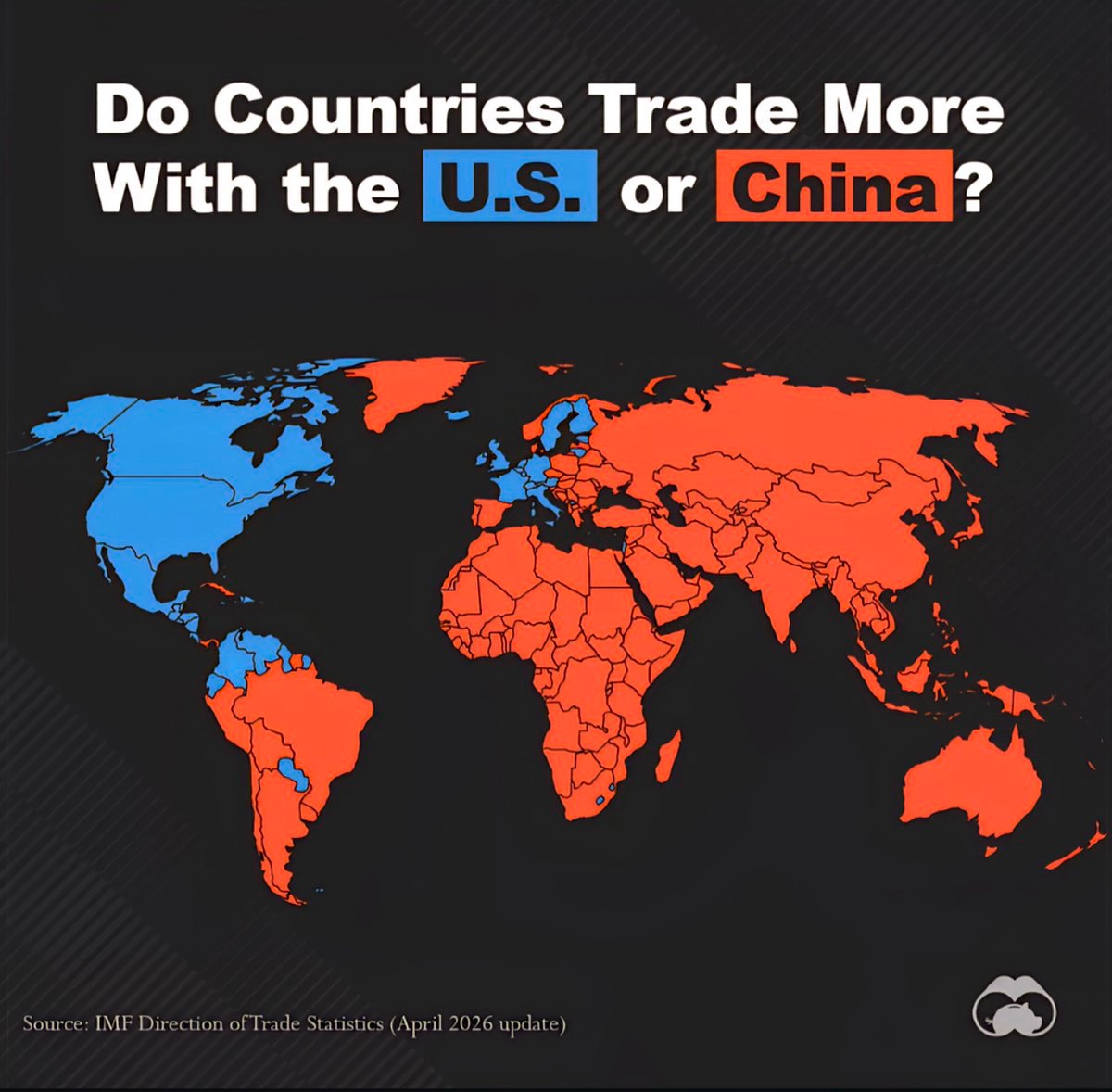
Do Countries Trade More With the U.S. or China? 🇺🇸 👊 🇨🇳
1. The Global Trade Powerhouses in 2025
In 2025, the United States and China continue to dominate international trade, but the landscape is shifting. While China has maintained its reputation as the world’s manufacturing hub, the U.S. has solidified its position as a leading consumer market and technology innovator. The question remains: which country does the rest of the world trade more with — the U.S. or China?
2. China’s Expanding Trade Network
China’s relentless push to expand its global trade footprint is evident. Official data reveals that China’s total trade volume in 2025 has reached approximately $6.8 trillion, a slight increase from previous years. Its exports continue to thrive, driven by manufacturing, electronics, and infrastructure investments in Asia, Africa, and Latin America.
China’s Belt and Road Initiative (BRI) remains a pivotal strategy, strengthening trade links with over 100 countries. Major participating nations include emerging economies in Southeast Asia, Africa, and South America, where Chinese investments in roads, ports, and energy projects cement their economic ties.
3. The United States’ Trade Strategy
Meanwhile, the U.S. has shifted focus toward securing its technological edge and maintaining high-value trade relationships. In 2025, U.S. trade volume surpassed $4.7 trillion. The United States continues to lead in sectors like aerospace, technology, and agriculture, reinforcing its global economic influence.
Trade agreements such as the USMCA and partnerships with the European Union have helped bolster exports. The U.S. has also been aggressive in leveraging technology sanctions and tariffs as strategic tools, especially in relation to China’s expanding influence.
4. Who Do Countries Trade More With?
When looking at individual countries’ trade profiles, China generally maintains larger trade volumes globally. Many nations prefer trading with China due to its competitive manufacturing costs and vast supply chains. For example, countries like Vietnam, Mexico, and Ethiopia have seen their trade ties with China intensify over the past five years.
However, the United States retains a strong trading relationship with developed nations, particularly Canada, Mexico, and the European Union. These regions are vital sources of high-tech imports, machinery, and agricultural products for the U.S.
5. The Shift in Global Trade Dynamics
Despite China’s volume advantage, trends suggest that countries are diversifying their trade portfolios. Recent years have seen nations seeking to balance trade relationships—reducing overdependence on either power—driven by geopolitical tensions and supply chain disruptions.
This diversification is especially clear among emerging economies, which are engaging with multiple partners to shield themselves from potential trade shocks. For instance, many African and Southeast Asian countries are deepening their trade with both the U.S. and China simultaneously.
6. Impact of New Trade Policies
Trade policies enacted over the past year have influenced global trade flows significantly. The U.S. has intensified its focus on technological sovereignty and environmental standards, affecting how countries engage in trade. Similarly, China’s strategic investments in green technology and digital infrastructure are shaping future trade routes.
Both nations’ aggressive strategies have led to a more complex global trade ecosystem, where the traditional dominance of one over the other is no longer absolute.
7. Future Outlook: Will the Balance Shift Further?
Looking ahead into 2026 and beyond, trade experts predict a continued rise in China’s trade volume dominance but with a more multipolar world emerging. New trade alliances, technological innovations, and geopolitical considerations will shape the next frontier of international commerce.
While the U.S. might not eclipse China in total trade volume soon, its influence will likely remain significant, especially in high-tech and financial sectors. Meanwhile, China’s strategic investments and infrastructure projects will keep its trade expanding across continents.
Summary:
While China leads in total trade volume and has strengthened its global trade network, especially through initiatives like the Belt and Road, the United States remains a critical player with its focus on high-value sectors and strategic alliances. Countries worldwide are increasingly balancing their trade relationships, ensuring no single nation completely dominates their economic ties. As 2025 draws to a close, the global trade landscape continues to evolve, pointing towards a more interconnected and multipolar future.