Five UK Prime Ministers Over the Past Decade: A Look at Leadership Turnover
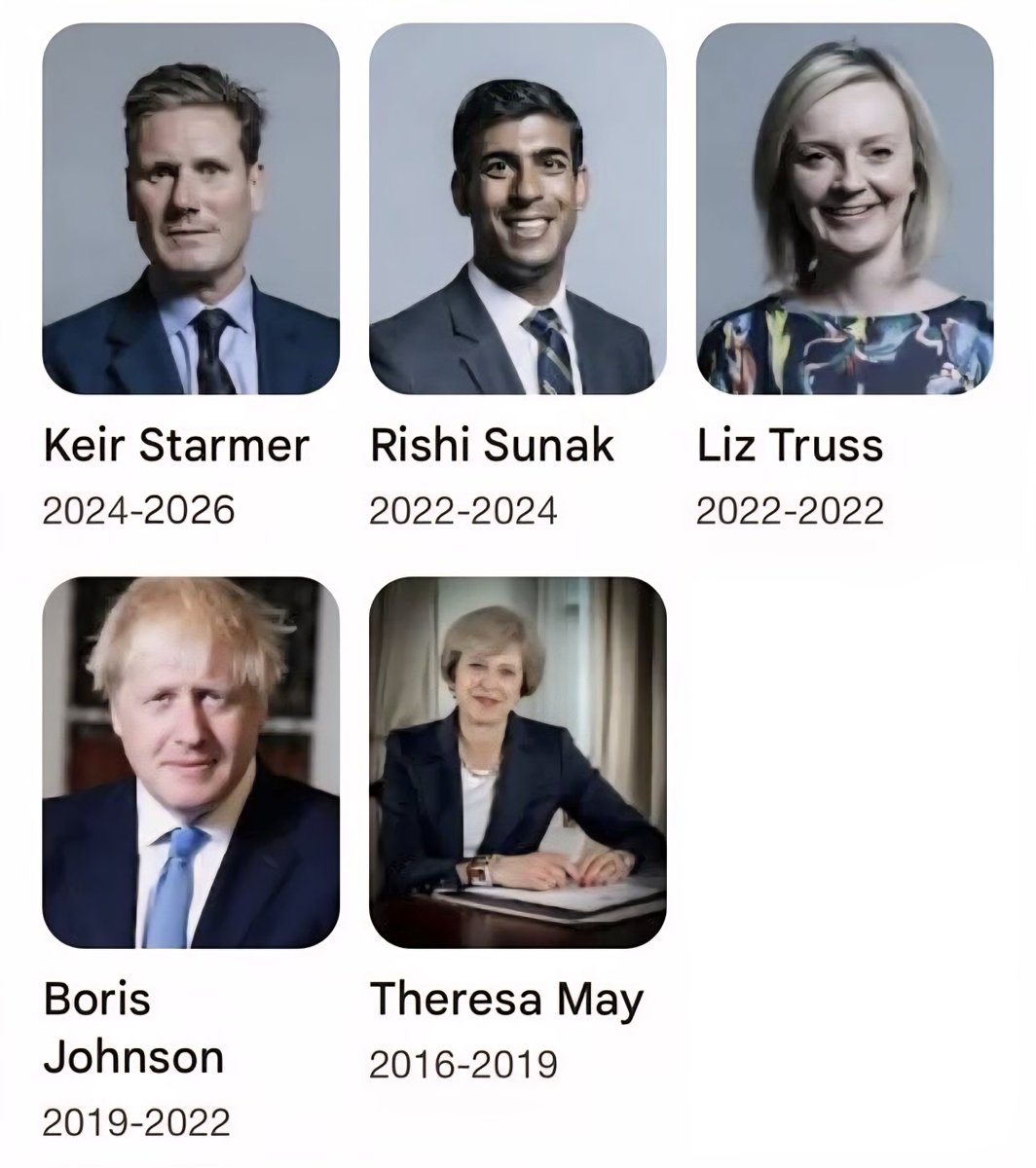
In the past ten years, the United Kingdom has experienced significant political shifts at the highest level of government. The role of Prime Minister has seen a rapid succession of leadership, reflecting the nation’s evolving political landscape and the turbulent times it has faced. Here’s a detailed overview of each leader’s tenure and the impact they’ve had on the UK.
Keir Starmer (2024–2026): A New Era Begins
In 2024, Keir Starmer took office, marking a new chapter in UK politics. Rising from the ranks of the Labour Party, Starmer’s leadership has been characterized by his focus on economic stability, social reform, and restoring the UK’s reputation on the global stage. Since assuming office, he has prioritized uniting a divided nation, tackling climate change more aggressively, and stabilizing the post-pandemic economy. His term is still ongoing, but early policies suggest a commitment to progressive reform coupled with pragmatic governance.
Rishi Sunak (2022–2024): Steering Through Turbulence
Following Boris Johnson, Rishi Sunak stepped into the Prime Minister role during a challenging period marked by economic recovery efforts post-pandemic and navigating complex international relations. Sunak’s tenure was characterized by austerity measures, tax reforms, and efforts to ease inflation. His government also focused on strengthening the UK’s trade ties and implementing policies aimed at improving the nation’s infrastructure. Despite facing criticism over some austerity measures, his leadership was credited with maintaining stability amid global economic uncertainties.
Liz Truss (2022): A Brief and Controversial Term
Liz Truss’s tenure was the shortest in recent UK history, lasting only a few weeks in 2022. Her brief premiership was marked by a contentious economic plan that aimed to cut taxes and stimulate growth but led to financial market turmoil and a loss of confidence among her party and the public. Facing mounting pressure, Truss resigned, pointing to the need for a change in direction. Her time in office serves as a reminder of the volatile nature of political leadership amid economic uncertainty.
Boris Johnson (2019–2022): Navigating Brexit and the Pandemic
Boris Johnson’s period as Prime Minister was defining for the UK’s recent history. His tenure was dominated by Brexit negotiations, ultimately leading to the UK formally leaving the European Union. Johnson’s leadership also coincided with the COVID-19 pandemic, requiring rapid responses to public health challenges and economic fallout. His approach to leadership was often polarizing but undeniably impactful, setting the UK on a new path outside the EU while managing unprecedented health crises at home.
Theresa May (2016–2019): The Brexit Dilemma
Theresa May’s tenure was primarily focused on executing Brexit. Her attempts to negotiate a withdrawal deal faced stiff opposition from Parliament, leading to multiple delays and revisions. Despite her efforts to deliver Brexit, internal party divisions and parliamentary gridlock ultimately led her to resign. May’s leadership was marked by her resilience amidst chaotic political debates, and her tenure highlights the difficulties of executing a complex and divisive national referendum.
As UK politics continues to evolve past 2025, this recent history exemplifies the challenges that come with leading a nation in times of change. The shifts in leadership reflect not only political dynamics but also broader societal and economic issues that remain at the forefront of national discourse.