Tag: Statistics

  • 1.3M New HIV Infections in 2023: A Continuing Challenge

    1.3M New HIV Infections in 2023: A Continuing Challenge

    Understanding the Current State of HIV Infections

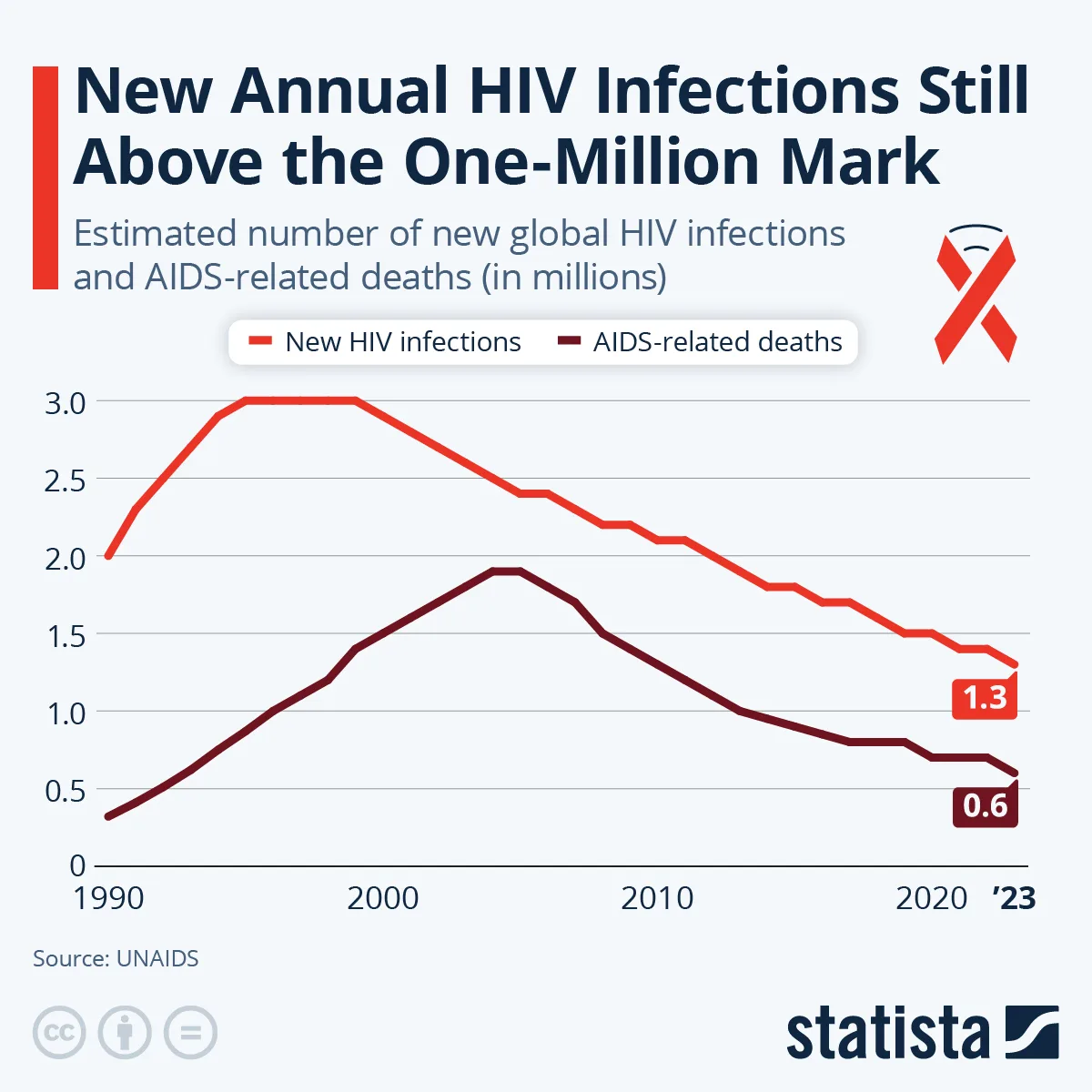
    The prevalence of HIV remains a global health crisis, with significant implications for individuals and communities. Recent data highlights that approximately 1.3 million new infections were reported in 2023 alone. Despite advancements in treatment and prevention, the fight against HIV continues to face multiple challenges.

    Current Statistics and Trends

    In 2023, global statistics revealed that approximately 1.3 million people were newly diagnosed with HIV. Tragically, the disease also accounted for about 600,000 deaths due to AIDS-related complications. These figures, while stark, show a decline from the peaks observed in the 1990s, when UNAIDS estimated that new infections often reached as high as three million annually. The early 2000s presented a particularly grim picture, with up to 1.9 million deaths attributed to AIDS each year.

    The Impact of the COVID-19 Pandemic

    The coronavirus pandemic has had a substantial effect on ongoing efforts to manage and combat HIV infections. As healthcare systems worldwide reallocated resources to address the urgent needs posed by COVID-19, critical HIV prevention and treatment initiatives faced setbacks. This disruption has complicated the already challenging landscape of HIV care, emphasizing the need for renewed focus and resources.

    Global HIV/AIDS Landscape

    Living With HIV: Current Statistics

    As of the end of 2023, there are about 39.9 million individuals globally living with HIV, highlighting the scale of the epidemic. Among these, approximately 1.4 million are children under the age of 15. The persistence of these numbers underscores the ongoing challenges in prevention and treatment.

    Access to Antiretroviral Therapy

    Antiretroviral therapy (ART) has transformed the management of HIV, allowing individuals to lead healthy lives and reducing the likelihood of transmission. In December 2023, it was estimated that around 30.7 million people had access to ART. This is a critical achievement, yet the target set by the UN organizations—to reach 34 million people by 2025—requires immediate and sustained funding.

    The Need for Continued Financial Support

    Funding Trends in HIV Initiatives

    Despite progress, funding for HIV/AIDS initiatives has recently faced declines. Reports indicate a five percent decrease in financial support between 2022 and 2023, with an even steeper drop of eight percent observed from 2020 to 2023. The reduction in funding jeopardizes progress in treatment access and prevention efforts, with many organizations reliant on external support to continue their vital work.

    The Importance of Sustainable Funding

    Addressing the funding shortfalls is imperative to maintain and increase access to ART and prevention strategies. Ongoing investments in education, research, and community health initiatives are essential to reversing the trends associated with HIV infections and improving health outcomes for those affected.

    The Path Forward

    Prioritizing Public Health Initiatives

    To effectively combat HIV/AIDS, a multifaceted approach that prioritizes public health initiatives is necessary. This includes increasing awareness, enhancing education about prevention methods, and expanding access to testing and treatment services. In addition, tailored programs for vulnerable populations, particularly children and young adults, must remain at the forefront of these efforts.

    Mobilizing Community and Global Efforts

    A collective effort from governments, non-profit organizations, and communities is crucial in the fight against HIV. Emphasizing collaborative strategies and sharing best practices can lead to innovative interventions that address the root causes of the epidemic. Importantly, leveraging technology and data can improve the reach and effectiveness of HIV prevention and treatment programs.

    In summary, while significant strides have been made in the battle against HIV/AIDS, continuous vigilance, support, and innovative strategies are necessary to reduce new infections and improve the quality of life for those living with this condition. The upcoming years will be crucial in determining the future trajectory of the HIV epidemic and the health outcomes of millions around the globe.
  • 1 in 5 Women Married Before 18: Child Marriage Rates Worldwide

    1 in 5 Women Married Before 18: Child Marriage Rates Worldwide

    Understanding Child Marriage: A Global Issue

    Child marriage is a significant and often overlooked violation of human rights, deeply rooted in cultural, social, and economic factors. It disproportionately affects girls, curtailing their rights and opportunities. The implications of this practice extend far beyond the individual, impacting communities, economies, and societies at large.

    The Importance of Consent

    According to the Universal Declaration of Human Rights, the right to "free and full" consent is paramount in marriage. Consent cannot be considered genuine if one party is too young to understand the implications of this lifelong commitment. UNICEF highlights that child marriage violates this principle, leading to detrimental effects on young girls’ lives.

    Consequences of Child Marriage

    Child marriage often results in severe consequences that can alter a girl’s life trajectory. The repercussions include:

    • Teen Pregnancy: Early marriages frequently lead to early pregnancies, exposing young girls to health risks and complications that can arise from childbirth at a young age.
    • Educational Barriers: Many girls who marry young drop out of school, significantly affecting their educational attainment and future opportunities. The cycle of poverty perpetuates itself as the girls who miss out on education struggle to achieve better futures.
    • Social Isolation: Young brides often find themselves isolated from their peers due to marital obligations, contributing to mental health issues and a lack of social support.

    Global Statistics and Regional Disparities

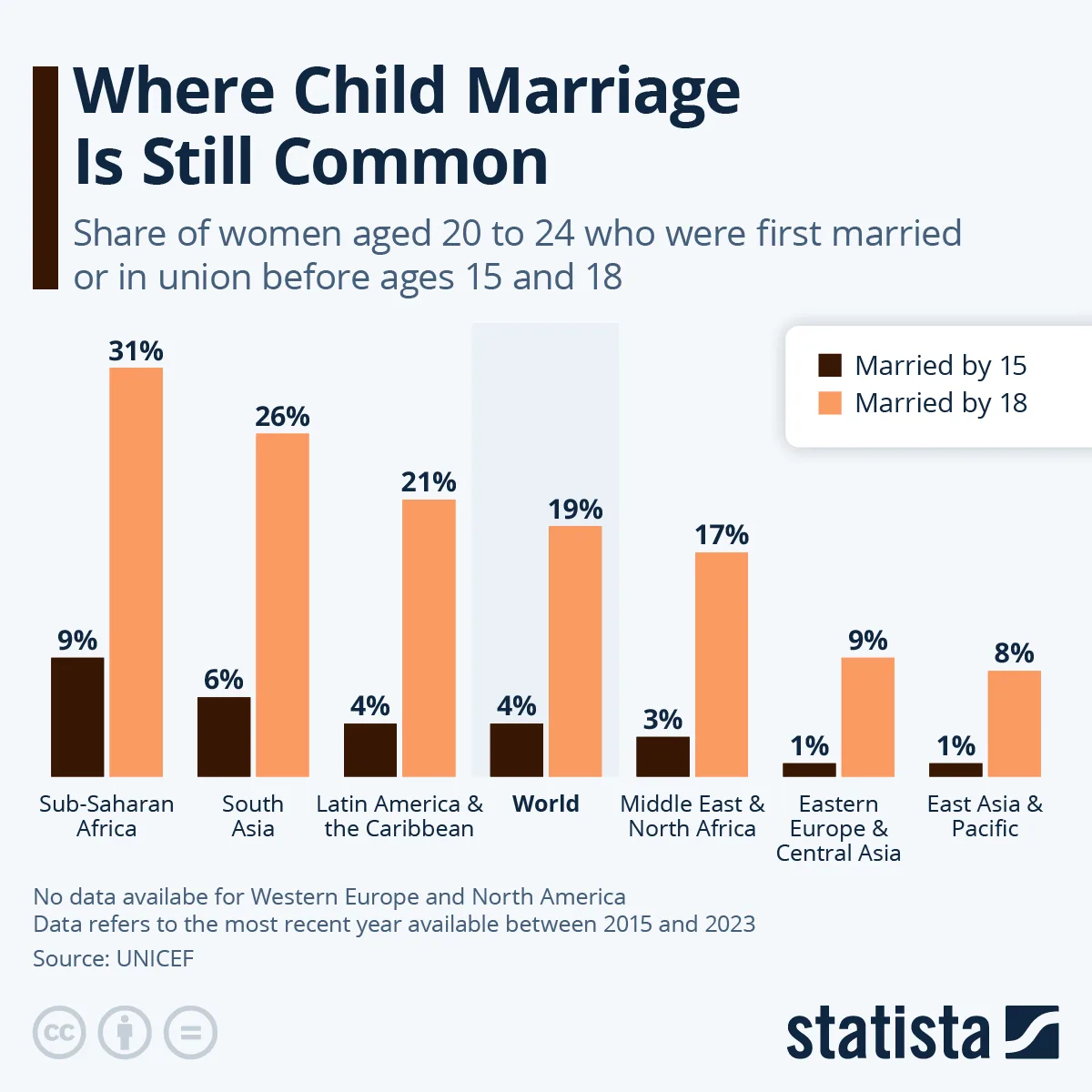
    Globally, child marriage continues to be prevalent, with alarming statistics highlighting the need for urgent action. UNICEF estimates that around one in five women aged 20 to 24 were married by the age of 18, while 4% were married before they turned 15.

    Regional Summary

    • Sub-Saharan Africa: This region exhibits one of the highest rates of child marriage. Approximately one in three girls are married or enter cohabitation before they reach 18, with 9% of women aged 20 to 24 having entered such unions before the age of 15.

    • South Asia: One in four young women in this region were married by the age of 15, reflecting deep-rooted cultural practices and economic struggles tied to early marriages.

    • Latin America and the Caribbean: The prevalence here is one in five young women entering marriage before turning 18, indicating a concerning trend that mirrors those seen in other regions.

    Defining Child Marriage

    Child marriage encompasses both formal marriages and informal unions. Many young girls may live with a partner without a legally recognized marriage, often due to cultural practices and legal restrictions that prevent formal unions. This ambiguity complicates efforts to combat the issue, as the nuances of informal unions may not be adequately addressed in legislation.

    The Underlying Causes of Child Marriage

    Understanding why child marriage persists is essential for formulating effective interventions. Key factors include:

    • Poverty: Families often feel compelled to marry off daughters at an early age as a strategy for financial security or to reduce economic burdens.
    • Education: Limited access to education perpetuates the cycle of child marriage; without education, girls are often viewed as less valuable and are more likely to be wed early.
    • Cultural Norms: In many societies, cultural practices dictate the timing of marriage, disregarding the voice and choices of young women.

    Addressing Child Marriage: A Multifaceted Approach

    To effectively combat child marriage, a comprehensive and multi-layered approach is necessary. Efforts should focus on:

    • Education: Improving access to and the quality of education for girls can significantly reduce the incidence of child marriage.
    • Economic Empowerment: Programs aimed at empowering families economically can reduce the financial pressures that lead to early marriages.
    • Legal Frameworks: Strengthening laws and regulations against child marriage, as well as ensuring enforcement, is critical to protecting young girls’ rights.

    The Role of Communities and Governments

    Communities and governments play a vital role in ending child marriage. Awareness campaigns can educate communities about the negative repercussions of child marriage, while government initiatives can provide the necessary resources and legal support to protect young girls.

    Conclusion of Child Marriage Perspectives

    Child marriage remains one of the pressing human rights violations of our time, deeply intertwined with the broader issues of poverty, education, and cultural expectations. Addressing this complex issue requires concerted efforts and commitment from all sectors of society to create an environment where young girls can thrive, free from the harms associated with early marriage.

  • Chinese & Italian: Top Cuisines for 34-47% of Global Diners

    Chinese & Italian: Top Cuisines for 34-47% of Global Diners

    The Global Cuisine Landscape: Trends and Preferences

    In an increasingly interconnected world, food has become a cultural ambassador, transcending borders and uniting people from various backgrounds. Understanding which cuisines reign supreme in different regions sheds light on culinary trends and preferences that influence dining choices around the globe.

    The Most Beloved Cuisines Globally

    According to survey data from Statista’s Consumer Insights, Chinese and Italian cuisines frequently emerge as frontrunners in popular opinion across many countries. Their global appeal is indicative of the rich flavor profiles, diverse ingredients, and the distinctive cooking techniques that these culinary traditions have to offer.

    Chinese Cuisine: A Global Favorite

    Chinese cuisine has established itself as a staple in many countries, often coming in second place behind local national dishes. Countries like India, Mexico, and the UK have shown a strong preference for Chinese food, with survey results indicating that between 34% and 42% of respondents list it among their top favorite cuisines.

    • India: The fusion of spices and culinary techniques contributes to the popularity of Chinese dishes among Indian palettes.
    • Mexico: The complementary nature of Chinese and Mexican flavors results in a unique dining experience that resonates with the local taste.
    • United Kingdom: With a long history of Chinese restaurants, the UK has embraced this cuisine, integrating it into their social dining culture.

    In other countries such as France, Germany, and the United States, Chinese cuisine maintains a strong presence, ranking third in preference with about 23% to 35% of respondents favoring it.

    Italian Cuisine: Enduring Popularity

    Italian cuisine’s reputation extends beyond its famous pastas and pizzas, becoming a beloved choice in various parts of the world. Particularly noteworthy is its second-place ranking in Germany and France, where it enjoys favor among 47% and 40% of respondents, respectively.

    • Germany: The emphasis on hearty flavors and communal dining experiences resonate well with German preferences, making Italian foods a frequent choice.
    • France: French appreciation for culinary art often translates into an affinity for the simplicity and comfort of Italian motifs, resulting in high ranking and popularity.

    Italian cuisine also holds a third-place honor in countries like the UK, Mexico, and India, highlighting its broad appeal and versatility.

    The Standing of French Cuisine

    While French cuisine is often heralded as one of the world’s finest culinary traditions, its popularity in the countries studied appears to lag behind that of Chinese and Italian foods. The survey reveals that French cuisine is most cherished in China, but even there, it ranks only sixth, garnering support from just 14% of respondents.

    France’s culinary reputation may not resonate as strongly in other regions, underscoring the unique culinary landscapes and local preferences that shape global dining experiences.

    National Cuisines: The Pillars of Culinary Preference

    A key takeaway from the survey is the prominent position of traditional national cuisines, which dominate the preference lists in most countries. Around two-thirds of the surveyed population across different regions indicated their local cuisine as their favorite, demonstrating a robust sense of national identity and cultural pride tied to food. However, the findings reveal an exception in the United Kingdom, where only half of the respondents cited British cuisine as their top choice.

    This divergence in the UK suggests a more eclectic culinary landscape, where international cuisines have successfully blended into the local fabric, challenging traditional preferences.

    The Impact of Cultural Exchange on Culinary Trends

    The overwhelming popularity of Chinese and Italian cuisines points to significant cultural exchanges that have occurred over time. Factors such as migration, globalization, and the rise of social media have played pivotal roles in promoting diverse culinary practices.

    Restaurants showcasing these cuisines have become ubiquitous, and home cooking inspired by these flavors is becoming increasingly common, further solidifying their status in the global culinary hierarchy.

    Conclusion

    Through the lens of these survey results, it becomes evident that food is not merely sustenance; it is a reflection of cultural identity and interconnectivity. The enduring popularity of cuisines like Chinese and Italian speaks to the universal quest for flavors that excite the palate while encouraging cultural appreciation and dialogue across borders.

  • Cholera Surge: 3,400 Deaths in 2024, 120% Increase

    Cholera Surge: 3,400 Deaths in 2024, 120% Increase

    Overview of Cholera-Related Mortality in 2024

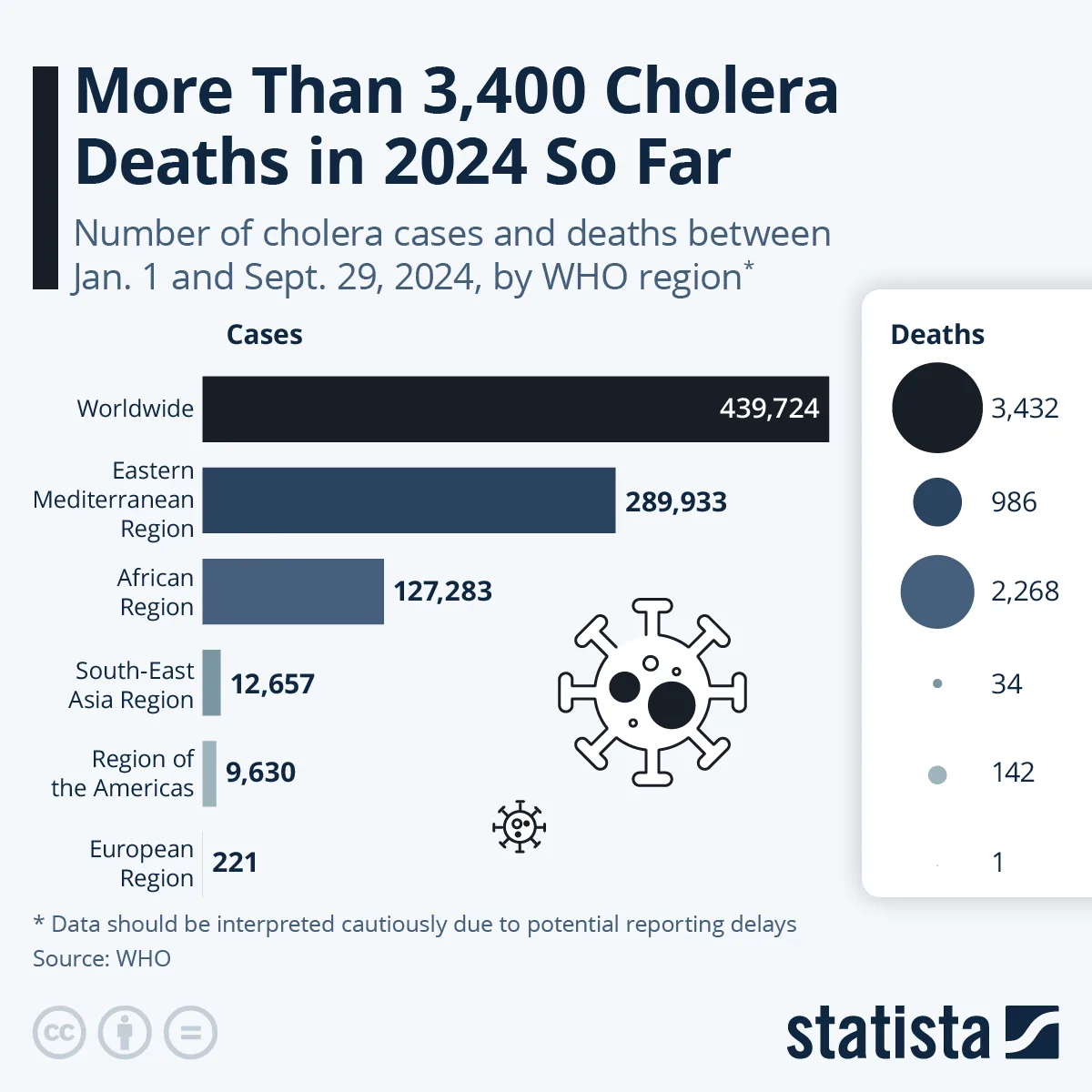
    Cholera, a waterborne bacterial infection, continues to pose a significant public health threat globally. Latest statistics reveal alarming trends in cholera-related mortality and infection rates for 2024. According to the World Health Organization (WHO), more than 3,400 deaths have occurred due to cholera between the start of the year and September 29, marking an increase of over 120% compared to the same period last year.

    Cholera Cases and Fatalities: A Closer Look

    As reported, the total number of cholera cases, including both suspected and confirmed instances, has exceeded 439,000 globally during the same nine-month timeline. Although this reflects a 16% decrease from 2023, the sharp rise in fatalities is deeply concerning and highlights underlying issues in public health responses.

    Regional Breakdown of Cholera Cases

    Eastern Mediterranean Region

    The Eastern Mediterranean Region has emerged as the area with the highest incidence of cholera cases, accounting for nearly 290,000 reported cases during this period. The numbers are alarming when considering the contributions from the following nations:

    • Afghanistan: 143,327 cases
    • Pakistan: 60,369 cases
    • Yemen: 36,404 cases
    • Sudan: 20,062 cases
    • Somalia: 19,208 cases
    • Syria: 10,563 cases

    These countries collectively reported nearly 1,000 cholera-related deaths, underscoring the severe public health challenges they face.

    African Region

    Following the Eastern Mediterranean, the African Region showed significant cholera cases, with more than 127,000 reported across 17 nations. Notably, the Democratic Republic of the Congo reported a staggering 25,221 cases, while Ethiopia and Zambia followed closely with 23,931 and 20,219 cases, respectively. Unfortunately, the African continent recorded the highest mortality rates tied to cholera in 2024, with particularly high fatalities in:

    • Zambia: 637 deaths
    • Zimbabwe: 399 deaths
    • Nigeria: 359 deaths

    Other Global Regions’ Cholera Statistics

    European Region

    In Europe, cholera cases have been limited, with only 221 recorded in Mayotte, a French department, which included one fatality. This situation contrasts sharply with regions facing more significant outbreaks.

    South-East Asia

    The South-East Asian region has reported over 12,600 cholera cases across five countries. These figures are broken down as follows:

    • India: 6,506 cases
    • Myanmar: 5,810 cases
    • Bangladesh: 241 cases
    • Nepal: 95 cases
    • Thailand: 5 cases

    Regrettably, all 34 deaths in this region were reported in India, emphasizing the need for enhanced healthcare response mechanisms.

    The Americas

    In the Americas, the situation appears concentrated, with all 9,630 cholera cases registered in Haiti, contributing to a tragic 142 recorded deaths. This data signifies the ongoing public health crisis in the country and highlights the necessity for intervention.

    Factors Contributing to Rising Cholera Mortality

    The increase in cholera mortality rates is emblematic of various contributing factors. Ongoing conflicts in affected regions frequently lead to a deterioration of healthcare infrastructure. These conflicts not only result in the destruction of sanitation facilities but also impede access to safe drinking water—one of the most critical vectors for cholera transmission.

    Impact of Armed Conflicts on Health Infrastructure

    The United Nations has outlined several consequences of armed conflicts that exacerbate cholera outbreaks:

    • Healthcare Access: Conflict often obstructs civilians’ ability to reach healthcare services.
    • Sanitation Damage: Armed hostilities can inflict physical damage to water and sanitation systems, severely limiting access for local populations.
    • Worker Safety: Attacks on healthcare workers discourage medical intervention and can lead to shortages in necessary resources for cholera treatment.

    The Role of Climate and Natural Disasters

    In addition to conflicts, severe flooding across Central and West Africa, as well as in South-East Asia, has catalyzed a surge in cholera transmission. The impacts of climate change and natural disasters significantly threaten critical public health infrastructures by:

    • Disrupting Services: Flooding often leads to infrastructure damage, rendering water and sanitation services inoperable.
    • Contamination of Water Sources: Increased rainfall can contaminate water supplies, creating ideal conditions for cholera outbreaks.

    As the world faces these dual challenges of conflict and climate, the implications for public health systems are profound. The need for effective strategies to combat cholera in these vulnerable regions is more urgent than ever.

  • 82% of Americans Take Supplements; 68% Use Vitamins

    82% of Americans Take Supplements; 68% Use Vitamins

    The Rise of Vitamin Consumption in the United States

    Vitamins and dietary supplements have become a staple in many households across the United States. Recent data reveals that around 82 percent of Americans incorporate food supplements into their daily routines. This growing trend highlights not only a shift towards proactive health management but also indicates the increasing awareness of nutritional deficiencies and the benefits of supplementation.

    Survey Insights: Who’s Taking Vitamins?

    According to a survey conducted by Statista Consumer Insights between April 2023 and March 2024, an impressive 68 percent of respondents reported that they have consumed vitamins within the last year. This statistic underscores the significant role vitamins play in the everyday lives of many Americans.

    Breakdown of Supplement Types

    While vitamins dominate the supplement market in the U.S., other types of food supplements such as proteins and minerals are gaining traction as well. The survey indicates that:

    • Proteins: 33 percent of respondents have included protein supplements in their diets.
    • Minerals: 26 percent reported taking mineral supplements.

    This diversity in supplement consumption suggests that people are not only focused on vitamins but also on achieving a balanced nutritional profile through various supplement forms.

    Global Vitamin Consumption Trends

    The United States is not alone in this nutritional pursuit; a comparison of global data reveals that several countries exhibit even higher rates of vitamin consumption.

    Countries Leading the Charge

    Countries such as South Korea, Mexico, India, and Brazil are also witnessing a surge in vitamin intake. Each of these nations shows a robust interest in dietary supplementation, reflecting a global trend towards improved health and wellness.

    Poland’s Notable Statistics

    Among these countries, Poland stands out, with an astonishing 80 percent of respondents indicating they take vitamin supplements. This places Poland at the forefront of vitamin consumption, suggesting a culturally ingrained acceptance and reliance on dietary supplements.

    The Implications of Supplement Usage

    As vitamin and dietary supplement consumption rises, several implications arise for health professionals, marketers, and consumers alike.

    Health and Nutrition Awareness

    The increasing popularity of vitamins signifies a growing awareness regarding personal health and nutrition. Individuals are now more proactive about managing their health, taking steps to prevent deficiencies, and seeking to enhance their overall wellness through supplementation.

    Market Opportunities for Brands

    For businesses in the health and wellness industry, this trend presents unique opportunities. The rise in supplement usage opens doors for product innovation, targeted marketing, and educational campaigns aimed at informing consumers about the benefits of proper supplementation.

    Challenges in the Supplement Market

    Despite the positive outlook, the supplement market also faces challenges. With a plethora of products available, consumers must navigate misinformation and choose high-quality, effective supplements. This calls for increased transparency and regulation within the industry to ensure that consumers can make informed choices.

    Conclusion

    The growing prevalence of vitamin consumption in the United States and globally reflects not only changing health behaviors but also an increasing emphasis on nutritional wellness. With high engagement from consumers and a diverse array of supplements available, the landscape for vitamins and dietary supplements continues to evolve. Understanding these patterns can inform health strategies, marketing approaches, and consumer education efforts in the future.

  • Top 10 Happiest Countries in the World (2024)

    Top 10 Happiest Countries in the World (2024)

    The happiness factor depends upon the six factors as per the World Happiness Report of 2024.

    In a world full of stress and tension, it is indeed refreshing to see places where genuine happiness exists.

    A recent report issued by The World Happiness highlights the nations where well is ranked the highest.

    As per the report, the happiness factor depends upon the six factors that define the country’s happiness;

    • Social Support
    • Income
    • Low rate of corruption
    • Freedom
    • Health
    • Generosity

    The top 10 happiest countries possess more than one factor that makes them stand out.

    1. Finland

    dock, lake, sunset

    Finland is a land of thousands of lakes and green forests and is known to have social stability and gender equality. The country’s focus on work-life balance and a near-perfect education system demonstrates that the people of Finland have indeed mastered the art of living.

    2. Denmark

    copenhagen, river, denmark
    DUCTINH91

    Denmark is known for its friendly relations and generosity. The country’s focus on equality and safety makes the residents feel welcome.

    3. Iceland

    iceland, aurora borealis, northern lights
    12019

    A country with beautiful landscapes, cold snowy weather, and warm-hearted people is known for its focus on sustainability along with its friendly atmosphere. All these factors highly contribute to the well-being of its population.

    4. Switzerland

    mountains, snow, sunset
    klausdie

    Switzerland is known for its beauty alongside low levels of corruption and high standard of living. The country’s efficient public services and emphasis on quality of life contribute to its residents’ happiness. Plus the country makes the best chocolate!

    5. Israel

    tel aviv, city, beach
    TranThangNhat

    Israel has a strong economy. The country’s cultural diversity and innovation-driven economy play a significant role in fostering happiness among its citizens.

    6. Netherlands

    white and brown concrete buildings beside body of water during daytime
    Ernest Ojeh

    The Netherlands has a strong sense of freedom. Known because of its friendly atmosphere, and sitting cafes, the country’s progressive policies, and cycling culture contribute to the overall well-being of its population.

    7. Norway

    panorama city view
    Michael Fousert

    Norway has a high standard of living and is a country where freedom is highly valued. The country’s focus on equality, and nature conservation plays an important role in keeping the residents of the country happy.

    8. Luxembourg

    aerial view of city during daytime
    Cedric Letsch

    A country that offers a high quality of life and comes with thousands of opportunities is known to be one of the smallest yet the happiest countries in the world. The country’s multicultural environment, and economic stability, along with high-quality education contribute to the well-being of its population.

    9. Sweden

    View over Stockholm
    Raphael Andres

    The country of Sweden is known to have a strong freedom sense alongside high levels of social support. The country’s seriousness towards the environment and nature along with an excellent balance of work and life contribute to the happiness of its residents.

    10. Australia

    Morning Opera
    Photoholgic

    High standards of living and stunning landscapes are what define Australia. The country’s lifestyle, diverse culture, and emphasis on work-life balance contribute to the overall happiness of its population.

    The actual ranking for these countries over the past few years has changed.

    In 2023, Israel jumped five places, while Switzerland lost four places. A new country entered the list of the top 20 named Lithuania.

    The beautiful country of Finland got the title of the happiest country in the world in the year 2021. This title was taken by Finland for the fourth consecutive year.

    The changes in ranking are likely due to various factors, including the impact of COVID-19 and other significant challenges on the countries’ social support system, income levels, health, and freedom.

  • 15 GTA 5 Stats You Need To Know About This Game (Updated [year]!)

    GTA 5 stats have some incredible numbers that surely surprise you. We’re taking on this topic by presenting several statistics about this game.

    (more…)
  • What Is Conscious Consumerism? Why Is It Important in [year]?

    Conscious consumerism means consumers today are buying into businesses that use moral compasses and prioritize the well-being of workers, animals, and/or the environment for mere financial profits.

    (more…)
  • Why Quick Commerce (Q-Commerce) Growing So Fast? (With Stats)

    The trend for quick commerce (Q-Commerce) has been catching fire since the pandemic brought lockdowns and quarantines to the masses. It became difficult for people to get everyday groceries and household items. There were restrictions on movement, and many vendors went out of business.

    (more…)
  • 33 Million Users Leave WhatsApp After Privacy Policy Update

    Due to poor updates of WhatsApp terms and services, 33 million users have decided to leave WhatsApp and opted to use other messaging apps such as Telegram and Signal.

    (more…)
  • WhatsApp Users Made 1.4 Billion Calls on New Year 2021 Eve, Statistics

    On New Year 2021 Eve, people connect through social media apps like Whatsapp, Facebook, and Instagram due to the government’s coronavirus restrictions across the world.

    (more…)
  • Total Reddit Daily Active Users are 52 Million

    Reddit has revealed that the number of daily users seems to appear quickly and has reached 52 million Reddit daily active users.

    (more…)
  • Apple Watch Sold More Than Entire Swiss Watch Companies Combined

    Apple wasn’t just focused on selling their smartphones only last year, but also put a great amount of pressure on Swiss watch companies as their sells decline, as more people preferring Apple watches.

    (more…)