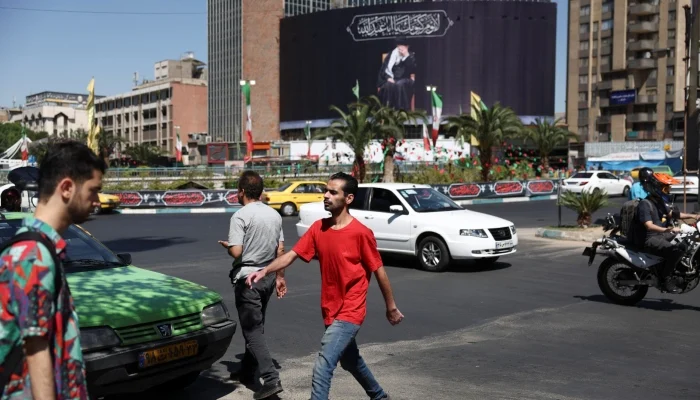
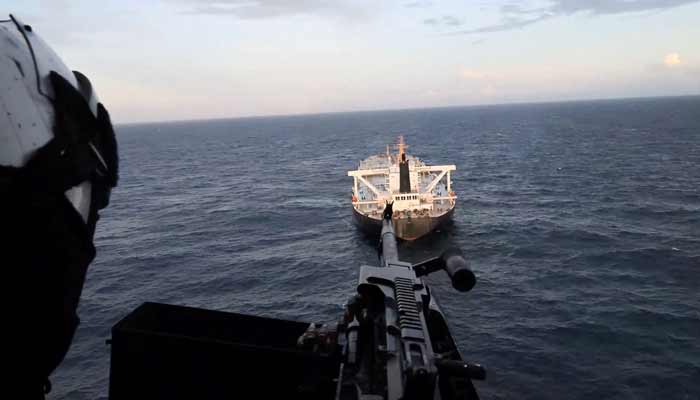
Iranian officials are publicly acknowledging the severe economic impact of their ongoing conflict with the United States. The Supreme Leader has urged the government to take action to alleviate the economic hardships, while President Masoud Pezeshkian reports that trade with foreign countries has decreased by approximately 35% due to U.S. sanctions and the naval blockade.
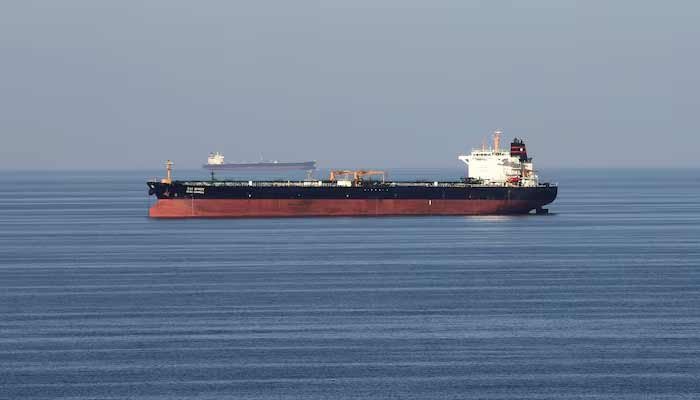
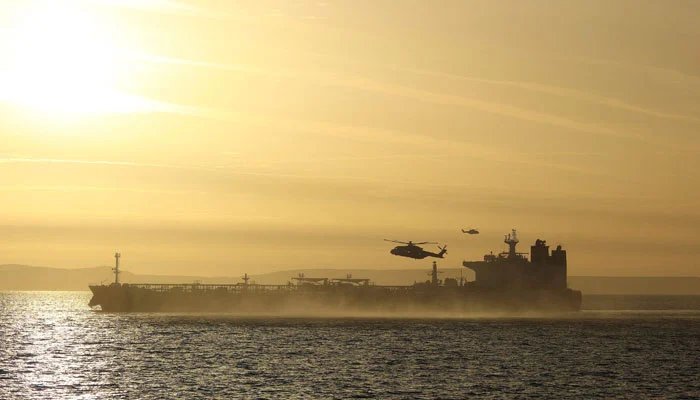
Despite these hardships, Iranian leaders have issued warnings to the U.S., including threats of military retaliation and assertions that the Iranian navy dominates the Strait of Hormuz—an essential waterway that plays a vital role in global energy markets by giving Iran leverage to disrupt shipping.
As the six-month mark of the conflict approaches and negotiations remain deadlocked, the Trump administration has intensified its economic pressure campaign against Iran, referring to it as an “economic D-Day.” The U.S. has told other nations to cease doing business with Iran or risk secondary sanctions. However, the Treasury Department has abstained from penalizing major Iranian trading partners like China and India, understanding that such moves could have negative effects on both the U.S. and the global economy.
Recently, sanctions were imposed on Egypt’s Banque Misr due to its transactions with Tehran, with plans to restrict the bank’s UAE branches from U.S. dollar dealings. Egypt’s central bank confirmed ongoing talks with U.S. officials, noting that the sanctions only target Banque Misr’s US dollar operations through correspondent banks.
Separately, the Treasury Department announced sanctions against a Hong Kong-based entity and an individual associated with Iran’s Bank Melli, adding to the economic strains on Iran—whose inflation reached a staggering 66% last month.
Supreme Leader Ayatollah Mojtaba Khamenei, who has been injured and has not been seen publicly since an attack in February that killed his father, former Supreme Leader Ali Khamenei, has called on the government to combat the economic difficulties. He emphasized the need to address inflation, unemployment, price management, and the overall market situation.
President Pezeshkian told state media that Iran’s exports and imports have dropped nearly 35%, directly attributable to U.S. sanctions and the naval blockade of Iranian ports. Nonetheless, Iran managed to sell around 90 million barrels of oil during a brief memorandum of understanding signed in June, which allowed limited oil sales under U.S. permission.
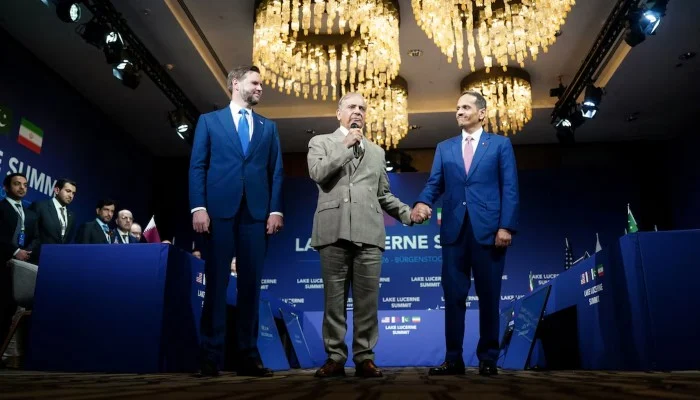
Meanwhile, diplomatic efforts to end the conflict continue. Qatari Prime Minister Sheikh Mohammed bin Abdulrahman Al Thani met with Iranian officials in Tehran, stressing the importance of restoring open shipping routes through the Strait of Hormuz. Iranian Foreign Minister Abbas Araqchi described the discussions as “creative.” Qatar, a U.S. ally in the Gulf, and Pakistan helped broker the June ceasefire agreement, which unraveled due to disagreements over the strait.
American military commanders have announced that they have cleared sea mines from the Strait of Hormuz, which had been laid by Iran’s Revolutionary Guard Corps months ago. President Trump repeatedly states that the strait is open, but Iran’s Revolutionary Guard Navy claims that these assertions are false and that the waterway remains closed unless Iran grants permission.
Recent shipping data indicates a decrease in maritime traffic, with only seven vessels passing through the Strait of Hormuz on Thursday, down from 17 the day before and below the 10-day average of 15 ships.