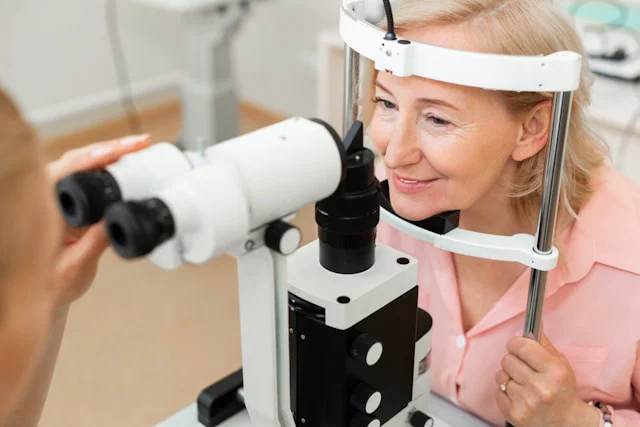
Tag: glaucoma

  • Simple Vitamin Could Delay Major Vision Loss Disease

    Simple Vitamin Could Delay Major Vision Loss Disease

    Millions worldwide face the risk of glaucoma, a condition that gradually damages the optic nerve and can lead to permanent blindness if left untreated. One challenge with glaucoma is that many individuals don’t notice symptoms until significant vision loss has occurred. Physicians typically focus on reducing intraocular pressure because elevated pressure significantly increases the risk of nerve damage. However, even with effective pressure-lowering treatments, some patients still experience progressive vision decline. As a result, researchers are actively seeking new strategies to protect the optic nerve itself.

    A recent publication in JAMA Ophthalmology suggests a potential new option: nicotinamide, a form of vitamin B3. The study found that individuals with high eye pressure who took nicotinamide were considerably less likely to develop primary open-angle glaucoma compared to similar patients who did not take the supplement. This research was based on two decades of electronic medical records from 67 healthcare entities across the U.S., involving nearly 3,000 adults with ocular hypertension who had not yet been diagnosed with glaucoma.

    To ensure fair comparisons, each person taking nicotinamide was matched with someone of similar age, sex, health status, and eye condition who was not supplementing. Participants were observed for nearly four years, during which only 3.5% of those taking nicotinamide developed glaucoma, compared to 9% of non-users. Overall, those supplementing with nicotinamide had about a 66% lower risk of developing the disease.

    The study also examined the need for more aggressive treatments. Fewer nicotinamide users required prescription eye drops to lower pressure and were less likely to undergo laser treatments, suggesting slower disease progression in this group. Scientists believe the benefits may relate to how nicotinamide supports energy production within retinal cells. As people age, levels of nicotinamide adenine dinucleotide (NAD), a vital molecule for energy and repair, naturally decline. A deficiency in NAD could make the optic nerve more susceptible to damage from high pressure. Supplementing with nicotinamide might help retinal cells maintain their resilience longer.

    These findings contribute to a growing understanding that glaucoma isn’t solely caused by high eye pressure. Metabolic changes and energy deficits may also significantly influence disease development. This broader perspective encourages research into treatments aimed at protecting nerve cells, alongside traditional pressure reduction methods.

    Despite the encouraging results, experts caution that nicotinamide is not yet an established preventive treatment for glaucoma. Since the study was observational, it can’t definitively prove that the vitamin directly lowers risk. Controlled clinical trials are necessary to confirm these findings and determine the safest and most effective dosage before it can be widely recommended.

    For those interested in eye health, exploring studies about how vitamin B might help prevent vision loss or how dietary patterns like the MIND diet could reduce the risk of degenerative eye diseases can be beneficial. Additionally, recent research offers insights into protecting eyes from glaucoma and suggests that certain eye surgeries might even lower the risk of developing dementia.

  • Scientists uncover hidden eye risk in common blood pressure medications

    Scientists uncover hidden eye risk in common blood pressure medications

    Millions of people worldwide take medication daily to manage high blood pressure, also known as hypertension. It’s one of the most prevalent health issues, especially among older adults. If left untreated, hypertension can increase the risk of heart attacks, strokes, kidney disease, and other severe health problems. To help reduce these risks, doctors often prescribe medications to lower blood pressure and safeguard long-term health.

    One common class of these medications is called Calcium Channel Blockers, or CCBs. These drugs work by relaxing and widening blood vessels, making it easier for blood to flow throughout the body. Examples like amlodipine and nifedipine are widely used and generally safe for long-term use, playing a crucial role in hypertension treatment.

    However, recent research indicates a possible link between Calcium Channel Blockers and an eye condition known as glaucoma. This serious eye disease gradually damages the optic nerve, which is vital for transmitting visual signals to the brain. If glaucoma isn’t treated, it can lead to permanent vision loss. The study, led by Dr. Alan Kastner from Moorfields Eye Hospital and University College London, examined health records from over 427,000 adults in the UK. Around 33,000 of these individuals were taking Calcium Channel Blockers.

    Results showed that people using these medications had a higher chance of being diagnosed with glaucoma compared to those not on these drugs. Notably, this increased risk persisted even after accounting for factors like age, smoking, lifestyle habits, and other health conditions. Interestingly, this connection was specific to Calcium Channel Blockers; other types of blood pressure medications did not show the same association with glaucoma.

    Glaucoma primarily harms the optic nerve, slowly deteriorating vision over many years. Often, symptoms are unnoticed until significant and irreversible vision loss occurs, earning it the nickname “the silent thief of sight.” While elevated eye pressure has long been considered a leading cause of glaucoma, this new research suggests that people on Calcium Channel Blockers may develop early signs of the disease even when their eye pressure appears normal. This hints at other possible mechanisms, such as alterations in blood flow or impacts on inner eye structures, though more studies are needed to understand these effects.

    The findings highlight how both hypertension and glaucoma can develop quietly without obvious symptoms. Regular medical check-ups and eye exams are critical, especially for older adults and those with other risk factors like a family history or diabetes. Experts caution against stopping prescribed blood pressure medications abruptly, as uncontrolled hypertension poses significant health dangers. Instead, patients are advised to consult their physicians about these findings and consider routine eye screenings, particularly if they belong to higher-risk groups.

    Early detection of glaucoma allows for treatments that can slow or stop vision loss, reinforcing the importance of routine eye exams, optic nerve assessments, and intraocular pressure measurements. While the study presents important insights, further research is necessary to confirm the connection, particularly since some authors have ties to pharmaceutical companies. Independent studies will be essential in verifying these findings and guiding clinical practice.

    Ultimately, this research underscores how medications targeting one part of the body can sometimes produce unexpected effects elsewhere. As scientists learn more about the relationship between blood pressure medications and eye health, future treatments may become safer and more personalized.

    For individuals concerned about hypertension, exploring lifestyle changes—such as reducing unhealthy habits—and drinking green tea might help manage blood pressure levels. Additionally, understanding what foods to eat or avoid to control high blood pressure, along with incorporating blood pressure-lowering foods, can be beneficial.

    This study was published in the journal JAMA Ophthalmology.

    Copyright © 2026 Knowridge Science Report. All rights reserved.