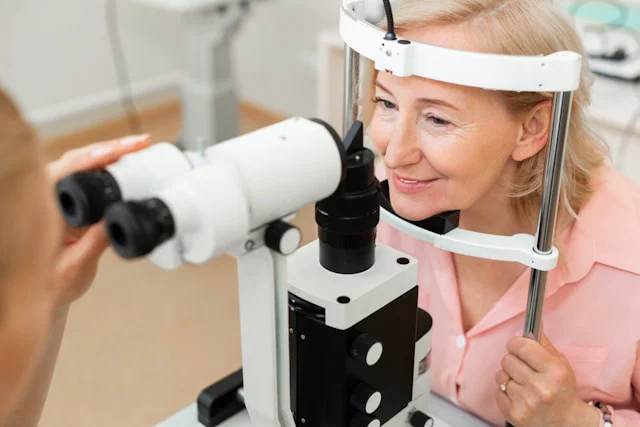
Millions worldwide face the risk of glaucoma, a condition that gradually damages the optic nerve and can lead to permanent blindness if left untreated. One challenge with glaucoma is that many individuals don’t notice symptoms until significant vision loss has occurred. Physicians typically focus on reducing intraocular pressure because elevated pressure significantly increases the risk of nerve damage. However, even with effective pressure-lowering treatments, some patients still experience progressive vision decline. As a result, researchers are actively seeking new strategies to protect the optic nerve itself.
A recent publication in JAMA Ophthalmology suggests a potential new option: nicotinamide, a form of vitamin B3. The study found that individuals with high eye pressure who took nicotinamide were considerably less likely to develop primary open-angle glaucoma compared to similar patients who did not take the supplement. This research was based on two decades of electronic medical records from 67 healthcare entities across the U.S., involving nearly 3,000 adults with ocular hypertension who had not yet been diagnosed with glaucoma.
To ensure fair comparisons, each person taking nicotinamide was matched with someone of similar age, sex, health status, and eye condition who was not supplementing. Participants were observed for nearly four years, during which only 3.5% of those taking nicotinamide developed glaucoma, compared to 9% of non-users. Overall, those supplementing with nicotinamide had about a 66% lower risk of developing the disease.
The study also examined the need for more aggressive treatments. Fewer nicotinamide users required prescription eye drops to lower pressure and were less likely to undergo laser treatments, suggesting slower disease progression in this group. Scientists believe the benefits may relate to how nicotinamide supports energy production within retinal cells. As people age, levels of nicotinamide adenine dinucleotide (NAD), a vital molecule for energy and repair, naturally decline. A deficiency in NAD could make the optic nerve more susceptible to damage from high pressure. Supplementing with nicotinamide might help retinal cells maintain their resilience longer.
These findings contribute to a growing understanding that glaucoma isn’t solely caused by high eye pressure. Metabolic changes and energy deficits may also significantly influence disease development. This broader perspective encourages research into treatments aimed at protecting nerve cells, alongside traditional pressure reduction methods.
Despite the encouraging results, experts caution that nicotinamide is not yet an established preventive treatment for glaucoma. Since the study was observational, it can’t definitively prove that the vitamin directly lowers risk. Controlled clinical trials are necessary to confirm these findings and determine the safest and most effective dosage before it can be widely recommended.
For those interested in eye health, exploring studies about how vitamin B might help prevent vision loss or how dietary patterns like the MIND diet could reduce the risk of degenerative eye diseases can be beneficial. Additionally, recent research offers insights into protecting eyes from glaucoma and suggests that certain eye surgeries might even lower the risk of developing dementia.