Tag: EU

  • EU Halts Countermeasures After Trump’s Tariff Suspension

    EU Halts Countermeasures After Trump’s Tariff Suspension

    President of the European Commission Ursula von der Leyen arrives for a meeting with new European Commissioners in Brussels, Belgium on March 19, 2025. — Reuters

    • EU to suspend countermeasures for 90 days: von der Leyen.
    • “Response measures will activate if talks are unproductive.”
    • Global stock markets rebound after Trump halts tariffs.

    The European Union will temporarily suspend its initial countermeasures against U.S. tariffs after President Donald Trump announced a temporary reduction of some tariffs imposed on multiple countries, European Commission President Ursula von der Leyen stated on Thursday.

    The EU was set to introduce counter-tariffs on approximately 21 billion euros ($23.25 billion) of U.S. imports starting next Tuesday in response to Trump’s 25% tariffs on steel and aluminum. The EU is also considering its response to U.S. tariffs on cars and the ongoing 10% tariffs.

    “We wish to allow room for negotiations,” von der Leyen explained on platform X. “While we finalize the EU countermeasures, which received strong backing from our member states, we will pause them for 90 days.”

    Trump’s abrupt decision on Wednesday to postpone most of his new tariffs provided relief to struggling global markets and anxious leaders worldwide, even as he escalated the trade conflict with China.

    This policy reversal came less than a day after significant new tariffs were introduced and followed a period of intense financial market instability reminiscent of the early days of the COVID-19 pandemic.

    U.S. stock indexes surged in response, and this optimism continued into Asian and European markets on Thursday.

    Prior to Trump’s reversal, market upheaval had caused trillions of dollars in losses and resulted in a sharp increase in U.S. government bond yields, which seemed to draw the president’s attention.

    Meanwhile, Trump intensified pressure on China, which is the world’s second-largest economy and a major source of U.S. imports, by raising tariffs on Chinese goods from 104% to 125%.

    Additionally, he signed an executive order aimed at diminishing China’s influence over the global shipping industry and revitalizing U.S. shipbuilding.

    Trade Conflict with China

    China labeled Washington’s actions as threats and extortion.

    Commerce Ministry spokesperson He Yongqian stated at a regular briefing that China would “follow through until the end” if the U.S. insists on its unilateral approach. However, the ministry emphasized that China remains open to dialogue based on mutual respect.

    In response, Beijing may retaliate after announcing an 84% tariff on U.S. imports on Wednesday to counter Trump’s earlier tariff announcement.

    Trump argues that the tariffs aim to correct trade imbalances with China and believes a trade resolution is still possible. However, officials have indicated that they will prioritize discussions with other countries such as Vietnam, Japan, South Korea, and others looking to negotiate agreements.

    The value of China’s yuan fell to its lowest level against the dollar since the global financial crisis on Thursday.

    EU Suspension

    In Europe, yields on eurozone government bonds rose, spreading narrowed, and market expectations for European Central Bank rate cuts diminished following Trump’s announcement. Stock prices across Europe rallied.

    Von der Leyen stated that Trump’s decision marked a significant step toward stabilizing the global economy before revealing the EU’s decision to suspend its own counter-tariffs.

    However, she cautioned that these measures could be reinstated.

    “If negotiations do not yield satisfactory results, our countermeasures will be activated. Preparatory work for further countermeasures is ongoing,” she commented, adding, “All options remain on the table.”

    Trump’s reversal is not absolute; a 10% tariff on nearly all U.S. imports will still remain in effect, as per White House statements. This announcement does not appear to change the existing duties on autos, steel, and aluminum.

    The U.S. tariff suspension also does not affect duties imposed on Canada and Mexico, as their goods are still subject to a 25% fentanyl-related tariff unless they comply with the rules of origin in the US-Mexico-Canada Agreement.

    The EU had planned to impose additional tariffs on U.S. imports, including maize, wheat, motorcycles, poultry, fruit, and clothing, but those tariffs are now halted.

    Other countries, like India, have expressed eagerness to quickly negotiate trade deals with the United States.

    Uncertainty and Concerns

    Meanwhile, oil prices dropped by 2% on Thursday as concerns regarding a deepening U.S.-China trade conflict and potential recession overshadowed the earlier relief caused by Trump’s announcement.

    Some central bankers also expressed caution.

    European Central Bank official Francois Villeroy de Galhau referred to the tariff pause as “less bad news” during an interview with France Inter Radio, highlighting that uncertainty continues to pose a threat to trust and economic growth.

    Business leaders echoed the sentiment that not all issues have been resolved.

    Nicolas Ozanam, head of the French wine and spirits industry group FEVS, commented on Trump’s pause as “half good news.”

    He noted that the temporary break allows French wine and spirits exporters to resume shipments with reduced tariffs, leveling the playing field with other suppliers. However, the 90-day period presents logistical challenges, and the persisting 10% customs duties will still result in inflationary pressures.

    This situation, he remarked, is likely to cause price hikes and subsequently a decline in U.S. consumption.

  • EU Demands Proper iPhone Functionality With Other Smartwatches

    EU Demands Proper iPhone Functionality With Other Smartwatches

    It’s well-known that the iPhone is optimized to work seamlessly with the Apple Watch. In contrast, Apple tends to restrict the functionality of smartwatches and accessories from other manufacturers, often citing security concerns as justification. This policy has drawn criticism from lawmakers in the European Union, who have mandated that Apple enhance the compatibility between iPhones and third-party devices in accordance with the Digital Markets Act (DMA).

    Recently, the European Commission introduced two resolutions that hold Apple accountable for adhering to the interoperability clause within the DMA. This clause requires Apple to facilitate a more integrated and seamless connection between third-party products and its ecosystem.

    The European Commission has identified nine connectivity issues within iOS that Apple needs to address to improve support for various devices, including smartwatches, headphones, and TVs. These updates are expected to grant apps greater access to iPhone data, enhance performance speeds, and simplify the pairing process.

    For smartwatches, this means that non-Apple devices will be able to communicate more effectively with iPhones. A key outcome of this would allow these watches to respond to notifications from the iPhone, a feature that is currently restricted by Apple. Additionally, the EU envisions a smoother pairing process for non-Apple smartwatches with the iPhone.

    How Apple restricts third-party smartwatches

    The iPhone disclaimer on the Core Devices store page.
    Core Devices / Digital Trends

    Pebble, a smartwatch brand that was acquired by Fitbit and subsequently shut down, has made a comeback with new offerings. However, the makers of this new Pebble have highlighted various ways in which Apple limits third-party smartwatches. These limitations include issues with viewing and responding to notifications, sending messages via Apple Messages, and restricting wrist notifications when the iPhone is in use, among other challenges discussed in a blog post.

    The EU is expecting Apple to provide technical documentation regarding features, which should ideally help resolve some of the limitations highlighted by Pebble. This directive is legally binding, and the EU expects Apple to outline a timeline for implementing the required changes.

    The actual execution of these changes could take anywhere from months to years, as we’ve seen with Apple’s transition from the Lightning port to USB-C. Currently, Apple seems reluctant, labeling this initiative as an effort to “slow down Apple’s ability to innovate for users in Europe and compel us to share our new features without compensation with companies that don’t adhere to the same guidelines,” according to a statement given to The Verge.

  • EU Defense Plan: €650B Boost to Economy, 1.5% GDP Growth

    EU Defense Plan: €650B Boost to Economy, 1.5% GDP Growth

    EU’s Defense Push: A Shift in Economic Strategy

    As geopolitical tensions rise, Europe is reassessing its defense policies and spending. The push to enhance military capacities comes with a significant economic implication, especially in light of current economic challenges facing the region.

    The ReArm Europe Initiative

    The European Union’s response to increasing defense demands is encapsulated in its ReArm Europe plan. This initiative proposes altering traditional fiscal frameworks that have historically restricted member states from expanding their defense budgets without strict budgetary controls. The European Commission is recommending a new approach that includes loosening the constraints laid out by the Stability and Growth Pact, which has largely dictated fiscal discipline across the EU.

    Fiscal Flexibility for Growth

    Under the ReArm Europe proposal, the EU envisions liberating member nations from rigid debt and deficit rules. This strategic shift could create an additional €650 billion in fiscal space over the next four years. By facilitating this financial maneuvering, the EU aims to align defense priorities with economic needs, effectively allowing for a more flexible budgetary approach that accommodates enhanced military spending.

    Economic Implications of Increased Defense Spending

    While increased defense budgets might initially seem to strain resources, experts argue that if managed correctly, they could stimulate economic growth. The emphasis here is on domestic investment—fostering local research, development, and production capabilities rather than relying heavily on foreign procurement of military equipment.

    The Argument for Growth

    Ethan Ilzetzki, an acclaimed economist and author of “Guns and Growth: The Economic Consequences of Defense Buildups,” argues that prudent increases in defense spending can yield significant economic benefits. He suggests that by prioritizing regional security needs without the shadow of potential economic crises, Europe can effectively manage the financial implications of military expansion.

    Estimating the Costs and Benefits

    Moritz Schularick, President of the Kiel Institute for the World Economy, points to the logistics of escalating defense expenditures. An increase in military spending from approximately 2% to 3.5% of GDP is projected to incur around €300 billion annually. However, he posits that if these funds are allocated wisely, the potential to generate an equivalent amount of additional economic activity exists, making the endeavor economically justifiable.

    Projected GDP Growth

    Ilzetzki’s analysis indicates that this surge in defense spending could foster GDP growth ranging from 0.9% to 1.5%. This projection is particularly critical given that the EU’s collective GDP growth was only 0.9% in 2024. Thus, augmenting defense expenditures not only addresses national security concerns but could also serve as a catalyst for renewed economic vitality across the continent.

    Strategic Considerations for Member States

    As EU member countries evaluate their defense budgets, the strategic imperative will revolve around ensuring that spending not only addresses immediate security needs but also contributes to broader economic objectives. This dual focus could reshape economic landscapes within Europe, encouraging countries to invest in defense-related industries while also stimulating significant employment and technological advancements.

    The ongoing discussions within the EU present an opportunity for member nations to rethink their fiscal strategies in light of evolving defense requirements and economic realities. Balancing these elements will be crucial in determining the long-term impact of Europe’s ambitious defense agenda.

  • €800B Defense Plan: Boosting EU Spending by 1.5% GDP

    €800B Defense Plan: Boosting EU Spending by 1.5% GDP

    Unveiling the ReArm Europe Initiative

    In recent discussions on the future of European defense, Ursula von der Leyen, the president of the European Commission, laid out a comprehensive five-point plan dubbed "ReArm Europe." This initiative comes ahead of a crucial European Council summit focused on bolstering European defense strategies and ensuring continued support for Ukraine amid ongoing geopolitical tensions.

    Key Components of ReArm Europe

    The ReArm Europe plan aims to significantly enhance European defense capabilities while simultaneously reducing reliance on the United States. Below are the primary components that comprise this ambitious strategy.

    1. Increased Defense Spending Freedom

    One of the cornerstone elements of the ReArm Europe initiative is the proposed allowance for EU member states to elevate their defense expenditures without falling afoul of the Excessive Deficit Procedure (EDP) as laid out in the EU’s Stability and Growth Pact. Established in 1997, this pact serves to impose fiscal discipline across member nations, mandating that government debt remain below 60 percent of GDP and that budget deficits stay within 3 percent of GDP.

    By exempting defense spending from these constraints, the European Commission aims to generate considerable fiscal leeway—projecting an increase of approximately €650 billion in defense spending over the next four years, assuming each member state increases its defense expenditure by an average of 1.5 percent of GDP.

    2. €150 Billion Loan Provision for Defense Investments

    The second aspect of the ReArm Europe strategy involves allocating €150 billion in loans to EU member states specifically designated for defense investments. This approach seeks to establish a structured framework overseeing these investments, thereby fostering better coordination among member states.

    This joint procurement initiative aims to minimize cost inefficiencies and fragmentation within the defense sector, thereby enhancing interoperability and fortifying Europe’s defense industrial base. The expectation is that such coordinated efforts will yield a more unified and robust European defense mechanism.

    Strategic Funding Approaches

    Alongside the aforementioned provisions, the ReArm Europe initiative proposes innovative funding strategies to ensure sustained investment in defense.

    3. Harnessing the EU Budget for Defense Investments

    The European Commission also envisions utilizing the EU budget to allocate more resources toward defense-related investments. This could involve creating targeted incentives aimed at encouraging member states to invest in their defense infrastructures. Such measures would not only amplify investment levels but also render the process more efficient and effective in addressing collective security concerns.

    4. Mobilizing Private Capital

    In a bid to catalyze additional investment for defense initiatives, the ReArm Europe plan aims to accelerate the Savings and Investment Union and leverage resources from the European Investment Bank. This strategy anticipates the mobilization of private capital, ensuring that a diverse array of funding sources contribute to the overall goal of enhancing European defense.

    Projected Impact of ReArm Europe

    Collectively, the elements of the ReArm Europe initiative are projected to mobilize up to €800 billion, aimed at fostering “a safe and resilient Europe.” With these substantial financial resources at its disposal, the European Commission is positioning Europe to not only strengthen its defensive capabilities but also to assert its autonomy in global security matters.

    As EU leaders converge at the summit, the discussions surrounding ReArm Europe underscore a pivotal moment in shaping the continent’s defense landscape. The embrace of such an extensive initiative signals a profound commitment to ensuring that Europe can navigate current and future threats independently while remaining a formidable ally on the world stage.

  • EU Must Boost Defense Spending by 1.5% to Deter Russia

    EU Must Boost Defense Spending by 1.5% to Deter Russia

    The Rising Call for Increased EU Defense Spending

    As tensions with Russia escalate and the geopolitical landscape shifts, the European Union (EU) finds itself at a crossroads regarding its defense strategy. Recent events, including a high-profile meeting at the White House, have underscored the need for Europe to reassess its military commitments and spending in light of the ongoing conflict in Ukraine.

    The Context of EU Defense Spending

    The backdrop of this discussion is a significant moment where European leaders reassured Ukraine of their unwavering support following a controversial meeting involving U.S. leaders and Ukrainian President Volodymyr Zelensky. The crux of the meeting highlighted a worrying trend: a potential decrease in U.S. military support for Ukraine. This shift casts doubt on Europe’s reliance on the U.S. for military backing, prompting urgent dialogue across EU nations about bolstering their defense capabilities.

    Financial Implications of Defense Spending

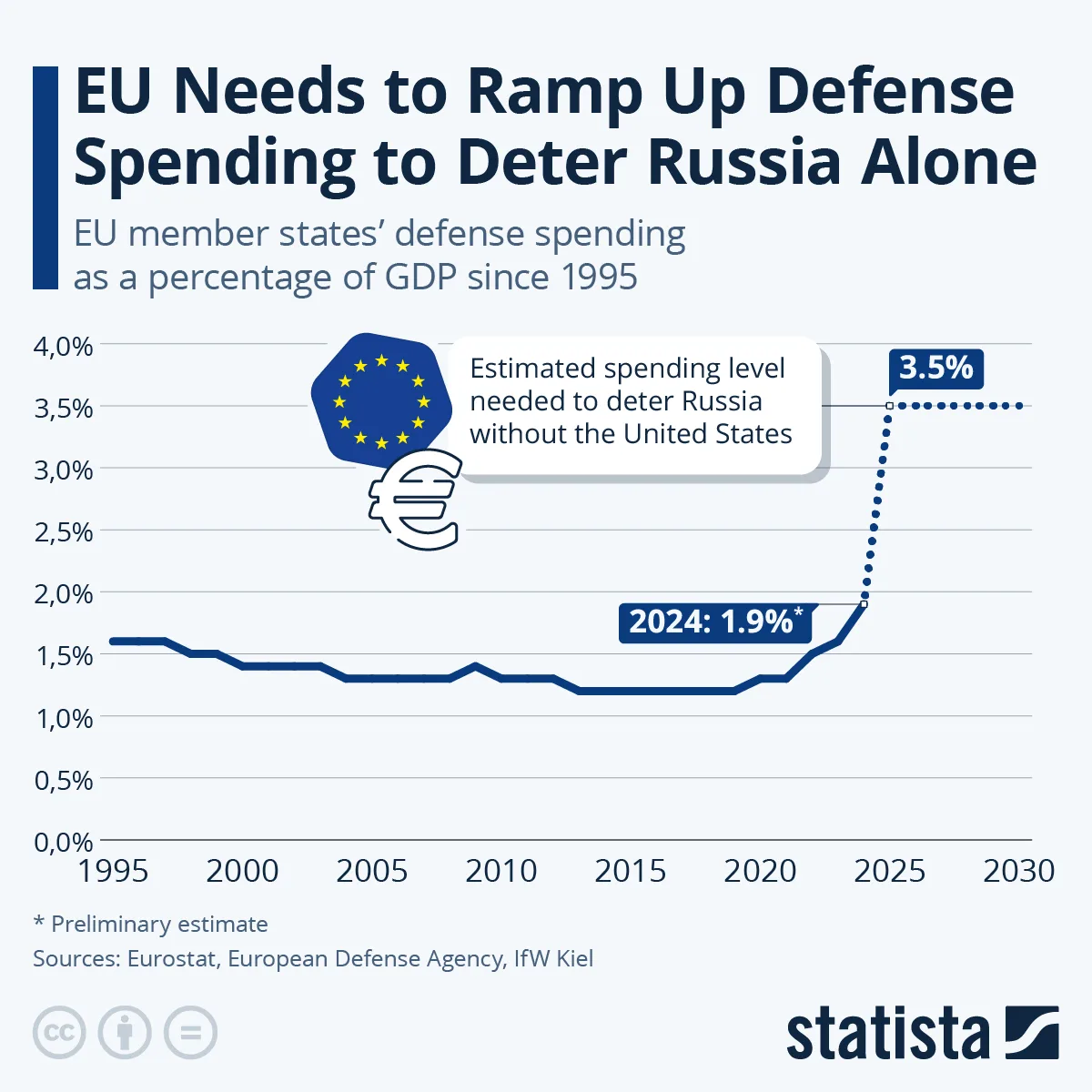
    According to research from the Kiel Institute for the World Economy, the European Union must significantly ramp up its military expenditures to effectively replace U.S. contributions and act independently in defense operations. Preliminary estimates suggest that the EU would need to allocate an additional 0.12% of its GDP annually to match the U.S. military assistance that has amounted to approximately €64 billion over the last three years.

    The Challenge of Deterring Russia

    However, the need for financial adjustments does not stop at merely compensating for U.S. aid. The researchers further indicate that to genuinely deter Russian aggression and provide substantial support to Ukraine, Europe would have to increase its military spending by about €250 billion each year. This increase would raise the EU’s defense spending from roughly 2% to an ambitious 3.5% of GDP annually.

    Economic Viability of Increased Defense Budget

    Professor Guntram Wolff, a co-author of the analysis, asserts that these financial requirements are manageable within the context of the EU’s economic strength. He remarked that the additional costs would only constitute around 1.5% of the EU’s gross domestic product. For comparison, this figure is considerably less than the financial mobilization required during the crisis of the Covid-19 pandemic, suggesting that Europe has the capacity to absorb increased spending on defense.

    Potential Economic Benefits

    Interestingly, beyond mere defense logistics, this proposed increase in military expenditure may bolster the European economy. A strategic approach that involves debt-financed defense spending could act as an economic stimulus, particularly if these funds are dispersed within EU nations experiencing declining external demand due to U.S. tariffs and ongoing trade disputes. The interplay of military investments and economic growth could provide a dual benefit for the region – enhancing both security and financial stability.

    Historical Spending Patterns in Defense

    Historically, the EU has maintained a defense spending average hovering around 1.5% of GDP for the past three decades. The data from Eurostat and recent estimates from the European Defence Agency illustrate the significant shift required to meet the new defense spending benchmark necessary to ensure regional stability.

    The Path Forward for EU Defense Initiatives

    As Europe navigates its complex security landscape, the necessity for a robust and independent defense framework has never been clearer. The challenges posed by potential reductions in U.S. military aid necessitate urgent and strategic dialogue among EU members regarding defense contributions and spending. The careful analysis of financial implications, coupled with the potential benefits to the European economy, positions this discourse at the forefront of contemporary EU policy considerations.

  • EU’s 3.9M Tonnes of Russian Fertilizer Imports in 2023

    EU’s 3.9M Tonnes of Russian Fertilizer Imports in 2023

    EU’s Continued Purchase of Russian Fertilizers Amidst Ongoing Conflict

    The tension in Ukraine has sparked widespread debates regarding the European Union’s reliance on Russian commodities, particularly fertilizers. Despite extensive sanctions imposed on Russia’s gas and oil sectors, a significant proportion of fertilizers continues to flow into Europe. This blog delves deeper into the implications of this ongoing trade and the reactions surrounding it.

    The Context of the Ongoing Conflict

    Background of the Ukraine War

    Since the onset of the Ukraine war in February 2022, numerous countries, particularly in the West, have expressed solidarity with Ukraine through various sanctions aimed at crippling Russia’s economy. These measures focused primarily on the energy sector, which is crucial for funding the conflict, yet they also unveiled a complicated dependency on other commodities, notably fertilizers.

    Economic Sanctions: A Double-Edged Sword

    The sanctions imposed on Russia aimed to stifle its economic capabilities and limit its capacity to finance military operations. However, the consequences of these sanctions have demonstrated that some sectors, such as agriculture, have remained untouched. The ongoing importation of Russian fertilizers poses a significant dilemma for policymakers.

    Recent Data on Fertilizer Imports

    Import Figures and Trends

    Recent data from Eurostat reveals that the EU imported approximately 3.9 million tonnes of Russian fertilizers in 2023 alone. This trend continued into 2024, where an additional 3.7 million tonnes were recorded in just the first nine months. Notably, the import figures for July 2024 were striking, showing an increase of 50 percent compared to July 2021, underscoring the EU’s continued reliance on Russian agricultural outputs.

    EU’s Trade Policies

    The European Commission has proposed significant tariff increases on Russian fertilizers, aiming to raise the current tariff from 6.5 percent to a staggering 100 percent over three years. This proposal indicates a shift in strategy, as the EU seeks to reduce its dependency on Russian commodities without compromising agricultural productivity within its borders.

    Proposed Tariffs and Their Implications

    Tariff Structure

    If implemented, the new tariffs would substantially increase the cost of importing nitrogenous fertilizers, potentially amounting to €315 per tonne, while other fertilizers could rise to €430 per tonne. This initiative aims not only to curtail financial flows to Russia but also to foster domestic production and diversify supply chains within the EU.

    Potential Outcomes for European Agriculture

    While the protective measures are designed to bolster local farmers, many within the agricultural sector are apprehensive. The increased production costs resulting from higher tariffs could lead to challenges for European farmers, especially amidst fears that domestic supply might not keep pace with demand.

    The Call for Increased Economic Pressure

    CEPA’s Report and Recommendations

    The Center for European Policy Analysis (CEPA) has recently reiterated its position regarding the need for enhanced economic pressure on Russia. A report released by the organization advocates for secondary sanctions targeting companies that continue to bolster Russia’s war efforts. CEPA’s critique highlights the perceived caution of the Biden-Harris administration’s foreign policy approach, arguing that a more robust stance is essential to prevent a prolonged stalemate in the conflict.

    Global Food Security Concerns

    One of the EU’s critical considerations has been global food security. The reluctance to impose sanctions on Russian agricultural products stems from fears that such measures could exacerbate food shortages worldwide. The balancing act between supporting domestic production and ensuring global food supply remains a contentious issue.

    Farmers’ Concerns

    Production Costs and Demand

    European farmers are voicing their worries over anticipated increases in production costs attributed to the proposed tariffs. There are significant uncertainties about whether the local agricultural sector can rise to the challenge of meeting demand, particularly in light of potential shortages and rising prices.

    The Future of Agricultural Independence

    The debate surrounding dependency on Russian fertilizers is not just about economic factors; it delves into profound issues of agricultural independence and resilience in the face of geopolitical conflicts. As EU policymakers navigate these complex waters, the future of farming in Europe hangs in the balance.

    In navigating the intricate relationship between agricultural dependency and geopolitical considerations, the EU faces pivotal decisions that will shape its economic landscape for years to come.

  • Apple Stops Selling Three iPhones In The EU Here’s Why

    Apple Stops Selling Three iPhones In The EU Here’s Why

    As of today, the iPhone 14, iPhone 14 Plus, and third-generation iPhone SE are no longer available for purchase in most countries within the European Union. This change was anticipated following the EU’s new guidelines that mandated all mobile devices to adopt USB-C charging standards.

    You will not find these models for sale online in multiple EU countries, including Austria, Belgium, Denmark, Finland, France, Germany, Ireland, Italy, the Netherlands, Spain, Sweden, and others, as reported by MacRumors. The iPhone 14 series was the last to utilize Lightning cables, so instead of refreshing an outdated model, Apple opted to remove these devices from the market entirely.

    However, these phones remain available for sale in the United Kingdom, as it is not part of the EU following its exit in 2020. Apple started limiting their availability in stores last week, but you might still encounter an occasional iPhone 14 in an Apple Store or from certified retailers. Additionally, since the iPhone SE still relies on Lightning chargers, it too has been discontinued. Nevertheless, the iPhone SE 4 is expected to launch in the coming months, likely incorporating US-C charging.

    The bottom of an iPhone 14, showcasing its speaker grille and Lightning port.
    Joe Maring / Digital Trends

    In October, the European Parliament voted to harmonize charging solutions across all devices. This means that laptops, smartphones, tablets, and other gadgets must adopt a standard USB-C plug, and devices capable of 100W power delivery will also need to comply with this standard. The deadline for implementing this change is the end of the year, and Apple is making the transition just in time with only four days to spare.

    “The common charger will finally become a reality in Europe,” noted Parliament rapporteur Alex Agius Saliba. By standardizing charging options, the EU aims to strengthen consumer protections and enhance convenience for users.

  • 2024: Irregular Border Crossings Drop 40%, New Routes Surge

    2024: Irregular Border Crossings Drop 40%, New Routes Surge

    Major Shifts in Irregular Border Crossings in 2024

    The Migration Landscape: An Overview

    Migration is an enduring human experience shaped by myriad factors, including conflicts, economic hardship, and climate change. As people flee adverse conditions in search of security and better opportunities, the pathways they choose can often become perilous. A significant number of migrants resort to irregular border crossings, exposing themselves to life-threatening situations in the process.

    Key Findings from Frontex Data

    Recent statistics from Frontex, the European Agency dedicated to managing border safety and cooperation, reveal profound changes in migration patterns between 2023 and 2024. The data covers irregular border detections over the first eleven months of 2024, showcasing a marked decrease in some routes while others are witnessing significant increases.

    Overall Decline in Irregular Crossings

    The total number of irregular border crossings detected in the European Union has dropped by an impressive 40% in 2024 compared to the previous year. This overall reduction signals a shift in migration dynamics, with some key routes experiencing dramatic decreases:

    • Western Balkans: A staggering reduction of 79% in detected crossings.
    • Central Mediterranean: A decline of 59%, although it still remains one of the most active routes with 62,034 detections.

    Routes Experiencing Increases

    Despite the overall decline, certain migration routes have seen an uptick in activity, largely attributed to deteriorating conditions in origin countries and the activities of human traffickers.

    West African Route

    • With 41,756 detections, there has been a notable 19% increase from 2022, marking the highest figures since Frontex began tracking such data in 2009.
    • This surge is associated with worsening security and humanitarian crises in the region, where criminal networks are increasingly sending individuals by boat to the Canary Islands.

    Eastern Mediterranean Route

    • This route has also seen an increase of 18% in irregular crossings during the same period. The fatalities recorded in these perilous crossings are alarming, with a total of 2,233 people reported dead or missing in the Mediterranean Sea in 2024.

    The Tragedy of Loss at Sea

    The Mediterranean remains a treacherous frontier for migrants, with the Central Mediterranean route being the deadliest. The tragic statistics encapsulate the dire circumstances faced by many:

    • Central Mediterranean: 1,658 lives lost
    • Western Mediterranean: 409 lives lost
    • Eastern Mediterranean: 164 lives lost
    • Western Africa/Atlantic: 2 lives lost

    Eastern Land Borders: A Dramatic Increase

    Perhaps the most startling statistic comes from the Eastern land border:

    • An astonishing 200% increase in irregular crossings, totaling 16,530 detections.
    • The majority of these crossings involved Ukrainian men of military age, numbering 13,847, reflecting ongoing geopolitical tensions.

    Demographic Breakdown of Detections

    Analysis of demographic data reveals significant patterns among those attempting to cross into the EU:

    • Top Nationalities: Syrians, Malians, Bangladeshis, Ukrainians, and Afghans constituted the largest groups among irregular crossings.
    • Syrian Migrants: Accounting for 27.8% of total irregular detections in 2023, with 107,080 crossings reported throughout the entire year.
    • Other Nationalities: Guineans and Senegalese also formed substantial groups, indicating a complex tapestry of migration origins.

    Observing Trends in Irregular Migration

    Rapid shifts in migration routes and the demographics of those involved shed light on the changing humanitarian landscape. Notably, the emphasis on irregular crossings illuminates the underlying crises pushing individuals to undertake such perilous journeys.

    The need for comprehensive data collection and tracking systems is critical as the EU grapples with these ongoing migration challenges. As migration continues to evolve, so too must the responses aimed at safeguarding the rights and lives of those on the move.

  • 2023 EU Migration: Only 9% Are Irregular Entries

    2023 EU Migration: Only 9% Are Irregular Entries

    Understanding EU Migration: The Role of Irregular Entries

    Migration within the European Union has been a topic of extensive discussion, particularly in light of recent political narratives. It’s important to examine the factual landscape of migration, especially concerning the notions of irregular migration versus legal migration. The statistics speak for themselves, revealing a more complex picture than often portrayed.

    The Current Landscape of Migration in the EU

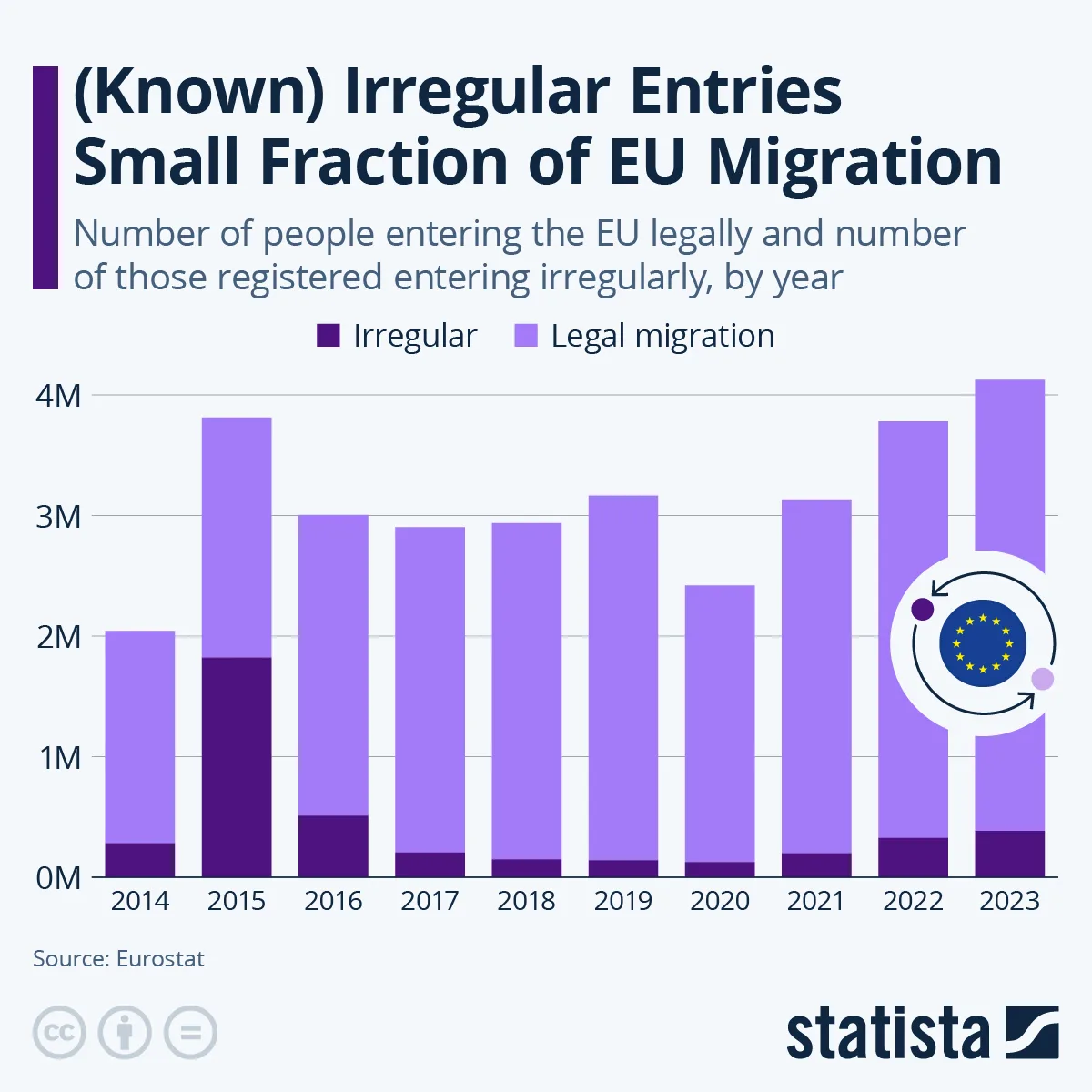
    According to Eurostat data, the migration landscape in the EU saw significant movement in 2023, with approximately 4.1 million individuals migrating to the region. This figure underscores the dynamic nature of migration and the various factors driving people to seek opportunities within the EU.

    Legal vs. Irregular Migration

    A key aspect of this migration is the distinction between legal and irregular migrants. In 2023, less than nine percent of those who migrated were classified as irregular migrants. This statistic serves to highlight that the overwhelming majority of individuals moving to the EU are doing so through legal channels.

    • Legal Migration: This category encompasses those who enter the EU with visas, work permits, and other formal pathways that align with immigration regulations.
    • Irregular Migration: This involves individuals who enter the EU without proper documentation or who overstay their visas. While a matter of public concern, irregular migration constitutes only a small fraction of total migration flows.

    Historical Context of Irregular Migration

    To understand the significance of the current data, it is helpful to look back at trends in migration. The year 2015 marked a turning point in Europe’s migration policy, characterized by a notable surge in irregular migration, which led to widespread political and social debates.

    The Peak of Irregular Migration

    During the height of the migration crisis in 2015, irregular migrant arrivals reached unprecedented levels:

    • Volume: The influx of individuals seeking asylum and a better life overwhelmed many EU nations, leading to a scramble for effective policy responses.
    • Policy Implications: The crisis prompted the EU to rethink its approach to immigration, culminating in stricter border controls and collaborative efforts among member states to manage migration flows.

    Current Trends in Migrant Arrivals

    Fast forward to 2023, and the dynamics of migration have changed significantly. Last year’s surge in migrant numbers, driven primarily by legal avenues, illustrates a shift in patterns.

    Analyzing the Numbers

    • Legal Migrant Dominance: The latest data reveals that the spike in arrivals is almost entirely due to individuals migrating through established legal routes rather than an increase in irregular entries.
    • Comparative Analysis: Current irregular migration figures are substantially lower than the peak levels recorded in 2015, indicating that the EU has made strides in managing and regulating migration flows more effectively.

    Political Perspectives on Migration

    Despite the data indicating a relatively low percentage of irregular migrants, political discourse around migration remains fraught with differing opinions. Politicians express varying beliefs about the implications of migration, often fueling public sentiment and policy decisions.

    The Role of Rhetoric

    The narratives surrounding migration can significantly influence public perception. For some politicians, emphasizing irregular migration serves to evoke concerns about security, social services, and the strain on national resources.

    • Debates and Policies: As these narratives unfold, they shape legislative actions aimed at tightening immigration controls or, conversely, supporting humanitarian efforts to assist migrants.

    Conclusion (not included as per instruction)

    To explore further, continue examining how migration dynamics evolve with policy changes, economic conditions, and global events impacting migration flows into the EU. This complex web reflects not only statistical data but also the human stories and experiences that lie behind the numbers.

  • CaixaBank Aims to Boost €100 Billion for Sustainability by 2027

    CaixaBank Aims to Boost €100 Billion for Sustainability by 2027

    A Strategy with Two Goals

    Unveiled on November 27, 2024, CaixaBank’s updated strategy is designed to achieve two significant objectives: advancing toward a more sustainable economic model while simultaneously fostering economic and social development for individuals.

    At the core of CaixaBank’s commitment to achieving net zero emissions, this substantial investment is set to support the bank in reaching its aspirational goals for 2030 and ensuring a sustainable future by 2050.

    The bank intends to increase funding in innovative solutions such as renewable energy, sustainable transportation, and the decarbonization of industries.

    On the social side, the initiative aims to positively impact approximately 150,000 people, with a focus on financial and social inclusion, future planning, enhancing wellbeing for seniors, and strengthening support for entrepreneurship and job readiness.

    This commitment takes on added significance in light of the severe flooding that has recently affected parts of Spain. In light of these disasters, CaixaBank’s dedication to community support and resilience gains a new level of importance.

  • 20% of Hospitality Jobs in EU Remain Unfilled Due to Skills Gap

    20% of Hospitality Jobs in EU Remain Unfilled Due to Skills Gap

    The Hospitality Skills Shortages in Europe: An In-Depth Analysis

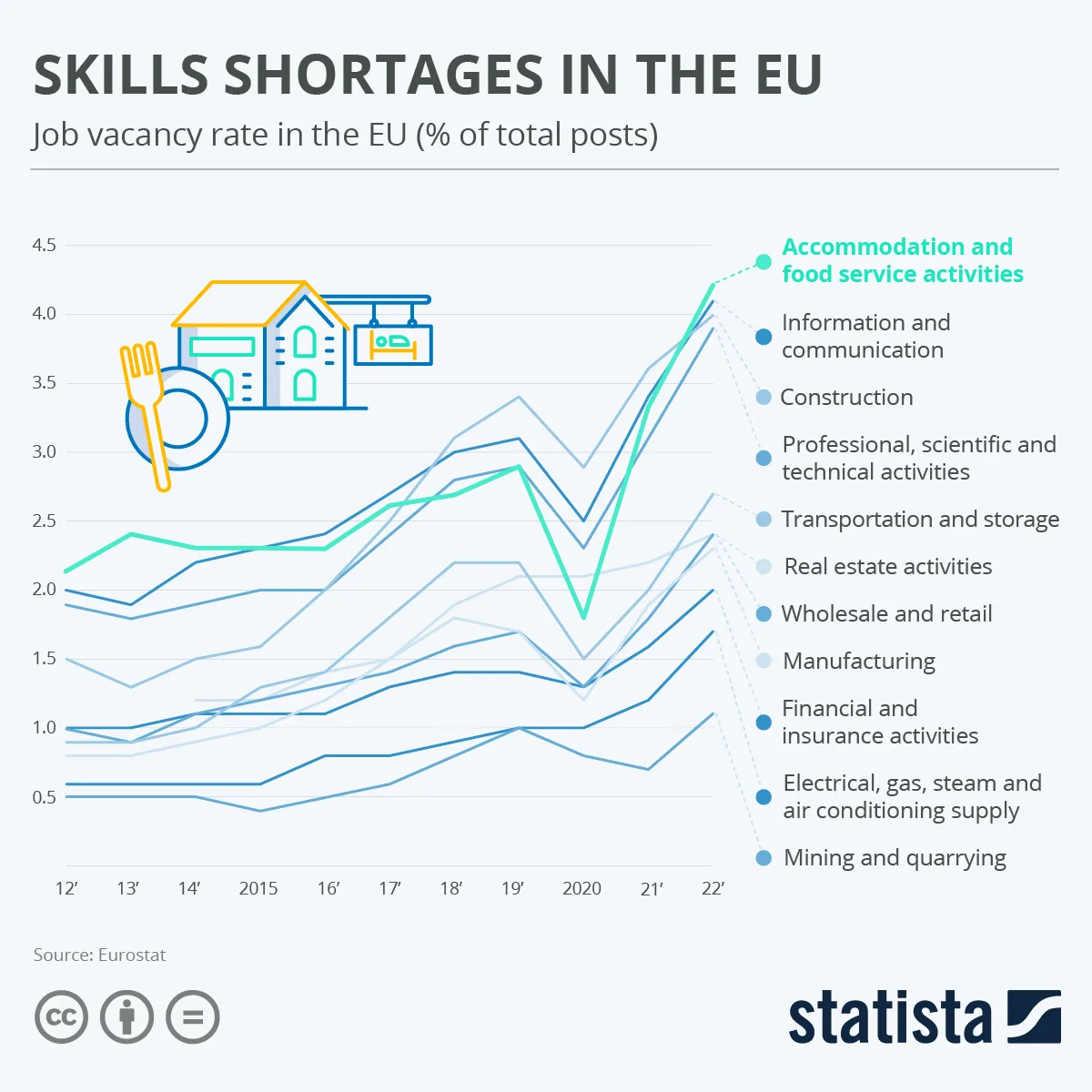
    The hospitality sector across Europe is experiencing a pressing crisis of skills shortages, which poses a significant threat to its growth and operational efficiency. Strikingly, between 10% and 20% of positions within the accommodation sector remain unfilled due to a scarcity of skilled applicants. This phenomenon is exacerbated by a workforce that frequently lacks the necessary qualifications, particularly among younger employees.

    The Current Landscape of Skills Shortages

    Unfilled Positions and Qualification Gaps

    A recent analysis reveals that a significant portion of the workforce, especially individuals under 25, possesses lower-than-average qualifications. In Spain, for instance, approximately 16% of workers within the accommodation sector have only completed primary education. This alarming statistic highlights a systemic issue within the training and educational frameworks aimed at preparing future hospitality professionals.

    Dual-Sided Skill Difficulty

    The skills shortage affects both ends of the spectrum. On one hand, there is a struggle to attract highly skilled professionals, including those with university degrees. On the other hand, retaining trained staff is equally challenging, creating a vicious cycle of turnover and talent loss. As existing employees seek better opportunities, organizations face the added burden of constantly searching for replacements, which can drain resources and destabilize operations.

    Industry Response to the Skills Crisis

    Call for Robust Skills Development Programs

    Key industry stakeholders, such as the European Federation of Food, Agriculture and Tourism Trade Unions (EFFAT) and Hotrec, are raising alarm bells regarding the current state of skills development. These organizations advocate for the implementation of more robust training programs designed to enhance both recruitment and retention so that they can develop a more competent workforce.

    Lifelong Learning and Digital Access

    The European Commission has acknowledged the urgent need for interventions to bridge the skills gap. Emphasis is placed on providing digital access to learning resources and promoting lifelong learning opportunities. Such measures are critical not only for addressing current shortages but also for future-proofing the industry against ongoing challenges.

    Challenges Faced by Small and Independent Accommodations

    Disparities in Training Resources

    Small and independent accommodations particularly suffer from a shortage of resources to provide formal training. This disadvantage limits their ability to compete with larger hotel chains that typically have structured training programs. Consequently, small businesses are left vulnerable in a competitive market, unable to nurture talent adequately or grow their workforce’s skill set.

    The Impact on Operational Efficiency

    The inability to attract and retain a skilled workforce can seriously undermine operational efficiency. Businesses that lack qualified staff may struggle with service delivery, leading to a decline in customer satisfaction. This can have long-term implications for customer loyalty, brand reputation, and ultimately, the financial performance of the organization.

    The Path Forward: Strategies for Future Competitiveness

    Emphasizing Education and Training Initiatives

    Addressing the skills shortage will require well-coordinated efforts that involve both public and private sectors. By investing in education and training programs that align with the needs of the hospitality industry, stakeholders can contribute to a more sustainable workforce. This could include formal partnerships with educational institutions, vocational training programs, and apprenticeships that offer real-world experience.

    Creating Inclusive Learning Environments

    Furthermore, fostering inclusive learning environments that accommodate various learning styles and educational backgrounds is essential. This can empower a broader range of potential candidates, enhancing diversity within the sector and addressing the skills gap from multiple angles.

    In summary, the hospitality sector in Europe faces a multifaceted skills crisis that demands immediate attention. Through collaborative initiatives, strategic investments in training, and a commitment to lifelong learning, the industry can work towards a more resilient and capable workforce that meets the demands of the modern economy.

  • Accommodation Sector: 2021 Sees 100% Productivity Growth

    Accommodation Sector: 2021 Sees 100% Productivity Growth

    The Dynamics of Productivity in the European Accommodation Sector

    Understanding the Productivity Landscape from 2007 to 2021

    The European Central Bank (ECB) released a notable report in 2021 that painted a concerning picture of labor productivity trends across various sectors. The report indicated a significant deceleration in productivity gains from 2007 to 2021, highlighting broader economic challenges faced by different industries. Key to understanding these shifts is the role of resource reallocation—where labor and capital are moved from less productive entities to more productive ones. This mechanism has traditionally fueled productivity growth across sectors, including manufacturing and trade. However, the report also revealed a disappointing trend: within-firm productivity growth during this period has generally been negative, creating a drag on economic performance across industries.

    The Exception: The Accommodation Industry

    Amidst a backdrop of lagging productivity, the accommodation sector emerged as a unique outlier. While most industries struggled with stagnation, the accommodation sector not only maintained its productivity but actually experienced growth. This unexpected success can largely be attributed to a confluence of factors, primarily the rise of digital platforms in the travel industry.

    Factors Contributing to Growth

    1. Digital Transformation and Online Travel Platforms
      The increasing adoption of online travel platforms has revolutionized how accommodations operate. These platforms have enabled small and medium-sized enterprises (SMEs) to gain visibility on a global scale. Traditional challenges associated with marketing and client engagement have been mitigated, allowing smaller accommodations to thrive in a competitive marketplace.

    2. Strategic Partnerships
      Collaborations between small accommodations and larger digital platforms have been instrumental. These partnerships have provided SMEs access to technology, marketing tools, and a wider customer base, thus enhancing their operational capabilities. This integration has proven critical in elevating the presence and efficiency of smaller players in the market.

    3. Increased Competitiveness
      The accommodation sector’s responsiveness to consumer demands and preferences further facilitated productivity growth. By leveraging technology, the industry could adapt more swiftly to changing market conditions, enhancing their competitive edge relative to businesses reliant on traditional methods.

    Insights into the Challenges of Productivity Growth

    Despite the positives in the accommodation sector, it’s essential to acknowledge that increasing productivity among SMEs remains notoriously challenging. Many small businesses often struggle with resource limitations and access to advanced technologies, which can impede their growth potential. The key takeaway from the accommodation industry’s success story is not merely a narrative of growth, but rather an exploration of how strategic digital transformation can serve as a powerful equalizer in a sector that has historically faced hurdles.

    The Broader Implications of the Accommodation Sector’s Success

    The success of the accommodation industry may serve as a blueprint for other sectors seeking to leverage technology for productivity gains. The case illustrates that even in traditionally lower-tech industries, significant improvements are possible through the adoption of digital tools and platforms. As competition increases, the ability to innovate and adapt will define future success across various sectors.

    By focusing on technological integration and fostering partnerships between different scales of businesses, industries can unlock new pathways for productivity that were previously viewed as unattainable. The accommodation sector exemplifies that with the right strategies, even small players can navigate challenging economic landscapes and emerge stronger.

  • EU Urges Apple to Make iPhone OS More Accessible

    EU Urges Apple to Make iPhone OS More Accessible

    The European Union has sent a stern warning to Apple Inc., urging the company to update its iPhone and iPad operating systems to comply with new digital antitrust laws or risk facing hefty fines, as reported by Bloomberg.

    Under the recently implemented Digital Markets Act (DMA), the EU expects Apple to improve compatibility with competing technologies.

    EU officials have allowed Apple a six-month period to adhere to these regulations, which are designed to ensure that other companies can access vital functionalities of Apple’s operating systems.

    If Apple fails to fulfill these conditions, it could incur significant financial repercussions.

    Margrethe Vestager, the EU’s competition chief, highlighted the importance of interoperability, stating, “This is the first occasion we are utilizing specification proceedings under the DMA to steer Apple toward proper adherence to its interoperability responsibilities.”

    In addition to this, Apple’s App Store policies are also facing examination, which could lead to further penalties.

    Earlier this month, Apple introduced its latest iPhone 16, which includes moderate hardware upgrades along with anticipated advancements in artificial intelligence.

    Nonetheless, the company has acknowledged that certain features, such as Apple Intelligence and SharePlay Screen Sharing, might experience delays in the EU due to the interoperability stipulations set forth by the DMA.

  • EU Slaps Apple with Over $500 Million Fine for Antitrust Violations in Music Streaming

    EU Slaps Apple with Over $500 Million Fine for Antitrust Violations in Music Streaming

    European Union has announced a staggering fine of more than $500 million as a consequence of an antitrust investigation centered on the company’s conduct regarding access to music streaming platforms.

    This regulatory action comes in response to a formal complaint lodged by Spotify in 2019, accusing Apple of violating EU competition laws by impeding rivals’ entry to its platform and thereby stifling market competition.

    This substantial fine is distinct from Apple’s other legal entanglements, such as the “batterygate” scandal that saw the tech giant settling a lawsuit and agreeing to compensate affected users with a sum ranging from $310 million to $500 million.

    The batterygate controversy stemmed from allegations that Apple deliberately slowed down older iPhone models through software updates designed to manage dwindling battery capacities, inflaming user discontent and sparking legal repercussions.

    Furthermore, Apple finds itself embroiled in a protracted dispute over a colossal €13 billion tax bill in Ireland, where authorities contend that the tech company received preferential tax treatment.

    The ongoing legal wrangle took a recent turn when the advocate general of the European Court of Justice recommended overturning a prior ruling that favored Apple, indicating persistent challenges for the company’s operations within the EU.

    The EU’s punitive action against Apple for its music streaming practices underscores mounting apprehensions over the tech giant’s dominant market position and the imperative enforcement of antitrust regulations to foster equitable competition in the digital landscape.

    The regulatory crackdown serves as a stark reminder to industry behemoths regarding the necessity of upholding fair business practices and ensuring a level playing field for all players in the dynamic tech sector.

  • What Is The EU AI Act? World’s First AI Law 2023

    What Is The EU AI Act? World’s First AI Law 2023

    The European Union’s groundbreaking move to introduce the world’s first comprehensive legislation on Artificial Intelligence (AI) has set the stage for a new era in technology regulation.

    Proposed by the European Commission in April 2021, the European Union Artificial Intelligence Act (EU AI Act) aims to govern the development, deployment, and utilization of AI systems within the EU based on their potential risk to human health, safety, and fundamental rights.

    Summary

    EU AI Act Overview:

    • Objective: Regulate AI systems based on risk to human health, safety, and fundamental rights.
    • Classification: AI systems are categorized by risk levels, each facing different regulatory measures.

    Regulatory Framework:

    • Prohibitions: Systems posing “unacceptable risk” are banned.
    • Obligations: Varied measures for “high” and “limited” risk systems; lighter transparency for limited risk.
    • Governance: Establishes a European AI Board (EAIB) for guidance and advice.

    Key Safeguards:

    • Citizen Protection: Limits on law enforcement biometric systems, bans on social scoring, manipulative AI, and consumer complaint rights.

    Enforcement and Transition:

    • Expected Adoption: Early 2024 with an 18-month transition before full enforcement.

    Significance:

    • Global Impact: Marks a new era in AI regulation and innovation.
    • EU Leadership: Aims to lead in ethical AI while fostering AI sector innovation and competitiveness.

    This milestone legislation categorizes AI systems into risk levels, each corresponding to different regulatory measures. AI systems posing “unacceptable risk” are outright prohibited within the EU. For those under “high risk” or “limited risk” categories, distinct regulatory obligations are assigned. For instance, AI systems presenting limited risk would be subject to less stringent transparency requirements, such as informing users when content is AI-generated.

    The Act specifically addresses the governance of powerful AI models, safeguarding against systemic risks to the Union. It provides robust protections for citizens and democracies, guarding against technology abuses by public authorities. Provisions include limitations on law enforcement’s use of biometric identification systems, bans on social scoring and manipulative AI usage, and provisions allowing consumers to file complaints and receive meaningful explanations.

    Crucially, the Act outlines establishing a governance structure for its enforcement, including forming a European AI Board (EAIB). The EAIB will offer guidance and advice on various aspects of the AI Act, such as standardization, codes of conduct, and risk assessments.

    Anticipated to be adopted in early 2024, with a transition period of at least 18 months before full enforcement, the Act signifies a monumental step in AI regulation and innovation. It reflects the EU’s aspiration to lead in ethical and trustworthy AI globally while nurturing innovation and competitiveness within the AI sector.

    This landmark legislation holds implications for global tech regulation and ethical AI development, heralding a new era in responsible AI usage and regulation.

  • Meta to Launch Ad-Free Plan for Instagram and Facebook at €9.99 Per Month

    Meta to Launch Ad-Free Plan for Instagram and Facebook at €9.99 Per Month

    In January 2023, Meta faced significant backlash from the European Union, resulting in a hefty €377 million fine for the tech giant. Since then, Meta has made substantial adaptations to its applications to align with EU regulations. These changes have culminated in the introduction of their ad-free subscription service.

    This move is in accordance with the European Union’s Digital Marketers Act legislation, which mandates that companies must obtain user consent before tracking them for advertising purposes—an aspect Meta had previously overlooked.

    To comply with this rule while maintaining its ad-supported business model, Meta is rolling out an ad-free subscription service. This service caters to users who prefer not to see targeted ads on their Instagram and Facebook feeds, all while bolstering the company’s revenue.

    Subscription Cost

    • For Desktop: €9.99 per month.
    • For Android or iPhone: €12.99 per month.

    The subscription price varies based on where you make the purchase. If you opt for the ad-free plan via Meta’s desktop platform, it will cost €9.99 per month. However, if you choose to subscribe on your Android or iOS device, the price increases to €12.99 per month. This difference is likely due to fees imposed by Apple and Google, with Meta passing those costs on to users rather than absorbing them.

    Availability

    Starting in November 2023, users will have access to the subscription service. However, Meta has not specified an exact launch date. It will be available in the following countries;

    1. Austria
    2. Belgium
    3. Bulgaria
    4. Croatia
    5. Republic of Cyprus
    6. Czech Republic
    7. Denmark
    8. Estonia
    9. Finland
    10. France
    11. Germany
    12. Greece
    13. Hungary
    14. Iceland
    15. Ireland
    16. Italy
    17. Latvia
    18. Lichtenstein
    19. Lithuania
    20. Luxembourg
    21. Malta
    22. Norway
    23. Netherlands
    24. Poland
    25. Portugal
    26. Romania
    27. Slovakia
    28. Slovenia
    29. Spain
    30. Switzerland
    31. Sweden.

    Can You Use Instagram and Facebook Without Subscribing to Meta’s Ad-Free Plan?

    According to Meta’s statement, they firmly believe in an ad-supported internet, providing personalized products and services to users, regardless of whether they subscribe to the ad-free plan or not.

  • What is Project Clover by TikTok? And Why Does It Matter?

    Discover Project Clover from TikTok, a project focusing on the EU that aims to secure and safeguard user data using cutting-edge, industry-leading techniques.

    Project Clover, a new initiative from TikTok, the well-known short-form video hosting platform with more than 1 billion users worldwide, aims to establish a secure enclave for European TikTok user data.

    The decision was made in response to a growing political backlash against the Chinese-owned app, particularly in the US and Europe. Everything you need to know about Project Clover, its importance, and how it affects you will be covered in this blog.

    Data Sovereignty: What it means and why it matters

    Data sovereignty is the idea that data is governed by the laws and rules of the nation in which it is gathered and stored. This means a company must abide by the local data protection laws if it wishes to conduct business there. In Europe, data protection laws are stringent, with the upcoming Digital Services Act (DSA) set to introduce even more rigorous regulations.

    Project Clover: What is it, and how does it work?

    TikTok is implementing Project Clover, a set of new privacy and security initiatives to appease EU regulators and alleviate worries about its data-harvesting practices.

    The project combines newly announced initiatives with those already publicised to establish a secure enclave for European TikTok user data. These programmes comprise:

    Local data centres

    To ensure that the data of European users are stored locally, TikTok plans to invest in regional data centres in Europe. Ireland’s first data centre was supposed to open last year, but numerous delays have occurred. TikTok has now revealed plans for two additional data centres in Ireland and another in Norway.

    Migrating data to European servers

    According to TikTok, the migration of European users’ data to European servers will begin this year and last through 2024. This action is essential to appeasing EU regulators and allaying worries that personnel in China might have access to user data from Europeans.

    New data access and control processes

    Project Clover will usher in new data access and control processes, including security gateways that determine which employees can access European TikTok user data. Additionally, TikTok will hire a reputable security firm in Europe to audit its data practices and controls.

    Advanced technologies

    To incorporate advanced technologies into its current systems, TikTok plans to collaborate with outside businesses. This includes personal data pseudonymisation, which makes it more challenging to identify individual users in the event of a data breach.

    Why is Project Clover significant?

    Project Clover is important because it affirms TikTok’s dedication to a European data governance strategy that prioritises user data security and complies with data sovereignty. TikTok aims to address the political unhappiness with the platform and foster trust with European regulators and users by adhering to EU data protection laws and introducing new privacy and security measures.

    There are other programmes of this nature besides Project Clover. Other significant technology firms, typically led by Europe, have promoted their commitment to digital sovereignty, including Microsoft, Google, and Amazon’s AWS. For instance, Google and Amazon’s AWS have been growing their European data centres. At the same time, Microsoft launched Microsoft Cloud for Sovereignty for public sector customers.

    How Does Project Clover Affect TikTok Users?

    By moving users’ data to European servers, implementing new data access and control procedures, and hiring a reputable security firm to audit its data controls and procedures, Project Clover aims to improve data privacy and security for TikTok users in Europe. As a result, European TikTok users can feel more secure knowing that their data is protected and their privacy is upheld.

    Nevertheless, whether these initiatives will effectively assuage regulators and politicians worried about TikTok’s connections to China and potential threats to national security is unclear.

    Bottom Line

    Project Clover is a significant move by TikTok to address concerns over its data-harnessing practices and build trust with European regulators and users.

    TikTok aims to establish a secure enclave for European TikTok user data by adhering to EU data protection laws and implementing new privacy and security measures.

    The project includes several initiatives strengthening TikTok’s dedication to data sovereignty and protecting user data, including new data access and control processes and local data centres.