Tag: Booking.com

  • Global Travel Spending Set to Rise 14% in 2025

    Global Travel Spending Set to Rise 14% in 2025

    Travel Outlook for 2025: A Bright Future Ahead

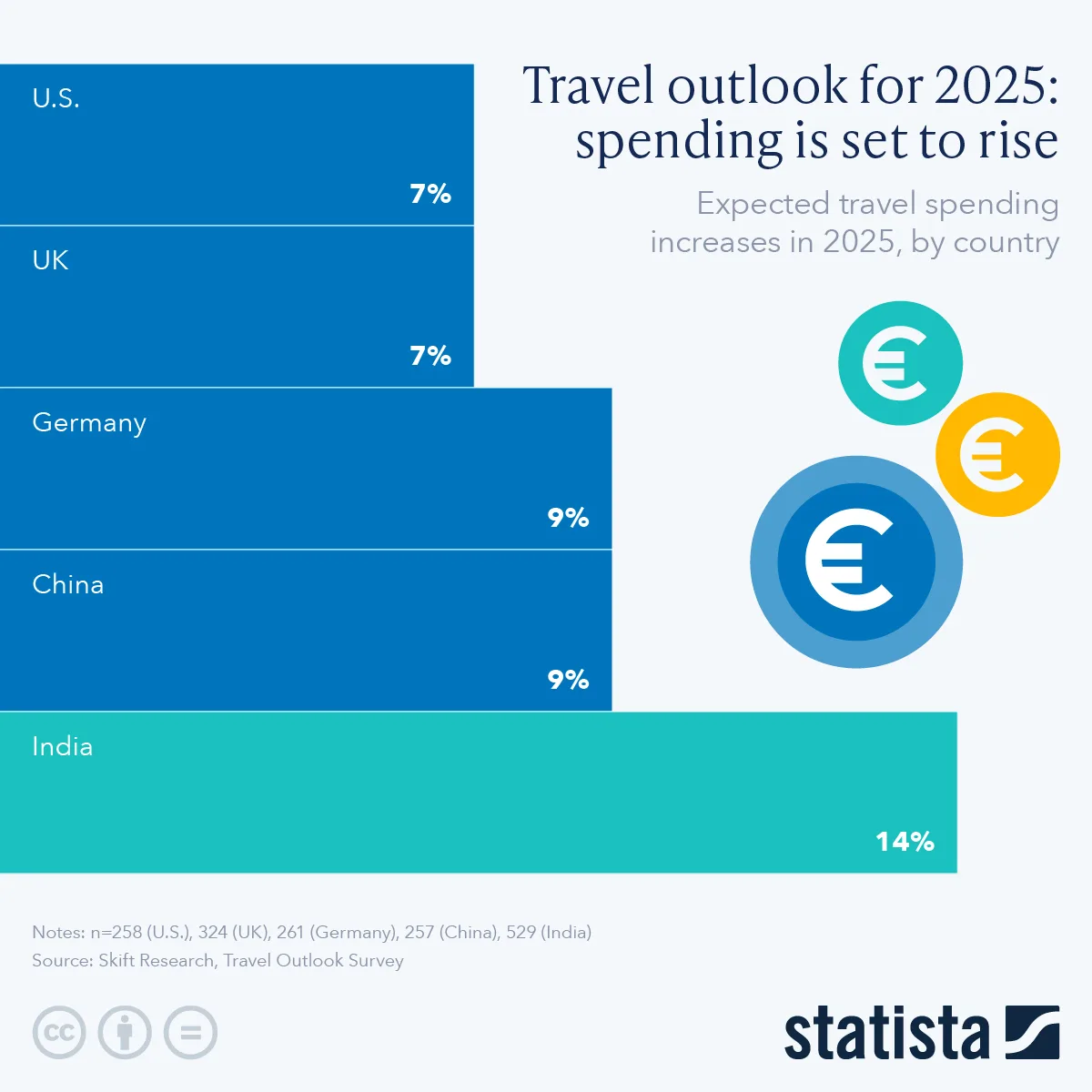
    As we look ahead to 2025, the travel industry is poised for significant growth. According to Skift Research’s Global Travel Outlook 2025, travelers from across five major countries are expressing a strong desire to increase their travel spending, reflecting a renewed optimism in global exploration and adventure. This upbeat sentiment is particularly pronounced among Indian travelers, who lead the charge with expectations to boost their trip expenditures by an impressive 14%.

    The Factors Driving Increased Travel Spending

    Post-Pandemic Recovery

    The gradual recovery from the COVID-19 pandemic has rekindled the wanderlust in many consumers. With restrictions easing and vaccination rates soaring, travelers feel more confident planning their trips again. This return to normalcy has sparked excitement and an eagerness to achieve the travel experiences that were put on hold during the pandemic.

    Economic Growth and Increased Disposable Income

    Economic indicators suggest that many countries are experiencing robust economic growth, which translates to increased disposable income for consumers. This financial flexibility equips travelers with the ability to invest more in leisure, culture, and exploration. A thriving economy not only encourages travel but also impacts the confidence of consumers in making larger purchases such as vacations.

    Insights from the Survey: Country-Specific Trends

    Indian Travelers Lead the Charge

    The survey reveals that Indian travelers are at the forefront of increased travel spending plans, intending to devote 14% more of their budget to travel. This ambitious approach can be attributed to factors such as a vibrant domestic travel market, rising incomes, and a burgeoning middle class eager to explore both local and international destinations.

    Other Countries’ Perspectives

    While India is leading the pack, travelers from other surveyed countries also anticipate spending more in 2025. Here, we can delve into trends from other key nations:

    • United States: With a strong emphasis on international travel and experiencing new cultures, American travelers are expected to allocate more funds towards overseas trips, resulting in a broader global footprint.
    • United Kingdom: British travelers are keen on holidaying in European destinations, with plans to increase expenditures on accommodations and premium experiences, such as fine dining and exclusive tours.
    • Australia: Australians are likely to indulge in travel closer to home, enhancing their spending on local adventures and unique experiences that showcase their country’s natural beauty.

    The Impact of Travel Trends on the Industry

    Rise of Experiential Travel

    As travelers prepare to spend more, there is a notable shift towards experiential travel. Travelers increasingly desire immersive experiences that allow them to connect with different cultures and communities. This trend encourages industry players—from airlines to local tour operators—to innovate and offer packages that highlight authentic cultural experiences over traditional tourist attractions.

    Emphasis on Sustainable Travel

    Another influential trend is the heightened focus on sustainability. As consumers become more environmentally conscious, there is a demand for travel options that prioritize eco-friendliness. Traveling sustainably not only benefits the environment but also appeals to a growing segment of the population that places value on responsible tourism.

    Shifting Expectations in the Travel Experience

    Personalization of Travel

    With more money to spend, travelers are also looking for personalized interactions and tailored experiences. The travel sector is responding with customized itineraries, personalized services, and unique accommodations that align with individual preferences. This demand drives innovation in how travel services are marketed and delivered.

    Technology Integration

    Technology continues to transform the travel landscape, with advancements in mobile apps, virtual reality, and AI-driven solutions enhancing the traveler experience. From planning to booking and enjoying one’s trip, technology helps streamline processes, making travel more accessible and enjoyable.

    Conclusion (Omitted)

    Travel for the future looks promising as increased spending, consumer confidence, and innovative trends pave the way for a vibrant industry revival in 2025 and beyond.

  • Direct Bookings Rise: 2019-2024 Trends for Hotels

    Direct Bookings Rise: 2019-2024 Trends for Hotels

    The Trend of Direct Bookings in the Hotel Industry

    Overview of Booking Preferences

    The travel accommodation landscape has undergone significant changes in recent years, largely influenced by advances in technology and shifts in consumer behavior. According to a recent study by Skift, travelers increasingly prefer to book their accommodations directly through hotel providers’ websites. This trend is particularly noticeable among independent hotels, indicating a growing consumer preference for direct engagements.

    The Shift for Independent Hotels

    Increasing Direct Bookings

    From 2019 to 2024, the share of direct bookings for independent hotels has seen a notable increase. This shift can be attributed to several factors:

    • Enhanced Brand Loyalty: Independent hotels are working harder to build strong relationships with their customers, fostering brand loyalty through personalized marketing and exclusive offers.

    • Improved Online Presence: Many independent hotels have upgraded their websites and booking systems, making the direct booking process more user-friendly and appealing.

    • Better Incentives: Independent hotels often provide unique incentives for booking directly, such as discounted rates or package deals that include additional services like breakfast or late check-outs.

    The Role of Technology

    Technology has played a crucial role in this transformation, enabling independent hotels to compete more effectively with larger chains. By utilizing advanced reservation systems and digital marketing strategies, they can attract travelers directly to their sites.

    Branded Hotels and the Changing Landscape

    A Decline in Online Travel Agency Bookings

    In contrast to independent hotels, branded hotels have experienced a decrease in bookings through online travel platforms. The percentage of bookings made through these platforms dropped from 34% in 2019 to 26% in 2024. Several dynamics can explain this trend:

    • Direct Engagement Strategies: Branded hotels are focusing on direct engagement with their audience, implementing loyalty programs and targeted promotions that encourage consumers to book directly on their websites.

    • Unifying Brand Experience: Branded hotels aim to provide a consistent experience across their various channels, making direct bookings more appealing by ensuring that guests receive the full value of their branding.

    The Importance of Adjusting Marketing Strategies

    As branded hotels navigate this shift, they are continuously refining their marketing strategies to counteract the decline in platform bookings. This includes:

    • Leveraging Big Data: By analyzing consumer data, these hotels can tailor their marketing efforts and make informed decisions about their pricing strategies.

    • Utilizing Social Media: Engaging with potential guests through social media platforms allows branded hotels to foster relationships and encourage direct bookings.

    Implications for Travelers

    Understanding Consumer Behavior

    The evolving dynamics of the hotel booking process provide valuable insights into consumer behavior and preferences. By choosing to book directly, travelers may feel more empowered, as they can access better deals and personalized experiences.

    The Rise of Comparison Websites

    While direct bookings are on the rise, it is important to note that travelers still utilize comparison websites to gauge their options. Many consumers prefer to research and compare different accommodations before making a final decision. Hence, the role of online travel agencies (OTAs) remains pertinent, even as the trend shifts towards direct bookings.

    The Future of Hotel Bookings

    As we move further into 2024 and beyond, it will be intriguing to see how these trends evolve. The competition between independent and branded hotels will likely intensify, prompting both to innovate and refine their approaches to attract and retain guests. Additionally, as consumer preferences continue to shift, the hotel industry must stay agile and responsive to changes in booking behaviors and technologies.

    This dynamic environment sets the stage for an exciting future in the world of travel accommodations, with direct bookings emerging as a prevalent choice among consumers globally.

  • 35% Positive Impact of Vacation Rentals in Europe

    35% Positive Impact of Vacation Rentals in Europe

    The Impact of Short-Term Rentals in Europe: A Closer Look

    Understanding Short-Term Rentals

    Short-term rentals (STRs) have become increasingly popular in Europe, especially in tourist-heavy countries. These accommodations, often facilitated through platforms like Airbnb and Vrbo, allow homeowners to rent out their properties for brief periods. While STRs provide travelers with unique experiences and options, they also generate discussions about their impact on local communities.

    Positive Perceptions of Short-Term Rentals

    Financial Benefits

    A recent study conducted by the European Commission highlighted that 35% of respondents viewed STRs positively for their neighborhoods, with the majority attributing this sentiment to financial benefits. With the rising costs of living in many European cities, STRs can provide much-needed extra income for homeowners, allowing them to cover expenses or invest in further property enhancements.

    Economic Boost to Local Businesses

    The presence of short-term rentals often stimulates local economies. Guests frequently shop at nearby stores, dine at local restaurants, and engage in various leisure activities. This influx of visitors supports small businesses and contributes to job creation within the community.

    Varied Perceptions Across Europe

    Country-Specific Attitudes

    The study revealed that attitudes towards STRs varied significantly by country. In nations renowned for their tourist potential, such as Italy, Greece, and Portugal, respondents were particularly favorable towards the impact of STRs. The essence of hospitality and the cultural expectation of welcoming visitors might play a role in shaping these positive views.

    Contrasting Opinions

    On the flip side, only 12% of participants reported a negative impact from STRs. This minority may be concerned about various aspects, including noise, crowding, and the potential for community disruption. Such concerns highlight the tensions that can arise when accommodating the desire for tourism alongside maintaining the quality of life for residents.

    Community Dynamics and STRs

    Balancing Tourism and Local Needs

    Finding a balance between the influx of tourists and the wellbeing of local residents is crucial. Communities must assess how STRs affect their unique dynamics, considering both the economic benefits and the potential strain on infrastructure. Dialogue among stakeholders—including property owners, local businesses, city officials, and residents—can facilitate a more harmonious coexistence.

    Regulatory Responses

    In response to the growing popularity of short-term rentals, many cities across Europe are implementing regulations. These rules aim to ensure that STRs contribute positively to their neighborhoods while safeguarding housing availability for locals. Stricter requirements, such as registration, licensing, and limitations on the number of days properties can be rented, are measures being explored.

    Conclusion (Omitted)

    As the landscape of travel and accommodation continues to evolve in Europe, the role of short-term rentals is becoming increasingly significant. Understanding the varied perceptions and implications of STRs will be essential for communities as they navigate this transformative period in tourism and hospitality.

    Feel free to explore more about the economic impact, community perceptions, and future of short-term rentals across various countries in Europe!

  • 65% of Consumers Support Hotel Price Hikes in Peak Seasons

    65% of Consumers Support Hotel Price Hikes in Peak Seasons

    Hotels and Peak Season Pricing: Understanding Consumer Sentiment

    Understanding how the hotel industry adjusts pricing during peak seasons is crucial for both travelers and hospitality providers. In a recent global survey conducted by SiteMinder, insights into consumer attitudes toward dynamic pricing reveal interesting trends and regional differences.

    The Concept of Dynamic Pricing

    Dynamic pricing refers to the practice of adjusting rates based on market demand, booking time, and seasonal fluctuations. In the context of hotels, this means that room rates may increase during peak travel times — such as holidays, festivals, or popular local events — when demand significantly exceeds supply. While this is a common business strategy, it often leads to mixed feelings among consumers.

    Survey Findings: General Acceptance of Seasonal Price Increases

    According to the SiteMinder survey, a notable 65% of respondents agree that hotels should have the right to elevate their prices during busy periods. This finding highlights a general acceptance of dynamic pricing practices within the industry. However, the acceptance varies significantly across different regions, indicating cultural and economic factors at play.

    Strong Support in Southeast Asia

    Countries like Indonesia, India, and Thailand stood out, with over 80% of respondents supporting the practice of increased pricing during peak seasons. This overwhelming approval can be linked to the understanding that higher demand necessitates higher rates. The local tourism markets in these countries are thriving, and consumers seem to appreciate the correlation between demand and pricing.

    Mixed Feelings in Western Countries

    In contrast, consumer attitudes in countries such as Spain, the United Kingdom, and Canada reflect a more cautious approach toward dynamic pricing. Approximately 25% of respondents from these regions expressed disagreement with the idea of increased hotel rates during peak seasons. Despite this negative sentiment, the majority still accepted the idea, suggesting that while some consumers are unhappy with the practice, many recognize its business necessity.

    Factors Influencing Consumer Perspectives

    Several factors can influence how consumers perceive price changes in the hotel sector during busy times. Understanding these factors can provide valuable insights for hospitality professionals.

    Economic Stability

    The overall economic conditions within a country play a significant role in shaping consumer attitudes. In regions with stronger economic growth, consumers might be more tolerant of price hikes as they feel more financially secure. Conversely, in areas facing economic challenges, price increases may elicit frustration and discontent among travelers.

    Travel Culture

    Cultural attitudes towards travel can also impact opinions on dynamic pricing. In regions with a rich tradition of travel and tourism, there may be an understanding that high demand justifies increased rates. In contrast, less travel-centric cultures might emphasize value and fair pricing more heavily, leading to resistance when prices rise.

    The Role of Information Transparency

    Transparency in pricing can greatly affect consumer perceptions of fairness. When hotels clearly communicate the reasons behind increased pricing—such as high demand during local festivals or peak seasons—it can lead to greater acceptance among travelers. Misleading practices or the perception of price gouging, on the other hand, can result in backlash against hotel brands.

    Conclusion

    As dynamic pricing continues to become a standard practice in the hospitality industry, understanding regional differences in consumer sentiment is crucial. The findings from the SiteMinder survey highlight the intricacies involved in pricing strategies during peak seasons, revealing a blend of acceptance and resistance influenced by various factors. Understanding these trends can help hotels navigate the delicate balance between profitability and customer satisfaction.

  • 35% Say Short-Term Rentals Boost Quality of Life

    35% Say Short-Term Rentals Boost Quality of Life

    Understanding the Impact of Short-Term Rentals on Quality of Life

    Short-term rentals (STRs) have become increasingly popular in urban areas and vacation destinations, sparking discussions about their effects on local communities. A recent study by the European Commission sheds light on public perceptions regarding the influence of STRs on residents’ quality of life.

    Positive Perceptions of Short-Term Rentals

    According to the findings of the European Commission study, a significant portion of the population views short-term rentals favorably. Specifically, 35% of respondents indicated that STRs have a positive impact on their neighborhoods. This positive sentiment is often motivated by economic factors, highlighting the financial benefits associated with short-term rental properties.

    Economic Benefits for Hosts

    One of the primary reasons respondents cited for the positive effects of STRs is the additional income they provide to hosts. The study revealed that almost 60% of participants believe STRs serve as a valuable source of income for property owners. This financial influx can be particularly beneficial in urban areas where housing costs are escalating.

    Making Travel More Affordable

    In addition to benefiting hosts, short-term rentals also contribute to the affordability of travel for many individuals. Just over half of the respondents expressed that STRs lead to lower accommodation costs, enabling a broader audience to explore new destinations. This democratization of travel pricing allows more people to experience different cultures and environments.

    Negative Perceptions of Short-Term Rentals

    While the study indicates a predominance of positive feedback, it also highlights concerns among residents. Only 12% of respondents felt that STRs had a negative impact on their quality of life, suggesting that although the majority lean toward a favorable view, there is still a significant portion of the population with reservations.

    Potential Issues Stemming from Short-Term Rentals

    The negative sentiments associated with STRs typically revolve around disruptions in community dynamics. Residents may express concerns about:

    1. Noise Levels: Increased foot traffic and activity generated by transient guests can lead to noise disturbances, impacting the peaceful enjoyment of residential areas.
    2. Safety Concerns: The influx of strangers in neighborhoods may raise safety issues, prompting fears among long-term residents about crime and disorder.
    3. Community Cohesion: STRs can alter the atmosphere of close-knit communities, where relationships among neighbors are built on familiarity and trust.

    The Balancing Act of STR Regulations

    As cities grapple with the implications of short-term rentals, many are exploring regulatory measures to balance the benefits and drawbacks. Striking a balance is crucial to ensure that the financial advantages of STRs do not come at the expense of residents’ quality of life.

    Considerations for Regulation

    Potential regulations may include:

    • Capping the Number of STRs: Limiting the quantity of short-term rentals in certain neighborhoods can help maintain a stable residential environment.
    • Licensing and Compliance: Ensuring that all STR operators adhere to local laws and regulations can improve accountability and safety standards.
    • Community Engagement: Involving residents in the decision-making process can foster better relationships and lead to more effective policies.

    By addressing both the economic benefits and community concerns, municipalities can create a framework that supports sustainable tourism while preserving residents’ quality of life.

    Conclusion

    The conversation surrounding short-term rentals is complex and filled with diverse opinions. Understanding the dual nature of STRs—both their potential benefits and the concerns they raise—is essential for informed and constructive discussions about their role in our communities. As more data becomes available, stakeholders, including residents, policymakers, and property owners, will continue to navigate this evolving landscape.

  • Europe: 250,000 New Hotel Rooms vs. 74,000 Renovations

    Europe: 250,000 New Hotel Rooms vs. 74,000 Renovations

    The Surge of New Hotel Constructions in Europe

    The European hotel sector is witnessing a remarkable transformation, driven by an upswing in travel demand. As we delve into the various facets of this growth, one striking trend emerges: the dominance of new hotel constructions over renovations and conversions.

    Current Landscape of Hotel Developments

    According to data from Lodging Econometrics, by the end of the first quarter of 2024, Europe had over 250,000 hotel rooms under construction. This figure starkly contrasts with the 74,000 rooms currently undergoing renovation or conversion. The sheer volume of new projects indicates a robust optimism among investors and developers in the hospitality industry.

    The Shift Towards New Builds

    Building new hotels, while often more expensive, is increasingly favored for several compelling reasons:

    1. Long-term Investment Potential: Investors understand that creating a hotel from the ground up is often more aligned with contemporary consumer expectations and industry standards.
    2. Modern Design Features: Newly constructed hotels can incorporate cutting-edge designs and amenities that resonate with today’s travelers, offering greater comfort and luxury.
    3. Sustainability Initiatives: Many new constructions are built with sustainability in mind, featuring energy-efficient technologies and eco-friendly materials. This focus not only meets regulatory standards but also appeals to a growing demographic of environmentally conscious guests.

    The Economic Impact of Hotel Transactions

    The financial landscape supporting this construction boom is equally impressive. In 2023, Europe saw hotel transactions reach €16.9 billion, covering 787 properties and almost 106,000 rooms. This surge indicates a vigorous recovery post-pandemic, demonstrating renewed confidence among stakeholders in the hospitality sector.

    Positive Trends Continuing into 2024

    The momentum has carried into early 2024, where an additional €10.6 billion in hotel transactions were recorded. This represents an astounding 123% increase year-on-year. Such growth in capital investment clearly highlights the sector’s resilience and the inclination toward establishing new hotel properties rather than revitalizing existing ones.

    The Role of Renovations and Conversions

    While new constructions steal the spotlight, renovations and conversions still hold significant value, particularly in historical and rural settings. These projects often seek to blend modern amenities with traditional aesthetics, offering unique experiences that attract certain types of travelers. However, the primary trend remains a shift towards investing heavily in new builds, reflecting changes in consumer preferences and market demands.

    Future Outlook of the Hotel Industry

    The landscape of the hotel industry in Europe is set for continued growth. As travel demand rebounds, the focus on constructing new hotels will likely persist. This development not only enriches the hospitality offerings in various destinations but also contributes positively to local economies through job creation and increased tourism.

    The eBook, The Titans of Travel: How Small Businesses Shape Europe’s Accommodation Industry in 50 Charts, provides further insights into the evolving market dynamics, illustrating how local businesses are pivotal in navigating these changes. This resource is freely available for download, ensuring that stakeholders in the industry have access to the vital data needed to make informed decisions.

  • Global Travel Spending to Rise 7%-14% in 2025

    Global Travel Spending to Rise 7%-14% in 2025

    Travel Outlook for 2025: A Promising Increase in Spending

    The travel industry has experienced significant fluctuations over the past few years, but the future appears to be on the upswing. According to recent research conducted by Skift, major economies worldwide expect a notable rise in travel spending by 2025. This optimistic outlook is being fueled by various factors, including economic recovery, pent-up demand for travel, and an evolving landscape in consumer preferences.

    Predicted Global Trends in Travel Spending

    The Rise of Travel Budgets

    As we approach 2025, forecasts suggest that consumers are ready to allocate more resources toward travel. Enhanced disposable incomes and increasing consumer confidence are pivotal in this trend. With the easing of restrictions and the broader acceptance of travel as a routine part of life, it’s expected that spending on both leisure and business travel will surge.

    Post-Pandemic Growth

    The COVID-19 pandemic reshaped the travel landscape, prompting fundamental changes in how people approach travel. As markets recover, the emphasis on experience over material goods has led to a shift in consumer behavior. This shift is likely to yield a longer-lasting commitment to travel, fueling increased spending across the board.

    Regional Insights: India Leads the Pack

    India’s Booming Travel Sector

    Among major economies, India stands out with a projected travel spending increase of 14% by 2025. Several factors contribute to this forecast:

    • Rising Middle Class: A burgeoning middle class in India is eager to explore both domestic and international destinations, driving demand for travel services.

    • Digital Transformation: The growth of online travel platforms has made travel planning more convenient and accessible for the average Indian consumer.

    • Cultural Tourism: Increased awareness and interest in India’s diverse cultures and histories encourage both inbound and outbound tourism activities.

    Steady Growth in Other Major Economies

    Countries such as Germany, China, the United States, and the United Kingdom are also anticipated to experience notable increases in travel spending. Here are key highlights of their expected growth:

    • Germany: With a projected increase of around 9%, Germany’s established reputation for high-quality travel services and infrastructure makes it a continued favorite for both domestic and international travelers.

    • China: The Chinese market is set to grow by about 7%. With the removal of travel restrictions, more Chinese travelers are expected to venture abroad, contributing significantly to the global travel economy.

    • United States and United Kingdom: Both nations are on track for increases in the range of 7%-9%. In the U.S., a strong economy and ongoing interest in domestic travel will complement outbound tourism. The UK is witnessing a similar trend, with increased interest in both cultural and adventure travel experiences.

    Factors Driving Travel Spending Growth

    Economic Recovery

    Strong economic signals across various regions are expected to bolster travel spending. Jobs recovery, wage growth, and economic stability will empower consumers to invest more in travel-related experiences.

    Evolving Travel Preferences

    Today’s traveler is increasingly seeking unique experiences rather than traditional vacation packages. This shift in mindset has changed travel spending patterns, with consumers willing to spend more on personalized and meaningful experiences.

    Digital Influence

    The digital transformation in travel planning plays a crucial role in shaping spending behaviors. Online platforms, social media influence, and targeted marketing strategies are encouraging consumers to book trips more frequently and spend more on travel.

    Conclusion

    The positive prediction for travel spending in 2025 reflects a global trend toward increased mobility and a desire for experiences. The combination of economic recovery, evolving consumer preferences, and technological advancements points toward a vibrant future for the travel industry. As various countries prepare for more travelers, the importance of adapting to these changes will become increasingly evident in the years to come.

  • Direct Hotel Bookings to Reach $681B by 2030

    Direct Hotel Bookings to Reach $681B by 2030

    The Importance of Hotel Distribution Channels

    Understanding Hotel Distribution Channels

    In the highly competitive hospitality industry, effective distribution channels play a crucial role in maximizing occupancy rates and revenue. Hotels employ various distribution channels to reach potential guests and facilitate bookings. These channels can be broadly categorized into direct and indirect booking avenues.

    Direct Booking Channels

    Direct booking channels refer to the methods through which guests can book a hotel room directly with the property itself. This approach is often preferred by hotels due to its potential for higher profit margins and better control over the customer relationship.

    Booking Through the Hotel’s Website

    One of the most significant direct booking channels is the hotel’s own website. It often features personalized offers, loyalty rewards, and an easier booking process. Hotels can showcase their brand, unique selling points, and promotions directly to potential guests.

    Email Reservations

    Emails can serve as an effective method for securing direct bookings, particularly for repeat customers or those who have previously inquired about a stay. Hotels can personalize these interactions, offer tailored deals, and build stronger customer relationships.

    Phone Reservations

    While it may seem less common in the digital age, phone reservations remain popular among certain demographics, particularly older travelers or those who prefer to speak directly with a person. This channel allows for personalized service and can lead to higher customer satisfaction.

    The Rise of Online Travel Platforms

    While direct bookings are important, online travel agencies (OTAs) have become an integral part of the hotel distribution landscape. Platforms like Booking.com and Expedia have transformed how travelers discover and book accommodations.

    Advantages of Using OTAs

    OTAs offer various advantages for both travelers and hotel operators. For travelers, these platforms provide a one-stop-shop for comparing multiple hotel options, reading reviews, and accessing competitive pricing. For hotels, OTAs can increase exposure to a broader audience and generate bookings that might not have occurred through direct channels.

    Challenges for Hotels

    Despite the advantages, relying on OTAs can present challenges for hotels. Commission fees can significantly cut into profits, and hotels may have limited control over their online presence on these platforms. Additionally, a hotel’s identity may become overshadowed by the OTA’s brand.

    The Financial Landscape of Hotel Bookings

    According to research by Skift, the future of hotel bookings is leaning heavily towards direct channels. By 2030, it is anticipated that direct bookings will contribute approximately $681 billion in gross bookings globally. This represents a significant opportunity for hotels to enhance their revenue streams while fostering loyalty among guests.

    Balancing Direct and Indirect Channels

    Hotels must strike a balance between utilizing direct booking channels and online travel platforms. This can involve implementing strategies to encourage direct bookings, such as loyalty programs and exclusive offers, while still leveraging the visibility and reach of OTAs.

    Innovating with Technology

    Technology is rapidly evolving within the hotel industry, providing new tools to optimize booking processes. From advanced booking engines to customer relationship management (CRM) software, hotels have unprecedented opportunities to enhance guest experiences and streamline operations.

    Managing Customer Data

    Proper management of customer data allows hotels to personalize marketing efforts, increase direct bookings, and improve overall guest satisfaction. By utilizing customer insights, hotels can tailor their offerings, thus creating a more appealing proposition for potential guests.

    The Future of Hotel Distribution

    As we look toward the future, the landscape of hotel distribution will continue to evolve. Embracing a hybrid approach that combines both direct and indirect booking channels, leveraging technology for better customer engagement, and adapting to changing consumer behaviors will be crucial for hotel operators aiming to thrive in this competitive market.

    Evolving Guest Expectations

    Today’s travelers are more informed and tech-savvy than ever. They expect seamless booking experiences, transparency in pricing, and personalized service. To meet these expectations, hotels must remain agile and responsive, continuously innovating their distribution strategies to align with guest preferences.

    By adopting a multifaceted approach to hotel distribution, properties can maximize their potential reach, improve customer satisfaction, and ultimately drive profitability in an ever-changing hospitality landscape.

  • OTAs Boost Hotel Profitability by 20%: A Belgian Study

    OTAs Boost Hotel Profitability by 20%: A Belgian Study

    The Role of Online Travel Agencies in Enhancing Hotel Profitability

    Introduction to Online Travel Agencies (OTAs)

    Online Travel Agencies (OTAs) have revolutionized the hospitality industry by providing hotels with digital platforms to reach potential guests globally. OTAs like Booking.com and Expedia facilitate bookings through user-friendly interfaces and extensive marketing strategies. This transformation in the distribution of hotel services has a significant impact on the profitability of hotels, especially smaller establishments.

    Study Overview: The Indirect Distribution Dilemma

    A pivotal study, “The Indirect Distribution Dilemma: Assessing the Financial Impact of Participation in Booking.com for Hotels,” published in the Tourism Review, sheds light on the financial implications of OTAs for hotels in Belgium. The researchers focused on return on assets (ROA) as a measure of profitability to illustrate the net economic outcomes associated with OTA participation.

    Methodology

    Belgium was chosen as the study’s focal point due to its unique legal framework requiring all companies, including small and medium-sized enterprises (SMEs), to publish detailed annual financial reports. This transparency allowed researchers to analyze the financial data pertaining to various hotel operations effectively.

    Key Findings from the Study

    Benefits for Smaller Hotels

    The study’s findings revealed that smaller, often owner-managed hotels experienced significant advantages from partnering with OTAs. These hotels typically operate with constrained marketing budgets and resources. By leveraging platforms like Booking.com, they gained exposure to a much larger customer base, aiding revenue growth.

    • Increased Market Exposure: Smaller hotels gained access to potential guests they might not have reached through traditional marketing efforts.
    • Revenue Growth: The influx of new customers led to an overall increase in sales, validating the financial viability of OTA partnerships.

    Cost vs. Revenue Dynamics

    One of the most notable aspects of the study is its analysis of cost dynamics related to OTA participation. Traditionally, the costs associated with listing on these platforms were viewed as burdensome. However, the study found that:

    • Cost Growth Rate: The costs incurred from OTA partnerships tend to increase at a slower rate than the revenues generated.
    • Favorable Net Position: This imbalance leads to a more favorable net position for hotels that engage competitively in the OTA landscape, ultimately enhancing profitability.

    Financial Performance Insights

    The analysis of the return on assets (ROA) highlighted a significant boost in financial performance for hotels listed on OTAs. The study reinforced the idea that:

    • Digital Visibility: OTAs provide essential digital visibility that plays a critical role in attracting guests.
    • Profitability Enhancement: The broader customer reach enabled by OTAs translates directly into improved financial outcomes for hotels.

    Implications for the Hospitality Industry

    The insights from this study prompt a re-evaluation of traditional marketing strategies within the hotel industry. They underscore the necessity for hotels, particularly smaller establishments, to adapt to the evolving digital landscape.

    Strategic Recommendations

    For hoteliers looking to maximize profitability through OTA partnerships, several strategic recommendations emerge:

    • Enhanced Online Presence: Investing in online marketing strategies that complement OTA listings can harness additional exposure.
    • Understanding OTA Dynamics: Hotels should familiarize themselves with the operational dynamics and fee structures of various OTAs to make informed decisions about partnerships.
    • Data Analytics Utilization: Leveraging data analytics can help hotels understand customer preferences and optimize pricing strategies effectively.

    Conclusion

    The evolving role of online travel agencies in the hotel sector is a testament to the transformative power of digital platforms in enhancing business profitability. The findings of the study underscore the importance of embracing such platforms for both operational growth and competitive advantage.

    This article is based on an excerpt from the book, The Titans of Travel: How small businesses shape Europe’s accommodation industry in 50 charts, which is available for free download.

  • 879% Growth: Indian Hoteliers’ Online Platform Motivations

    879% Growth: Indian Hoteliers’ Online Platform Motivations

    Understanding the Motivations Behind Indian Hoteliers’ Use of Online Travel Platforms

    In the rapidly evolving travel industry, online travel platforms (OTPs) have become essential for hoteliers, especially in India. The insights derived from the 2024 India Accommodation Barometer, a collaborative study by Statista and Booking.com, reveal significant trends and motivations driving hotelier behavior in this market. This blog delves into these motivating factors, elucidating the reasons behind the increasing reliance on digital platforms for hotel bookings.

    The Shift to Online Travel Platforms

    A Paradigm Shift in Booking Trends

    The advent of technology has drastically transformed how travelers book their stays. Traditional methods are steadily being supplanted by digital alternatives, with a significant percentage of travelers now opting for online platforms due to convenience and greater accessibility.

    Embracing Online Travel Platforms

    The survey indicates a marked shift among Indian hoteliers towards embracing online travel platforms. This shift is not just a trend but rather a strategic maneuver to adapt to the changing landscape of consumer behavior, where instant gratification and easy access to information are paramount.

    Key Motivations for Using Online Travel Platforms

    Gaining More Bookings: The Primary Motivation

    • Higher Booking Rates: The foremost motivation for Indian hoteliers, underscored by a staggering 879%, is the aspiration to secure more bookings. As competition explodes in the hospitality sector, mutual reliance on OTPS provides an avenue for hotels to enhance their visibility and attract potential guests.

    • Visibility and Market Reach: By leveraging these platforms, hoteliers can extend their reach beyond local clientele to attract international travelers. This not only augments their booking levels but also contributes to brand recognition.

    Filling Last-Minute Inventory

    • Reducing Unsold Rooms: Another crucial factor that drives hoteliers to use OTPs is the ability to fill last-minute inventory effectively. Hotels face the ongoing challenge of unsold rooms, which can significantly affect revenue. Online platforms provide a marketing avenue to promote these last-minute deals, ensuring that inventory does not go to waste.

    • Dynamic Pricing Strategies: Implementing dynamic pricing through these platforms allows hoteliers to adjust rates based on demand fluctuations, helping sell remaining inventory before the night arrives.

    Attracting International Visitors

    • Global Marketing Reach: With the potential to reach an international audience, hoteliers are keen on utilizing online travel platforms to draw in foreign travelers. This strategy helps increase occupancy rates and diversify the customer base.

    • Cultural Exchange: International visitors bring diverse perspectives and expectations, enriching the hospitality experience and encouraging hoteliers to refine their offerings based on varied cultural preferences.

    The Impact of Online Travel Platforms on Revenue Streams

    Incremental Revenue Growth

    The incorporation of online travel platforms into the marketing strategy has proven beneficial for Indian hoteliers, creating new revenue streams. This trend is evident in the incremental growth observed in revenue figures linked to increased bookings.

    • Ancillary Revenue Opportunities: By listing on these platforms, hoteliers may also discover additional revenue opportunities through upselling services such as dining packages and excursion bookings.

    Enhanced Customer Engagement

    • Direct Communication Channels: Online travel platforms often feature review and feedback sections that enable hoteliers to engage directly with customers, fostering loyalty and encouraging repeat business.

    • Tailored Offers: The use of robust analytics and booking histories allows hoteliers to create tailored packages and promotional offers that cater specifically to the needs of their clientele.

    Challenges and Considerations for Hoteliers

    Balancing Online Presence with Direct Bookings

    While the advantages of using online travel platforms are substantial, hoteliers must also navigate the complexities of balancing their online presence with direct bookings.

    • Cost Management: Fees associated with listing on these platforms can sometimes cut into margins, so careful cost management is essential for sustainable growth.

    • Building Loyalty Programs: To mitigate dependence on OTPs, hoteliers should prioritize developing loyalty programs that encourage direct bookings by offering incentives or exclusive deals.

    Technology and Training Investments

    Investing in the right technology and training for staff is crucial to capitalize on the benefits of online travel platforms fully.

    • Data Analytics and Management Tools: Embracing advanced data analytics helps hoteliers understand market trends and customer preferences better, leading to more informed decision-making.

    • Staff Training on Digital Tools: Ensuring that staff are well-trained in using digital tools and platforms can optimize operations and enhance customer service.

    The insights presented here highlight the dynamic environment of the Indian accommodation sector, showcasing the various motivations that drive hoteliers to leverage online travel platforms. Through understanding these motivations, stakeholders can better navigate the complexities of the evolving hospitality landscape.

  • 79% of Indian Hotels See Increased Bookings via Online Platforms

    79% of Indian Hotels See Increased Bookings via Online Platforms

    The Role of Online Travel Platforms in Boosting Bookings for Indian Hoteliers

    Understanding the Indian Accommodation Market

    The Indian accommodation sector is a vibrant and diverse landscape comprising various types of properties, from luxurious international hotel chains to charming local boutique stays. As travel experiences grow more personalized and digitally driven, hoteliers are increasingly seeking innovative ways to enhance their visibility and attract guests. A recent report, the 2024 Indian Accommodation Barometer, sheds light on the changing dynamics within this market, particularly in how digital platforms are shaping booking behaviors.

    Key Insights from the 2024 Indian Accommodation Barometer

    High Agreement on Digital Listings

    One of the most striking findings from the barometer report reveals that a significant 79% of surveyed properties acknowledged that listing on digital platforms leads to an increase in their overall bookings. This statistic illustrates the increasing reliance on online travel agencies (OTAs) as a crucial channel for revenue generation in the hospitality industry.

    Addressing the Perishable Nature of Hotel Rooms

    The concept of perishable inventory is fundamental to understanding why digital presence is indispensable for hoteliers. An unsold hotel room represents a lost opportunity for revenue that cannot be recouped once the night has passed. By listing properties on online platforms, hoteliers can mitigate this challenge by reaching a broader audience, thus enhancing occupancy rates even during off-peak times.

    The Impact of Online Travel Agencies (OTAs)

    Enhanced Visibility and Reach

    OTAs offer hoteliers an opportunity to showcase their properties to a global audience. This increased visibility is particularly important for boutique hotels and smaller establishments that may lack the marketing budget or expertise to compete with larger chains. By leveraging the established brand reputation and traffic of these platforms, accommodations can reach potential customers who might not be aware of their existence.

    Competitive Pricing Strategies

    Through digital platforms, hoteliers can easily implement competitive pricing strategies to attract bookings. Real-time data on market rates allows accommodation providers to adjust prices dynamically, ensuring they remain competitive and appealing to travelers looking for the best deals.

    The Importance of Customer Reviews and Ratings

    Building Trust and Credibility

    Online travel platforms often feature customer reviews and ratings, which play a crucial role in influencing booking decisions. In the competitive hospitality market, positive reviews can significantly enhance a property’s attractiveness, while negative feedback can deter potential guests. For many travelers, the volume and quality of reviews can make or break their decision to book a particular accommodation.

    Engaging with Guest Feedback

    Hotels leveraging online platforms not only gain visibility but also the opportunity to engage with customer feedback promptly. Addressing concerns and responding to reviews demonstrates a commitment to guest satisfaction, thereby improving the property’s reputation and encouraging repeat bookings.

    The Future of Hotel Bookings in India

    Adaptation to Emerging Travel Trends

    As travel trends continue to evolve, hoteliers must adapt their strategies to meet the changing preferences of modern travelers. Increased emphasis on sustainability, authenticity, and unique experiences are challenging accommodation providers to differentiate themselves in a saturated market. Online travel platforms will play a pivotal role in helping hoteliers navigate these trends and reach target demographics effectively.

    Ongoing Collaboration with Digital Platforms

    The collaboration between hoteliers and digital platforms such as Booking.com is likely to strengthen in the coming years. Industry stakeholders understand that merging traditional hospitality practices with innovative digital strategies will lead to enhanced financial performance and customer satisfaction.


    By keeping abreast of the insights shared in the 2024 Indian Accommodation Barometer and understanding the critical role of online travel platforms, hoteliers in India can position themselves effectively in an evolving market landscape, ultimately driving growth and competitiveness.

  • 56% of Australian Hoteliers Plan Increased Investments

    56% of Australian Hoteliers Plan Increased Investments

    Understanding Global Hotelier Investment Trends

    The accommodation industry is continuously evolving, and one of the pivotal elements influencing this evolution is investment appetite among hoteliers. Recent data from the Accommodation Barometer series co-produced by Booking.com and Statista reveals significant variances in investment sentiments among hoteliers across different regions. This blog will delve into these trends, especially focusing on Australia and India, while also shedding light on the broader landscape of the accommodation sector.

    Hoteliers’ Investment Sentiments: A Global Overview

    The findings from the Accommodation Barometer reveal an intriguing picture of how hoteliers perceive investment opportunities in various markets. Different regions exhibit varying degrees of enthusiasm and caution concerning future investments. Understanding these differences is essential for stakeholders in the hospitality industry.

    Investment Appetite in Australia

    Australian hoteliers’ investment appetite is notably robust. The survey revealed that 56% of Australian respondents are inclined to increase their investments in the next six months. This is a significant uptick compared to their investment behavior over the past six months. Several factors might be driving this sentiment:

    • Economic Recovery: Following the challenges faced during the global pandemic, the Australian hospitality sector is experiencing a resurgence, prompting hoteliers to seek new opportunities.
    • Domestic Tourism Growth: With international travel faced with uncertainties, there has been a marked increase in domestic tourism, bolstering the confidence of hotel owners to expand their offerings.
    • Innovation and Technology: Hoteliers are keen on investing in technology upgrades, including digital solutions and enhanced guest experiences, which are becoming critical in a post-pandemic world.

    Investment Trends in India

    India is showing a strong second place in terms of investment readiness among hoteliers. A remarkable 52% of Indian respondents express their intention to invest more in the upcoming months, closely trailing their Australian counterparts. This indicates a healthy optimism among Indian hoteliers, driven by several factors:

    • Emerging Market Dynamics: The Indian accommodation sector is witnessing rapid growth, with increasing domestic and international travel demands.
    • Infrastructure Development: Government initiatives aimed at improving infrastructure, including better airports and road connectivity, have created a favorable business environment for hotel investments.
    • Luxury Segment Growth: A growing middle class and affluent travelers are driving demand for luxury accommodations, prompting hoteliers to explore expansion opportunities in this lucrative segment.

    Cautious Outlook From European Hoteliers

    In stark contrast, hoteliers in Europe demonstrate a more cautious approach to investment. The survey results indicate that the majority of European hoteliers prefer to maintain their current investment levels rather than increase them significantly. This cautious sentiment can be attributed to several socio-economic factors:

    • Economic Uncertainty: With ongoing economic challenges, including fluctuating currency values and inflation, many European hoteliers are opting for a wait-and-see approach before committing to new investments.
    • Regulatory Challenges: The complex regulatory environment across different European countries can make it difficult for hoteliers to make investment decisions with confidence.
    • Market Saturation: In some European markets, a saturated hotel landscape leads to increased competition, making it hard for hoteliers to justify significant financial commitments.

    Insights from the Australian and Indian Accommodation Barometers

    The findings of the 2024 Australian Accommodation Barometer and the 2024 Indian Accommodation Barometer provide a wealth of insights into the current state and future expectations of the hospitality sector in these regions. These comprehensive reports illustrate hoteliers’ investment appetites and underlying motivations, and they highlight the broader trends shaping the accommodation landscape.

    Key Takeaways from the Barometers

    • Investment Priorities: The reports suggest that Australian hoteliers are prioritizing modernization and sustainability in their investments, while Indian hoteliers are more focused on expanding capacity and enhancing service offerings.
    • Technological Integration: Both regions are recognizing the importance of technological integration, particularly in areas like online booking systems, customer relationship management (CRM), and data analytics to enhance operational efficiency.
    • Market Readiness: The reports indicate that the readiness for investment correlates with market recovery and consumer demand, underscoring the need for hoteliers to stay agile and responsive to changing market conditions.

    The accommodation industry is at a pivotal moment, with varying investment appetites reflecting regional economic health, consumer behaviors, and strategic priorities. Insights from the Accommodation Barometer series offer valuable perspectives for hoteliers aiming to navigate this complex landscape effectively.

  • 20% of Hospitality Jobs in EU Remain Unfilled Due to Skills Gap

    20% of Hospitality Jobs in EU Remain Unfilled Due to Skills Gap

    The Hospitality Skills Shortages in Europe: An In-Depth Analysis

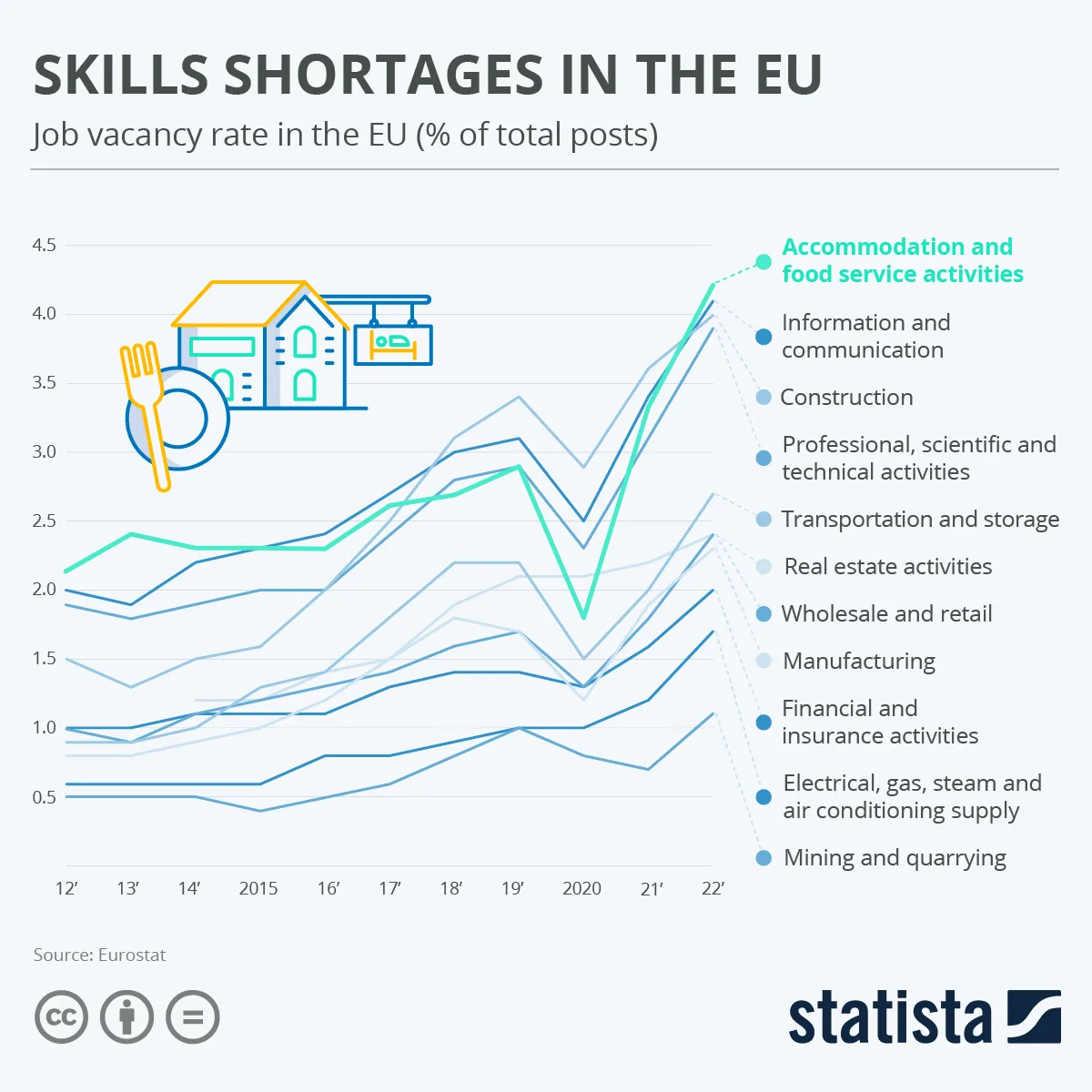
    The hospitality sector across Europe is experiencing a pressing crisis of skills shortages, which poses a significant threat to its growth and operational efficiency. Strikingly, between 10% and 20% of positions within the accommodation sector remain unfilled due to a scarcity of skilled applicants. This phenomenon is exacerbated by a workforce that frequently lacks the necessary qualifications, particularly among younger employees.

    The Current Landscape of Skills Shortages

    Unfilled Positions and Qualification Gaps

    A recent analysis reveals that a significant portion of the workforce, especially individuals under 25, possesses lower-than-average qualifications. In Spain, for instance, approximately 16% of workers within the accommodation sector have only completed primary education. This alarming statistic highlights a systemic issue within the training and educational frameworks aimed at preparing future hospitality professionals.

    Dual-Sided Skill Difficulty

    The skills shortage affects both ends of the spectrum. On one hand, there is a struggle to attract highly skilled professionals, including those with university degrees. On the other hand, retaining trained staff is equally challenging, creating a vicious cycle of turnover and talent loss. As existing employees seek better opportunities, organizations face the added burden of constantly searching for replacements, which can drain resources and destabilize operations.

    Industry Response to the Skills Crisis

    Call for Robust Skills Development Programs

    Key industry stakeholders, such as the European Federation of Food, Agriculture and Tourism Trade Unions (EFFAT) and Hotrec, are raising alarm bells regarding the current state of skills development. These organizations advocate for the implementation of more robust training programs designed to enhance both recruitment and retention so that they can develop a more competent workforce.

    Lifelong Learning and Digital Access

    The European Commission has acknowledged the urgent need for interventions to bridge the skills gap. Emphasis is placed on providing digital access to learning resources and promoting lifelong learning opportunities. Such measures are critical not only for addressing current shortages but also for future-proofing the industry against ongoing challenges.

    Challenges Faced by Small and Independent Accommodations

    Disparities in Training Resources

    Small and independent accommodations particularly suffer from a shortage of resources to provide formal training. This disadvantage limits their ability to compete with larger hotel chains that typically have structured training programs. Consequently, small businesses are left vulnerable in a competitive market, unable to nurture talent adequately or grow their workforce’s skill set.

    The Impact on Operational Efficiency

    The inability to attract and retain a skilled workforce can seriously undermine operational efficiency. Businesses that lack qualified staff may struggle with service delivery, leading to a decline in customer satisfaction. This can have long-term implications for customer loyalty, brand reputation, and ultimately, the financial performance of the organization.

    The Path Forward: Strategies for Future Competitiveness

    Emphasizing Education and Training Initiatives

    Addressing the skills shortage will require well-coordinated efforts that involve both public and private sectors. By investing in education and training programs that align with the needs of the hospitality industry, stakeholders can contribute to a more sustainable workforce. This could include formal partnerships with educational institutions, vocational training programs, and apprenticeships that offer real-world experience.

    Creating Inclusive Learning Environments

    Furthermore, fostering inclusive learning environments that accommodate various learning styles and educational backgrounds is essential. This can empower a broader range of potential candidates, enhancing diversity within the sector and addressing the skills gap from multiple angles.

    In summary, the hospitality sector in Europe faces a multifaceted skills crisis that demands immediate attention. Through collaborative initiatives, strategic investments in training, and a commitment to lifelong learning, the industry can work towards a more resilient and capable workforce that meets the demands of the modern economy.

  • 83% of Aussie Hoteliers Use Online Platforms for Bookings

    83% of Aussie Hoteliers Use Online Platforms for Bookings

    The Driving Forces Behind Australian Hoteliers’ Use of Online Travel Platforms

    In today’s fast-paced digital world, the hospitality industry is continuously evolving, especially in Australia. Hoteliers are increasingly turning to online travel platforms to boost their business performance and streamline their operations. According to the latest insights from the 2024 Australian Accommodation Barometer, conducted by Statista in collaboration with Booking.com, we can identify the key motivations that drive Australian hoteliers to embrace these platforms.

    The Top Motivation: More Bookings

    The Quest for Higher Occupancy Rates

    One of the primary motivations for Australian hoteliers using online travel platforms is the urgent need to increase bookings. A significant 83% of hotel executives and managers identified gaining more bookings as their foremost reason for engaging with these digital resources. In an industry where occupancy rates directly correlate with profitability, hoteliers are actively seeking new channels to reach potential guests.

    Strategies for Maximizing Visibility

    To capitalize on online travel platforms, many hoteliers adopt strategies that enhance their property’s visibility. This includes optimizing their listings with high-quality images, engaging descriptions, and favorable pricing. By increasing their online footprint, they aim to attract not only local guests but also international visitors.

    Attracting International Visitors

    Expanding the Customer Base

    Another important motivation highlighted in the Barometer is the desire to attract international visitors. As the tourism landscape becomes increasingly competitive, hoteliers recognize the need to appeal to a global audience. This not only enriches the guest experience but also diversifies their revenue stream.

    Tailoring Marketing Strategies

    To effectively target international travelers, many hoteliers are customizing their marketing strategies on online travel platforms. By understanding the preferences and behaviors of different visitor segments, they can tailor their promotions and offers to better meet the expectations of foreign tourists.

    Simplifying the Booking Process

    Enhancing User Experience

    The ability to simplify the booking process is a significant motivation for hoteliers utilizing online travel platforms. An intuitive, user-friendly interface on these platforms can make a world of difference in a guest’s decision-making process. Guests are more likely to complete a booking when the process is seamless and straightforward.

    The Role of Technology in Streamlining Operations

    Hoteliers are also leveraging technology to streamline their operations further, ensuring that the booking process not only caters to customer preferences but also aligns with the hotel’s internal workflows. Automation tools and integrated systems can enhance efficiency both in managing bookings and in providing excellent customer service.

    The Importance of Data and Insights

    Utilizing Analytics to Drive Decision-Making

    The data gathered from online travel platforms is more than just numbers; it’s a vital resource that can guide decision-making processes for hoteliers. Insights into customer behavior, market trends, and booking patterns can help accommodation providers refine their offerings and strategies.

    Adapting to Market Demands

    By analyzing this data, hoteliers can adapt to changing market demands and position themselves effectively against competitors. This proactive approach is crucial in a dynamic travel landscape where consumer preferences are constantly evolving.

    Conclusion

    The current trends in the Australian accommodation sector reveal that online travel platforms play a pivotal role in the strategic planning of hoteliers. By focusing on increasing bookings, attracting international guests, simplifying the booking experience, and leveraging data-driven insights, Australian hoteliers are setting themselves up for success in a highly competitive environment. These motivations not only reflect the current state of the hospitality industry but also highlight the potential for growth and innovation in the future.

  • 84% of Aussie Hoteliers Boost Bookings Through Online Platforms

    84% of Aussie Hoteliers Boost Bookings Through Online Platforms

    The Impact of Online Travel Platforms on Australian Hoteliers

    The Australian accommodation landscape has witnessed a profound transformation with the emergence of online travel platforms. These digital tools have become indispensable for hoteliers, significantly influencing their booking strategies and overall occupancy rates.

    Understanding the Australian Accommodation Barometer

    The Australian Accommodation Barometer is a pivotal study that sheds light on the sentiments and trends affecting hoteliers in the region. Conducted by Statista in collaboration with Booking.com, this insightful report gathers perspectives from accommodation executives and managers. The second edition of this study has unveiled noteworthy trends and statistics that underscore the importance of digital platforms in the hospitality sector.

    Key Findings on Booking Trends

    In the latest report, one of the standout statistics reveals that 84% of surveyed properties, which encompass single-location boutique hotels to franchises of global chains, affirm that listing on digital platforms positively impacts their overall bookings. This consensus highlights a critical shift in how hotels operate in today’s digital age.

    The Role of Online Travel Agencies (OTAs)

    Online travel agencies (OTAs) play a crucial role in enhancing the visibility of accommodation options. They not only serve as booking platforms but also address a core challenge faced by hoteliers: the perishable nature of unsold rooms. When a room is not booked for a particular night, that opportunity evaporates, leading to potential revenue loss. OTAs help mitigate this issue by providing a broader reach and ensuring that more potential guests can discover and book available accommodations.

    The Importance of Digital Presence

    Visibility and Accessibility

    The increasing reliance on digital platforms underscores the importance of establishing a robust online presence. Today’s travelers often conduct extensive research before finalizing their accommodations. Therefore, having a presence on popular OTAs not only improves visibility but also enhances accessibility for potential guests.

    Reputation Management

    In addition to increasing bookings, OTAs also play a crucial role in reputation management. Customers frequently rely on user-generated reviews and ratings before making their decisions, which means that hoteliers must be attentive to their online reputation and actively engage with guest feedback to maintain and enhance their image.

    Trends Shaping the Future of Accommodation

    As we look forward, several emerging trends are likely to influence the hospitality industry further:

    Personalization in Booking Experience

    With advancements in technology, travelers increasingly expect a tailored experience. This trend emphasizes the importance of personalization, where OTAs and accommodations alike must focus on understanding customer preferences and providing customized options.

    Integration of Technology

    The integration of technology in the booking process is another significant trend. From mobile booking apps to AI-driven customer service, tech-savvy travelers expect seamless and efficient experiences when making reservations.

    Conclusion Insights

    As explored in the 2024 Australian Accommodation Barometer, the findings reflect a landscape where online presence and digital platforms are not just supplementary but essential components of a successful hotelier strategy. The future of hospitality in Australia is undoubtedly intertwined with the continued evolution and adaptation of online travel platforms.

  • Travel & Tourism Sector Fuels 3.6% Global Growth by 2024

    Travel & Tourism Sector Fuels 3.6% Global Growth by 2024

    The Resurgence of Travel and Tourism: A Sector on the Rise

    A Brief Historical Context

    Before the COVID-19 pandemic, travel and tourism was one of the most rapidly expanding sectors of the global economy. With nine consecutive years of growth prior to 2019, the industry consistently outperformed other sectors in contributing to global economic gains. However, the onset of the pandemic temporarily disrupted this upward trajectory, leading to a significant downturn in global travel activity.

    Recovery Post-Pandemic

    Despite the challenges faced during the pandemic, the travel and tourism sector is showing robust signs of recovery. Projections indicate that by 2024, the industry will regain its momentum, contributing approximately 3.6% to global gross value added (GVA) over the next five years. This expected growth surpasses even that of the information and financial services sectors, underscoring the travel and tourism industry’s resilience and potential for future expansion.

    Growth Comparison: Travel vs. Technology

    The pandemic had varying impacts on different sectors, creating a striking contrast between the travel and tourism industry and technology firms. While travel and tourism struggled during the height of the pandemic, sectors like information and communications saw a boom. The rise of remote work, e-commerce, and health tech innovations fueled demand for tech solutions, allowing many companies in this field to grow and even expand their workforces amid a global crisis.

    However, reports of layoffs in 2022-2023 within the tech industry highlight that this growth was not sustainable in the long run. As the tech sector faces challenges, travel and tourism are uniquely positioned to capitalize on the resurgence of consumer confidence and mobility.

    Economic Impact of Travel and Tourism

    The significance of the travel and tourism sector extends beyond economic metrics; it plays a vital role in fostering globalization and interconnectedness among individuals. The movement of people not only stimulates economic growth but also facilitates cultural exchange and social bonding, contributing to a more integrated global community.

    The Future of Travel and Tourism

    As we look to the future, the travel and tourism industry stands poised for a renaissance. The growing desire for personal travel experiences, combined with a renewed interest in exploring diverse cultures, is likely to drive demand in the coming years. With an ever-increasing focus on sustainability and responsible travel practices, the industry is adapting to consumer preferences that prioritize eco-friendly options and local experiences.

    Conclusion

    This revitalization is not merely about recovering past losses; it’s about evolving and transforming the travel experience for the better. As the world gradually becomes more accessible again, the opportunities for innovation within the travel industry seem boundless.


    Want more insights into the travel and tourism industry? Sign up to Statista and Booking.com’s monthly travel and tourism newsletter for the latest updates and trends!

  • Accommodation Sector: 2021 Sees 100% Productivity Growth

    Accommodation Sector: 2021 Sees 100% Productivity Growth

    The Dynamics of Productivity in the European Accommodation Sector

    Understanding the Productivity Landscape from 2007 to 2021

    The European Central Bank (ECB) released a notable report in 2021 that painted a concerning picture of labor productivity trends across various sectors. The report indicated a significant deceleration in productivity gains from 2007 to 2021, highlighting broader economic challenges faced by different industries. Key to understanding these shifts is the role of resource reallocation—where labor and capital are moved from less productive entities to more productive ones. This mechanism has traditionally fueled productivity growth across sectors, including manufacturing and trade. However, the report also revealed a disappointing trend: within-firm productivity growth during this period has generally been negative, creating a drag on economic performance across industries.

    The Exception: The Accommodation Industry

    Amidst a backdrop of lagging productivity, the accommodation sector emerged as a unique outlier. While most industries struggled with stagnation, the accommodation sector not only maintained its productivity but actually experienced growth. This unexpected success can largely be attributed to a confluence of factors, primarily the rise of digital platforms in the travel industry.

    Factors Contributing to Growth

    1. Digital Transformation and Online Travel Platforms
      The increasing adoption of online travel platforms has revolutionized how accommodations operate. These platforms have enabled small and medium-sized enterprises (SMEs) to gain visibility on a global scale. Traditional challenges associated with marketing and client engagement have been mitigated, allowing smaller accommodations to thrive in a competitive marketplace.

    2. Strategic Partnerships
      Collaborations between small accommodations and larger digital platforms have been instrumental. These partnerships have provided SMEs access to technology, marketing tools, and a wider customer base, thus enhancing their operational capabilities. This integration has proven critical in elevating the presence and efficiency of smaller players in the market.

    3. Increased Competitiveness
      The accommodation sector’s responsiveness to consumer demands and preferences further facilitated productivity growth. By leveraging technology, the industry could adapt more swiftly to changing market conditions, enhancing their competitive edge relative to businesses reliant on traditional methods.

    Insights into the Challenges of Productivity Growth

    Despite the positives in the accommodation sector, it’s essential to acknowledge that increasing productivity among SMEs remains notoriously challenging. Many small businesses often struggle with resource limitations and access to advanced technologies, which can impede their growth potential. The key takeaway from the accommodation industry’s success story is not merely a narrative of growth, but rather an exploration of how strategic digital transformation can serve as a powerful equalizer in a sector that has historically faced hurdles.

    The Broader Implications of the Accommodation Sector’s Success

    The success of the accommodation industry may serve as a blueprint for other sectors seeking to leverage technology for productivity gains. The case illustrates that even in traditionally lower-tech industries, significant improvements are possible through the adoption of digital tools and platforms. As competition increases, the ability to innovate and adapt will define future success across various sectors.

    By focusing on technological integration and fostering partnerships between different scales of businesses, industries can unlock new pathways for productivity that were previously viewed as unattainable. The accommodation sector exemplifies that with the right strategies, even small players can navigate challenging economic landscapes and emerge stronger.