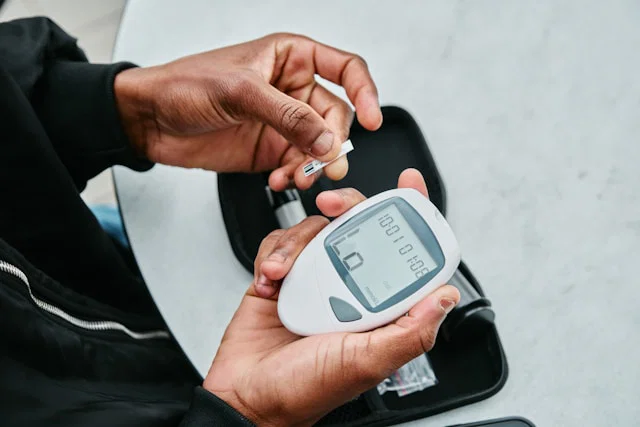
Type 2 diabetes impacts hundreds of millions around the globe. It happens when the body becomes less responsive to insulin, the hormone responsible for moving sugar from the bloodstream into cells, where it can be used for energy.
Prolonged elevated blood sugar levels can harm blood vessels and organs, increasing the chances of heart disease, kidney failure, vision problems, nerve damage, and other serious health issues.
Healthcare providers often employ the HbA1c blood test to assess how effectively diabetes is controlled. Unlike a single blood sugar reading, HbA1c provides an estimate of average blood sugar over the past two to three months.
An international clinical trial investigated whether higher daily doses of the diabetes medication semaglutide could enhance blood sugar management and support weight loss. The study was led by Dr. Vanita R. Aroda from Brigham and Women’s Hospital in Boston and published in The Lancet.
Semaglutide mimics a natural hormone that regulates blood sugar and appetite. It helps stimulate the pancreas to release insulin when needed, slows gastric emptying, and promotes a feeling of fullness for longer periods.
The trial involved over 1,600 adults across 177 research sites in 14 countries. Participants were already taking one to three diabetes medications, yet their blood sugar levels remained above target ranges.
At the start, participants had HbA1c levels between 8.0% and 10.5%. They were randomly assigned to daily tablets containing 14 mg, 25 mg, or 50 mg of semaglutide.
The treatment lasted a little over a year, totaling 68 weeks. Researchers then analyzed changes in blood sugar and weight among the different groups.
All doses resulted in lowered HbA1c, but the higher doses produced more significant improvements. Those taking 25 mg or 50 mg generally saw greater reductions in average blood sugar than the 14 mg group.
Higher doses also led to more weight loss, which is particularly beneficial for many individuals with type 2 diabetes. Excess weight can impair insulin response and increase the risk of cardiovascular issues.
However, stronger doses were associated with increased side effects. Digestive issues like nausea, vomiting, and diarrhea were among the most common adverse effects, especially in those on higher doses.
Most of these side effects were mild to moderate and tended to diminish over time. Nonetheless, side effects are an important consideration, as a medication’s usefulness depends on patients being able to tolerate it safely.
These findings suggest that higher-dose oral semaglutide could be a viable option for people whose blood sugar isn’t well-controlled with current treatments. The ability to improve both glycemic control and weight management makes it a promising addition for those requiring extra support in both areas.
Higher doses may not be suitable for everyone. Patients should not alter their semaglutide dose independently; healthcare providers need to evaluate blood sugar levels, other health conditions, current medications, treatment aims, and potential side effects to determine the best approach.
If you’re interested in diabetes research, consider reading studies about vitamin D and its connection to type 2 diabetes. For individuals managing diabetes, some fruits are preferable over others.
For additional health insights, explore recent research indicating low-calorie diets might help reverse diabetes and learn about five vitamins potentially preventing diabetes complications.
Copyright © 2026 Knowridge Science Report. All rights reserved.