Prisons and Jail Systems vs. Higher Education Institutions in the United States
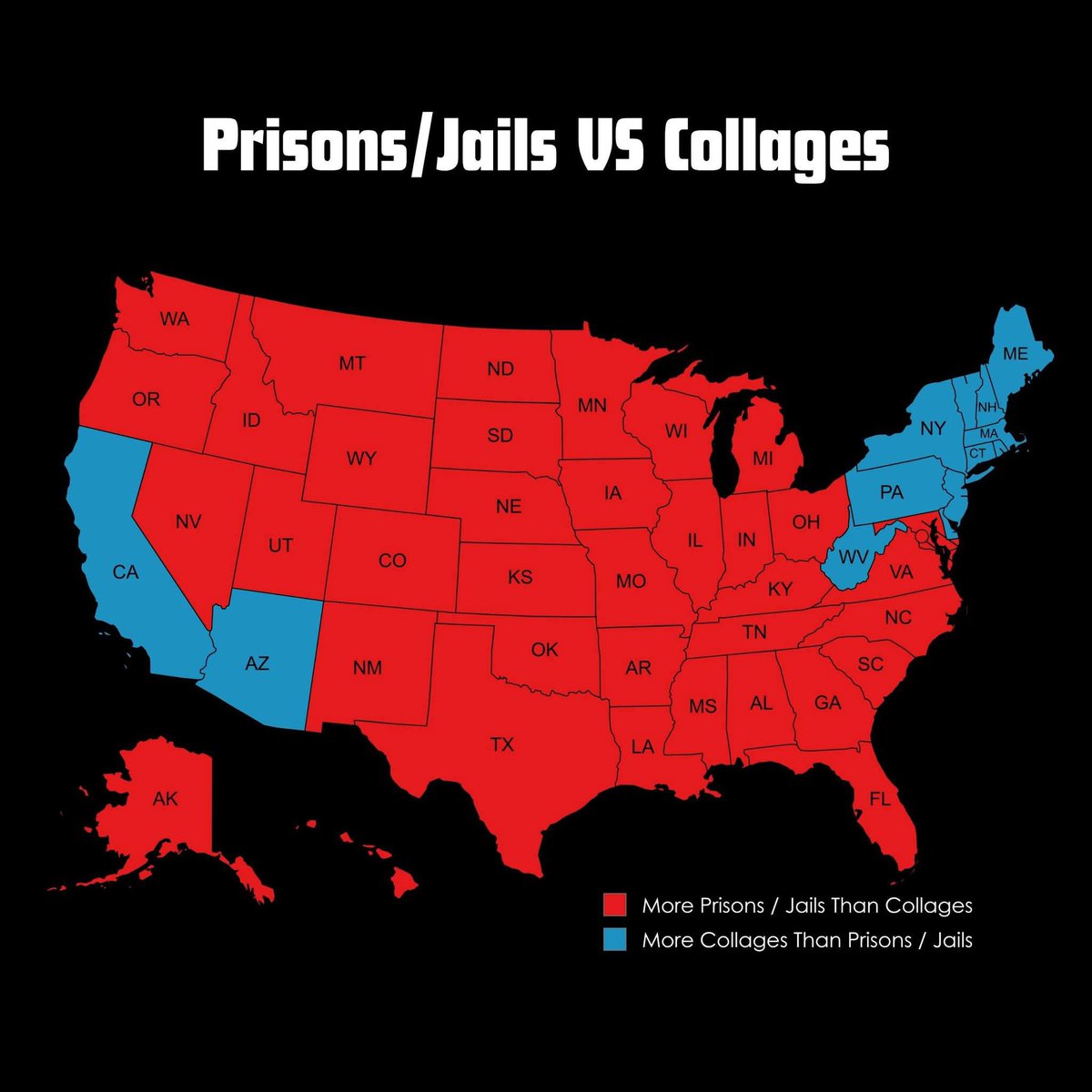
1. The Disproportionate Number of Prisons Compared to Colleges
One of the most startling facts about the U.S. educational and correctional systems is the sheer scale of incarceration. As of 2025, the United States has over 6,000 correctional facilities, including prisons and jails, housing approximately 2.3 million inmates. Comparatively, the country boasts around 4,700 degree-granting postsecondary institutions—ranging from large universities to community colleges. This stark numerical disparity highlights the nation’s prioritization of incarceration over higher education in terms of sheer numbers.
2. The Concentration of Prisons in Certain Regions
Certain states, such as Texas, California, and Florida, have especially high incarceration rates, often housing more prisoners than residents in some regions. This regional disparity underscores the political, economic, and social factors driving incarceration policies. These states tend to allocate significant portions of their budgets to their prison systems, which often overshadow investments in public education.
3. College Accessibility Outpaces Prison Capacity in Many Areas
While prisons outnumber colleges nationally, in many urban and suburban areas, higher education institutions are abundant, providing accessible opportunities for millions of Americans. Community colleges and state universities have expanded significantly, offering affordable education pathways for students from diverse backgrounds. These institutions serve as vital pathways to economic mobility, unlike prisons, which primarily serve as facilities for punishment.
4. The Cost Comparison: Prisons versus Education
In 2025, it costs approximately $40,000 annually to incarcerate an individual in a federal prison. In contrast, the average annual tuition at a public college or university hovers around $10,000 to $15,000 for in-state students. This stark difference raises questions about public spending priorities: why allocate so much funding toward incarceration when investing in higher education can yield long-term societal benefits, such as reduced crime rates and increased economic productivity?
5. The Societal Impact: Investment in Education vs. Incarceration
Studies indicate that increased investment in higher education correlates with decreased crime rates, better health outcomes, and higher employment levels. Conversely, the high incarceration rates contribute to a cycle of poverty, disenfranchisement, and social inequality. Moving resources from prisons to colleges could generate a more equitable society, fostering opportunity rather than punishment.
6. Shifting Trends: Toward More College Enrollment
Recent years have seen efforts to reform the criminal justice system and focus on educational opportunities for incarcerated individuals. Various programs now aim to provide college courses within prison walls, with the goal of reducing recidivism. Simultaneously, college enrollment rates continue to rise, driven by online education, affordability initiatives, and increased awareness of the importance of higher education for economic stability.
7. Highlighting the Human Stories Behind the Numbers
While statistics shine a light on systemic issues, personal stories humanize these disparities. Many incarcerated individuals express a desire for education during their confinement, citing it as a pathway to reintegration and purpose. Conversely, students face barriers such as rising tuition costs, student debt, and limited access in marginalized communities. Addressing both issues requires a comprehensive approach that values the dignity and potential of all individuals.
8. The Call for Policy Changes
Advocates propose reallocating funds toward expanding higher education opportunities, particularly for underserved populations and formerly incarcerated individuals. Policies that prioritize education over incarceration can pave the way for a more just and equitable society—reducing the jail population and opening doors for millions seeking knowledge and a better future.
9. The Future Outlook: Balancing Justice and Education
As the nation progresses into 2025, debates surrounding criminal justice reform and the importance of higher education continue. The goal is to find a sustainable balance, ensuring public safety while investing in the talents and potential of America’s youth and adults. Integrating educational programs within correctional facilities and increasing funding for public colleges may be crucial steps forward.
10. Final Thoughts
The numbers tell a compelling story: more prisons than colleges reveal where society’s priorities currently lie. Yet, with strategic investment and policy shifts, the focus could shift toward building a society that values education, opportunity, and redemption over punishment and incarceration. Transforming this imbalance holds the promise of a healthier, more equitable America in 2025 and beyond.