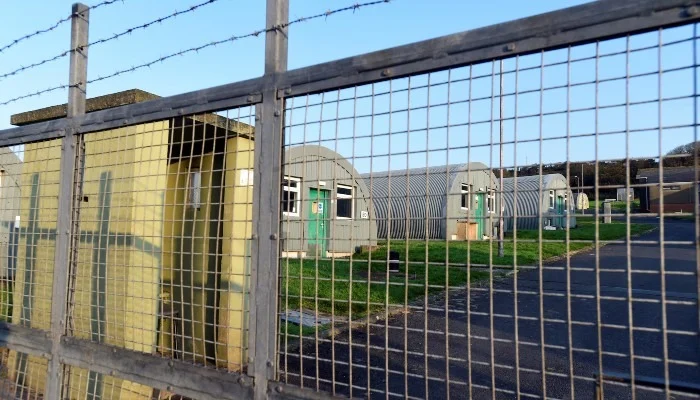
Asylum seekers in the UK may soon be required to reimburse the government approximately £10,000 ($13,222) for accommodation and basic living support before they can apply for permanent settlement. This announcement was made on Monday as part of the government’s latest efforts to discourage illegal migration.
Immigration remains one of the most debated topics in British politics, frequently ranking among the top concerns in opinion polls and sometimes sparking protests and community tensions.
The center-left Labour Party has stepped up initiatives aimed at curbing both legal and illegal migration, partly in response to the growth of Nigel Farage’s Reform UK party, which has pledged to deport as many as 600,000 asylum seekers.
Interior Minister Shabana Mahmood emphasized that her recent reforms are intended to lessen the financial pressure on taxpayers. She stated, “Receiving asylum support is a right, but it is also a responsibility. Once individuals are able to contribute and show they appreciate the generosity of the British people, we expect them to do so.”
According to the proposed guidelines, only adults who are able to pay will be charged, with protections in place to prevent individuals from falling into destitution. The new rules would not be applied retroactively, and children will be exempt from charges.
These measures come at a politically delicate time for the Labour Party, which is currently divided over how much to tighten immigration policies. Additionally, some uncertainty surrounds future leadership following Keir Starmer’s announcement to step down as party leader.
The Home Office estimates that housing asylum seekers costs an average of £23.25 per person per night in temporary accommodations, and up to £144 per night in hotels, in addition to weekly subsistence payments. The total annual cost of supporting and housing asylum seekers was projected to reach roughly £4 billion last year.