Holocaust Denial: Legal Status Across the United States in 2025
1. Understanding Holocaust Denial Laws in the United States
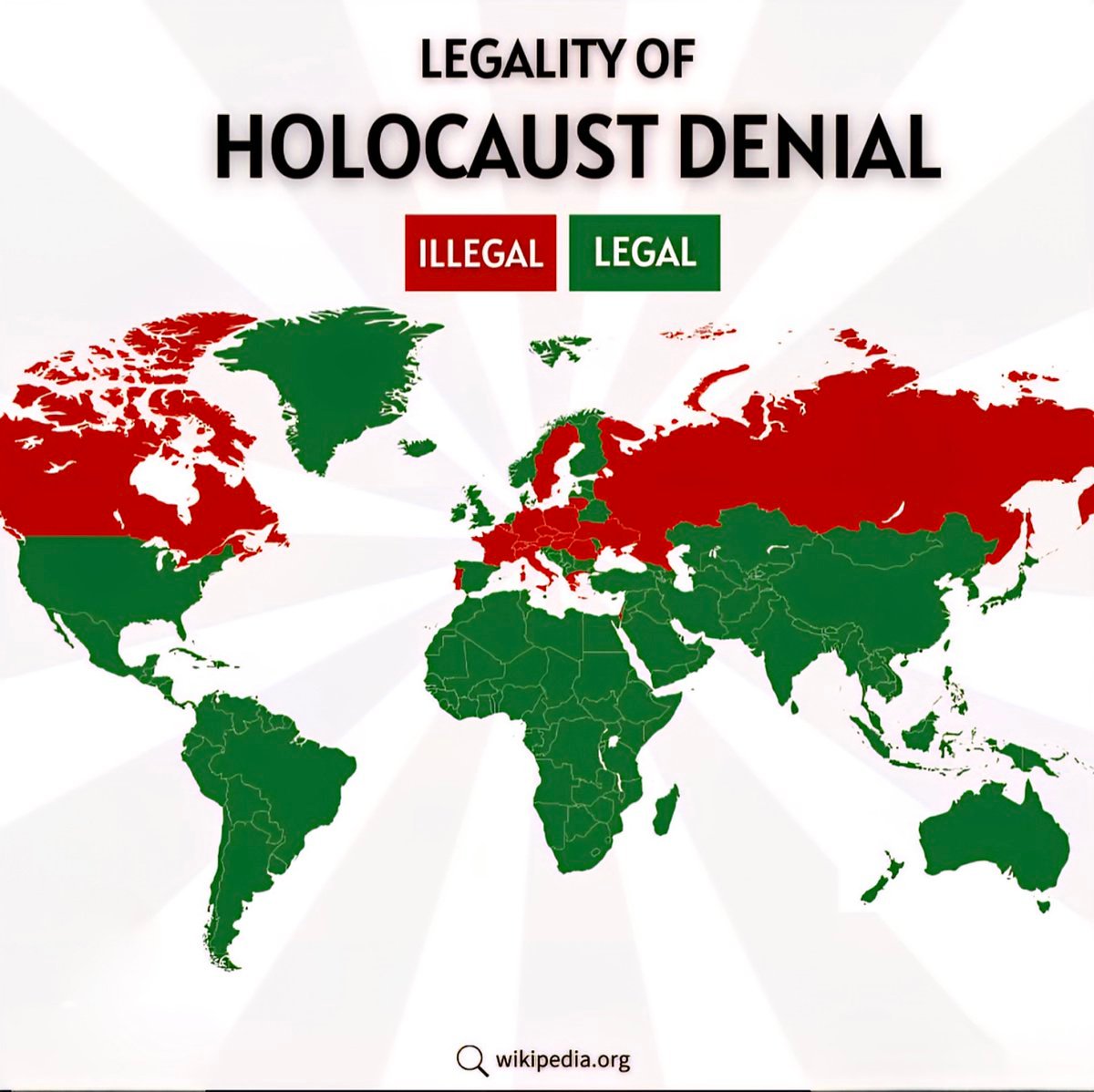
In 2025, the question of whether denying the Holocaust is legal has been a subject of intense debate. Unlike some countries with explicit hate speech laws that criminalize Holocaust denial, the U.S. legal landscape is shaped primarily by the First Amendment, which significantly protects free speech. However, there are ongoing legislative efforts and court rulings that influence how Holocaust denial is perceived and treated under the law.
2. The First Amendment and Free Speech Protections
The cornerstone of American legal stance is the First Amendment, which guarantees free speech. This protection extends even to speech that many consider offensive or historically inaccurate, including Holocaust denial. As a result, in most cases, denying the Holocaust remains legally protected speech, provided it doesn’t combine with actions like harassment or incitement to violence.
3. Regional Variations and State Laws
While federal law does not prohibit Holocaust denial, some states have enacted their own legislation to restrict hate speech in various contexts. For example, states like Texas and Florida have laws that criminalize certain forms of hate speech or conspiracy to commit hate crimes. Nevertheless, these laws rarely explicitly target Holocaust denial, making it generally legal under state law across most of the country.
4. Court Rulings that Shape the Legal Landscape
In landmark cases, courts have upheld the importance of free speech, ruling that laws aiming to suppress Holocaust denial violate the First Amendment. For example, in 2024, a federal court dismissed a case against a historian accused of denying the Holocaust, citing the protection of free expression. These rulings reinforce that, as of 2025, Holocaust denial is not considered a criminal offense in the United States.
5. When Holocaust Denial Becomes Illegal
Although generally protected, Holocaust denial may cross into illegal territory under certain circumstances. If it involves hate speech that incites violence, threats, or harassment against specific groups, it can be prosecuted under existing hate crime statutes. Additionally, attempting to spread Holocaust denial in contexts like educational institutions or broadcasting can sometimes face legal challenges if it violates anti-discrimination laws.
6. The International Perspective vs. U.S. Law
Globally, many countries criminalize Holocaust denial, viewing it as hate speech or historic falsification. Contrastingly, the U.S. maintains a stance prioritizing free speech over criminalization, emphasizing the importance of protecting diverse viewpoints—even those that deny established historical facts—within the bounds of the law.
7. The Role of Social Media and Online Platforms
In 2025, social media platforms grapple with their policies regarding Holocaust denial content. While some platforms have policies banning hate speech, others argue that removing such content infringes on free expression rights. Courts continue to debate whether online speech about Holocaust denial should be treated differently and how to balance free speech with protecting vulnerable communities from harmful misinformation.
8. Public Opinion and Legal Implications
Public opinion remains divided, with many advocating for stricter regulations against Holocaust denial, citing its harmful impact on victims and communities. However, legal experts highlight that any move toward criminalizing such speech must be carefully balanced against constitutional rights. As of 2025, the general consensus is that such speech remains protected in the United States, emphasizing free expression over criminal sanctions.
9. Future Outlook: Possible Legislative Changes?
Looking ahead, some policymakers are pushing for amendments to existing hate speech laws or new legislation to address Holocaust denial explicitly. Advocates argue that this would serve as a step toward combating antisemitism and misinformation. Opponents, however, warn it could infringe upon constitutional rights and lead to censorship.
10. Conclusion: The State of Holocaust Denial Legality Today
In 2025, Holocaust denial remains largely legal across the United States under the protections granted by the First Amendment. While some states have laws restricting hate speech, none explicitly criminalize Holocaust denial. The evolving legal landscape continues to balance free speech rights with societal concerns about harmful misinformation and antisemitism. As public dialogue advances, the debate over how best to confront Holocaust denial while respecting constitutional freedoms persists, ensuring this complex issue remains relevant for years to come.