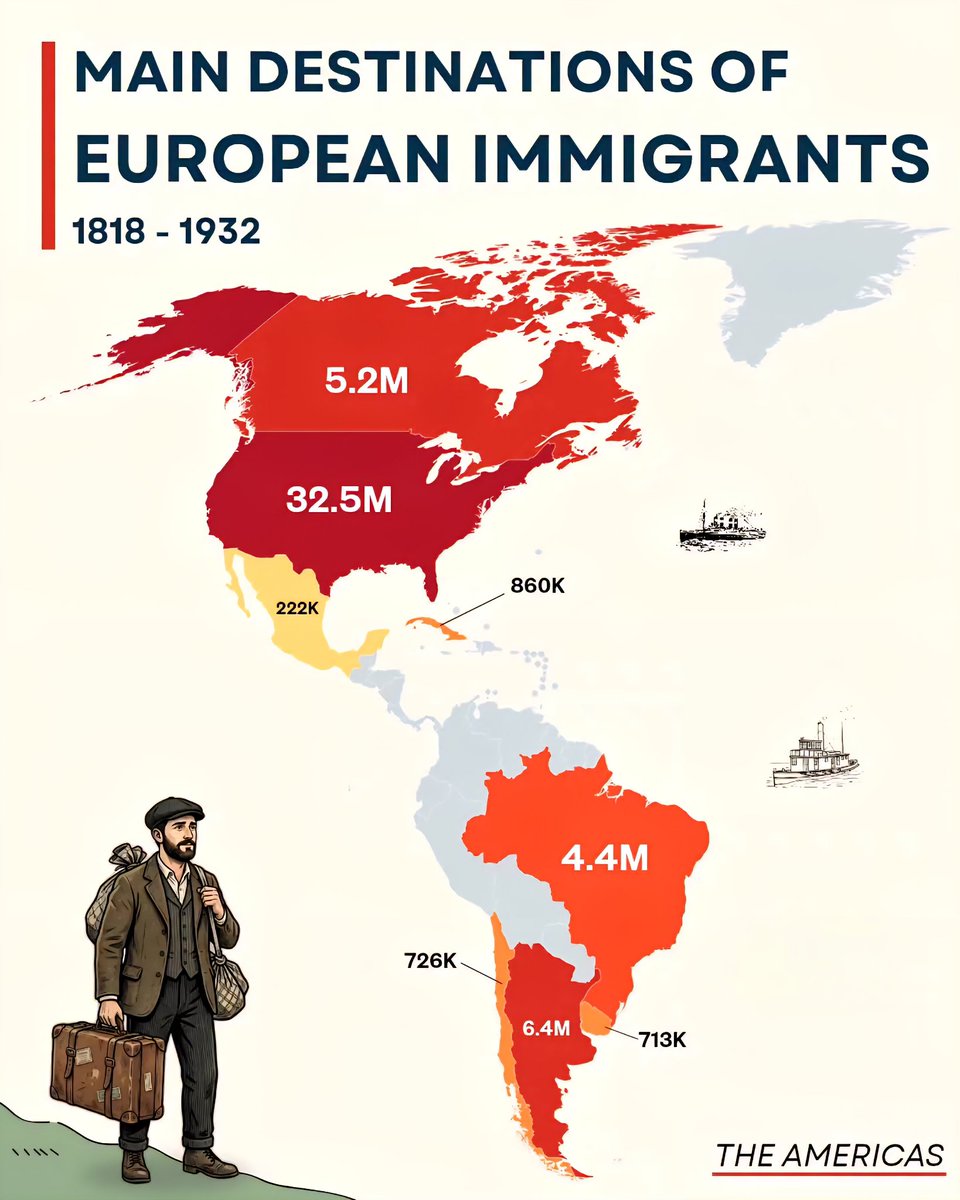
Top European Destinations for Immigrants in the United States Between 1818 and 1932
1. New York City: The Epicenter of European Immigration
Historically, New York City stood out as the primary gateway and destination for millions of European immigrants arriving in the United States during the early 19th and early 20th centuries. Its bustling harbor welcomed ships carrying hopeful newcomers from Ireland, Italy, Germany, and Eastern Europe. Once ashore, immigrants flocked to Manhattan’s diverse neighborhoods, such as the Lower East Side, which became a melting pot of cultures, languages, and traditions. The city’s job opportunities, particularly in manufacturing, construction, and the garment industry, drew many looking to build new lives. The vibrant ethnic enclaves, including Little Italy and Germans Town, became symbols of cultural preservation amidst rapid urbanization.
2. Chicago: The Midwest’s Industrial Magnet
Chicago emerged as a leading destination for European immigrants seeking economic opportunities in the Midwest. The city’s rapid industrial growth in the late 19th century attracted large influxes of Polish, Croatian, Slovak, and Scandinavian populations. Immigrants contributed significantly to Chicago’s expanding railway and meatpacking industries. Neighborhoods like Wicker Park and the Near West Side grew into thriving ethnic communities, offering familiar foods, churches, and social clubs that helped newcomers settle comfortably. Chicago’s strategic location on the Great Lakes made it accessible for immigrants arriving via waterways and railroads, solidifying its role as a major immigrant hub.
3. Boston: The Gateway for Irish and Eastern Europeans
Boston historically served as a vital entry point for Irish immigrants fleeing famine and hardship, with waves arriving as early as the 1820s. Over time, the city also welcomed Italian, Portuguese, and Eastern European communities. Boston’s neighborhoods, such as South Boston and East Boston, became culturally cohesive areas where immigrants established churches, schools, and social organizations. These communities played a vital role in shaping Boston’s political and social fabric, often advocating for workers’ rights and social justice. The city’s ample employment in manufacturing, shipping, and textiles drew even more European newcomers looking for stability and community.
4. Philadelphia: The First Major Gateway in the North
As one of America’s oldest cities, Philadelphia served as a primary entry point for European immigrants especially in the early 19th century. Irish and German immigrants arrived in large numbers via the port, securing jobs in construction, manufacturing, and the railroads. These communities laid down roots in districts like South Philadelphia, where they established churches, cultural clubs, and businesses that reflected their heritage. The city’s historical significance as a symbol of American independence also made it attractive to European newcomers seeking inclusion and opportunity amid growing industrial expansion.
5. Cleveland: Rising as a Midwest Industrial Hub
Cleveland saw a surge in immigrant populations from the late 1800s into the early 20th century. Workers from Hungary, Poland, and other Eastern European countries arrived to fill labor shortages in steel mills, factories, and shipyards. The city’s access to Lake Erie and its thriving industrial economy created a fertile environment for newcomers aiming to climb the socio-economic ladder. Neighborhoods such as the Hough and Clark-Fulton districts became centers of immigrant life, fostering a sense of community through churches, social clubs, and ethnic festivals.
6. Other Noteworthy Destinations
While the cities listed above were the primary destinations, numerous other American towns and cities attracted European immigrants during this period. Places like Detroit, Pittsburgh, and St. Louis also experienced significant growth in immigrant populations. These cities offered opportunities aligned with expanding industrial sectors, transportation hubs, and agricultural opportunities in rural areas attracting Scandinavian and Eastern Europeans.
Final Remarks
The period between 1818 and 1932 was a transformative era in American history, driven by waves of European immigration. The diverse destinations and vibrant immigrant communities not only contributed to urban growth but also helped shape the cultural landscape of contemporary America. Their legacy endures through the neighborhoods, traditions, and contributions that continue to define American identity today.