Countries Leading in Brown-Haired Populations
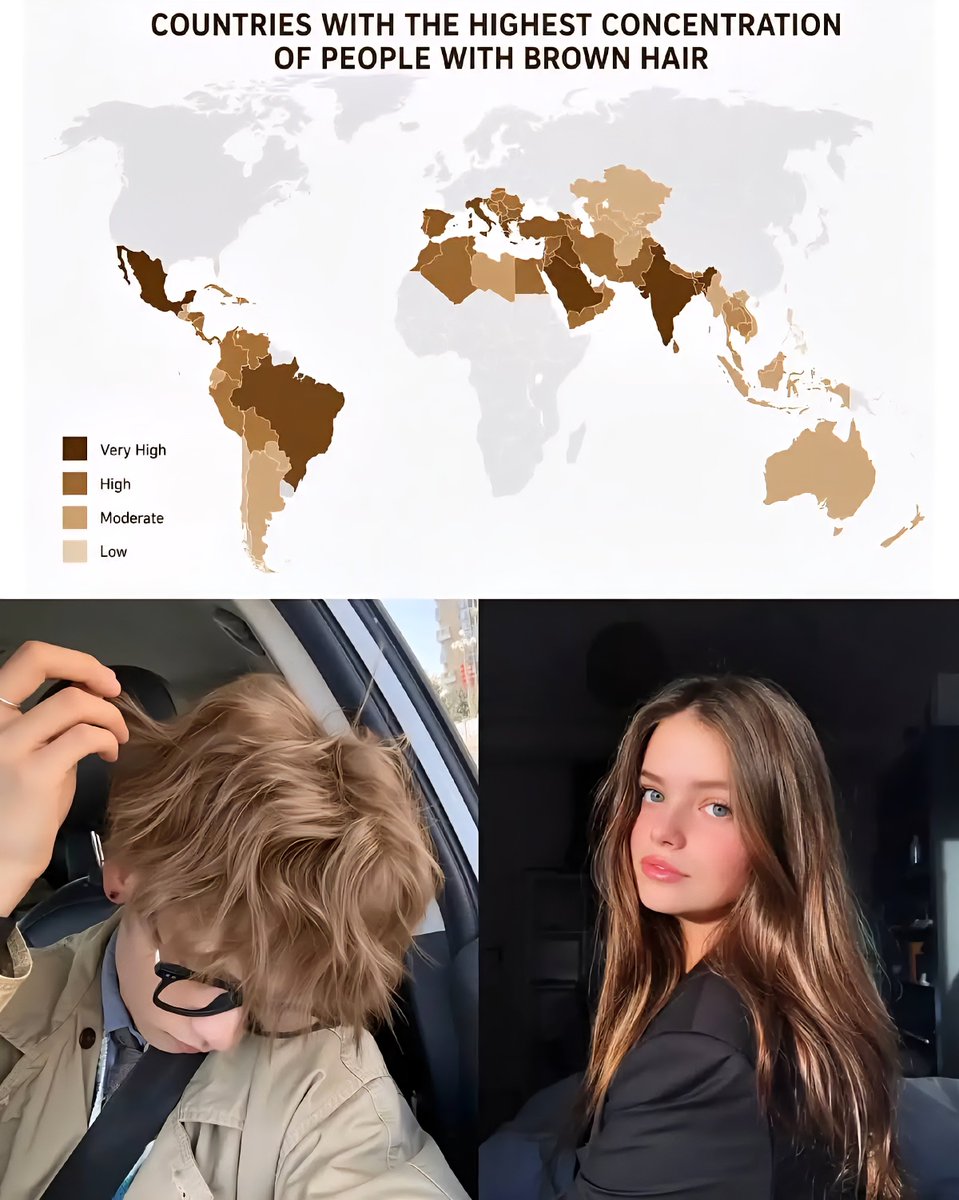
1. Brazil: A Melting Pot of Hair Colors
Brazil stands out as a nation with one of the highest concentrations of brown-haired individuals in the world. Its rich multicultural heritage—stemming from Indigenous peoples, Europeans, Africans, and Asians—creates a vibrant tapestry of hair colors and features. A significant portion of the population exhibits various shades of brown, from chestnut to deep chocolate. The diverse ethnic makeup means that brown hair is not just common but is often considered the cultural standard in many regions, particularly in the central and southern parts of the country.
2. India: The Heart of Brown-Haired Diversity
India is another country where brown hair dominates. Thanks to the country’s vast genetic diversity, most Indian populations tend to have hair in shades of dark brown. While black hair is the most prevalent, shades of brown are widespread among various ethnic groups. The variety further highlights India’s rich heritage—ranging from the lighter brown hair seen in some Northeastern tribes to the darker shades common across most of the subcontinent. This widespread occurrence makes brown hair an everyday feature across both rural villages and urban centers.
3. United States: A Cultural and Ethnic Mosaic
The United States features a broad spectrum of hair colors, with brown hair being the most prevalent. This is largely driven by America’s diverse immigrant roots—European, Latin American, Middle Eastern, and beyond—all of whom often carry brown hair traits. From the sun-kissed waves in California to the bustling streets of New York, brown hair is an everyday feature. Notably, the American population’s diversity ensures that various shades—from light to dark brown—are visible and celebrated across the country.
4. Russia: The Land of Varied Tones
Russia’s extensive territory and diverse ethnic groups make it a prominent country for brown-haired individuals. Many Russians and Slavic groups tend to have deep brown to chestnut hair, particularly in rural and Eastern regions. The genetic makeup influenced by neighboring countries—such as Scandinavia, Eastern Europe, and Central Asia—contributes to a wide range of brown hues across the population. This range encompasses lighter brown shades to richer, darker tones, reflecting the country’s extensive historical interactions.
5. Germany: Classic European Heredity
Germany is well-known for its traditionally European features, among them being a high prevalence of brown hair. This is especially true in parts of central and southern Germany, where shades of light to dark brown are common. The country’s population is a blend of ancient Germanic groups and historical mixing with neighboring countries, leading to a generally uniform prevalence of brown hair. The consistency in hair color ranges from light brown in the north to darker shades further south.
6. South Korea: Emerging Trends and Cultural Beauty Standards
While South Korea is famed for its black hair, recent trends point to an increasing prevalence of brown shades, especially among younger populations influenced by global beauty trends. Brown hair, often achieved through temporary dyes, is becoming a popular choice among South Korean youth who seek to diversify their appearance without straying too far from traditional looks. Still, natural dark brown and black remain the most common hair colors, with brown shades gaining popularity thanks to fashion and entertainment influences.
7. Italy: A Mediterranean Staple
Italy’s Mediterranean climate and history of Intermixing with various civilizations—Romans, Byzantines, and Normans—have contributed significantly to the prevalence of brown hair. The Italian population often boasts shades of chestnut and hazel-brown, especially in the southern regions. The warm climate and historic intermingling foster an appearance typical of European Mediterranean beauty standards, with brown hair being a defining trait.
These countries exemplify the global distribution and cultural significance of brown hair today. As diverse as the people who inhabit these nations, their hair colors serve as a visual testament to centuries of genetic blending, migration, and cultural exchange. In 2025, brown hair continues to be celebrated across continents, tying together histories, identities, and modern beauty standards worldwide.