Countries in the Polar Zone: An In-Depth Overview
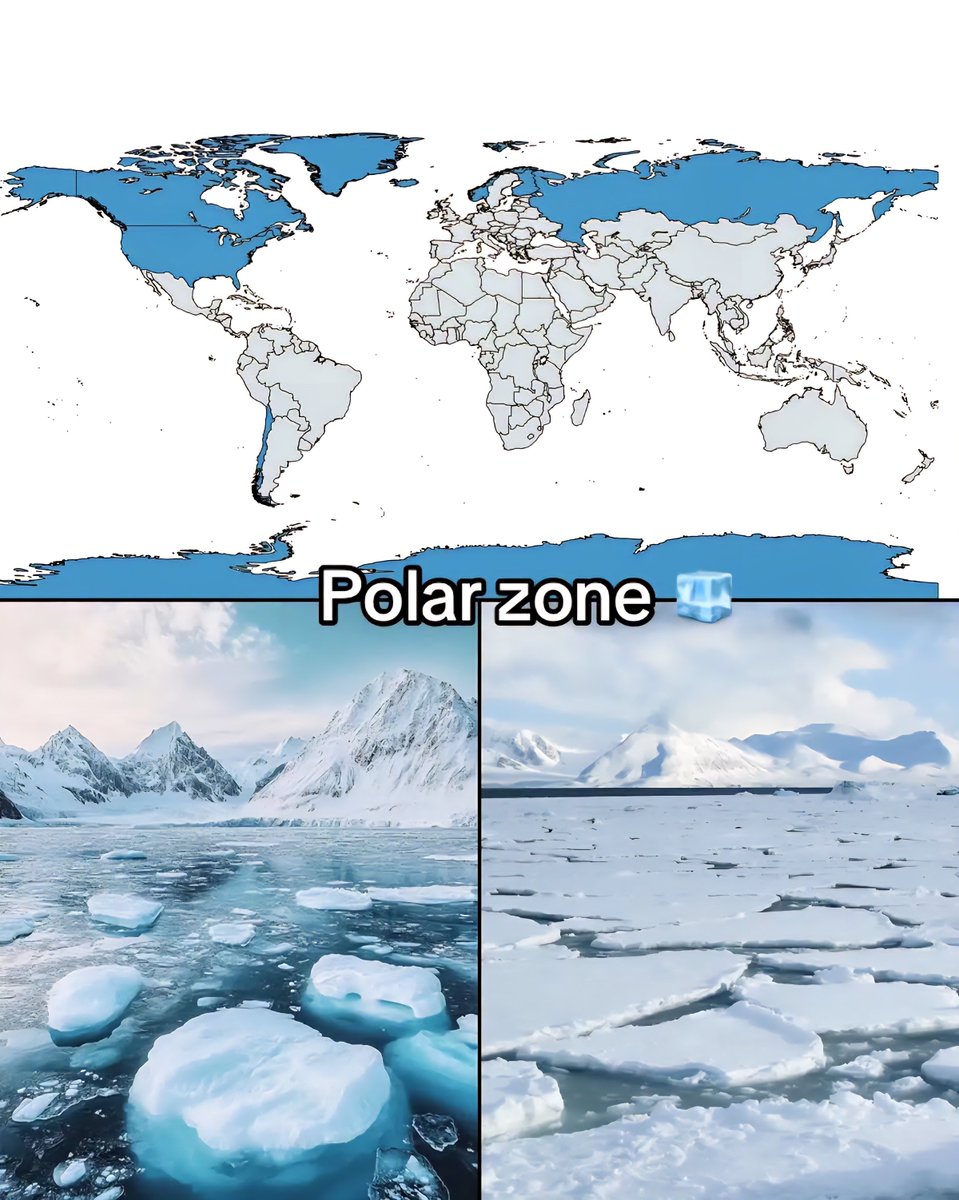
1. Canada: The Great Northern Land
Canada, often dubbed the “Great Northern Land,” stretches well into the Arctic Circle, making it a vital part of the polar zone. The country boasts vast, icy tundras, especially in its northern territories such as Nunavut, Yukon, and the Northwest Territories. These regions are characterized by rugged landscapes, icy coasts, and an abundance of rare wildlife such as polar bears, Arctic foxes, and migratory birds. Canada is also home to the Arctic Archipelago, a sprawling cluster of islands that experience some of the coldest temperatures outside Antarctica. Despite the harsh climate, Indigenous communities have thrived here for thousands of years, adapting to the extreme conditions through traditional lifestyles rooted in hunting and fishing.
2. Russia: The Dominant Arctic Power
Russia holds the world’s largest Arctic territory, extending across a vast expanse from the Ural Mountains to the Chukchi Sea. The Russian Arctic encompasses tundra plains, icy shores, and polar ice caps that are rapidly melting due to climate change. Notably, the Siberian region, such as Yakutia and Chukotka, features some of the coldest inhabited places on Earth. Russia’s strategic importance in the Arctic has surged over the past few years, driven by interests in Arctic shipping routes and natural resource extraction, including oil and gas. The polar zone contributes significantly to Russia’s identity, with indigenous groups like the Nenets and even Russian military bases permanently stationed in these icy territories.
3. United States: Alaska’s Icy Frontier
Alaska, the U.S.’s northernmost state, is a crucial part of the American Arctic sector. It covers a substantial area north of the Arctic Circle and features extensive glaciers, icy coasts, and tundra landscapes. The region plays a critical role in global climate regulation and biodiversity conservation. As climate change accelerates, melting Arctic ice opens new pathways for shipping and resource exploration, making Alaska increasingly significant for geopolitics and economic prospects. The indigenous peoples of Alaska, including the Inupiat and Yupik, depend immensely on the Arctic environment for their livelihoods and culture, maintaining traditions that date back centuries.
4. Greenland: The World’s Largest Island in the Polar Zone
While technically an autonomous Danish territory, Greenland is often grouped with Arctic nations due to its extensive icy landscapes. Covering over 2.1 million square kilometers, Greenland is the largest island in the world and holds massive ice sheets that contain about 8% of the Earth’s fresh water. The island’s landscape consists of glaciers, fjords, and barren ice-covered areas. Greenland has experienced accelerated ice melt, contributing to rising sea levels worldwide. The country’s sparse population, primarily Inuit, relies on fishing, hunting, and increasingly, tourism focused on the icy wilderness and its unique ecosystems. Greenland’s geopolitical position makes it a focus area for potential natural resource exploitation.
5. Norway and the Arctic Circle
Norway, especially its northern regions like Svalbard, is an integral part of the Arctic zone. The Arctic archipelago of Svalbard is one of the world’s northernmost inhabited areas, famous for its polar bears, glaciers, and rugged wilderness. Norway’s interest in the Arctic revolves around energy exploration, environmental conservation, and sovereignty issues. Svalbard, in particular, hosts scientific research facilities and serves as a strategic base for Arctic expeditions. As climate change accelerates, Norway has increased its focus on sustainable development in the polar zone, balancing economic interests with environmental preservation and indigenous rights.
6. Iceland: The Atlantic-Polar Crossroads
Though Iceland lies just south of the Arctic Circle, its geographic position links it closely with the polar environment. Known for its glaciers, geothermal activity, and volcanic landscapes, Iceland serves as a crucial hub for scientific research and exploration in the Arctic region. Its strategic location also makes it an important player in the North Atlantic and Arctic maritime corridors, which are expected to become more navigable due to melting ice. Iceland’s government actively promotes sustainable energy and environmental policies, positioning itself as a responsible steward of polar ecosystems.
7. Scandinavia: Sweden and Finland’s Polar Interests
Sweden and Finland, positioned south of the Arctic zone, maintain significant interests in the region due to their proximity and indigenous Sami populations. The Sami people, indigenous to Northern Scandinavia, depend on reindeer herding and traditional lifestyles tied to the Arctic environment. Both countries are investing heavily in climate research, ecosystem preservation, and fostering cooperation with other Arctic nations. They also participate in international forums like the Arctic Council to promote sustainable development and monitor environmental changes in the polar zones.
In Summary: The polar zone encompasses several nations, each with unique landscapes, ecosystems, and geopolitical interests. As climate change accelerates, these countries are experiencing rapid transformations in their environments, prompting increased international cooperation, scientific research, and sustainable development efforts to ensure the preservation of the fragile Arctic ecosystems for future generations.